
Review · CHICAGO
Chicago’s Modern Skyscrapers Guided Walking Tour
Chicago’s modern skyscrapers are not just tall buildings. They are the result of a major shift in how cities were built, with steel frames, reinforced concrete, broad glass walls, and mass production changing the look of daily life. This walking tour follows that change along the Chicago River, where Mies van der Rohe’s clean lines meet the bold forms of Marina City and the civic scale of the Daley Center.
I like two things right away. You get a trained Chicago Architecture Center docent, not a guide reading a list of building dates, and the route uses the River Walk for strong views of the skyline. You also get admission to the Center’s new exhibits, which gives the walk useful context. The main drawback is simple: it lasts only 90 minutes, so you will see a focused slice of Chicago architecture rather than the whole story.
Key points to know before you book
- Modernism is the main subject: Learn how steel frames, reinforced concrete, glass, and mass production shaped the modern skyscraper.
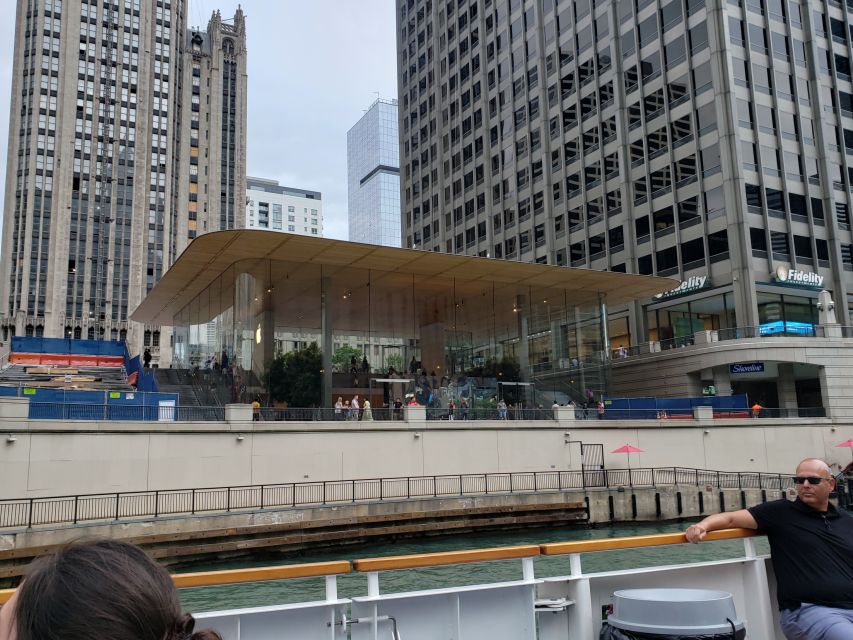
- The Chicago River provides the route: Walk beside the water while looking at Marina City, the IBM Building, the Daley Center, and other major structures.
- The Reliance Building supplies the early chapter: This landmark helps explain the roots of modern design before the full glass-and-steel age.
- A certified docent leads the walk: Chicago Architecture Center volunteers receive hundreds of hours of training in architecture and local history.
- The price is $35 per group up to one person: Judge the value by the guide, the focused route, and the included exhibits rather than by the length alone.
- Plan for outdoor conditions: Tours leave rain or shine, and there is no weather refund, so comfortable shoes and suitable clothing matter.
Why Chicago is the right place to study Modernism
Chicago is widely considered the birthplace of the skeleton frame, the structural idea at the core of the modern skyscraper. Instead of making a building carry its own weight through thick masonry walls, architects could use a steel or reinforced-concrete frame and attach the outer walls to it.
That change affected more than height. It allowed larger windows, more open interiors, and new ways to organize offices and apartments. The modern skyscraper became a product of industrial production, not just a taller version of an older stone building.
This tour uses Chicago to show that change at street level. You are not simply looking up at famous towers. You are learning why their materials, shapes, and public spaces look the way they do.
Modernism also reached far beyond office blocks. The same design movement influenced houses, furniture, appliances, cars, and fashion. That wider view makes the walk more useful, especially if you are interested in design but do not normally spend much time studying architecture.
More skyscraper tours in Chicago:
- Chicago Premium Driving Tour with River Boat Cruise and Sky Deck
★ 4.5 · 165 reviews - Chicago Walking Tour: Art Deco Skyscrapers Loop
★ 5.0 · 138 reviews - Chicago Walking Tour: Historic Skyscrapers
★ 5.0 · 67 reviews
Starting inside the Chicago Architecture Center
The tour begins with check-in inside the Chicago Architecture Center at 111 E Wacker Drive. This is a practical meeting point, especially if you are already exploring the central riverfront.
Admission to the Center’s new exhibits is included. Give yourself enough time to look around before or after the walk if your schedule allows, though the activity itself is listed as a 90-minute tour. The exhibits can help you recognize the difference between structural innovation, decorative style, and the civic goals behind a building.
The Center also gives this activity a wider purpose. Ticket income supports local education and community programs, including Girls Build!, Teen Fellows, and the Newhouse Architecture + Design Competition. It also helps keep programs such as Open House Chicago free. That does not replace the need to judge the tour on its own merits, but it adds value if you like your sightseeing dollars to support local learning.
Do not arrive with a suitcase or a large bag. The Center cannot provide secure storage for luggage or strollers, and there is no coat check. Pets are not permitted, although service animals are welcome.
The Reliance Building and the roots of modern design
The Reliance Building is an important early stop because it helps explain where Modernism came from. The tour uses it to show the roots of a style that later became associated with spare geometry, exposed structure, broad glass surfaces, and minimal decoration.
This part of the route matters because modern skyscrapers did not appear fully formed. Architects had to work through new structural systems, new building materials, and new expectations for offices and city life. The Reliance Building belongs to that period of experimentation.
You may find this stop especially helpful if your first reaction to Modernist buildings is that they all look plain or alike. The guide can show how much thought went into the relationship between structure, windows, light, and the street. It is an early chapter before the tour turns to the more familiar steel-and-glass towers.
The limitation is that a 90-minute route cannot spend a long time inside every building. This is primarily an outdoor walking experience, so treat the Reliance Building as part of a connected architectural story rather than a full building visit.
Walking the Chicago River Walk
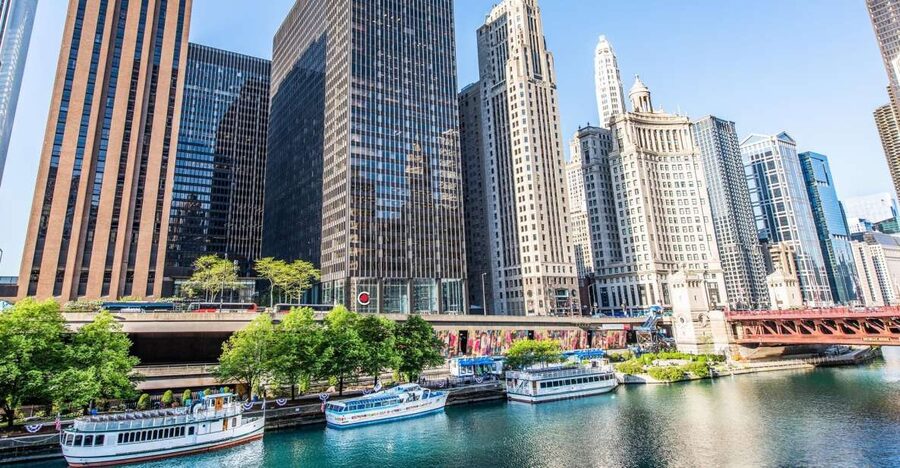
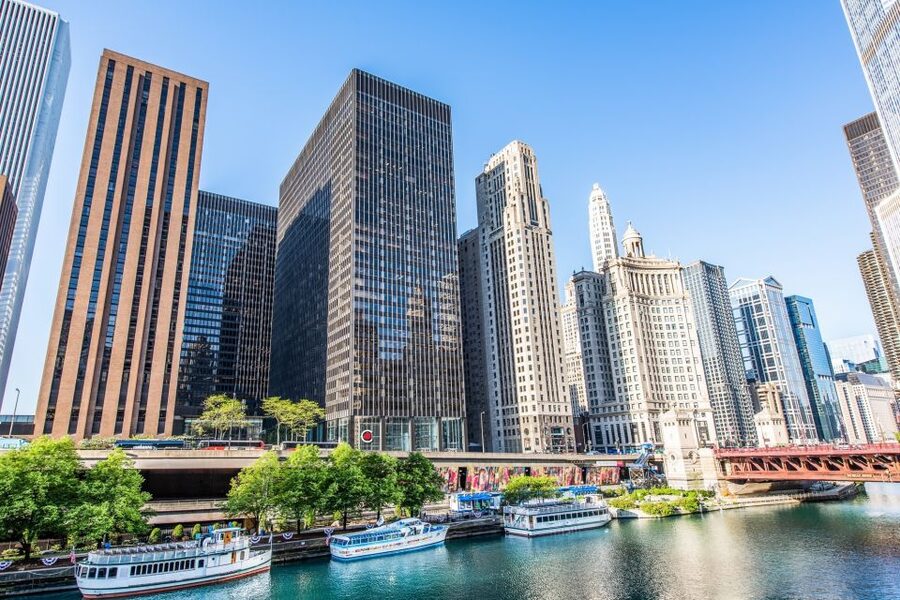
The Chicago River is the tour’s great visual advantage. The River Walk gives you a changing view of the water, bridges, towers, and street level, with plenty to look at as the guide explains how the riverfront developed.
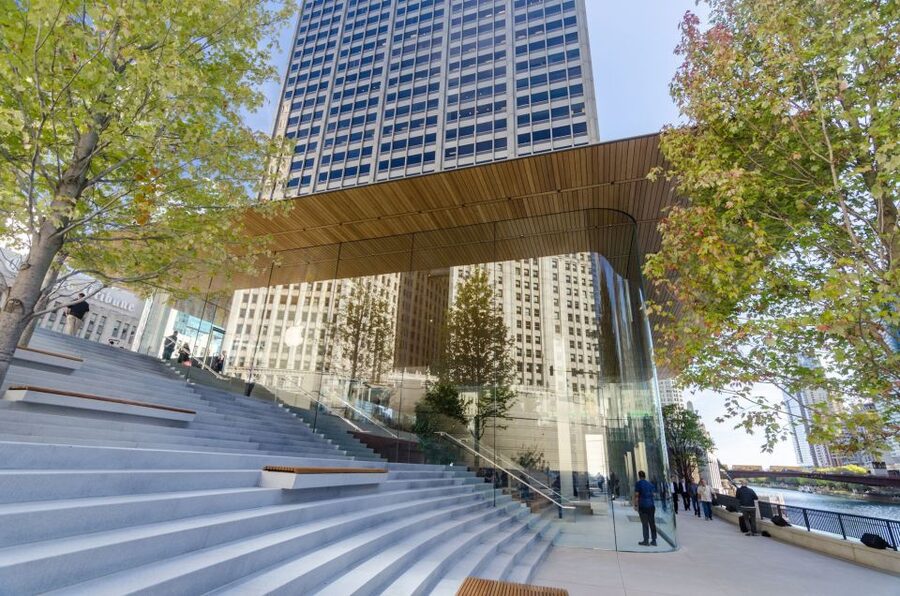
The route highlights modern structures lining the river, including the IBM Building. From this setting, you can see how individual buildings work as part of a larger city wall. The view is not only about one architect’s work. It is about how different decades, materials, and design ideas meet along the same public corridor.
I like this part of the experience because the River Walk keeps the tour moving. You are not standing in one plaza trying to picture a building’s effect on the city. You are walking through the scene and seeing how towers change as your viewpoint shifts.
The route also gives you a chance to connect architecture with public space. A skyscraper can be impressive on its own, but its entrance, setback, riverfront edge, and relationship with neighboring buildings affect how you experience it. The guide’s job is to help you notice those connections.
Wear comfortable shoes. The tour covers the route on foot, and the walk continues in wet weather. A June outing received high marks despite drizzle, which tells you something practical: rain does not automatically ruin the experience, but you should dress for it. There are no refunds because of weather.
More architecture walks in Chicago:
- Chicago in a Day: Food, History & Architecture Walking Tour
★ 5.0 · 1,153 reviews - Chicago’s Secret Interiors Architectural Walking Tour
★ 5.0 · 635 reviews - Chicago: Secret Interiors Architecture Walking Tour
★ 4.9 · 498 reviews - Chicago Architecture Walking Tour: Incredible Art Deco Interiors
★ 5.0 · 85 reviews
Marina City and Bertrand Goldberg’s bold idea
Marina City is one of the tour’s major highlights. Its unusual form makes it easy to recognize, but the important point is what the design says about city living.
Bertrand Goldberg created a building that does not fade into the background. Its rounded towers challenge the straight-sided box that many people associate with the modern office skyscraper. Seeing it from the riverfront gives you a useful view of its shape and its place in the city.
The tour’s focus on Goldberg also broadens the story beyond Ludwig Mies van der Rohe. Chicago Modernism was not a single look produced by one architect. It included different responses to housing, work, transportation, public life, and the limits of urban space.
Marina City is a good reminder that Modernism could be expressive as well as restrained. Some modern buildings reduce form to a precise grid. Others use repetition and curved geometry to create a strong visual identity. A good docent can help you see both as products of the same broad period without treating them as identical.
Because the tour is a walking overview, you should not expect an extended interior visit at Marina City. Its role here is to show you a major building from the public realm and explain why its design matters.
Mies van der Rohe, Harry Weese, and the modern city
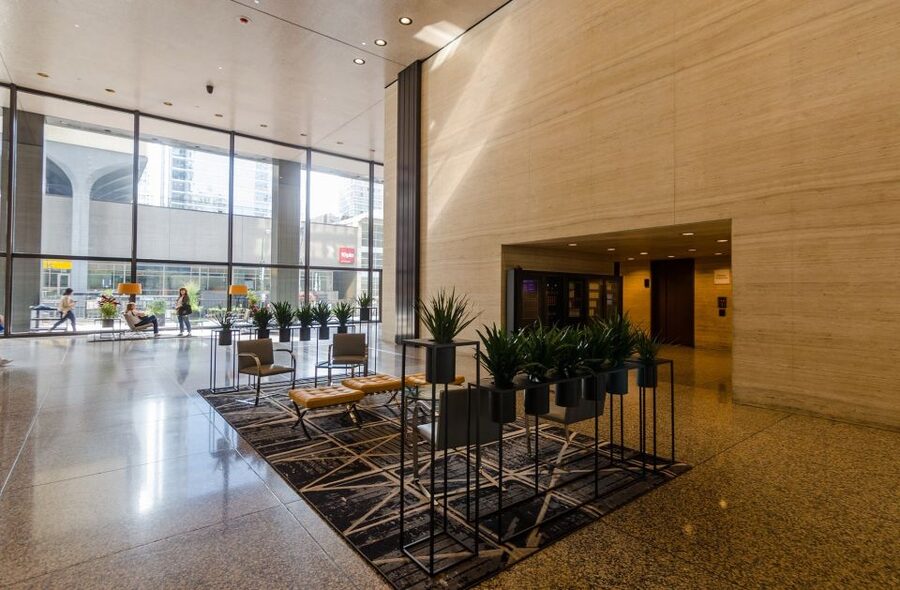
Ludwig Mies van der Rohe is one of the central figures on this tour. His work helped define a disciplined approach to modern architecture, with clear structure, simple materials, and a careful balance of steel and glass.
The tour also brings in Harry Weese, another important name in Chicago’s modern architectural story. Comparing different architects is more useful than hearing a single list of famous buildings. You can begin to ask why one tower feels quiet and ordered while another makes a louder visual statement.
The route highlights the lasting impact of Mies and also examines the role of Mayor Richard J. Daley in shaping Chicago. That combination is valuable. Buildings do not appear through design alone. Political decisions, planning priorities, investment, and public policy help determine what gets built and how the city changes.
This is one of the tour’s strongest ideas: architecture is tied to power and civic ambition. The modern skyline reflects both architects’ visions and the city leadership that supported major construction and redevelopment.
The guide is a certified Chicago Architecture Center volunteer docent. Docents receive hundreds of hours of training in Chicago architecture and local history, and they are expected to tell stories rather than simply recite facts. No individual guide names are provided for this experience, so the quality of presentation may vary by docent, but the training program gives the tour a solid foundation.
The Daley Center and IBM Building
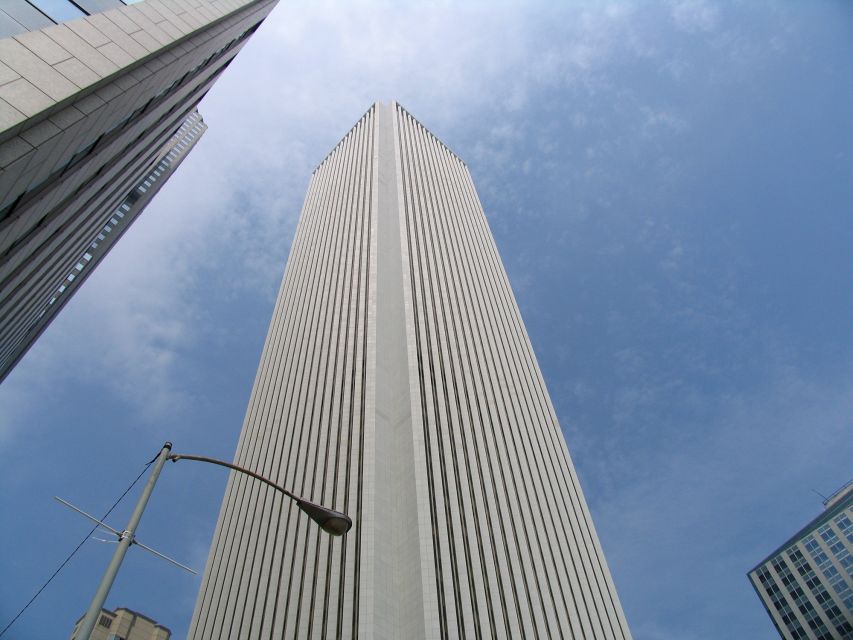
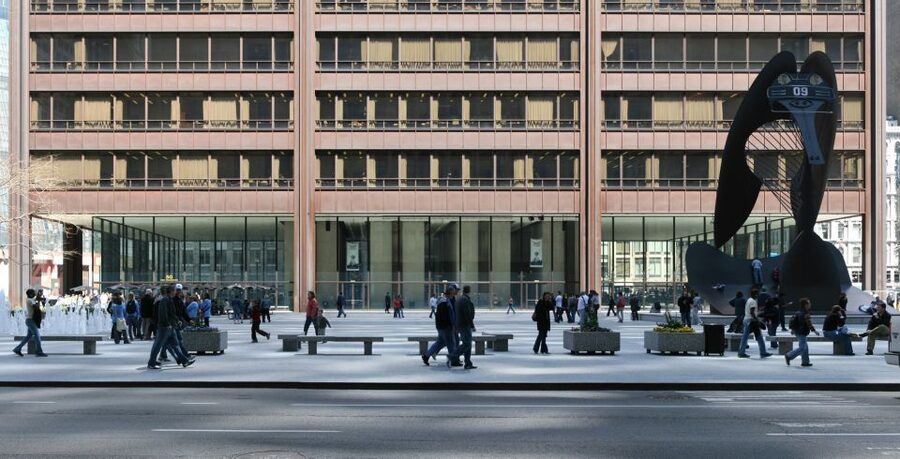
The Daley Center and IBM Building show two different sides of the modern city. The Daley Center has a civic role, while the IBM Building represents the corporate office tradition that shaped much of the central business district.
The Daley Center is especially useful for understanding how Modernism entered public life. A civic building has to communicate more than efficiency. It must also express authority, openness, and the city’s idea of itself. Looking at it beside surrounding towers helps you see how architecture can make a public statement.
The IBM Building adds another layer to the riverfront story. Its presence helps explain the importance of corporate architecture in the modern era and the way glass-and-steel towers became symbols of business and technology.
Do not expect the tour to cover every major skyscraper in downtown Chicago. The selected buildings are used to make a point about Modernism, its roots, and its influence. If you want a full survey of the city’s architecture, you would need additional time or another Chicago Architecture Center program.
How much value do you get for $35?
The listed price is $35 per group up to one person. That wording makes the price especially worth checking carefully at booking, since the cost is presented by group rather than as a standard per-person ticket.
For that price, you receive a 90-minute guided walk, a certified docent, and admission to the Chicago Architecture Center’s new exhibits. The value is strongest if you want explanation and context, not just a route past well-known buildings.
A self-guided walk costs less in money, but it requires you to research the Reliance Building, Marina City, the Daley Center, the IBM Building, Mies van der Rohe, Goldberg, Weese, and Daley on your own. The paid tour saves that preparation and gives you someone to point out details that are easy to miss.
The value is also better for first-time visitors who want a clear introduction to Chicago’s modern architecture. If you already know the city’s architecture well, the 90-minute format may feel brief. You would still get the riverfront walk and exhibits, but the tour may repeat ideas you have studied elsewhere.
The strong 5/5 rating from six ratings supports the tour’s appeal, and a June experience remained worthwhile in drizzly weather because the information carried the outing. Still, ratings cannot change the practical limits: it is English only, outdoors, and focused on a defined group of buildings.
Who will enjoy this walking tour most?
I would choose this tour for you if you like cities, design, engineering, or urban history and want a guided introduction without spending half a day on architecture. It also works well for anyone who has looked at Chicago’s skyline and wanted to understand how it developed.
It suits adults and older children who can follow a walking route and enjoy listening while looking at buildings. The subject is broader than office towers, so it can appeal to people interested in furniture, product design, cars, or fashion as well.
The tour is wheelchair accessible, which makes it a practical option for many visitors. You should still plan for outdoor conditions and check current availability for a suitable starting time.
I would hesitate to book it if you dislike walking in poor weather, need luggage storage, or want a full interior tour of each building. The tour departs rain or shine, and large bags and strollers cannot be stored.
The English-only format also matters. You need to be comfortable following a live guide in English to get the full benefit of the explanations.
Practical planning for the 90-minute route
Meet inside the Chicago Architecture Center at 111 E Wacker Drive and arrive ready to walk. Since there is no hotel pickup or drop-off, arrange your own way to the meeting point.
Leave luggage at your accommodation or another secure location. The Center does not offer storage for luggage or strollers, and there is no coat check. Pets are not allowed, except for service animals.
Wear comfortable shoes and check the forecast. The route is outdoors, and there is no refund for weather. A light rain jacket, an umbrella that does not interfere with the group, and layers can make a major difference, though those specific items are your choice.
You can cancel up to 24 hours in advance for a full refund. The reserve-now, pay-later option also lets you hold a place without paying at the time of booking, which is useful when your Chicago schedule is still shifting.
Should you book Chicago’s Modern Skyscrapers Guided Walking Tour?
Book it if you want a short, focused explanation of why Chicago changed the world of tall-building design. The combination of the Reliance Building, the River Walk, Marina City, the Daley Center, and the IBM Building gives you a clear route through the development of Modernism.
The best reason to go is the docent. You get context about structure, politics, materials, and urban growth while seeing the buildings in their real setting. The Center exhibits add useful background, and your ticket supports local architecture education.
Skip it if you need a fully indoor activity, extensive building interiors, or luggage storage. For everyone else, this is a smart 90-minute introduction, especially if you plan to spend more time along the Chicago River after the walk.
FAQ
Where does the tour meet?
Check in inside the Chicago Architecture Center at 111 E Wacker Drive, Chicago, Illinois 60601.
How long does the walking tour last?
The tour lasts 90 minutes.
What language is the tour given in?
The live tour guide speaks English.
What is included in the price?
The experience includes the walking tour, a certified Chicago Architecture Center docent, and admission to the Chicago Architecture Center’s new exhibits.
How much does the tour cost?
The listed price is $35 per group up to one person.
Can I cancel for a full refund?
Yes. You can cancel up to 24 hours in advance for a full refund.
Does the tour run in bad weather?
Yes. Tours depart rain or shine, and there are no refunds because of weather.
Can I bring luggage or a stroller?
No. Secure storage for luggage or strollers is not available, and there is no coat check.
Is the tour wheelchair accessible?
Yes, the activity is listed as wheelchair accessible.
Just added around Chicago
- Private Chicago Architecture Tour★ 5.0 · 5 reviews
- Private Frank Lloyd Wright Architectural Tour by Luxury Vehicle★ 3.5 · 7 reviews
- Chicago Luxury Minibus City Tour and Architecture River Cruise★ 4.5 · 8 reviews
- Small Group History And Architecture Walking Tour of Chicago★ 4.5 · 8 reviews
- Private Chicago Architecture Walking Tour★ 5.0 · 6 reviews
- Chicago History and Architecture Walking Tour with Boat Cruise★ 4.5 · 10 reviews
- Chicago: Evolution of the Skyscraper Walking Tour★ 4.9 · 10 reviews
- Chicago Walking Tour: See Inside Art Deco Masterpieces★ 4.9 · 8 reviews
Skyscraper Tours, compared.
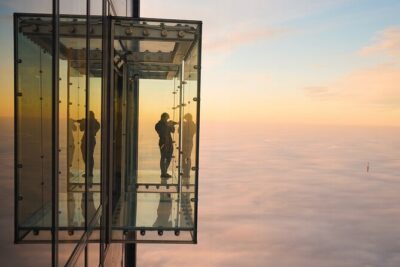
Chicago Premium Driving Tour with River Boat Cruise and Sky Deck
Read our review →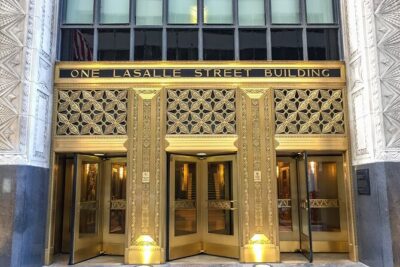
Chicago Walking Tour: Art Deco Skyscrapers Loop
Read our review →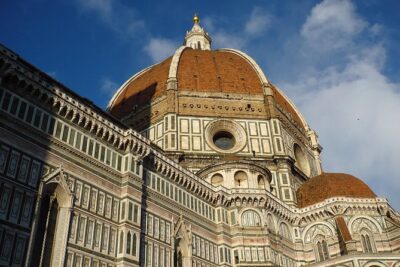
Florence Skyline from the Top of Brunelleschi’s Dome
Read our review →
Chicago Walking Tour: Art Deco Skyscrapers Riverfront
Read our review →
Walking Tour: Chicago’s Loop – Home of the Modern Skyscraper
Read our review →

3-Hour Shanghai Bund Swift Tour with River Cruise or Skyscraper
Read our review →Browse the lists this tour appears in