Review · ARCHITECTURE TOURS
Casbah of Algiers : Guided tours Architecture and Urban plan
The best part of this Casbah tour is the way it links architecture with daily life. An architect specializing in heritage leads you through medieval lanes, Ottoman-era buildings, mosques, museums, and sea-facing streets, explaining not just what you see, but why the city grew in this unusual form.
I like the visit to a traditional house with a patio, where lunch and tea turn a building lesson into a human experience. I also like the small private-group format and the guide’s language choice: French, Arabic, English, or Spanish. Zineb, an architect with heritage experience, has been praised for clear English and careful detail.
The main consideration is stamina. The route includes steep or narrow streets, many walking stops, and nearly six hours of scheduled sightseeing before you count breaks and movement between sites. Transportation is not included, and water is your responsibility.
Key points at a glance
- An architect leads the walk: Learn how Casbah buildings, streets, courtyards, and urban districts fit together.
- Lunch takes place in a traditional home: A patio house and a traditional meal with tea add a personal side to the architecture.
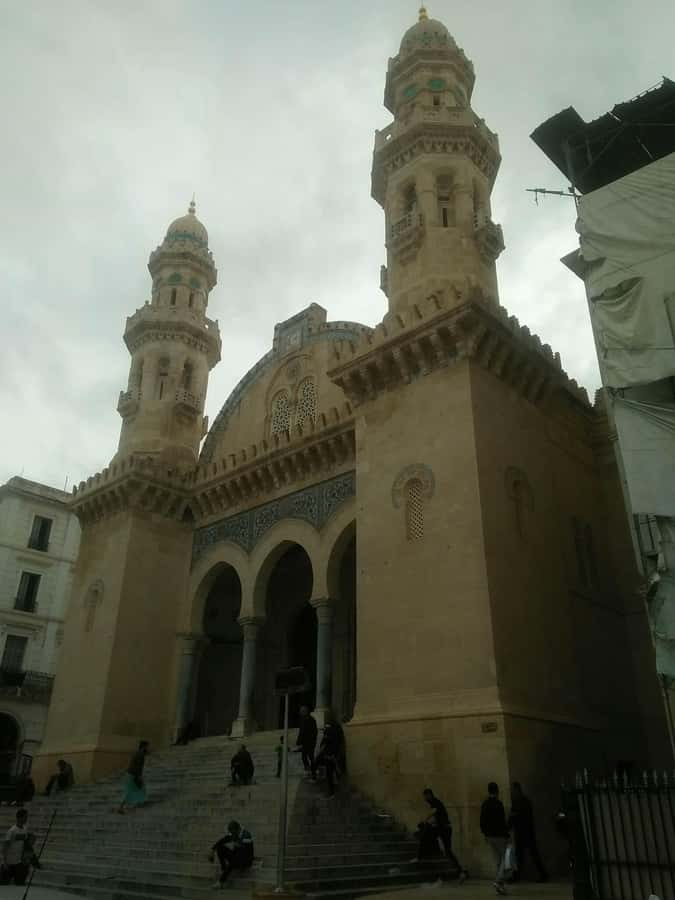
- The route covers major landmarks: See the Palace of the Dey, Ketchaoua Mosque, Dar Mustapha Pacha, the Great Mosque, and Raïs Palace.
- Battle of Algiers sites are included: The Ali la Pointe Museum and nearby streets connect the Casbah to a major chapter of modern Algerian history.
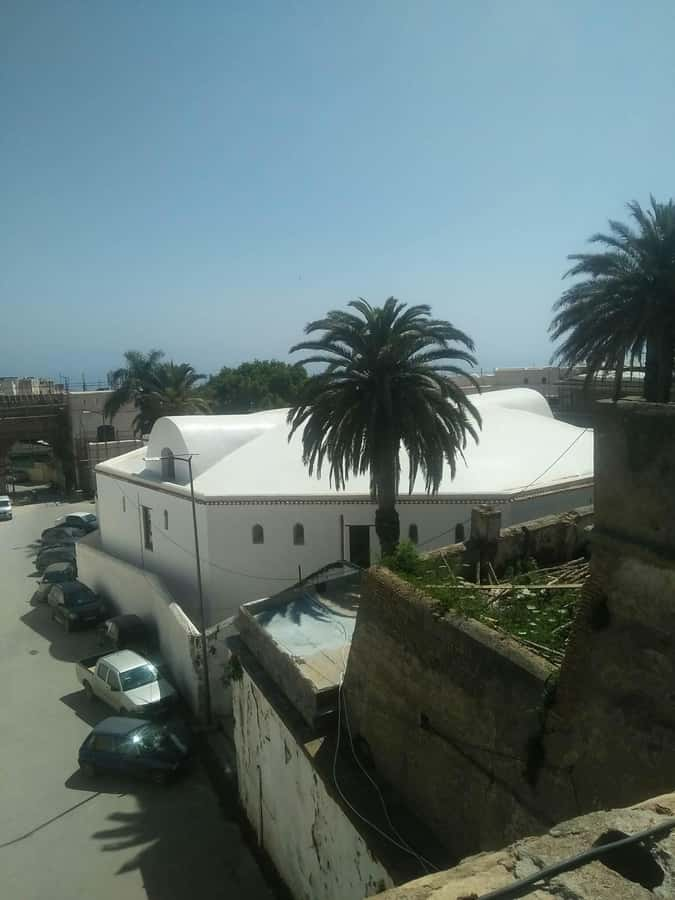
- Sea views appear between the lanes: Openings toward the water give you welcome pauses in the tight medieval street plan.
- It is a private-group experience: You receive a more personal guide rather than joining a large crowd.
Why an architect changes the Casbah visit
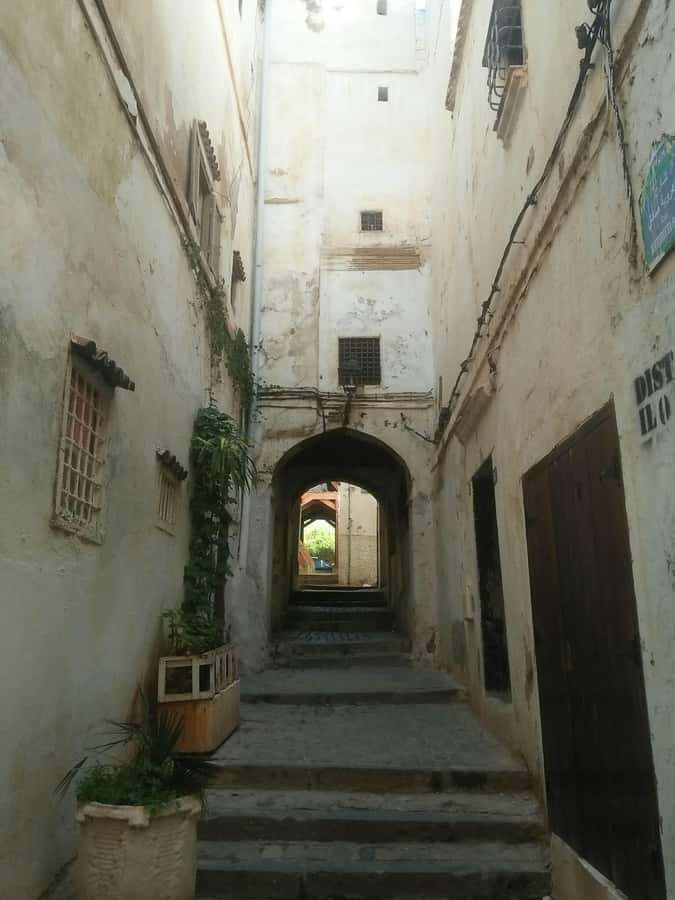
The Casbah is not best understood as a string of handsome buildings. It is a city system. Streets narrow and widen, homes turn inward toward patios, public buildings mark important routes, and openings toward the sea provide sudden changes in light and view.
That is where an architect guide can add real value. You’ll look at the shape of the streets, the arrangement of homes, and the way different urban fabrics meet. The tour also addresses protection measures, an important subject in a historic district where preservation and everyday life must share the same space.
The guide’s focus is not limited to one period. You’ll hear about political, social, cultural, and urban changes across time. The result should suit you if you want more than a quick photo walk. It is especially useful if you enjoy seeing how buildings reflect the people who used them.
The route is also designed to keep the Casbah connected to ordinary activity. Shops appear along the walk, and the sea comes into view at selected openings. Those details matter because they help you see the district as a living town, not a preserved shell.
More guided tours in the world:
- Chicago River: 1.5-Hour Guided Architecture Cruise
★ 4.8 · 8,046 reviews - Charleston: History and Architecture Guided Walking Tour
★ 4.8 · 349 reviews - Vienna: Spanish Riding School Guided Architectural Tour
★ 4.8 · 333 reviews
Starting by the statue of Bologhine ibn Ziri
The meeting point is beside the Statue of Bologhine ibn Ziri, near Barbarossa Prison. Look for a guide wearing a white cap. This detail is useful because the Casbah has a dense street pattern, and a clear meeting marker saves time at the start.
The statue gives the tour a fitting beginning. From there, the guide sets up the story of Algiers and the Casbah’s growth. You are not simply pointed toward the next monument. You begin with the city’s development and then follow that story through streets, religious buildings, homes, palaces, and museums.
Wear comfortable shoes. The route is on foot, and the scheduled visits add up to about five hours and forty-five minutes, not counting transitions, lunch, or pauses. You should also bring water because bottles are not included.
Palace of the Dey and the first look at power
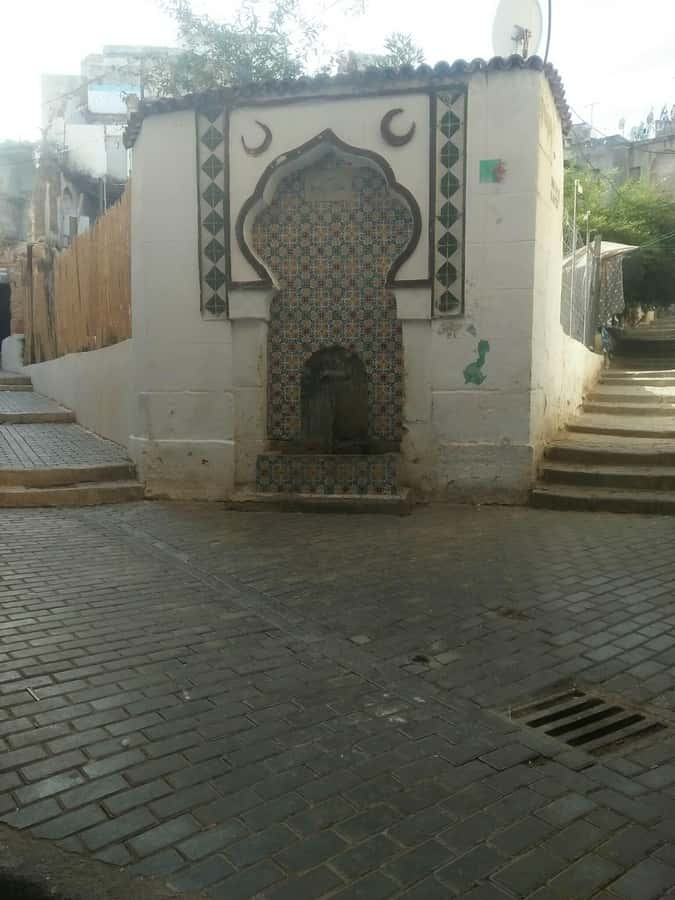
The Palace of the Dey receives about an hour, making it one of the longest stops. That extra time is welcome. A palace can look impressive in a photograph, but the guide’s architectural explanation helps you read its rooms, courtyards, and relationship to the surrounding district.
This is also where the political side of the Casbah becomes more visible. The tour places buildings within the city’s changing power structure, so the palace is not treated as an isolated attraction.
You’ll have time for photographs, a guided visit, and sightseeing. If you prefer a fast-moving list of monuments, an hour here may feel long. If you like details about form, use, and urban setting, it is one of the most useful portions of the day.
Stah El Bahdja and Sidi Ramadan Mosque
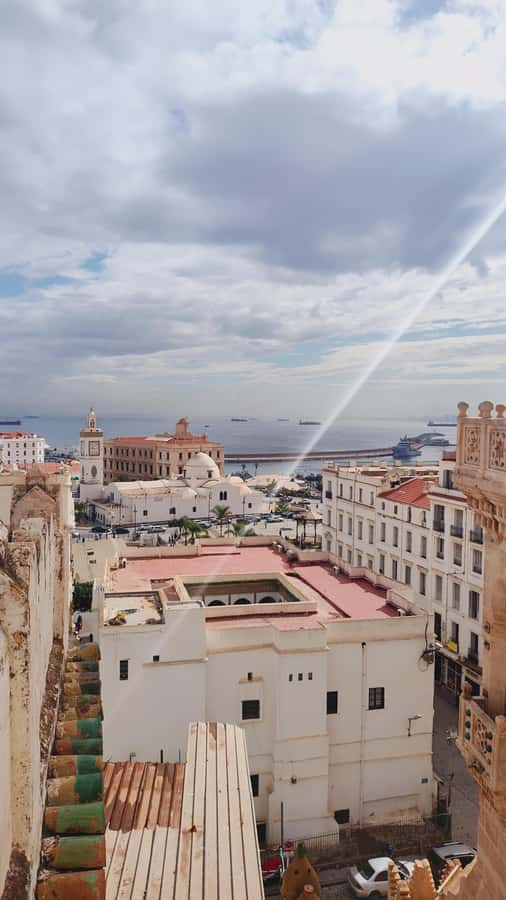
The stop written as ستاح البهجة lasts about 45 minutes and combines a photo stop, walking, and guided sightseeing. The route through this part of the Casbah shows how much of the experience happens outdoors, in the relationship between the buildings and the lanes.
The guide can explain the different urban fabrics as you move through the district. Look for changes in street width, building fronts, and the way views open toward the sea. These are small clues, but they make the medieval town plan easier to understand.
Next comes Sidi Ramadan Mosque, with about 30 minutes for a guided walk and sightseeing. The mosque adds a religious and community dimension to the route. It also gives you another chance to compare a public place of worship with the inward-facing layout of traditional homes.
The pace is steady rather than rushed. You should expect short stops, explanations, and continued walking instead of long periods sitting in one place.
A few more architecture tours around the world worth a look
- Chicago Architecture River Cruise
★ 5.0 · 15,756 reviews - Chicago River 90-Minute Architecture Tour
★ 4.5 · 9,629 reviews - Chicago Architecture Center River Cruise aboard First Lady
★ 5.0 · 5,536 reviews - Chicago: Architecture River Cruise Skip-the-Ticket Line
★ 4.8 · 4,325 reviews
Sidi Abderrahmane and the Ali la Pointe Museum
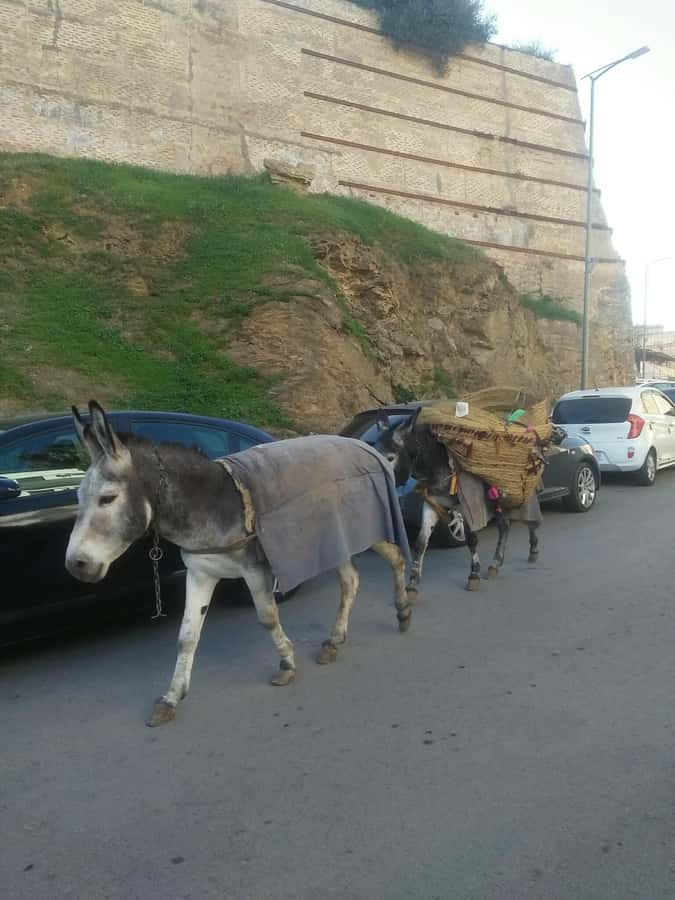
The visit to Meqam Sidi Abderrahmane lasts about 30 minutes. This stop brings another layer of religious importance to the Casbah and breaks up the longer sequence of architectural visits.
The Ali la Pointe Museum follows, also with about 30 minutes. The surrounding district is tied to a major scene from the Battle of Algiers, and the museum gives the modern political story a clear place within the older city.
This pairing is one of the route’s strengths. You move from religious memory to twentieth-century political memory without leaving the Casbah. The guide’s broader approach helps connect those moments to changes in the city’s social and urban life.
The museum visit is not a long standalone museum session. Thirty minutes gives you a focused look, while the walk between locations helps place the material in its setting.
Ketchaoua Mosque and two historic houses
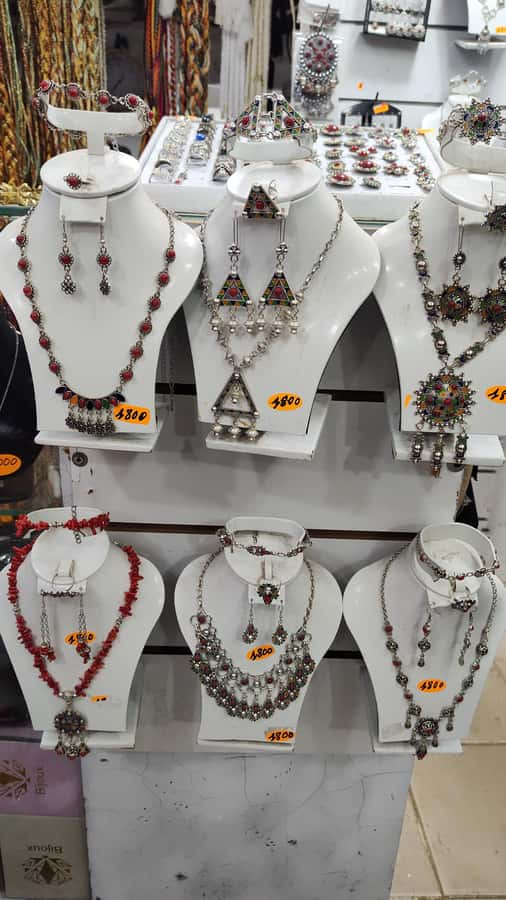
Ketchaoua Mosque receives another 30-minute guided walk. This is one of the major religious landmarks on the route, and its position within the Casbah makes it useful for understanding how important buildings shape movement through the district.
Dar Mustapha Pacha comes next, with about 15 minutes. The visit is short, so expect a compact look rather than a long architectural study. It works well as part of the wider sequence, particularly after the longer palace and mosque visits.
The National Museum of Arts and Popular Traditions also receives about 15 minutes. This stop shifts attention toward craft, household life, and cultural practice. Its short duration means you will need to stay focused, but it gives the day a useful balance between grand buildings and everyday traditions.
The tour does not treat architecture as decoration alone. It asks you to consider how people lived, moved, gathered, and used these spaces. That is a more helpful way to understand the Casbah than collecting a list of façades.
Lunch inside a traditional patio house
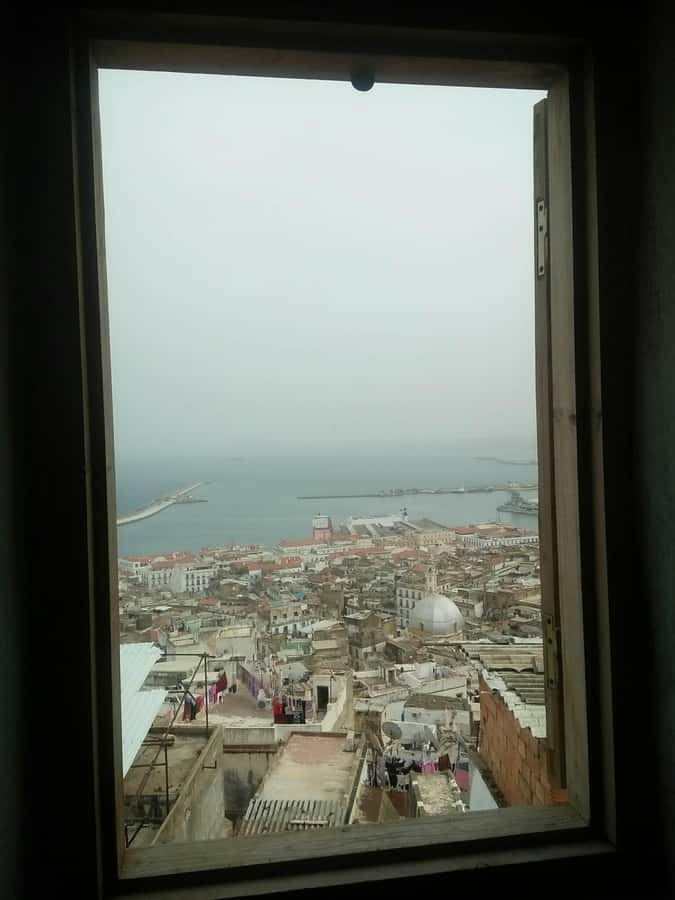
The traditional house visit is the most personal part of the experience. You’ll see the type of home associated with the old Casbah, including its patio, and hear how the layout worked.
The inward-facing patio is especially important. It helps explain how a house can remain private while still organizing family life around a shared central space. An architect guide can point out the logic of the rooms and the connection between domestic design and the wider street plan.
Lunch is included, along with tea. That makes this more than a quick meal stop. The food is used to introduce local culture and history through culinary traditions, giving you a change of pace after several formal visits.
Lunch also adds value to the $69 price. A separate meal, museum admissions, and a private architect-led tour could quickly cost more if arranged independently, though exact local prices for those alternatives are not provided. The fair way to view this package is as a full guided day with entry tickets and food already handled, not simply as a walking tour.
Street food and extra drinks are not included. You may buy them separately, but bring water from the start.
Raïs Palace and the sea-facing route
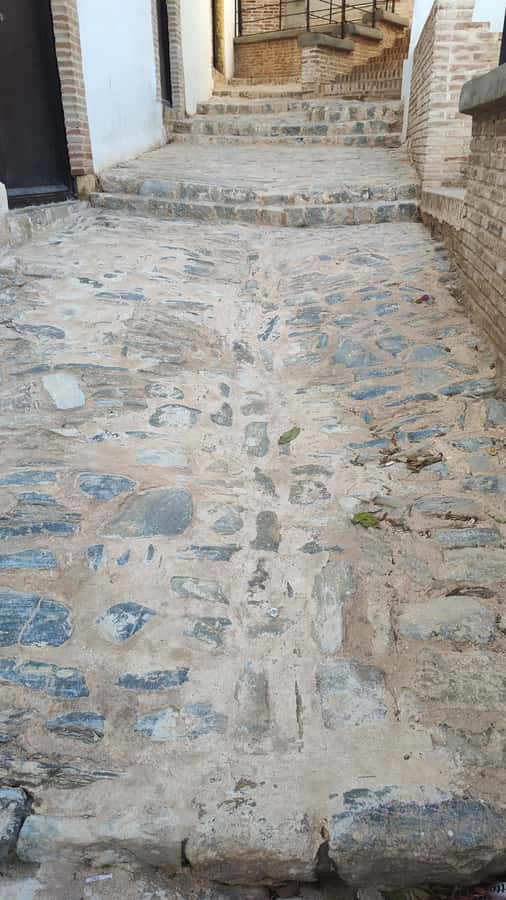
Raïs Palace receives about 30 minutes for a visit, guided sightseeing, photographs, and walking. It is one of the route’s strongest architectural stops because it brings the palace tradition back to the sea-facing side of the Casbah.
The walk between sites matters here. Narrow streets can feel enclosed, then suddenly open toward the water. Those views are among the most memorable parts of the route, and they also help explain the city’s position and orientation.
You’ll pass shops along the way. This is useful because the Casbah is not presented as a silent museum district. The route keeps you close to ordinary street activity, which makes the architecture easier to place in real life.
If you want uninterrupted photography, the guide’s explanations may slow you down. That is the trade-off. This experience is built around interpretation, not around racing from one viewpoint to the next.
The Great Mosque and Martyrs’ Square
The Great Mosque is the final major sightseeing stop, with about 30 minutes of walking and explanation. By this point, you’ll have seen several types of religious, political, domestic, and cultural buildings. The mosque helps bring those threads together within the larger city plan.
The tour finishes at Martyrs’ Square. Ending there gives the route a clear urban conclusion rather than returning you to the starting point. You should plan your onward arrangements from Martyrs’ Square because transportation is not part of the experience.
The ending also suits the tour’s central idea. You begin with a historic figure and a discussion of the city’s growth, then finish in one of Algiers’ important public spaces after crossing the Casbah on foot.
What $69 includes and what it does not
At $69 per person, the price is strongest for someone who wants a structured day and values expert explanation. The fee includes:
- An architect-led guided tour
- Entry tickets to the museums and Citadel
- A traditional meal with tea
- A private-group format
- Guide service in French, Arabic, English, or Spanish
You still pay for transportation, souvenirs, water bottles, and street food. There is no need to budget for the listed museum and Citadel admissions, but you should plan for your own route to the meeting point and away from Martyrs’ Square.
The private format may be the biggest value point. You can ask about building types, protection measures, or the city’s political changes without competing with a large group. The available feedback is limited, with two verified ratings, but both gave the experience five stars. One especially useful detail is that Zineb was praised for clear spoken English, extensive detail, and a generous number of sights.
The tour also offers free cancellation up to 24 hours before the start and a reserve-now, pay-later option. Those terms are helpful if your Algiers schedule may change, but check the available start times before booking.
Who will enjoy this most
I would choose this tour if you want the Casbah explained by someone trained to read buildings and city plans. It suits visitors who enjoy history, heritage protection, religious architecture, urban design, and local food in equal measure.
It is also a good fit if you want a private experience in English, French, Arabic, or Spanish. The route covers enough ground to give you a serious introduction to the district rather than a brief orientation.
You should think twice if you dislike extended walking, narrow streets, or a schedule with many short stops. The experience is not built around easy vehicle access or long periods of rest. People over 95 are specifically listed as not suitable for the activity.
Should you book the Casbah architecture tour?
Book it if you want the Casbah to make sense as a city, not just as a collection of old sights. The architect-led explanations, traditional house visit, included meal, museums, and sea views give the day a strong mix of ideas and experiences.
Skip it if your priority is independent wandering with no fixed pace, or if you already know the Casbah’s architecture and urban story well. For most first-time visitors who want context, the $69 cost is reasonable, especially with admissions and lunch included. Bring good shoes, water, and enough curiosity to look up from the street and study how the whole district fits together.
FAQ
How long does the Casbah tour last?
The activity is valid for one day. The scheduled stops total about five hours and forty-five minutes, before allowing for walking between sites, lunch, and other pauses.
Where does the tour begin?
Meet beside the Statue of Bologhine ibn Ziri, near Barbarossa Prison. The guide will be wearing a white cap.
Where does the tour finish?
The route finishes at Martyrs’ Square.
Is transportation included?
No. Transportation to the meeting point and away from the finish is not included.
Is lunch included?
Yes. A traditional meal with tea is included, served during the visit to a traditional house.
Which languages are available?
The live guide can provide the tour in French, Arabic, English, or Spanish.
Are museum and Citadel entrance tickets included?
Yes. Entry tickets to all listed museums and the Citadel are included.
Can I cancel the booking?
You can cancel up to 24 hours in advance for a full refund. A reserve-now, pay-later option is also available.
Just added around the world
- Wilmington History and Architecture Tour★ 4.8 · 18 reviews
- Washington, DC: Georgetown Architecture Walking Tour★ 5.0 · 8 reviews
- New Orleans : Garden District Architecture Walking tour★ 4.8 · 5 reviews
- Washington DC: Dupont Circle & Embassy Row Architecture Tour★ 5.0 · 6 reviews
- Vicenza: discovering the city of Palladio by e-bike★ 5.0 · 4 reviews
- Vicenza: Palladian Architecture Private Walking Tour★ 3.3 · 3 reviews
- Walk & Discover KL’s Architectural and Heritage Gems★ 5.0 · 7 reviews
- Unveiling Brno: History, Culture & Architectural Delights★ 5.0 · 2 reviews
Guided, compared.
Barcelona: Sagrada Familia Entry Ticket with Audio Guide
Read our review →
Chicago River: 1.5-Hour Guided Architecture Cruise
Read our review →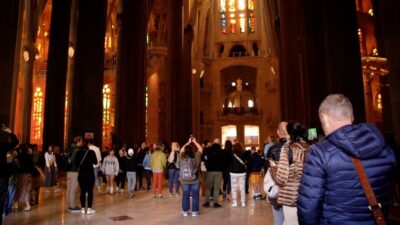
Barcelona: Sagrada Familia Skip-the-Line Guided Tour
Read our review →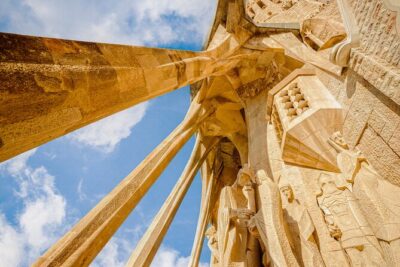
Barcelona: Sagrada Familia Priority Access Guided Tour
Read our review →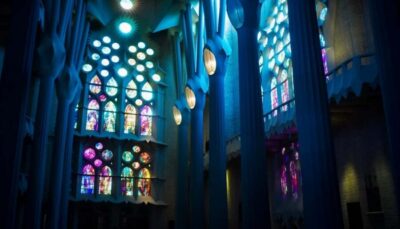
Barcelona: Sagrada Familia Guided Tour with Tower Access
Read our review →Barcelona: Sagrada Familia Skip-the-Line Guided Tour
Read our review →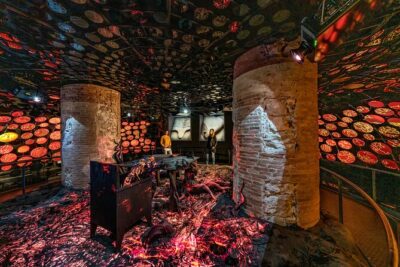
Casa Batllo Admission Ticket with Intelligent Audio Guide
Read our review →