Review · ARCHITECTURE TOURS
Ancient Burana Tower (Architectural wonder of Central Asia)
The Burana Tower is a rare surviving piece of medieval Central Asia, rising from the remains of Balasagun about 70 kilometers from Bishkek. You will see an 11th-century minaret, a small museum, carved stone figures, petroglyphs, and the broad Tien Shan range behind it. The tower is not a complete ancient city, but its lonely setting gives the visit real force.
I like two things in particular: the tour puts the tower in its wider setting, with balbals and petroglyphs that make the site more than a single photo stop, and the small-group format, limited to 12 people, allows room for questions. Guides such as Tariel, Alex, Azamat, and Ernest have helped make the history easier to follow.
The main drawback is the travel time and price. At $76 per person, this is not the cheapest way to spend half a day, and some bookings may operate as private tours rather than shared group trips. You also need to allow roughly 5.5 hours from start to finish.
Key Points Before You Book
- Burana Tower dates from the 11th century: It is the most important surviving structure at ancient Balasagun and one of the Chui Valley’s major historic sites.
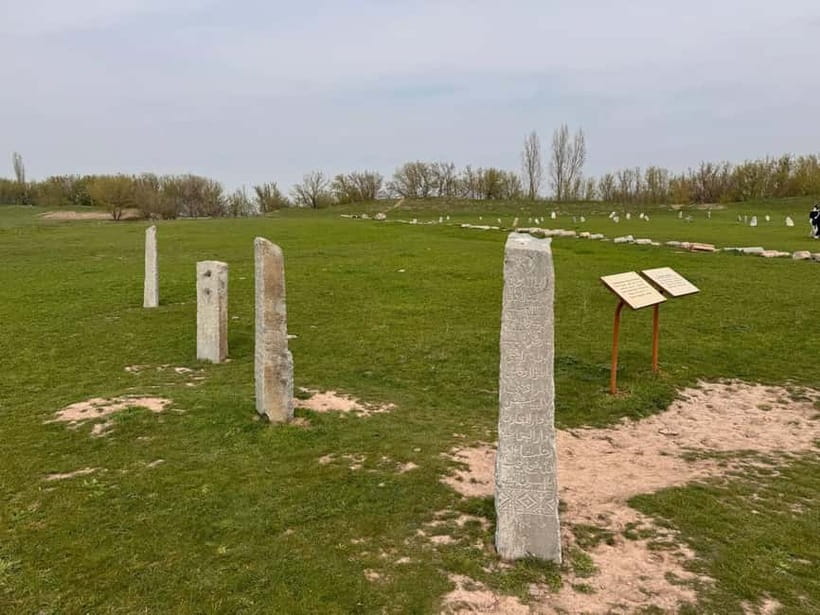
- The stone collection is part of the main attraction: You will see balbals, petroglyphs, grinding stones, and other carved remains near the tower.
- The Tien Shan create the best photo backdrop: Clear weather can give you mountain views behind the tower and the surrounding grounds.
- The drive takes about 90 minutes each way: That makes this a half-day outing rather than a quick stop outside Bishkek.
- The guide matters: English, Urdu, and Russian are offered, with named guides including Tariel, Alex, Azamat, and Ernest.
- The tour returns to the Kyrgyz Republic Flag: Pickup and drop-off are arranged from the Paramount Kyrgyz Republic Flag meeting point.
What Burana Tower Tells You About Balasagun
The tower is all that remains above ground of Balasagun, an ancient city that once occupied an important place in the Chui Valley. The city formed part of the Kalahandi khaganate between the ninth and 11th centuries, and the tower gives you a direct link to that period.
Balasagun was ransacked by the Mongols in 1218. By the 14th century, the city had been destroyed and left in disrepair. That means you are not walking through a fully preserved medieval center with streets and intact buildings. Instead, you are reading the site through its surviving tower, stone carvings, museum objects, and the shape of the surrounding grounds.
That partial survival is worth understanding before you go. If you expect a vast archaeological city, the visit may feel modest. If you want one strong historic monument paired with a useful introduction to medieval Kyrgyzstan, it works well.
The tower is also tied to the spread of Islam in the region. As an ancient minaret, it helps explain how Islamic religious architecture entered the area and became part of the local cultural story. Your guide is important here, since the remains alone cannot explain the shifts in religion, power, and trade that shaped Balasagun.
A few more architecture tours around the world worth a look
- Chicago Architecture River Cruise
★ 5.0 · 15,756 reviews - Chicago River 90-Minute Architecture Tour
★ 4.5 · 9,629 reviews - Chicago River: 1.5-Hour Guided Architecture Cruise
★ 4.8 · 8,046 reviews
The Drive From Bishkek to the Chui Valley
The tour begins at the Paramount Kyrgyz Republic Flag. From there, transport takes you toward Tokmok and the Burana site, around 70 kilometers from Bishkek and about 12 kilometers from Tokmok.
Allow about 90 minutes for the drive in each direction, based on the timing described by one participant. That is a fair amount of time for a site visit lasting about 2.25 hours, but the journey is part of the outing. You leave the capital behind and reach a quieter historic setting with the Tien Shan in view.
I would treat the drive as a reason to plan your day carefully. The full activity lasts 5.5 hours, so it fits neatly into a morning or afternoon if your schedule is not too tight. It is less suitable if you have only a few hours in Bishkek or need to catch a flight soon after returning.
The vehicle is described as clean, and guides may contact you before the tour to confirm the pickup time and meeting place. Tariel, for example, used WhatsApp to confirm details in advance. That sort of message is useful, especially when you are arranging transport in an unfamiliar city.
Food and drinks are not included. Bring water and consider eating before departure, since the tour description does not promise a meal stop. One early start included a coffee stop arranged by guide Alex, but you should not treat that as a guaranteed part of every departure.
Arriving at the 11th-Century Minaret
Burana Tower is the central stop. It is the largest minaret in the Chui Valley, and its brick form rises above the trees and open ground around the former city.
The structure has been damaged over time, so it is not an untouched medieval monument. Even so, its age and isolated position make it impressive. You can look at it from ground level, photograph it against the mountains, and, if you are comfortable with tight spaces, climb inside.
The climb is not for everyone. One person who joined the tour chose not to go up because of claustrophobia. That is a useful warning: decide based on your own comfort, not on the assumption that climbing is required. The tower is still worth seeing from outside, and you will have other features to explore on the grounds.
Inside, the route can feel narrow and enclosed. If you do climb, take your time and use the visit as a short architectural experience rather than a race to the top. The main reward is the view and the sense of the tower’s height, not a large interior room or a grand staircase.
Your guide will usually explain the tower’s place in Balasagun and the surrounding history before allowing free time. That balance is helpful. You get a framework first, then time to take photographs, walk around, and look more closely at the details.
Balbals, Petroglyphs, and Grinding Stones
The stone collection gives the visit much of its character. Near the tower, you can see balbals, carved stone figures traditionally associated with memorials and the cultures of Central Asia. Their faces and weathered surfaces make them more memorable than a row of anonymous ruins.
You will also see petroglyphs and grinding stones. These objects broaden the story beyond the medieval tower. They point to daily life, ritual, and older layers of human activity in the region.
The petroglyphs deserve patient attention. They are not a large wall of drawings, so do not expect an enormous rock-art complex. Their value comes from seeing them in the same historic setting as the tower and the stone figures. Ask your guide to explain what the markings represent and how they fit into the history of the area.
The grinding stones are equally useful for making the past feel practical. A tower can seem distant and ceremonial. A tool used for processing food connects the site to ordinary work and everyday life.
This is where the guided format earns its keep. Without context, you may notice shapes and carvings but miss why they matter. Guides speak English, Urdu, and Russian, and the strongest parts of the visit come when they connect each object to Balasagun’s wider story.
Same city, a completely different century:
- Chicago Architecture Center River Cruise aboard First Lady
★ 5.0 · 5,536 reviews - Chicago: Architecture River Cruise Skip-the-Ticket Line
★ 4.8 · 4,325 reviews - Chicago River 45-Minute Architecture Tour from Magnificent Mile
★ 4.5 · 2,924 reviews - Barcelona: Sant Pau Recinte Modernista Entry Ticket
★ 4.6 · 2,567 reviews
The Small Museum and Yurts
The on-site museum is small, so set your expectations accordingly. It is a compact stop rather than a major regional collection. Still, it helps place the outdoor objects in context and gives you a break from the open grounds.
You may also visit yurts during the stop. The yurt visit adds a cultural element to the stonework and minaret, giving you a look at a traditional form of Central Asian shelter. Tariel’s tour included explanations inside the museum and yurts, as well as small souvenir stamps.
That kind of detail can make the half-day feel more complete. You are not simply driving to a tower, taking a photo, and leaving. You are seeing several connected parts of Kyrgyzstan’s past: religious architecture, carved memorial stones, rock art, tools, museum objects, and traditional structures.
Still, the museum and yurts should be viewed as supporting stops. The tower and the archaeological grounds are the main reason to come. If you prefer large museums with extensive displays, you may find this section brief.
Getting the Best Tien Shan Photos
The mountain view is one of the strongest reasons to visit Burana Tower rather than study photographs of it in Bishkek. The Tien Shan range forms a dramatic background, especially when visibility is good.
The best image usually combines the tower, open ground, and mountains rather than treating the minaret as an isolated object. Give yourself time to walk around and try more than one angle. The trees, stones, and tower can create different compositions, while the mountain backdrop gives the monument a clear sense of place.
Weather matters. The tour requires weather-appropriate clothing, and conditions can change during the drive. Wear practical shoes and bring layers. The site includes walking and outdoor sightseeing, so you will get more from it if you are comfortable in the open air.
Photography is not a side issue here. The setting explains why the tower has such appeal. It is a single surviving structure in a wide valley, with a major mountain range behind it. That contrast is the visual memory you are most likely to carry home.
How the Guide Shapes the Experience
The guide is the difference between a pleasant monument stop and a worthwhile history lesson. Tariel received especially strong marks for clear English, detailed explanations, advance communication, and a clean car. Alex helped with an early coffee stop and added an entertaining style to the history.
Azamat and Ernest are also named guides associated with the experience. The guide languages are English, Urdu, and Russian, so check that your preferred language is available when you choose a departure.
A guide should explain more than dates. You want to understand why Balasagun mattered, how the tower related to Islamic religion in the region, what the balbals represent, and why the site declined after the Mongol attack and later destruction.
The tour includes free time as well as guided sightseeing. I prefer that arrangement because it lets you hear the essential story without having every minute controlled. You can then photograph the tower, inspect the stones, or browse for a souvenir at your own pace.
Group size is limited to 12 people, though the exact format may vary. One booking turned out to be private, with hotel pickup, while the advertised arrangement is a small group. If having a shared group is important to you, confirm the setup before paying.
Is $76 a Fair Price?
At $76 per person, the cost includes transport from Bishkek, an English-speaking guide, museum entrance, and the historical explanation that ties the site together. You are paying for a half-day trip with a long return journey, not just admission to the tower.
The value depends on how easily you can arrange transport on your own. If you would otherwise need to hire a car and driver, the included vehicle and guide may make the price reasonable. If you are traveling on a very tight budget, the fee may feel high for one main monument and a small museum.
The private-tour possibility also affects the value. A private car can be a pleasant surprise if you want flexibility and direct access to the guide. It can feel less attractive if you expected to share the cost with a larger group.
Compared with other day trips from Bishkek, this is a focused historical outing. A national park may offer more varied scenery and more time outdoors, but Burana gives you something different: medieval architecture, Islamic history, ancient stones, and a clear connection to the old city of Balasagun.
Who Should Book This Tour?
I would choose this tour if you want a manageable introduction to Kyrgyzstan’s historical sites from Bishkek. It suits you if you enjoy ruins, religious architecture, carved stones, mountain views, and guided explanation.
It is also a good choice for a second day in the area, especially if you have already visited a national park and want a change of pace. The combination of the tower, petroglyphs, balbals, grinding stones, museum, and yurts gives the outing more variety than the tower alone.
You may want to skip it if your schedule is very short, you dislike long drives for a single main sight, or you are looking for a large archaeological complex. The site is important, but it is not fully restored, and the museum is small.
People with claustrophobia should know that climbing the tower is optional. The grounds remain worthwhile from below. The activity is wheelchair accessible, although the outdoor historic setting may still require you to ask the operator about the exact access arrangements for each part of the visit.
Free cancellation is available up to 24 hours before departure, and you can reserve now and pay later. Bring a passport or identity card, with a copy accepted, and wear clothing suited to the weather. Alcohol and drugs are not allowed, and the activity is not suitable for people over 95.
Should You Book Burana Tower?
Book it if you want a compact, guided history trip with strong mountain views and more than one historic feature. The tower is the headline, but the balbals, petroglyphs, grinding stones, museum, and yurts make the stop feel worthwhile.
At $76, it is best value when you appreciate included transport and a guide who can explain the site in detail. If you find a private departure, decide if that added space is worth the price. For a first look at medieval Central Asia from Bishkek, Burana Tower makes a sensible half-day choice, provided you are comfortable with the drive and modest scale of the ruins.
FAQ
How long does the Burana Tower activity last?
The full activity lasts 5.5 hours. The main visit to Burana Tower and the surrounding site is scheduled for about 2.25 hours.
Where does the tour start and finish?
It starts and returns to the Paramount Kyrgyz Republic Flag.
How far is Burana Tower from Bishkek?
Burana Tower is about 70 kilometers from Bishkek. It is approximately 12 kilometers from Tokmok.
Which languages are available for the guide?
Guides are available in English, Urdu, and Russian.
Is climbing Burana Tower required?
No. Climbing is optional. You can visit the tower from the outside and explore the surrounding grounds if you do not want to enter the narrow interior.
What should you bring?
Bring weather-appropriate clothing and a passport or identity card. A copy of the passport or identity card is accepted. Food and drinks are not included, so plan accordingly.
Just added around the world
- Wilmington History and Architecture Tour★ 4.8 · 18 reviews
- Washington, DC: Georgetown Architecture Walking Tour★ 5.0 · 8 reviews
- New Orleans : Garden District Architecture Walking tour★ 4.8 · 5 reviews
- Washington DC: Dupont Circle & Embassy Row Architecture Tour★ 5.0 · 6 reviews
- Vicenza: discovering the city of Palladio by e-bike★ 5.0 · 4 reviews
- Vicenza: Palladian Architecture Private Walking Tour★ 3.3 · 3 reviews
- Walk & Discover KL’s Architectural and Heritage Gems★ 5.0 · 7 reviews
- Unveiling Brno: History, Culture & Architectural Delights★ 5.0 · 2 reviews
Architecture Tours, compared.
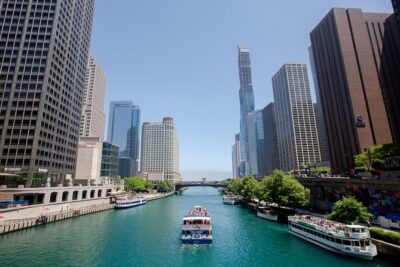
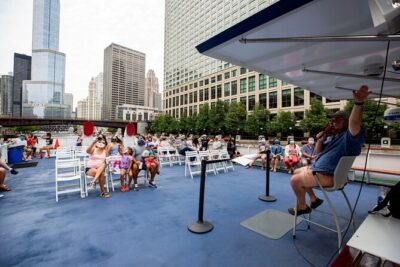
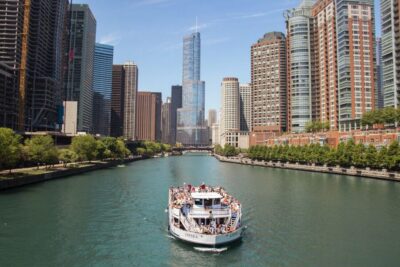
Chicago River: 1.5-Hour Guided Architecture Cruise
Read our review →
Chicago Architecture Center River Cruise aboard First Lady
Read our review →
Chicago: Architecture River Cruise Skip-the-Ticket Line
Read our review →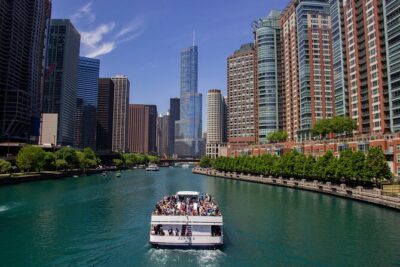
Chicago River 45-Minute Architecture Tour from Magnificent Mile
Read our review →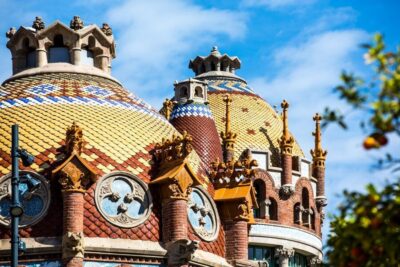
Barcelona: Sant Pau Recinte Modernista Entry Ticket
Read our review →