Review · ARCHITECTURE TOURS
Brasov: Candlelight Tour of Medieval Architecture
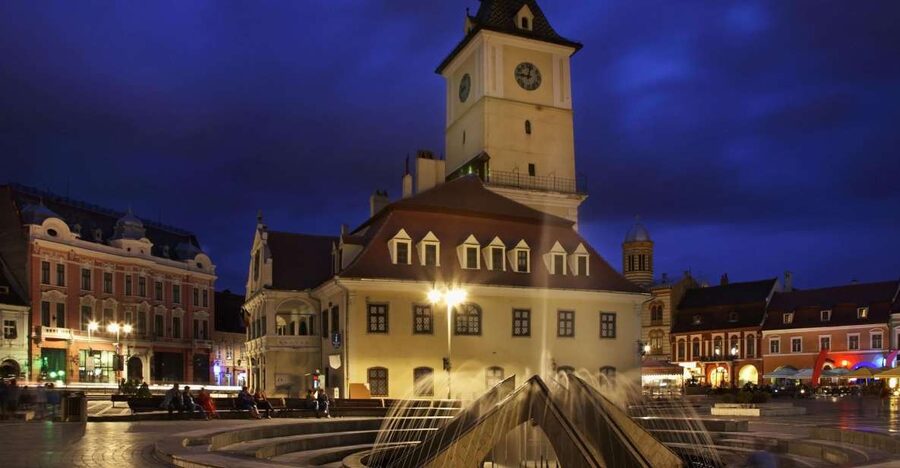
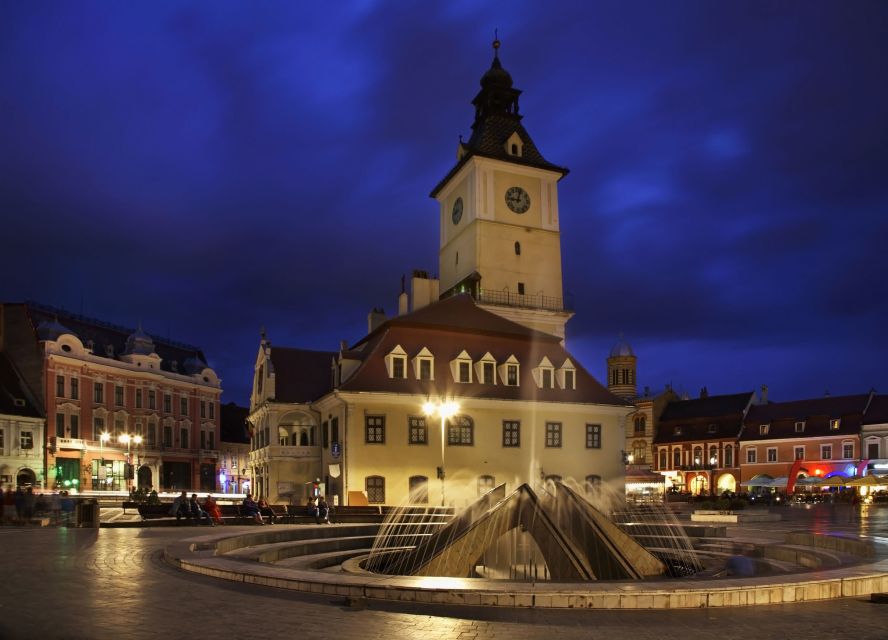
Brașov becomes a different city after sunset. Streetlights pick out the old walls, church towers, narrow lanes, and medieval gates, while a local guide connects them to centuries of Romanian, Saxon, Jewish, and Orthodox life. Guides such as Dan and Tibi bring plenty of personal detail, especially Dan, who has lived in Brașov all his life.
I like the local point of view and the easy route through the old town. I also like that the tour mixes major sights with smaller details, from Rope Street to personal stories about school, family, and daily life in Brașov.
The main consideration is the title. Do not expect a candle in your hand at every stop, and do not book this only for ghost tales. Some people get a strong history walk with personal anecdotes rather than supernatural stories, and darkness can make some details harder to see.
Key points to know before you book
- A local guide makes the difference: Dan has led many of these walks, and several guides have lifelong ties to Brașov.
- The route covers the old town’s big sights: Expect the Black Church, Katherine’s Gate, Schei Gate, St. Nicholas’ Cathedral, Weaver’s Bastion, the synagogue, and Rope Street.
- The evening setting is atmospheric: Illuminated buildings and quiet lanes give the city a different mood, though darkness can hide architectural details.
- Ghost and vampire stories are part of the theme: The amount of supernatural material depends on the guide and the group’s questions.
- You pay $47 for 1.5 hours: That is fair if you want a guided introduction with context and conversation, but less attractive if you prefer to explore quickly on your own.
- Wear proper shoes and warm layers: The walk runs in rain or shine, and Brașov can feel cold after dark.
Starting in Piața Sfatului
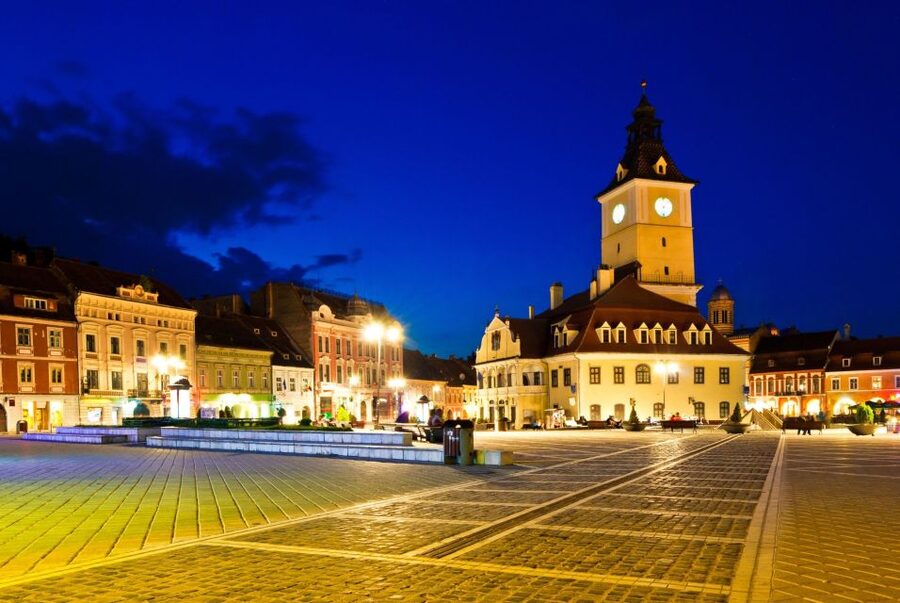
The tour begins at Piața Sfatului, Brașov’s main square, in front of the History Museum at number 30. This is a sensible meeting point because the square gives you an immediate view of the city’s old center, with historic façades gathered around an open public space.
Your guide starts with Brașov’s past before leading you into the streets. That opening matters. Instead of seeing the old town as a collection of pretty buildings, you get a basic sense of how the city developed and why different religious and cultural communities left their mark here.
The meeting point is easy to find, but one visitor had a minor problem locating it. I would arrive a few minutes early and look specifically for the History Museum rather than simply searching for the square. That small bit of planning avoids a rushed start.
A few more architecture tours around the world worth a look
- Chicago Architecture River Cruise
★ 5.0 · 15,756 reviews - Chicago River 90-Minute Architecture Tour
★ 4.5 · 9,629 reviews - Chicago River: 1.5-Hour Guided Architecture Cruise
★ 4.8 · 8,046 reviews
The Black Church after sunset
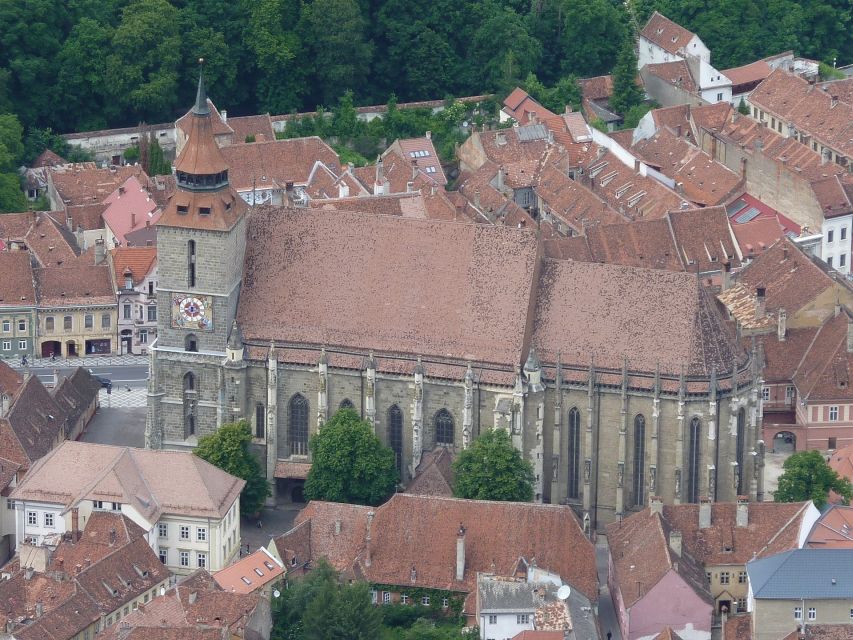
The first major stop is the Black Church, one of Europe’s largest Gothic-Baraque churches. Its scale gives the walk an early focal point, and its dark stone exterior works especially well in evening light.
The tour focuses on the building and its place in Brașov’s story. You should not assume that you will go inside. The activity is an outdoor walking tour, and the church may be closed at night, so the value here comes from the guide’s explanation and the exterior view.
This is also where a good guide earns the fee. A bare sightseeing walk can leave you admiring the façade without understanding it. Dan, who grew up in Brașov, is praised for linking different periods of the city’s past and for explaining how the town changed over time. Other guides have added personal memories and local details rather than repeating a standard script.
Medieval gates and the old city walls
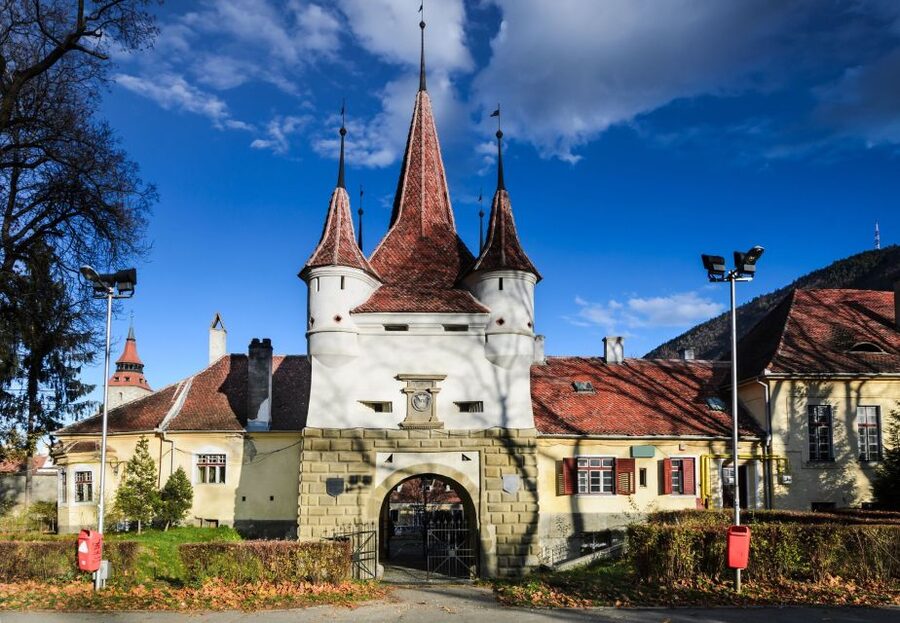
From the church, the route follows narrow paths toward Katherine’s Gate. Built in the 14th century, it is one of the clearest reminders that Brașov was once a fortified town with controlled entrances.
The walk then continues to Schei Gate, built almost 200 years ago. Seeing both gates on one evening helps you compare different stages of the city’s growth. Your guide can explain how movement in and out of the old center was shaped by walls, neighborhoods, and changing communities.
This section is best for people who like urban history in manageable pieces. You are not given a long lecture in one place. Instead, the story unfolds as you walk, with the streets themselves providing the setting.
The route is on foot, so comfortable shoes are important. The supplied information does not give a total walking distance, but the tour crosses several parts of the old center and can run longer than the advertised 1.5 hours in some cases. One private group received close to two hours, though that may depend on group size, weather, and conversation.
St. Nicholas’ Cathedral and the Schei district
St. Nicholas’ Cathedral is described as Brașov’s most important Orthodox cathedral. It gives the tour a useful contrast with the Black Church, both in religious tradition and in the story of the communities that shaped the city.
You will see the cathedral from the outside unless your guide confirms that entry is possible. Since this is an evening walk, opening hours may limit what you can visit indoors. Still, the stop helps you understand that Brașov is not only a medieval Saxon town preserved for photographs. Its identity also includes Orthodox life and the Schei area beyond the old fortified center.
This is one of the tour’s strongest features. The itinerary moves beyond the most famous central square and presents Brașov as a place with several cultural layers. Guides who grew up locally can add a sense of how those places function in ordinary life, not just how they appear in a guidebook.
Same city, a completely different century:
- Chicago Architecture Center River Cruise aboard First Lady
★ 5.0 · 5,536 reviews - Chicago: Architecture River Cruise Skip-the-Ticket Line
★ 4.8 · 4,325 reviews - Chicago River 45-Minute Architecture Tour from Magnificent Mile
★ 4.5 · 2,924 reviews - Barcelona: Sant Pau Recinte Modernista Entry Ticket
★ 4.6 · 2,567 reviews
Weaver’s Bastion and the practical side of fortifications
Weaver’s Bastion is presented as one of the largest 14th-century buildings in the city. The name points to the old craft associations that played a part in defending and organizing Brașov.
At night, the bastion can feel more imposing than it does in daylight. Shadows help you imagine the old defensive purpose, though they also make it harder to inspect stonework and architectural details. If you want close views of every feature, return during the day.
I like this stop because it gives the tour a solid historical anchor. The walk is not only about legends and pretty streets. Fortifications explain how the city worked, who controlled access, and why certain routes and gates mattered.
The Jewish Synagogue and a wider view of Brașov
The Jewish Synagogue, built in 1901, adds another important layer to the walk. Its presence reminds you that Brașov’s story includes a Jewish community alongside its Saxon and Romanian traditions.
The tour does not promise an interior visit, and an evening route means you should mainly expect an exterior explanation. Even so, it is a worthwhile inclusion because it broadens the picture of the city. You see that Brașov’s past cannot be reduced to castles, Dracula stories, and medieval walls.
This stop also shows why the guide’s style matters. A guide who simply names the building gives you a quick fact. A guide who connects it to the city’s communities and later changes gives you a clearer sense of place. The strongest feedback describes guides who welcome questions and admit when they do not know an answer, rather than forcing one.
Rope Street and the city’s ghost stories
Rope Street is described as Europe’s third-narrowest street. It is a quick but memorable stop, especially in the evening when the confined space feels more mysterious than a broad square.
This is where the vampire and ghost theme fits most naturally. Brașov sits in Transylvania, so supernatural stories are part of the city’s tourist appeal. The guide may use local legends to add atmosphere, but you should not expect a horror show or a guaranteed list of dramatic ghost encounters.
One person specifically found that the walk included many personal anecdotes but no ghost stories. That is not necessarily a flaw, but it tells you how to choose the tour. Book it for the combination of architecture, local history, and evening mood. Treat the vampire material as an extra, not the main product.
The lack of actual candlelight is another point to understand. The title suggests a torchlit or candle-led walk, but one account found that the city’s own lighting created the evening atmosphere and that there was no candle. You will still see illuminated lanes and façades, but the experience may feel like a night walking tour rather than a theatrical candlelit procession.
What the guides add to the walk
The most praised part of this experience is the guide. Dan appears repeatedly in the feedback, and his appeal is clear: he was born in Brașov, has lived there all his life, and explains the city through both facts and personal memories.
That can mean stories about where he went to school, where his mother worked, or how Brașov changed during his lifetime. One small group even received apples from his home area. Those details are not essential to the buildings, but they make the city feel lived in.
You may also get a guide named Tibi or another English-speaking local. The style can vary. Some guides focus on dates and architecture, while others spend more time on family stories and conversation. The walk becomes particularly personal when the group is small. On one occasion, only three people joined, and another group ended up with a private-style walk after weather and travel problems affected the original plan.
The guides also seem willing to adjust. One guide rearranged a meeting after a delayed flight and helped with a late hotel arrival. That kind of care is useful, though it is not something you should assume will happen on every booking.
Is $47 a fair price?
At $47 per person, this is not the cheapest way to see Brașov. You can walk through the central streets without a guide, and many of the exterior sights are easy to locate.
The price makes more sense if you value interpretation. You are paying for an English-speaking guide, a planned route, local stories, questions answered along the way, and a short introduction to several parts of the old town. A private or very small group can make the price feel better, especially if the guide adapts the walk to your interests.
The value is weaker if you mainly want photographs or expect entry into several buildings. The tour lasts 1.5 hours, and the church, cathedral, synagogue, and bastion may be exterior stops at night. You should also compare it with your own plans. If you already have a full daytime history tour, this evening walk may repeat some material.
For a first evening in Brașov, I find the price reasonable when the guide is strong. It gives you a useful orientation and can help you decide what deserves a second look the next day.
Weather, comfort, and accessibility
The walk runs rain or shine. Bring a rain layer in wet weather, and dress warmly in the colder months. Brașov can feel chilly after dark, and one visitor specifically advised bringing a jacket and something warmer.
Wear shoes with good soles. The route uses narrow urban paths, and you will be on your feet for the full walk. The experience is listed as wheelchair accessible, but the supplied details do not explain the exact surface conditions or how every narrow section is handled. If you use a wheelchair, confirm the route details before booking.
The tour is offered in English with a live guide. Free cancellation is available up to 24 hours before the start, and you can reserve now and pay later. Those terms are useful if your schedule depends on weather or changing day-trip plans.
Who should book this evening walk?
I would choose this tour for a first visit to Brașov, especially if you arrive late in the day and want a quick introduction before exploring on your own. It also suits families and couples who prefer stories and conversation to a formal museum lecture.
History fans will appreciate the mix of Gothic, Orthodox, Jewish, and defensive architecture. You will get more from it if you ask questions and enjoy hearing how a local sees his own city.
I would be more cautious if you want extensive interior visits, a strictly timed route, or a guaranteed ghost-story performance. The evening lighting creates mood, but it can hide details, and the candlelight and vampire elements may be lighter than the title suggests.
FAQ
Where does the Brașov candlelight tour meet?
The meeting point is Piața Sfatului number 30, in front of the History Museum in Brașov.
How long does the tour last?
The advertised duration is 1.5 hours. Some walks may run longer depending on the guide, group, weather, and conversation.
What language is the tour offered in?
The tour is offered in English with a live guide.
Which sights are included?
The route includes the old town square, the Black Church, Katherine’s Gate, Schei Gate, St. Nicholas’ Cathedral, Weaver’s Bastion, the Jewish Synagogue, and Rope Street.
Will I hear ghost and vampire stories?
Ghost and vampire stories are part of the tour theme, but the amount of supernatural storytelling can vary. The walk also focuses heavily on Brașov’s architecture, history, and local life.
Is there actual candlelight?
The tour is presented as a candlelight walk, but you may mainly see the city’s evening lighting rather than carry or follow a candle throughout the route.
Is the tour wheelchair accessible?
The activity is listed as wheelchair accessible. Since the route includes narrow streets and several outdoor historic areas, confirm the practical route details if you need specific accessibility support.
Should you book it?
Book it if you want a local introduction to Brașov after dark, with major sights, personal stories, and a little Transylvanian mystery. Dan and the other local guides appear to be the main reason the experience works so well.
Skip it if your priority is entering historic buildings or getting a full supernatural performance. For most first-time visitors, the best plan is to take the walk in the evening, use it to get your bearings, then return in daylight to see the architecture in detail.
Just added around the world
- Wilmington History and Architecture Tour★ 4.8 · 18 reviews
- Washington, DC: Georgetown Architecture Walking Tour★ 5.0 · 8 reviews
- New Orleans : Garden District Architecture Walking tour★ 4.8 · 5 reviews
- Washington DC: Dupont Circle & Embassy Row Architecture Tour★ 5.0 · 6 reviews
- Vicenza: discovering the city of Palladio by e-bike★ 5.0 · 4 reviews
- Vicenza: Palladian Architecture Private Walking Tour★ 3.3 · 3 reviews
- Walk & Discover KL’s Architectural and Heritage Gems★ 5.0 · 7 reviews
- Unveiling Brno: History, Culture & Architectural Delights★ 5.0 · 2 reviews
Architecture Tours, compared.
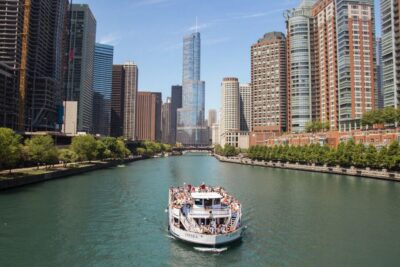
Chicago River: 1.5-Hour Guided Architecture Cruise
Read our review →
Chicago Architecture Center River Cruise aboard First Lady
Read our review →
Chicago: Architecture River Cruise Skip-the-Ticket Line
Read our review →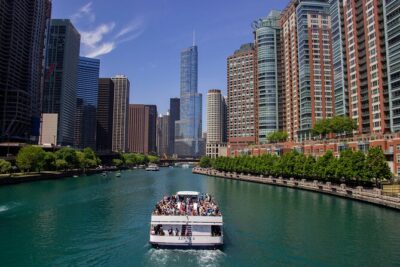
Chicago River 45-Minute Architecture Tour from Magnificent Mile
Read our review →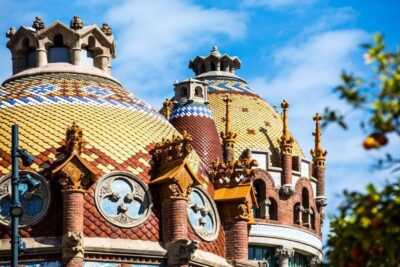
Barcelona: Sant Pau Recinte Modernista Entry Ticket
Read our review →