
Review · ARCHITECTURE TOURS
Bishkek : USSR History, Soviet Architects ,Statues & Mosaics
The most interesting part of this 4.5-hour Bishkek walking tour is the public art. Soviet mosaics cover ordinary buildings and civic spaces, turning a walk through the city into an open-air lesson in politics, design, and daily life from the 1960s through the 1980s.
I like the way the route connects Frunze-era city planning with real places you can still use today. I also like the focus on Lenin Square, Victory Square, statues, and architecture rather than a quick photo stop at one famous monument. Guides such as Anna, Alex, Sophia, and Axel have led this walk, with English among the available languages.
The main drawback is simple: you walk for most of the experience, and Bishkek’s broad avenues can mean plenty of pavement underfoot. Wear proper shoes, and remember that food, drinks, and insurance are not included.
Key points to know before booking
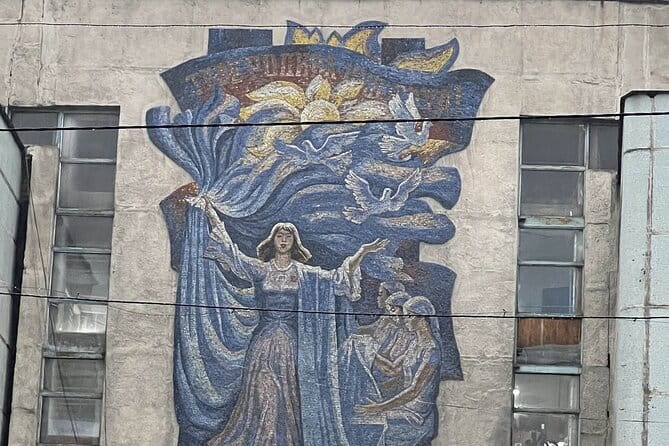
- Soviet mosaics from the 1960s to 1980s: Look closely at public art created to promote Soviet ideals while also brightening everyday streets and buildings.
- A city once called Frunze: Learn how Bishkek changed under Soviet rule and why the name of Bolshevik leader Mikhail Frunze lasted for more than sixty years.
- Lenin Square and Victory Square: The route links political power, public ceremony, remembrance, and monumental sculpture.
- A walking tour with several language options: English, Hindi, Pashto, Pushto, Urdu, Punjabi, and Russian guides are available.
- Useful for a first morning in Bishkek: One traveler arrived at 5 a.m. and began the tour at 8 a.m., using it to get oriented before exploring more of Kyrgyzstan.
- Good value at $45: You get 4.5 hours with a live guide, local food suggestions, and recommendations for other places in Kyrgyzstan.
Why Bishkek’s Soviet past is still visible
Bishkek can look leafy and spacious at first glance, but its city plan tells a more complicated story. Wide avenues, large squares, government buildings, apartment blocks, statues, and public art all point to decades of Soviet planning.
This tour helps you read that setting. You are not simply walking past old buildings. You are looking at how the Soviet system presented itself through architecture and art.
The city was known as Frunze for more than sixty years. Mikhail Frunze was a Bolshevik figure born in Bishkek, and his name became part of the city’s Soviet identity. The tour uses that name change to explain how Kyrgyzstan’s capital was reshaped during the Soviet period.
You also get some context from the earlier Russian imperial period. That matters because Bishkek did not begin as a Soviet city. The walk shows how later governments changed an existing place through new avenues, public squares, housing, monuments, and civic buildings.
I find this kind of tour most useful when a city’s history is not obvious from a single museum. In Bishkek, the evidence is outside, spread across the central streets. Your guide gives those buildings and empty spaces a political and social meaning.
More history tours in the world:
- Chicago in a Day: Food, History & Architecture Walking Tour
★ 5.0 · 1,153 reviews - Kuala Lumpur: Batu Caves & Historic Buildings Tour
★ 4.7 · 539 reviews - Charleston’s Best Highlights: History, Culture & Architecture
★ 5.0 · 422 reviews
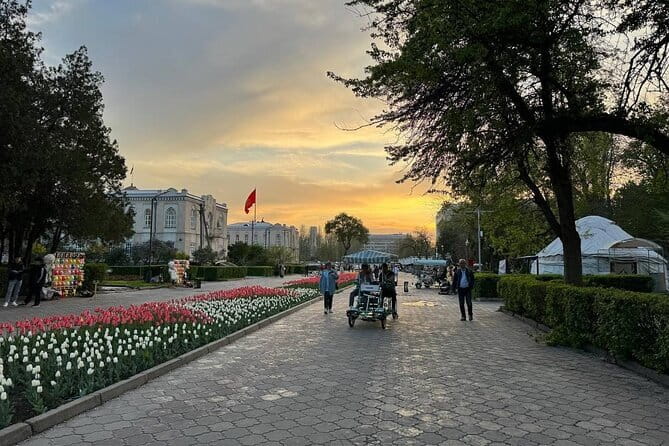
Beginning at the Kyrgyz Republic flag
The meeting point is by the Kyrgyz Republic flag, a practical place to begin a central walking route. You connect with the guide through WhatsApp so the exact meeting arrangements are clear and comfortable.
From there, expect a guided walk through the main central precinct. The sightseeing portion lasts about 3.75 hours, within a total activity time of roughly 4.5 hours. The route finishes back at the same flag meeting point.
That return to the starting place is useful if you plan to continue sightseeing, find lunch, or return to your accommodation afterward. Since there is no transport included, you should treat the tour as a city walk from start to finish.
The guide explains the important stops as you go. You can ask questions along the way, which is especially helpful when a building or statue would otherwise look like a plain piece of Soviet-era civic design.
Reading the mosaics of Soviet Bishkek
The mosaics are one of the strongest reasons to choose this tour. They were placed on public buildings during the decades from the 1960s to the 1980s, a period when Soviet public art often appeared on schools, work buildings, apartment blocks, and other shared spaces.
These works served two purposes. Some carried ideological messages connected to the Soviet system. At the same time, the art was meant to give citizens attractive surroundings in their everyday lives.
That double role makes the mosaics more interesting than simple political decoration. You can ask what a work says about labor, progress, education, community, or the ideal Soviet citizen. You can also look at the colors, scale, and placement. A mural on a public building was meant to be seen by people going to work, school, shops, or government offices.
The tour promises different parts of the city’s main mosaics rather than one isolated example. That gives you a better sense of how widespread this form of art was.
Bring sunglasses if the day is bright, and consider binoculars only if you like examining details higher on building walls. Goggles are also listed among suggested items, though the essential item is still a good pair of walking shoes.
One practical point: the information does not promise a fixed list of individual mosaics. The exact examples may depend on the route and the guide. If you have a special interest in Soviet art, ask at the start which mosaics you are likely to see.
Socialist Modernist buildings and broad avenues
Bishkek’s Soviet architecture is not limited to grand monuments. The city also preserves apartment buildings, civic structures, and public works designed during the Soviet period.
The tour looks at how architects used large forms, open areas, and broad avenues to create a planned capital. These spaces were made for public movement and official ceremony, not just for picturesque streets.
You will see how residential buildings built under Soviet rule continue to function under the Kyrgyz government. That is a useful reminder that history is not always preserved behind glass. Much of Bishkek’s Soviet building stock remains part of ordinary city life.
The route also helps you compare different types of Soviet architecture. Some buildings are formal and imposing. Others are more practical, designed to house or serve large numbers of people. The guide can point out how these choices fit the government’s goal of creating a modern socialist city.
Do not expect an architectural tour focused on interior access. The experience is conducted outdoors, and the description emphasizes viewing buildings, avenues, statues, and mosaics from the city streets. For many people, that is an advantage because the city itself becomes the exhibit.
Same city, a completely different century:
- Chicago Architecture River Cruise
★ 5.0 · 15,756 reviews - Chicago River 90-Minute Architecture Tour
★ 4.5 · 9,629 reviews - Chicago River: 1.5-Hour Guided Architecture Cruise
★ 4.8 · 8,046 reviews - Chicago Architecture Center River Cruise aboard First Lady
★ 5.0 · 5,536 reviews
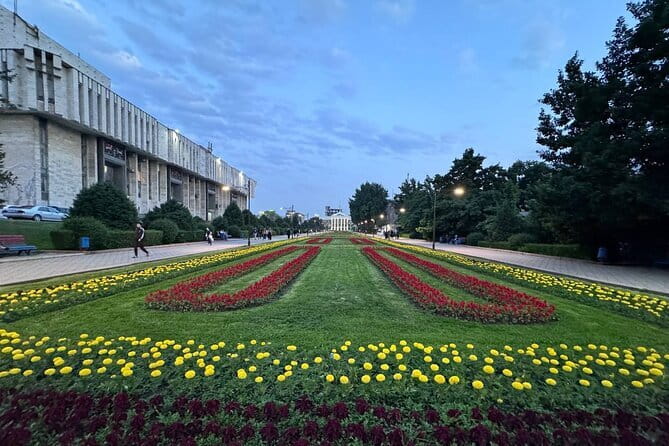
Lenin Square and the political center
Lenin Square is a key stop because it brings together architecture, public ceremony, and political history. The square was designed as an important civic space, and the Lenin statue once gave the area a clear ideological focus.
The route also includes the Lenin-associated museum and literary setting. This adds a cultural layer to the political story. You are not only hearing about a statue or a square, but about the institutions and public spaces that helped communicate Soviet ideas.
Your guide discusses Lenin, Karl Marx, and Friedrich Engels as major figures connected to the development of communism. The description refers to the historical role of these figures rather than presenting the monuments as neutral decoration.
This is where questions are especially worthwhile. Ask how public spaces were used, what changed after independence, and how Soviet symbols fit into modern Bishkek. The tour information does not promise an extended museum visit, so expect the emphasis to remain on the outdoor setting and guided explanation.
If you have limited time in Bishkek, Lenin Square offers a quick way to understand how political power was made visible. Its value is not just the statue itself. It is the relationship between the statue, the square, the surrounding buildings, and the public life organized around them.
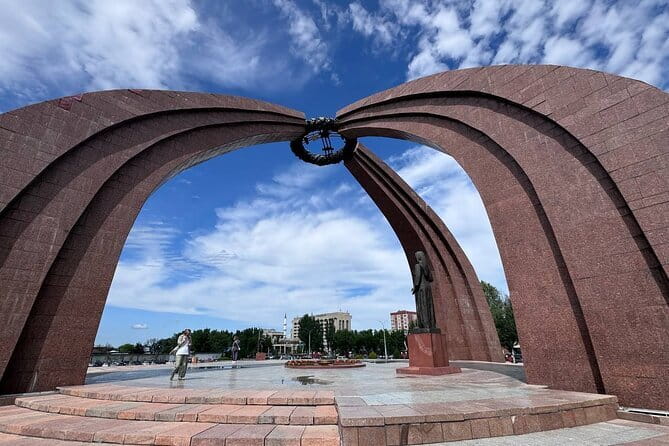
Victory Square, the Eternal Flame, and remembrance
Victory Square provides a different mood. Lenin Square is tied to political ideology and state power, while Victory Square centers on wartime memory and sacrifice.
The stop includes the Eternal Flame and statues of soldiers. These memorial elements honor those connected with victory in the Second World War and show how remembrance was expressed in Soviet public space.
Expect a quieter and more reflective part of the walk. The memorial is not only a monument to military success. It also shows how the Soviet state shaped shared memory through ceremony, sculpture, and carefully designed public places.
Your guide can help connect the memorial to the wider history of Soviet Kyrgyzstan. The experience does not list a separate ceremony or special event, so you should expect sightseeing and explanation rather than a formal presentation.
Victory Square also gives the route a useful balance. You see that Soviet city design was not only about offices, ideology, and government. It also made room for grief, honor, and public remembrance.
What the four and a half hours feel like
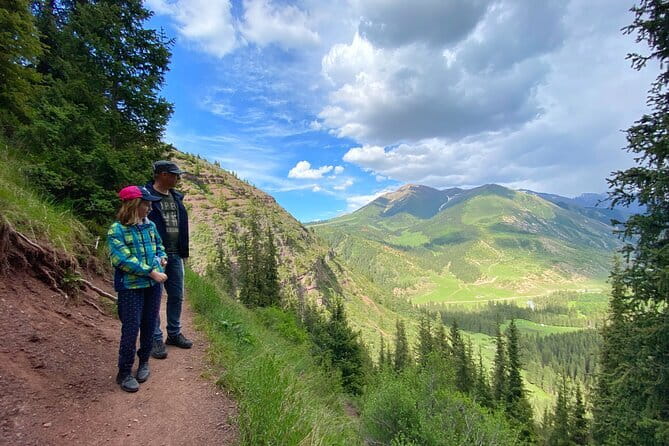
This is a long city walk, not a short orientation stroll. The route includes multiple avenues, squares, buildings, statues, and mosaic sites, so you should plan for several hours outside.
Comfortable shoes are essential. Outdoor clothing and sunglasses are sensible, and you should prepare for changing conditions rather than dressing only for a museum visit. The tour is listed as wheelchair accessible, but the walking format means you may still want to confirm the route and pavement conditions when arranging the meeting.
There is no food or drink included. That keeps the price focused on the guide and the walking experience, but you should carry what you need or plan a meal afterward. The guide does provide recommendations for local food, which is a useful extra when you are still learning your way around Bishkek.
The tour is not suitable for people with altitude sickness or people over 95. The information does not give a group-size limit, so you should ask about the expected group if that affects your decision.
The available guide languages are English, Hindi, Pashto, Pushto, Urdu, Punjabi, and Russian. English-speaking guides named in past bookings include Anna, Alex, Sophia, and Axel, but the assigned guide can vary.
Why the guide matters on this walk
Architecture can be hard to read without context. A large square may look empty. A concrete building may seem plain. A mosaic may be easy to miss if you do not know where to look.
A good guide turns those details into a connected story. The feedback attached to this experience repeatedly praises the guides for being friendly, clear, interesting, and ready to answer questions. Anna is singled out for giving an insightful introduction, while Alex, Sophia, and Axel are also named as strong guides on different departures.
That does not mean you should expect the same person every time. It does mean the guide is an important part of the value. If you enjoy asking questions, this tour should suit you better than a self-guided walk through the same streets.
The tour can also help you plan the rest of your stay. The guide offers recommendations for special places in Kyrgyzstan and local food, so you can use the final part of the experience to shape the next few days of your trip.
Is $45 a fair price?
At $45 per person, the tour is not the cheapest way to walk around Bishkek, but the comparison should include the time involved. You receive about 4.5 hours of guided sightseeing, a live guide, historical explanation, and practical recommendations for food and other places.
If you walked alone, you could see some of the same squares and buildings for free. The difference is interpretation. You would likely notice the Lenin statue and Victory Square, but you might miss the story behind a mosaic or fail to connect an apartment block with Soviet city planning.
The price makes the most sense if you have a short stay, want a strong introduction, or care about architecture and public art. It is less compelling if you prefer to move at your own pace, dislike several hours on foot, or already have a detailed understanding of Soviet Central Asian history.
Free cancellation up to 24 hours before the start and reserve-now, pay-later booking make the commitment easier. Those policies are useful if your plans around Bishkek are still changing.
Who should book this Bishkek walk?
I would recommend it to first-time visitors who want to understand the city before exploring it independently. It is also a good fit for anyone interested in Soviet architecture, public monuments, mosaics, political history, or the way government shapes urban space.
It works especially well early in a stay. One booking began at 8 a.m. after an arrival at 5 a.m., and the walk served as an introduction to Bishkek, Kyrgyzstan’s history, and local life. An early start may not suit everyone after a night journey, but the principle is sound: take the tour near the beginning, then return to places that caught your attention.
You may prefer another activity if you want food tastings, transport between sights, or extensive indoor museum time. This is an outdoor walking tour first.
FAQ
Where does the tour begin?
The tour begins at the Paramount Kyrgyz Republic Flag and returns to the same location.
How long does the experience last?
The total duration is about 4.5 hours. The guided walking and sightseeing portion is listed as approximately 3.75 hours.
What does the tour cost?
The price is $45 per person.
Which languages are available?
Guides are available in English, Hindi, Pashto, Pushto, Urdu, Punjabi, and Russian.
What places are included?
The walk includes Bishkek’s Soviet-era avenues and architecture, Soviet mosaics, Lenin Square, the Lenin statue, the Lenin-associated museum and literary setting, Victory Square, the Eternal Flame, and soldier statues.
Is food included?
No. Food and drinks are not included, but the guide provides recommendations for local food.
What should I bring?
Bring comfortable shoes, sunglasses, outdoor clothing, and anything else you normally need for a long walk. Binoculars and goggles are also listed among suggested items.
Can I cancel the booking?
You can cancel up to 24 hours in advance for a full refund. Reserve-now, pay-later booking is also available.
Is the tour wheelchair accessible?
The activity is listed as wheelchair accessible. Since it is a walking tour, you should confirm route conditions when arranging the meeting.
Should you book this tour?
Book it if you want Bishkek explained through its streets rather than reduced to a checklist of sights. The mosaics, Frunze-era identity, Socialist Modernist buildings, Lenin Square, and Victory Square make a strong four-and-a-half-hour introduction to the city’s Soviet past.
The $45 price is fair for the length and guide-led context, especially if you are new to Bishkek. Just plan for a lot of walking, bring suitable shoes, and remember that the exact guide and mosaic stops can vary. If those conditions suit you, this is a useful first look at the city, with enough historical detail to make your later walks more rewarding.
Just added around the world
- Wilmington History and Architecture Tour★ 4.8 · 18 reviews
- Washington, DC: Georgetown Architecture Walking Tour★ 5.0 · 8 reviews
- New Orleans : Garden District Architecture Walking tour★ 4.8 · 5 reviews
- Washington DC: Dupont Circle & Embassy Row Architecture Tour★ 5.0 · 6 reviews
- Vicenza: discovering the city of Palladio by e-bike★ 5.0 · 4 reviews
- Vicenza: Palladian Architecture Private Walking Tour★ 3.3 · 3 reviews
- Walk & Discover KL’s Architectural and Heritage Gems★ 5.0 · 7 reviews
- Unveiling Brno: History, Culture & Architectural Delights★ 5.0 · 2 reviews
Historical Tours, compared.
Chicago in a Day: Food, History & Architecture Walking Tour
Read our review →
Kuala Lumpur: Batu Caves & Historic Buildings Tour
Read our review →
Charleston’s Best Highlights: History, Culture & Architecture
Read our review →
Palm Springs Modernism Architecture & History Bike Tour
Read our review →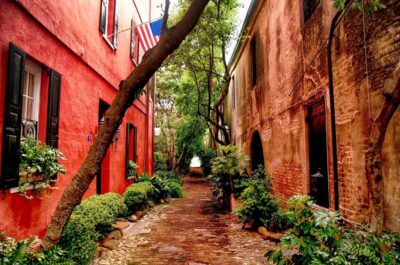
Charleston: History and Architecture Guided Walking Tour
Read our review →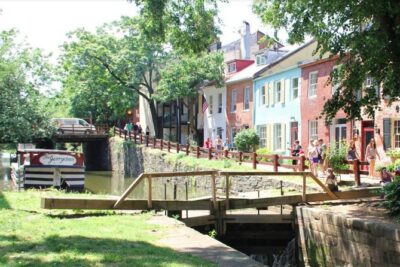
Historic Georgetown: History, Gossip, & Architecture Walking Tour
Read our review →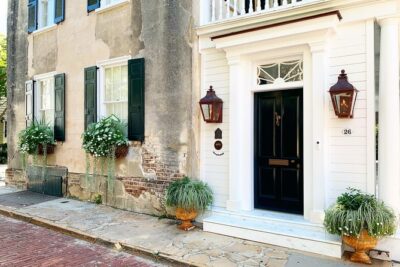
Charleston History, Homes, and Architecture Guided Walking Tour
Read our review →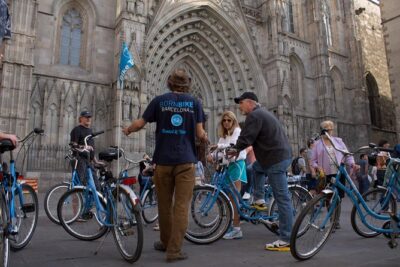
Browse the lists this tour appears in