
Review · VIENNA
Vienna Art Nouveau Walking Tour
Vienna’s Art Nouveau is not confined to grand museums. It runs beneath your feet. This three-hour walking tour follows Otto Wagner’s elegant metro designs and links them to Secession House, apartment buildings, and the imperial station built for Schönbrunn.
I like the way the tour connects architecture with city planning, rather than treating each building as an isolated photo stop. I also like the chance to see Wagner’s original metro stations still in public use, including the beautifully preserved Stadtpark station.
The main drawback is price: $176 per person is a serious outlay, and admission to the Otto Wagner Pavilion and Secession House costs extra. You should also expect plenty of walking, a point made clear by Elizabeth, who said her small-group tour covered miles.
Key points to know before booking
- Otto Wagner’s metro vision: Learn how Vienna’s population growth led to a modern transport system along the Ringstrasse.
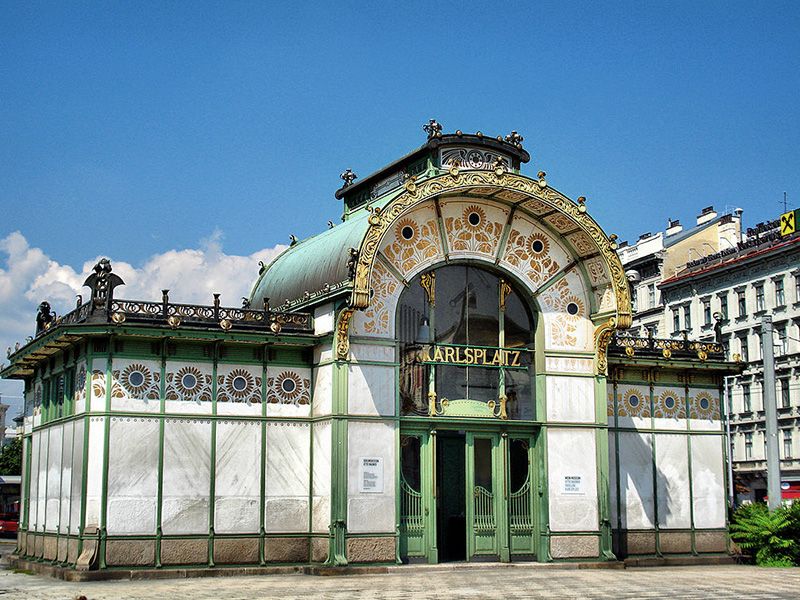
- Two surviving stations: Visit Karlsplatz and Stadtpark, then continue to Kettenbrücke and the imperial Hietzing station.
- Secession House included in the route: Tuesday through Sunday, you can add the Beethoven Frieze for €9.50, or €6 for students and seniors.
- Architecture beyond the stations: See Otto Wagner apartment houses and the Österreichische Postsparkasse.
- English historian guide: Guides including Wolfgang, Peter, and Giuseppina have led tours praised for clear explanations and flexible discussion.
- Private or small-group format: A smaller party gives you more room to ask about Art Nouveau, Austrian history, religion, and urban design.
Why Vienna needed a new railway in the first place
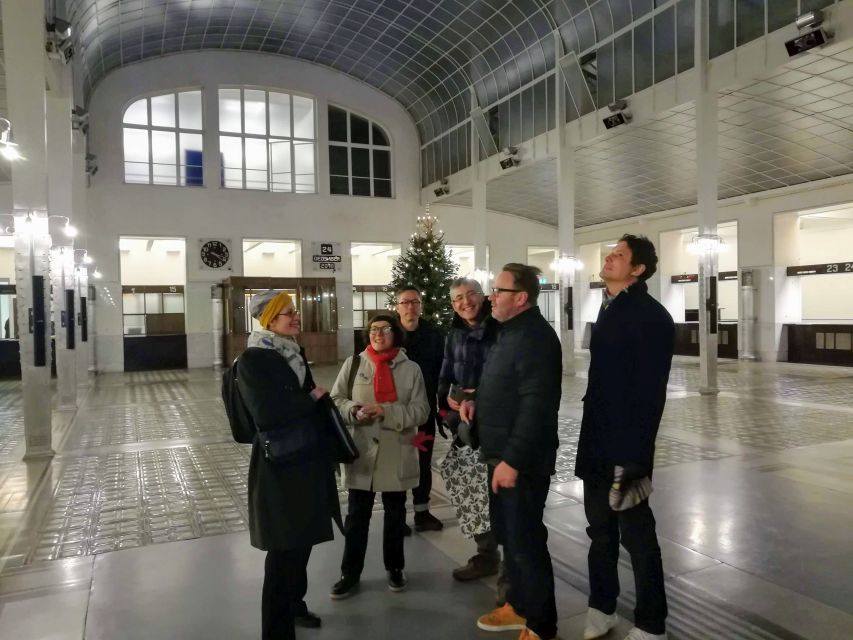
Late 19th-century Vienna was growing fast. Suburbs expanded, the city center became harder to reach, and public transport had to keep pace. City leaders planned metro lines that would connect outer districts with the center and the Ringstrasse.
Otto Wagner was chosen to shape the system. His task was practical, but he treated it as a chance to give modern Vienna a clear visual identity. Instead of hiding the railway behind plain engineering, he designed stations and pavilions that announced the city’s confidence.
That is the central idea you will follow during the tour. Vienna’s metro was not only a way to move people. It was also a public statement about technology, order, and cosmopolitan culture.
Wagner used the international Art Nouveau style, known in Vienna as Jugendstil. Curving lines, decorative metalwork, patterned surfaces, and carefully chosen materials gave the railway a consistent look. The style was new, but the message was simple: a modern city could be useful and beautiful at the same time.
Your guide explains the ideas behind the decoration, including why certain symbols and materials mattered to Art Nouveau designers. That context makes a big difference. Without it, a white-and-green station or ornamental pavilion can seem like a pretty relic. With it, you can see how the details helped define Vienna as a forward-looking European capital.
More Art Nouveau tours in Vienna:
- Vienna Art Nouveau Walking Tour
★ 5.0 · 21 reviews - Private Tour with an Art Historian of the Leopold Museum: Gustav Klimt, Egon Schiele and Viennese Art Nouveau
★ 5.0 · 16 reviews - Private Klimt & Vienna Art Walk — From Baroque to Secession
★ 4.5 · 16 reviews
Starting near Café Museum and Karlsplatz
The stated meeting point is Café Museum at Operngasse 7, in Vienna’s first district. The selected option may affect the exact pickup arrangement, so check the starting details when you book.
From there, the route moves toward the Otto Wagner Pavilion at Karlsplatz. This small pavilion is one of the best-known pieces of the original metro system. Its elegant form and decorative finish show how Wagner turned a transport structure into a recognizable city marker.
You visit the small Wagner Museum inside the pavilion. Admission is not included, so plan on paying separately. This is a modest extra cost, but it gives you a closer look at the architect behind the route and helps set up the rest of the tour.
I like this beginning because Karlsplatz gives you the basic vocabulary for the day. Your guide can point out how the station combines a functional purpose with an artistic program. You are not simply told that Wagner was important. You see how he made a station fit for a major capital.
The stop is also a useful reminder that Art Nouveau was not one fixed look. Wagner worked with structure, metal, glass, pattern, and proportion. The result is decorative, but never detached from the station’s job.
Stadtpark station, the best-preserved survivor
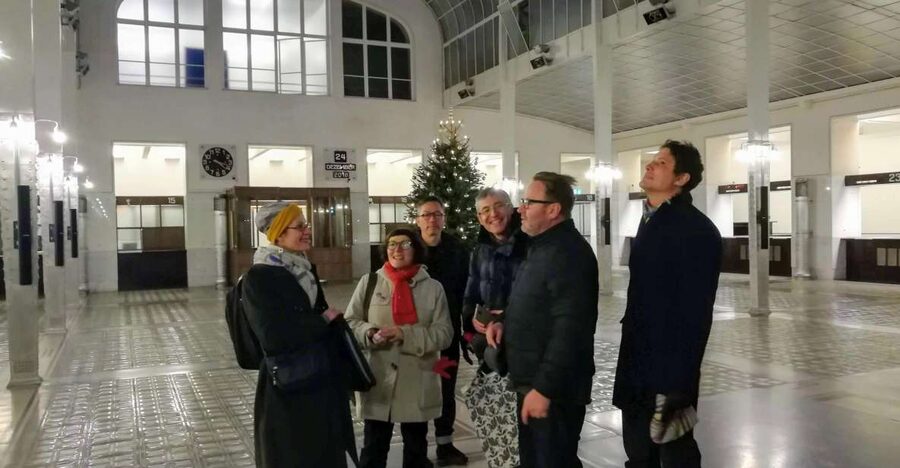
The walk continues to Stadtpark station, described as the best-preserved original station still in use. This is one of the strongest parts of the experience because the building remains part of Vienna’s working transport network.
You can study the station as architecture, then watch it function as public infrastructure. That contrast tells you more than a preserved museum display would. Wagner’s design was made for daily life, and this stop lets you consider how well it has lasted in that role.
Your guide also uses the station to explain the larger Viennese Art Nouveau movement. The discussion is not limited to decoration. You learn how the style reflected changing ideas about the city, technology, and modern life.
This is where an interested guide matters. Peter, one of the named guides, was praised for handling a group’s many questions about Austrian history and architecture. His explanations also extended to less obvious subjects, including Jewish synagogues and other places of worship in the old city. That suggests the tour can stretch beyond a narrow list of buildings when your questions lead that way.
Still, do not expect a full survey of Vienna’s entire architectural past. The focus remains Wagner, Jugendstil, and the urban changes tied to the metro.
Secession House and the Beethoven Frieze
From Stadtpark, you walk toward the Secession Building, one of Vienna’s most important Art Nouveau landmarks. Its distinctive design made it an icon of Viennese Jugendstil, and it gives the tour a change of scale. The metro pavilions are tied to transport. Secession House was built as a cultural statement.
The building is closely linked with the Vienna Secession movement, whose artists wanted a fresh direction outside older academic rules. Your guide discusses the movement’s philosophy and the symbols used by Art Nouveau artists. This helps you read the building as an argument about art, not just as an unusual facade.
From Tuesday through Sunday, the visit includes the chance to see Gustave Klimt’s famous Beethoven Frieze. Admission is not part of the $176 tour price. Adults pay €9.50, while students and seniors pay €6, and the guide helps with payment.
That extra admission is worth considering before you reserve. If Klimt is a major reason you want to visit, the stop adds real value. If you have already seen the frieze or mainly want exterior architecture, you may prefer to treat Secession House as a shorter stop.
The route’s timing also matters. A three-hour tour has enough room for explanation, but not endless lingering at every building. The supplied description calls the guided portion 2.5 hours in one place, while the activity is sold as three hours, so check the current schedule and allow the full three-hour window.
More architecture walks in Vienna:
- Private Vienna Art Nouveau Walking Tour
★ 5.0 · 4 reviews - The Official Art Deco Walking Tour by The Miami Design Preservation League
★ 5.0 · 1,580 reviews - Barcelona: Gothic Quarter Ghosts and Legends Walking Tour
★ 4.7 · 1,443 reviews - Barcelona: Old Town and Gothic Quarter Walking Tour
★ 4.8 · 1,393 reviews
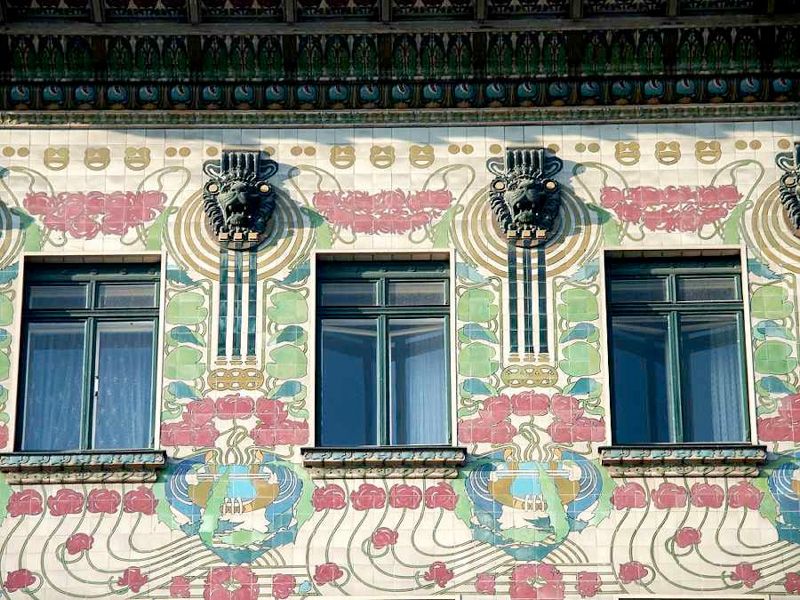
Wagner’s apartment buildings and the Österreichische Postsparkasse
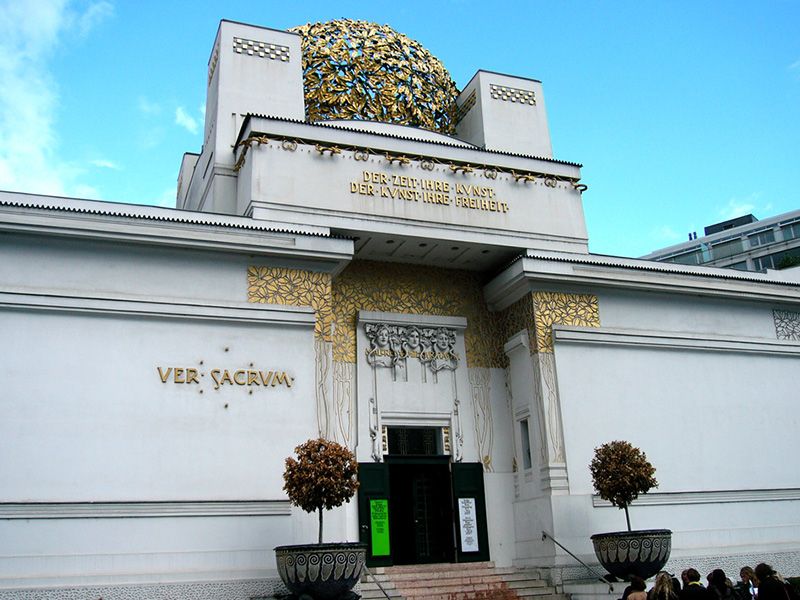
The walk also takes in two apartment houses designed by Otto Wagner. These buildings show how his ideas worked in ordinary urban life, not only in transport stations and ceremonial structures.
Apartment buildings are useful stops because they reveal the practical side of Art Nouveau. Wagner was not designing a style book. He was shaping the look of streets where people lived, worked, and moved through the city.
The exact details you notice will depend on the guide and the pace, but you can expect discussion of materials, ornament, and the social ideas behind the style. The point is to notice how decorative choices were applied to everyday buildings.
The route also includes the Österreichische Postsparkasse. The tour information identifies it as a guided stop, but it does not promise a particular interior visit or admission arrangement. You should think of it as another chance to see Wagner’s architectural thinking in a major civic setting.
This part of the walk helps balance the famous sights. Secession House attracts attention immediately, while apartment buildings and the Postsparkasse show how Jugendstil shaped the broader city. If you enjoy comparing facades and spotting repeated design principles, you will get more from this route than someone looking only for postcard views.
Kettenbrücke and the final metro ride
The next metro stop is Kettenbrücke station. Along the way, the guide continues the discussion of Viennese Art Nouveau, its ideals, and its preferred materials.
Kettenbrücke works as a bridge between the decorative city above ground and the railway system below. You can compare its design with Karlsplatz and Stadtpark rather than viewing it alone. The route is especially useful if you want to understand how Wagner kept a recognizable visual language across different station settings.
From Kettenbrücke, you board the metro for the final stop, the imperial station near Schönbrunn. The ride itself reinforces the tour’s main subject: Wagner’s work was part of a real transport network, not a collection of disconnected monuments.
Expect a fair amount of walking before this point. Elizabeth described walking miles on a small-group tour, so comfortable shoes are essential. The experience suits you best if you enjoy moving through a city and stopping often to look up, compare details, and ask questions.
The imperial station at Hietzing
The final major stop is the Otto Wagner Hofpavillon Hietzing, also called the imperial station. It was built outside Schönbrunn exclusively for the emperor.
This station has a special political purpose. Critics of Vienna’s metro system could see that the emperor supported the project. The station was therefore both a transport building and a symbol of imperial approval.
Its design also allowed Wagner to adapt a generally bourgeois Art Nouveau style for an imperial setting. That contrast gives your guide a strong final subject. You can consider how the same movement that shaped modern urban buildings was adjusted for ceremony, status, and royal grandeur.
Admission to the Otto Wagner Pavilion is not included. The extra charge is important when comparing the tour with cheaper general walking tours. You are paying for a focused route, an English-speaking historian, and interpretation that ties the sites together, but you will still need to budget for the two main paid entries.
What the guides add to the experience
The guide can make or break an architecture tour. Here, the named guides include Wolfgang, Peter, and Giuseppina.
Wolfgang led a small party and adjusted the route to suit what the two participants wanted to see and discuss. That kind of flexibility is one reason to choose the private or small-group option.
Peter handled questions about Austrian history, city architecture, and religious buildings. If you like to move beyond the prepared script, that is useful. You can ask why a building looks the way it does, how it fits Vienna’s past, or what symbols you should notice.
Giuseppina was described as warm, attentive, and especially strong on Art Nouveau. Her approach sounds suited to people who want a friendly discussion rather than a formal lecture.
The tour is offered in English. You should expect a specialist conversation, but not necessarily the same guide each day. If you have a particular interest, mention it at the start. Small groups make it easier for the guide to adjust the level of detail.
Is $176 per person fair value?
At $176 per person, this is not a budget sightseeing walk. The price makes the most sense for a visitor who wants a focused architecture experience and values a historian guide.
You are paying for three hours, a carefully linked route, metro-related context, and stops that would be hard to connect on your own. A regular city walk may show you Secession House or a Wagner building, but it is less likely to explain how the metro transformed Vienna and how Wagner carried one design philosophy across stations, apartments, civic buildings, and an imperial pavilion.
The value improves if you choose a private or small group and plan to ask questions. It is weaker if you only want quick photos or have little interest in Art Nouveau.
Remember to add €9.50 for the Secession House entrance on Tuesday through Sunday, or €6 for students and seniors, plus admission to the Otto Wagner Pavilion. The booking allows cancellation up to 24 hours before the start for a full refund, and you can reserve now and pay later. Those terms help if your Vienna plans are still shifting.
Who should book this Vienna Art Nouveau walk?
I would choose this tour if you enjoy architecture, city planning, design, or the story of how Vienna became a modern capital. It also suits repeat visitors who have already seen the major palace and museum sights and want a more focused side of the city.
It is a good match for couples or small groups who want to ask questions. Emma particularly enjoyed taking the tour with her partner, and the private setting helped keep the experience engaging.
You should think twice if you dislike walking, want a fast overview, or need every entrance included in the headline price. The tour covers several neighborhoods and uses the metro, so it is active rather than purely observational.
Should you book it?
Book it if you want to understand why Vienna’s metro stations look the way they do, and if you value a guide who can connect design with politics, urban growth, and culture. The surviving stations, Secession House, and imperial Hietzing pavilion form a strong sequence.
Skip it if $176 feels too high for a walking tour or if your main goal is simply to enter one famous building. For the right audience, though, this is a thoughtful way to see Vienna beyond the grand palaces, with Otto Wagner’s elegant railway system as the thread tying it together.
FAQ
How long is the Vienna Art Nouveau Walking Tour?
The activity is listed as lasting three hours. The detailed description also refers to a 2.5-hour guided tour, so check the selected start time and allow the full three-hour period.
What language is the tour offered in?
The live tour guide speaks English.
Where is the meeting point?
The listed meeting point is Café Museum at Operngasse 7, A-1010 Vienna. The exact starting or pickup location can depend on the option selected.
Is the tour private or shared?
Private and small-group options are available.
Is admission to the Otto Wagner Pavilion included?
No. Admission to the Otto Wagner Pavilion is not included in the tour price.
Is admission to Secession House included?
No. Admission is extra. Adults pay €9.50, while students and seniors pay €6.
Can I see the Beethoven Frieze?
If your tour takes place Tuesday through Sunday, you will visit Secession House and can see Gustave Klimt’s Beethoven Frieze, subject to the separate entrance fee.
Which metro stations are visited?
The route includes the Karlsplatz pavilion, Stadtpark station, Kettenbrücke station, and the imperial station at Hietzing.
Does the tour use Vienna’s metro?
Yes. From Kettenbrücke station, the group takes the metro to the final stop at the imperial station.
Can I cancel for a full refund?
Yes. You can cancel up to 24 hours in advance for a full refund. You can also reserve now and pay later.
Just added around Vienna
- Vienna: Baroque Orchestra Concert and Dinner★ 4.6 · 18 reviews
- Vienna’s Hills Private tour: Nature & Hidden Architectural Jewels★ 5.0 · 12 reviews
- Private Tour with an Art Historian of the Leopold Museum: Gustav Klimt, Egon Schiele and Viennese Art Nouveau★ 5.0 · 16 reviews
- Vienna Art Nouveau Walking Tour★ 5.0 · 21 reviews
- Private Klimt & Vienna Art Walk — From Baroque to Secession★ 4.5 · 16 reviews
- Private Vienna Art Nouveau Walking Tour★ 5.0 · 4 reviews
- An Architectural insight of Vienna on a Private Tour with a local★ 3.5 · 2 reviews
- Vienna: Concert by the Vienna Baroque Orchestra★ 4.6 · 56 reviews
Art Nouveau Tours, compared.
Riga: Old Town Walking Tour with Art Nouveau Highlights
Read our review →
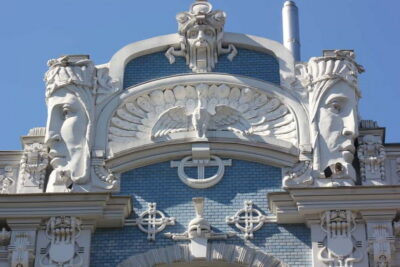
Riga: 2-Hour History of Art Nouveau Walking Tour
Read our review →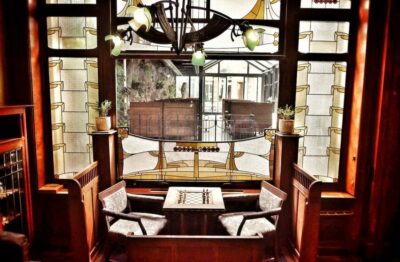
Brussels: Art Nouveau Pass – Entry to Three Locations
Read our review →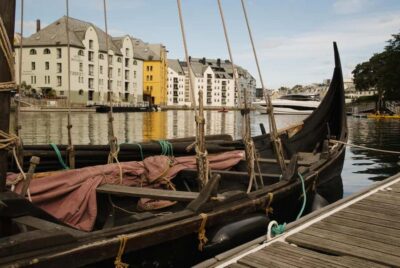
Small Group Tour in Ålesund: Art Nouveau, Sea Views & Insider Tips
Read our review →
Browse the lists this tour appears in