
Review · VIENNA
Private Tour with an Art Historian of the Leopold Museum: Gustav Klimt, Egon Schiele and Viennese Art Nouveau
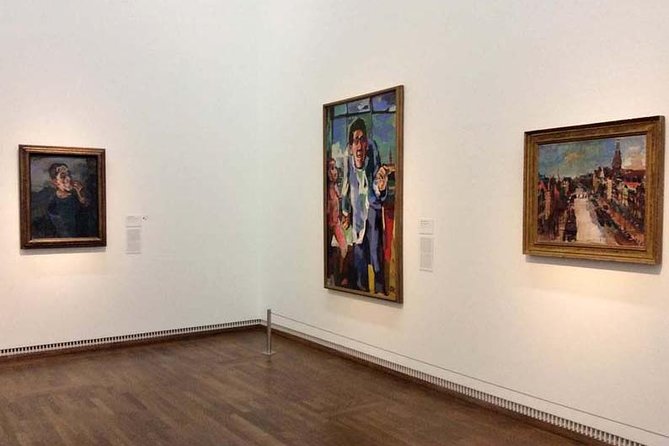
The Leopold Museum is the place to confront Vienna’s most provocative modern art, especially the unflinching work of Egon Schiele. His nudes and expressive figures still raise questions about where art ends and pornography begins, and a good art historian can help you look past the shock to the ideas underneath.
I like two things here: admission is included, and the private format keeps you from wandering through a large collection without a plan. Guides such as Julia bring together Klimt, Schiele, Kokoschka, Gerstl, Makart, and the Secession movement in a way that connects paintings to Vienna’s changing culture.
The main drawback is time. Two hours and 15 minutes is enough for a focused visit, but not enough to examine every room or answer every question about Austrian modern art. At $216.27 per person, this makes the most sense for serious art lovers or small groups who want personal attention.
Key points to know before you book
- Egon Schiele gets the attention he deserves: The museum has a permanent Schiele presentation, including works that remain provocative today.
- Julia is a highly praised guide: Her style combines art history, specific visual details, and a clear affection for Austrian art.
- The private format changes the pace: You can ask questions, linger over certain works, and focus on Klimt, Schiele, Art Nouveau, or another interest.
- The collection goes beyond the famous names: You may also discuss Makart, Kokoschka, Gerstl, furniture, handicrafts, and the Secession movement.
- Admission is included: You meet at the museum and enter as part of the arranged experience.
- Plan for stairs and punctuality: The meeting point is at the bottom of the large staircase at the museum’s main entrance, and the tour is not stroller accessible.
Why the Leopold Museum is the right place for Viennese modern art
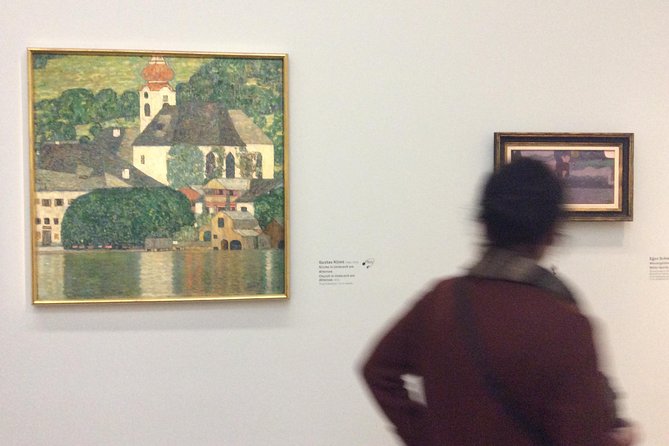
Vienna has several major art museums, and the Belvedere usually gets the first mention because of Klimt’s most famous paintings. The Leopold Museum gives you a different view of the city’s modern art story. Its collection is especially strong in Austrian art from the late nineteenth and early twentieth centuries, with Egon Schiele at its center.
That focus matters. Klimt can be treated as a maker of glittering, instantly recognizable paintings, while Schiele is often reduced to his angular bodies and confrontational nudes. A guided visit gives you a chance to see both artists as part of a larger shift in Vienna, when artists were challenging academic rules, old social values, and accepted ideas about beauty.
The museum also presents art in more than one form. Along with paintings, its collection includes furniture and handicrafts. That helps you understand the wider ambitions of Viennese Art Nouveau and the Secession movement. Artists and designers were not always separating painting, interiors, furniture, and daily life into neat categories.
I especially like that the tour is built around the idea of nowness in art. Schiele’s work can feel startling because it still asks direct questions. What is the purpose of a nude? When does honesty become provocation? How should a museum display work that once offended polite taste and can still make people uneasy?
Those questions make this more than a quick parade of famous paintings. You are encouraged to look at line, posture, color, symbolism, and the social setting around each work.
More Art Nouveau tours in Vienna:
- Vienna Art Nouveau Walking Tour
★ 4.4 · 33 reviews - Vienna Art Nouveau Walking Tour
★ 5.0 · 21 reviews - Private Klimt & Vienna Art Walk — From Baroque to Secession
★ 4.5 · 16 reviews
Entering the museum at Museumsplatz 1
The meeting point is the Leopold Museum, Museumsplatz 1, 1070 Vienna. You should arrive punctually at the front entrance. The practical landmark is a large staircase leading up to the doors. Your guide waits at the bottom of the stairs, not necessarily right at the entrance door.
That detail is worth noting because MuseumsQuartier has several buildings and open public spaces. If you arrive in a hurry, it is easy to head toward the wrong entrance. Keep your voucher handy, either on paper or on your phone, and use the contact details provided with your booking if you have trouble locating the guide.
The museum is near public transportation, which makes it a straightforward stop in a day of sightseeing. The activity ends back at the same meeting point, so you do not need to arrange a separate pickup or find your way to another neighborhood afterward.
The tour is offered in English. Admission is included, which removes one small task from your arrival. You are not left to work out the museum ticket separately before the guide begins.
A focused route through Klimt, Schiele, and the Secession
The tour lasts about two hours and 15 minutes. That is a useful length for a museum visit because it allows time for explanation without turning into an all-day art marathon.
The exact path can respond to your interests. If you care most about Klimt, you can ask for more attention to his place in Viennese modernism. If Schiele is your priority, the guide can help you spend more time with his permanent presentation. You can also ask about Art Nouveau, the Secession movement, collecting, or the relationship between art and life in Vienna.
The private format is the key feature. In a large public tour, the guide has to keep moving and serve a fixed group. Here, you can ask why a figure is posed in a certain way, how an artist used a particular line, or what a work meant to its original audience. You can also pause when a painting catches your attention rather than simply following a set script.
That flexibility is useful in a museum with a powerful collection. It is easy to become overloaded by names, dates, movements, and visual information. A focused guide helps you remember a smaller number of important works and understand why they matter.
The tour is not designed to cover every object on display. That is a strength, not a weakness, for most visitors. You leave with a clearer sense of the artists and their choices rather than a blur of rooms.
Egon Schiele and the art that still provokes
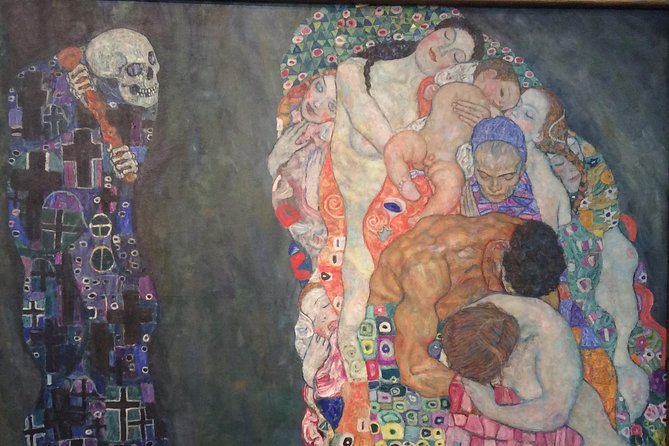
Schiele is the strongest reason to choose this museum. His work is not comfortable decoration. The figures can look exposed, tense, distorted, or deliberately confrontational. The point is not simply to admire technical skill. His work forces you to consider the body, sexuality, identity, and the role of the viewer.
The permanent Schiele presentation gives the visit a firm center. You can expect the guide to discuss his style, his subjects, and the debates his work creates. The question of pornography and art is not treated as an old controversy that has been neatly settled. It remains part of the experience.
That makes this tour a better choice for adults who want context rather than a simple list of facts. You may not agree with every interpretation, and the guide cannot remove every ambiguity. But you can examine why the work has such a strong effect and how Schiele used line and form to create it.
The guide can also place Schiele beside other Austrian artists. That comparison helps you see that Viennese modern art was not one single style. Klimt’s decorative surfaces, Schiele’s nervous lines, Kokoschka’s forceful expression, and Gerstl’s intense approach all point in different directions.
More museum and gallery visits in Vienna:
- Vienna: Tickets for Kunst Haus Wien: Museum Hundertwasser
★ 4.6 · 651 reviews - Entrance tickets for the KunstHausWien. Museum Hundertwasser
★ 4.5 · 90 reviews - Barcelona: Park Güell and Gaudí House Museum Entry Ticket
★ 4.5 · 6,326 reviews - Borghese Gallery Max 6 People Tour: Baroque & Renaissance in Rome
★ 5.0 · 185 reviews
Klimt, Kokoschka, Gerstl, and the wider Vienna story
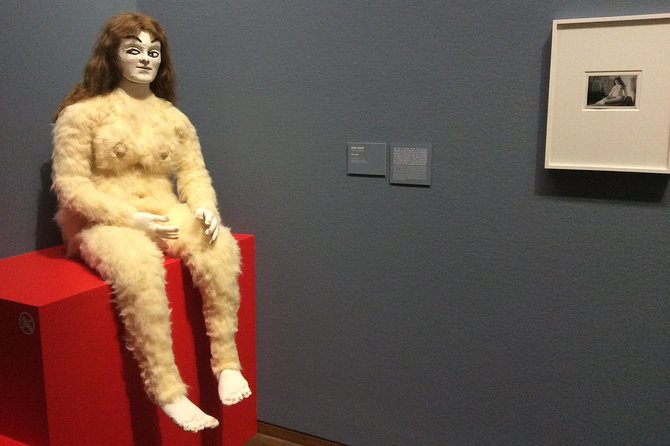
Klimt is the name most people expect to hear, but the tour does not stop with him. The collection can open a path to artists including Oskar Kokoschka and Richard Gerstl, as well as Hans Makart.
Kokoschka is described as eccentric, which is a useful clue to the kind of discussion you may have. His work helps show the move away from polished academic painting toward more personal and emotionally charged expression. Gerstl adds another voice to the story, while Makart helps explain the earlier artistic world that the Secession artists were reacting against.
The Secession movement is especially important. It represented a break with established artistic institutions and conventional taste. A guide can explain this change without burying you in dates. The central point is simple: artists were asking for room to work in new ways, and they wanted modern life to have a modern visual language.
You may also discuss the role of collecting. The Leopold Museum’s collection came from one private collection, an extraordinary fact that gives the museum a distinct character. The result is not just a display of isolated masterpieces. It reflects one collector’s strong interest in Austrian modern art, including paintings, furniture, and decorative objects.
That collecting story helps you see why the museum feels different from a broad national museum. The emphasis is narrower, but the connections can be stronger.
Why an art historian changes the visit
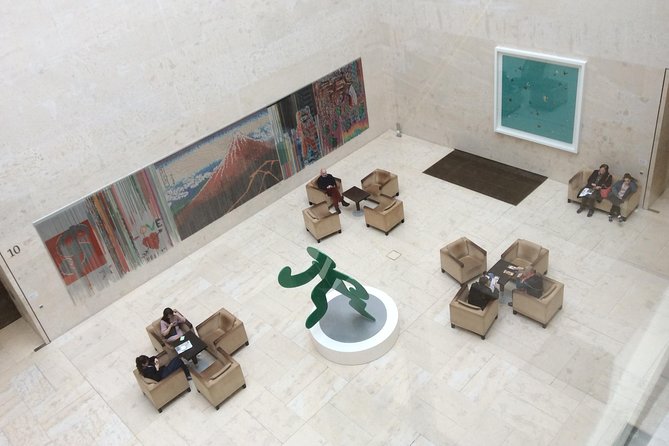
A museum label can tell you an artist’s name, a date, and a medium. It rarely explains why a painting feels disturbing, how a movement developed, or what a work says about the society that produced it.
An art historian can connect those pieces. The strongest guide style here combines broad historical context with small visual facts. You might discuss Austria and Vienna at one moment, then shift to a particular gesture, color, or compositional choice in front of a painting.
Julia has been particularly praised for making complex ideas clear and engaging. Her approach is also described as passionate, which matters in a museum devoted to art that can seem severe or difficult. Enthusiasm helps, but the real benefit is her ability to answer questions and explain hidden details without making the visit feel like a lecture.
One practical point: the two-hour-15-minute schedule may feel short if you arrive with a long list of questions. The guide can cover the major artists and movements, but you may need to choose your priorities. If you want a detailed discussion of collecting, everyday life in Vienna, and several painters beyond Klimt and Schiele, mention that early in the visit.
The value of a $216.27 private museum visit
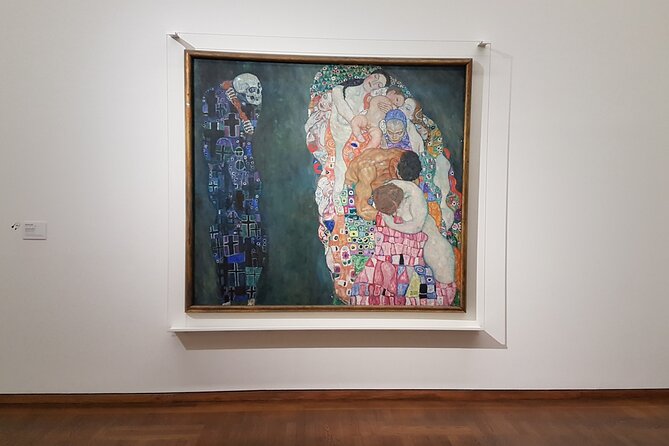
At $216.27 per person, this is not a budget museum stop. The price is easier to justify if you are traveling with a small group and care about personal attention. Group discounts are available, though the specific discount depends on the booking.
The cost includes museum admission and a private English-speaking art historian. You are paying for a focused route, not just entry to the building. For visitors who might otherwise spend hours reading labels and still leave unsure about the Secession movement, that guidance can be worthwhile.
It is less attractive if you only want to see a few famous Klimt images and move on. You could visit the museum without a private guide and set your own pace. The premium here is the conversation, interpretation, and ability to shape the visit around your interests.
I would also compare it with your wider Vienna plans. If you are already booking several guided museum visits, the expense can add up. If this is your one serious art tour in the city, the Leopold’s concentration on Austrian modernism makes the subject matter distinct enough to justify the choice.
The fact that the experience is often booked about 24 days ahead is a useful planning clue. It suggests you should not leave it until the last moment if the timing matters to you, especially if you want a private appointment during a busy Vienna visit.
Practical details that affect the experience
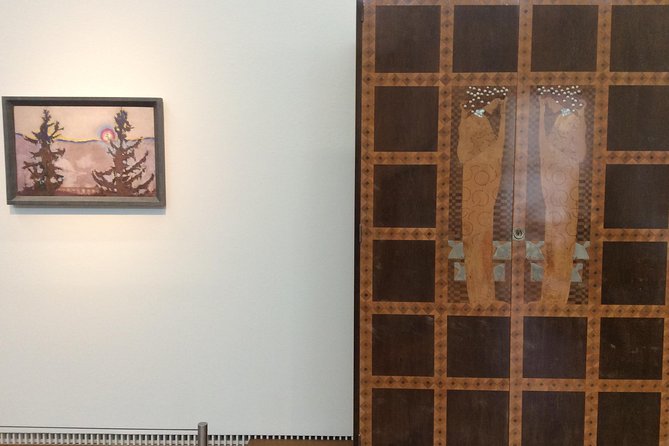
You need a moderate level of physical fitness. The museum entrance involves a large staircase, and the activity is not stroller accessible. It is also not suitable for pets.
The tour is near public transportation, but no specific transit route is provided. Use the museum address and allow time to locate the staircase and guide before the starting time.
The activity is private, so only your group participates. That gives you more freedom than a shared tour, but it also means the experience depends on your group’s questions and interests. If one person wants only Klimt and another wants Schiele’s most difficult works, agree on priorities before you arrive.
You can cancel for a full refund up to 24 hours before the start time. Changes or cancellations made less than 24 hours before the experience are not accepted for a refund. The cut-off uses Vienna’s local time, so check the time carefully if you are arranging plans from another country.
Who will enjoy this Leopold Museum tour most?
I would choose this tour if you want to understand Austrian modern art rather than simply photograph a famous painting. It suits people who enjoy asking questions, comparing artists, and discussing the line between beauty, discomfort, and artistic freedom.
It is also a good choice if you have already visited the Belvedere and want another side of Vienna’s art scene. The Leopold Museum gives you more time with Schiele and brings in artists such as Kokoschka and Gerstl.
You should think twice if you prefer a quick, self-guided museum visit. The price is high for anyone who does not care about interpretation. It may also feel too short if you want to see the entire collection at leisure.
The best approach is to arrive with two or three subjects in mind. You might choose Schiele’s use of the body, Klimt and Art Nouveau, the Secession movement, or the role of private collectors. That gives the guide a clear starting point and helps you get full value from the private format.
Should you book it?
Book this experience if Austrian modern art is a priority and you want a focused visit led by an art historian. The museum admission, private setting, and strong attention to Klimt, Schiele, and the Secession movement make it a serious option for art lovers.
I would not book it simply because you feel you should see every major Vienna museum. The price requires real interest. But if you want to understand why Schiele remains so challenging, how Klimt fits into a wider artistic break with tradition, and where artists such as Kokoschka and Gerstl fit into the story, this tour gives you a clear and personal way in.
FAQ
Where does the tour begin?
The tour begins at the Leopold Museum, Museumsplatz 1, 1070 Vienna, Austria.
Where should I meet the guide?
Meet in front of the museum’s main entrance. A large staircase leads to the entrance door, and the guide waits at the bottom of the staircase.
Where does the tour end?
The activity ends back at the Leopold Museum meeting point.
How long does the tour last?
The tour lasts approximately 2 hours and 15 minutes.
What is the price?
The listed price is $216.27 per person. Group discounts are available.
Is museum admission included?
Yes. Museum admission is included in the tour price.
Is this a private tour?
Yes. Only your group participates in the activity.
What language is offered?
The tour is offered in English.
Can I use an electronic ticket?
Yes. You can present either a paper voucher or an electronic voucher.
Can I cancel for a full refund?
Yes, if you cancel at least 24 hours before the experience starts. Cancellations or changes made less than 24 hours before the start time are not accepted for a refund.
Just added around Vienna
- Vienna: Baroque Orchestra Concert and Dinner★ 4.6 · 18 reviews
- Vienna’s Hills Private tour: Nature & Hidden Architectural Jewels★ 5.0 · 12 reviews
- Private Vienna Art Nouveau Walking Tour★ 5.0 · 4 reviews
- Vienna Art Nouveau Walking Tour★ 5.0 · 21 reviews
- Private Klimt & Vienna Art Walk — From Baroque to Secession★ 4.5 · 16 reviews
- An Architectural insight of Vienna on a Private Tour with a local★ 3.5 · 2 reviews
- Vienna Art Nouveau Walking Tour★ 4.4 · 33 reviews
- Vienna: Concert by the Vienna Baroque Orchestra★ 4.6 · 56 reviews
Art Nouveau Tours, compared.
Riga: Old Town Walking Tour with Art Nouveau Highlights
Read our review →
Riga: 2-Hour History of Art Nouveau Walking Tour
Read our review →
Brussels: Art Nouveau Pass – Entry to Three Locations
Read our review →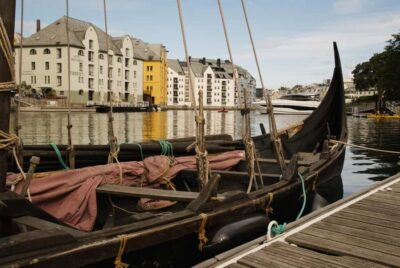
Small Group Tour in Ålesund: Art Nouveau, Sea Views & Insider Tips
Read our review →
Browse the lists this tour appears in