
Review · TOKYO
Private Ginza Architecture Walking Tour
Ginza is best understood by looking up. Behind the department stores and luxury labels, you’ll find bold facades, old shrines, a Buddhist temple, a Kabuki theater, and small architectural surprises that are easy to miss from street level. This private tour connects those pieces with a guide who can adjust the walk to your interests.
I like the small private format, capped at five people, and the chance to ask real questions instead of following a fixed script. I also like the mix of modern design and older Tokyo, from the angular Nicolas G. Hayek Center to Tsukiji Hongwanji Temple. The main caution is that the schedule covers many stops in about three and a half hours, so some buildings receive only a quick look.
Key points to know before booking
- A private guide shapes the walk around you: Guides such as Yoko, Yuki, Mari, Taka Yamamura, Yoshi, and Eriko have all led tours, with backgrounds and strengths that vary.
- The route links Tsukiji and Ginza: You begin near Tsukiji Station and finish at the Ginza 4-chome intersection by Mitsukoshi.
- You enter several buildings: Tsukiji Hongwanji Temple, Kabukiza Theater, the Nicolas G. Hayek Center, Ginza Maison Hermes Le Forum, and Okuno Building are part of the planned route.
- The tour mixes big names with small discoveries: Toyoiwa Inari Shrine and other local details keep the walk from becoming a parade of luxury storefronts.
- The pace is active but manageable: Expect about 3 hours and 30 minutes on foot, with roughly 40 minutes of walking between sites.
- The price makes most sense for a small group: At $132.10 per person, the value improves when two to five people share the private guide.
Why Ginza works so well for an architecture walk
Ginza is not just a shopping district. It is a compact outdoor lesson in how Tokyo balances old customs, commercial ambition, and experimental design. A luxury brand may occupy a carefully designed tower, while a small shrine or traditional cultural site sits only a few blocks away.
That contrast gives this tour its purpose. You are not simply checking off famous buildings. You are learning why a facade matters, how a building fits its street, and what Ginza reveals about modern Japanese city life.
The guide can also adjust the level of detail. If you already know architecture, you can ask about planning, materials, and the work of major designers. If you are new to the subject, you can focus on the simple question of what makes one building feel different from another.
I especially like this flexibility for repeat visitors to Tokyo. One person who had visited Tokyo many times for business found that the walk offered a new way to see a familiar city. That is a useful promise here: you spend less time rushing between famous sights and more time noticing what you have walked past before.
More architecture walks in Japan:
- Tokyo: Shibuya Highlights Walking Tour & Secret View Spot
★ 5.0 · 287 reviews - Private Harajuku Omotesando Architecture Walking Tour
★ 5.0 · 67 reviews - Tokyo Architecture and Contemporary Art Walking Tour with a local guide
★ 5.0 · 15 reviews
Starting near Tsukiji and entering Tsukiji Hongwanji Temple
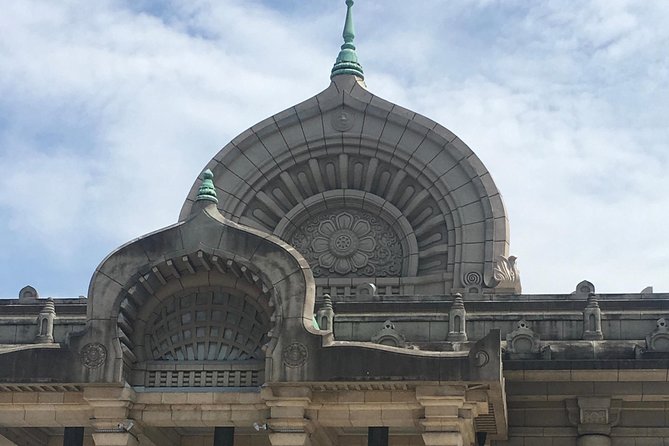
The meeting point is near Exit 1 of Tsukiji Station, at 3-chome-15 in Tsukiji. This is a practical starting point because the tour begins with a major cultural site before moving into Ginza’s commercial core.
Tsukiji Hongwanji Temple is scheduled for about 10 minutes inside the temple. That is a short visit, but it gives the route an important change of mood. Instead of beginning with storefronts and tall buildings, you start with a Buddhist place of worship and learn how it fits into Tokyo’s cultural life.
The temple also helps set up the larger theme of the tour: Ginza and its surrounding districts are not only about new construction. Religious spaces, historic traditions, and commercial architecture share the same city blocks.
Do not expect a long temple lecture or a quiet extended visit. Ten minutes is enough for an introduction and a look around, but not enough for every architectural detail. If temples are your main interest, tell your guide early so the conversation can give that part more weight.
Kabukiza Theater brings culture into the route
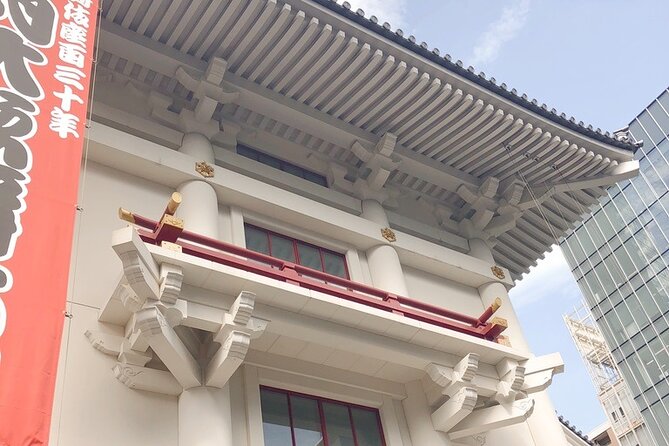
The walk continues to Kabukiza Theater, where about 20 minutes are planned inside. This is one of the strongest stops for showing how architecture and performance culture connect.
Kabuki is a major Japanese theatrical tradition, and the theater’s presence gives Ginza more than a shopping identity. Your guide can explain the building’s role in the district and point out features you might miss if you only photographed the exterior.
The planned interior visit matters. Many city walks simply pause outside famous buildings, but this experience includes time to go in and enjoy the theater’s features. Twenty minutes is enough to get a useful impression without turning the tour into a full performance visit.
The tradeoff is time. You will see the theater as part of a wider architectural walk, not attend a complete Kabuki program. If you want a longer cultural stop, this is another good place to ask your guide how the route can be adjusted.
Ginza’s modern design, from watches to glass facades
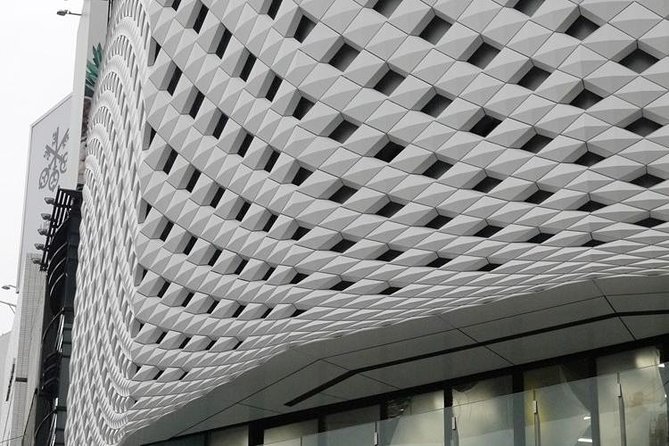
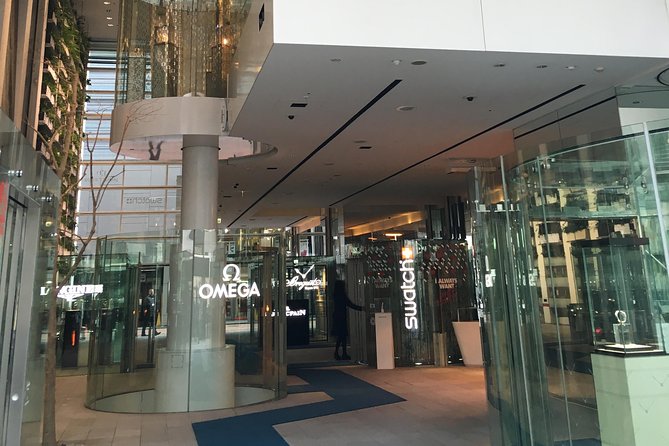
The Nicolas G. Hayek Center receives about 15 minutes. This building is connected with the Swatch Group and its luxury watch brands, and it gives the tour a clear example of Ginza’s high-design commercial architecture.
The point is not only the brand inside. You will look at how a commercial building uses its exterior, entrance, and interior features to create an identity. A guide adds value here because architectural details can be easy to overlook when you are thinking only about shopping.
Ginza Maison Hermes Le Forum is also scheduled for about 15 minutes inside. This stop continues the theme of luxury brands using architecture as part of their public image. Even if you have no interest in buying anything, you can appreciate how the building presents fashion, retail, and design as one experience.
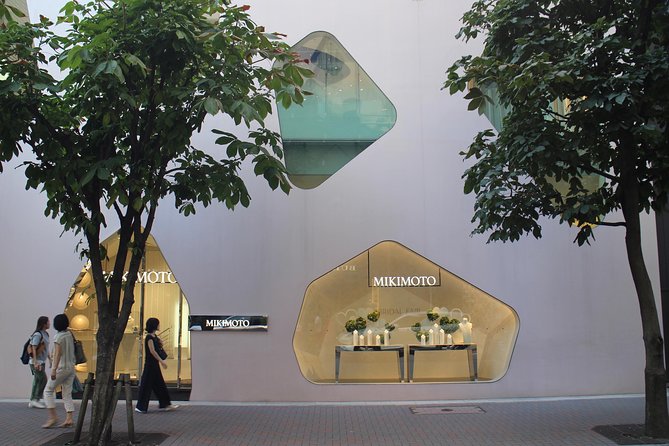
The route also includes the Mikimoto Boutique Ginza 2-chome, with about five minutes inside if time allows. That final phrase matters. This is a flexible stop, not a guarantee that you will spend a full visit there. The guide may need to shorten or skip it if earlier discussions run long.
More private architecture tours in Japan:
- Private Harajuku Omotesando Architecture Tour
★ 4.9 · 18 reviews - Private Edo-Tokyo Open Air Architectural Museum Tour
★ 4.8 · 15 reviews - Private Ueno Park Architecture Walking Tour
★ 5.0 · 8 reviews - Private Ueno Park Architecture Tour
★ 5.0 · 5 reviews
Small shrines keep the walk grounded
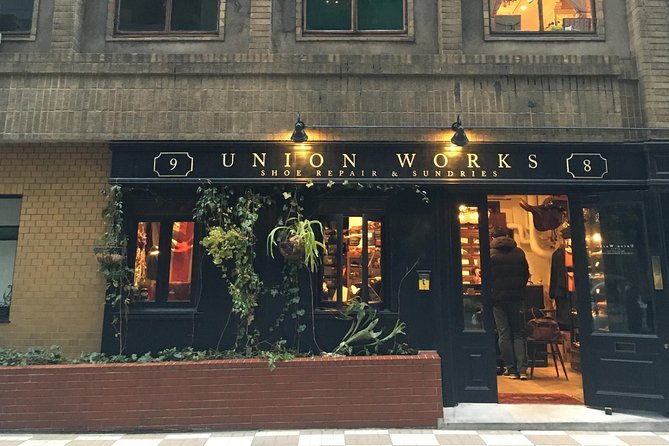
Toyoiwa Inari Shrine gets about five minutes. It is a brief stop, but it gives you a different view of Ginza than the polished brand buildings do.
A small shrine tucked into a major business district can be easy to miss on your own. The guide explains its place in the neighborhood and helps you notice how older religious traditions remain part of daily urban space.
I like this part of the route because it prevents the tour from becoming too focused on expensive storefronts and famous architects. The shrine is not a major time commitment, but it adds texture and makes Ginza feel like a lived-in district rather than a showroom.
The visit is short, so keep your expectations in proportion. You will not get a long shrine history lesson in five minutes. You will get a useful pause and a reminder to pay attention to small spaces.
Looking at Uniqlo, Mikimoto, and Wako from the street
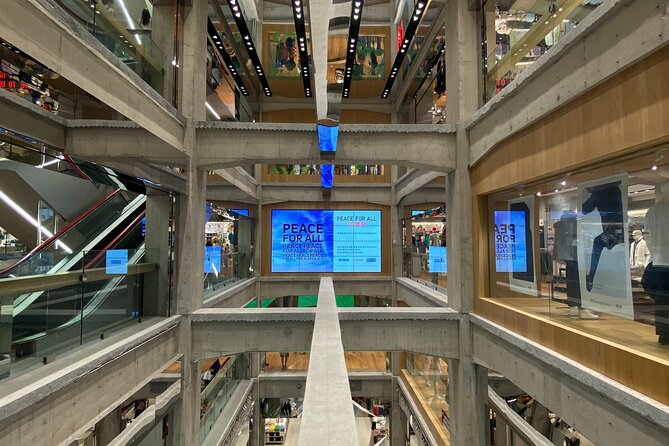
At UNIQLO Tokyo, the plan is to view the building from outside for about 10 minutes. The same is true of Mikimoto Ginza 4-chome Honten, with about five minutes, and Wako Ginza, with about 10 minutes.
These exterior stops are useful because Ginza’s architecture often works as a public advertisement. The stores need to attract attention from a busy street, and their facades help create the district’s visual character.
Wako is especially important as a recognizable Ginza landmark. The route lets you consider its place in the neighborhood alongside newer buildings, while Mikimoto shows how another major brand uses architecture to express its identity.
The limitation is clear: you may not enter these buildings as part of the planned schedule. If your main goal is interior design, the stops at the temple, theater, Nicolas G. Hayek Center, Hermes, and Okuno Building will matter more.
Okuno Building offers a different kind of Ginza
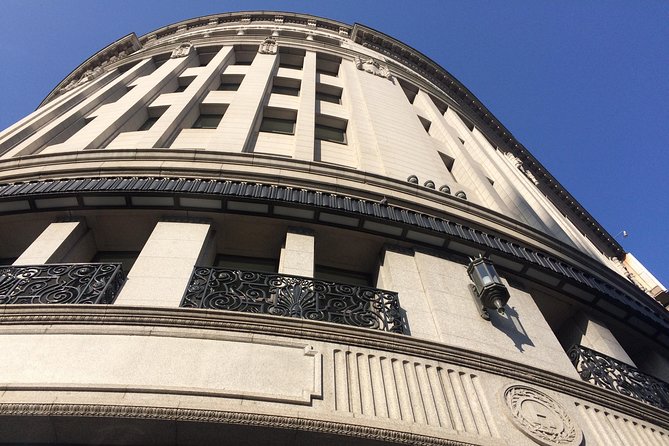
The final scheduled architectural stop is Okuno Building, with about 10 minutes inside. It provides a useful contrast to the sleek commercial towers and brand-focused buildings earlier in the walk.
Rather than treating every stop as another polished facade, the guide can use Okuno Building to show a different chapter of Ginza’s built environment. Its inclusion helps broaden the tour beyond the newest and most expensive-looking architecture.
This is also the point where the guide’s skill matters most. A building may not explain itself at first glance. You need someone who can connect its design to Ginza’s changing streets and explain why it deserves attention.
The tour finishes at the Ginza 4-chome intersection, in front of Mitsukoshi department store. That is a handy ending point for continuing your afternoon, but hotel drop-off is not included.
What the private guide adds
A private guide is the main reason to choose this experience over a standard group walk. The guide can slow down when you become interested, skip a detail that does not matter to you, or explain architecture in plain language.
Several guides are named in the available feedback. Yoko is praised for clear explanations, flexibility, and a friendly manner. Yuki is described as enthusiastic and well informed about Ginza’s luxury architecture. Taka Yamamura brings an urban planning background, while Yoshi is patient with people who have little architectural experience.
Mari is noted for strong English and for contacting the group ahead of time to learn about interests. Makoto adjusted a walk to a participant’s questions and helped with translation during an unexpected tea tasting at a local seaweed and tea shop. Eriko is described as spending extra time showing local shopping spots.
Those examples suggest that the guide quality is a major part of the experience. They also show why you should tell the operator what interests you before the tour. Ask for more architecture, more history, more shopping context, or more local culture, and the guide has room to shape the discussion.
One caution: English ability may vary by guide. Most feedback describes clear and effective communication, but one account found the English only adequate and wanted more detail at the most notable buildings. If precise architectural terminology is important to you, include that request when booking.
Pace, comfort, and the real cost
The listed price is $132.10 per person. That is not a cheap casual walk, but this is a private experience rather than a large group outing. The maximum is five people, and the price becomes easier to justify when a family or small party shares the guide.
For one or two people, the cost is harder to compare with a regular city walk. You are paying for personalization, English-language interpretation, and the ability to ask questions throughout the route. If you are mainly looking for a quick orientation to Ginza, you may find the price high.
The tour lasts about three and a half hours. The itinerary assigns around 40 minutes to walking from site to site, with the rest divided among interiors, exterior explanations, and conversation. Wear comfortable shoes and expect a moderate level of physical activity.
A cozy pause with drinks is included, which helps break up the walking. The tour offers two departure times, another practical advantage if you are fitting Ginza around shopping, meals, or other Tokyo plans.
It is intended for participants age 10 and older, and all travelers pay the adult price. The activity is near public transportation, but there is no hotel pickup or drop-off.
Who should book this Ginza walk?
I would choose this tour if you want to understand why Ginza looks the way it does, not simply take pictures of its best-known buildings. It suits first-time visitors who want context and repeat visitors who have already seen the district but never examined it closely.
It is a strong match for:
- Small families with children age 10 or older who can manage several hours of walking
- Architecture and design fans
- Shoppers who want to understand the buildings behind major Japanese and international brands
- Visitors interested in the mix of Buddhist, theatrical, commercial, and neighborhood culture
- People who prefer asking questions to listening to a fixed group presentation
I would be more cautious if you want a slow temple tour, a full Kabuki experience, or extended time inside every building. The route covers many places, and a few stops may last only five minutes or remain exterior views.
Free cancellation is available if you cancel at least 24 hours before the start time. Changes or cancellations inside that window are not accepted for a refund.
Should you book this private Ginza architecture tour?
Book it if you like cities best when someone helps you read them. The strongest part is the combination of private attention, flexible discussion, and contrasts between new design, older religious spaces, Kabuki culture, and everyday Ginza.
The tour is especially good value for three to five people who will share the cost. Tell the company your interests before arrival, ask for a guide comfortable with architectural detail, and accept that the route may adjust when a conversation becomes worthwhile.
Skip it if you want a simple shopping walk or a long visit at one major attraction. For everyone else, this is a thoughtful way to look above the storefronts and see Ginza as a changing Tokyo neighborhood.
FAQ
How long does the Private Ginza Architecture Walking Tour last?
The tour lasts approximately 3 hours and 30 minutes, including walking between sites and time spent at buildings, cultural sites, and a drink pause.
Where does the tour begin and end?
It begins near Exit 1 of Tsukiji Station at 3-chome-15 in Tsukiji. It ends at the Ginza 4-chome intersection, in front of Mitsukoshi department store.
How many people can join a booking?
This is a private activity with a maximum of five people per booking. Only your group participates.
What age range is allowed?
The minimum age is 10, and adult pricing applies to all participants.
Is hotel pickup included?
No. Hotel pickup and drop-off are not included. The meeting point is near public transportation.
Can I cancel for a full refund?
Yes. You can receive a full refund if you cancel at least 24 hours before the experience start time. Cancellations or changes made less than 24 hours before the start time are not accepted for a refund.
Just added around Japan
- Small-Group Architecture Tour in Ginza, Tokyo★ 5.0 · 6 reviews
- Japanese Garden & Western Architecture: Akasaka exploration tour★ 5.0 · 9 reviews
- Tokyo Architecture and Contemporary Art Walking Tour with a local guide★ 5.0 · 15 reviews
- Private Ueno Park Architecture Walking Tour★ 5.0 · 8 reviews
- [Aomori Prefecture] Tour the history and architecture in Towada City, the art city★ 5.0 · 6 reviews
- Private Ueno Park Architecture Tour★ 5.0 · 5 reviews
- Private Ginza Architecture Tour★ 5.0 · 3 reviews
- Kyoto: Nijo Castle & Gardens 2-Hour Guided Tour★ 4.5 · 2 reviews
Walking Tours, compared.
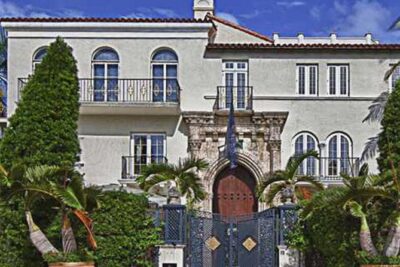
The Official Art Deco Walking Tour by The Miami Design Preservation League
Read our review →
Barcelona: Gothic Quarter Ghosts and Legends Walking Tour
Read our review →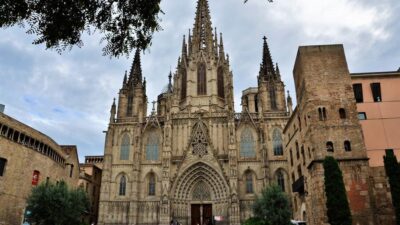
Barcelona: Old Town and Gothic Quarter Walking Tour
Read our review →
Lecce: Baroque Architecture and Underground Walking Tour
Read our review →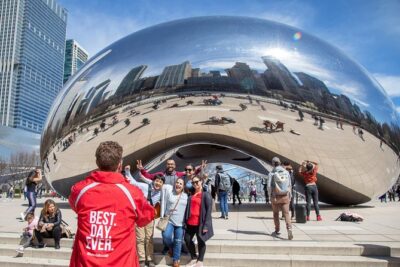
Chicago in a Day: Food, History & Architecture Walking Tour
Read our review →
Ramblas, Old Town, Gothic and Gaudi Architecture Walking Tour
Read our review →
Chicago’s Secret Interiors Architectural Walking Tour
Read our review →Browse the lists this tour appears in