
Review · TOKYO
Small-Group Architecture Tour in Ginza, Tokyo
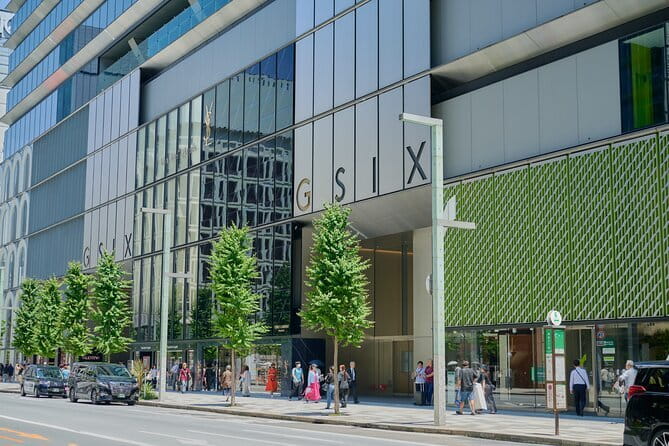
Ginza is more than Tokyo’s polished shopping strip. On this small-group architecture walk, you’ll see how old shrines, postwar rebuilding, natural disasters, luxury boutiques, and modern design share a few compact city blocks. Guides Hal and Taka bring different strengths, with Taka described as a former urban planner and architect.
I like the slow pace and the chance to step inside buildings such as the Nicolas G. Hayek Center and Maison Hermès, rather than simply photographing their façades from a passing car. I also like the six-person maximum, which gives you room to ask about local buildings and request extra recommendations. The main drawback is that the tour covers a lot of ground in three and a half hours, so some stops receive only five or ten minutes.
Key things to know before you book
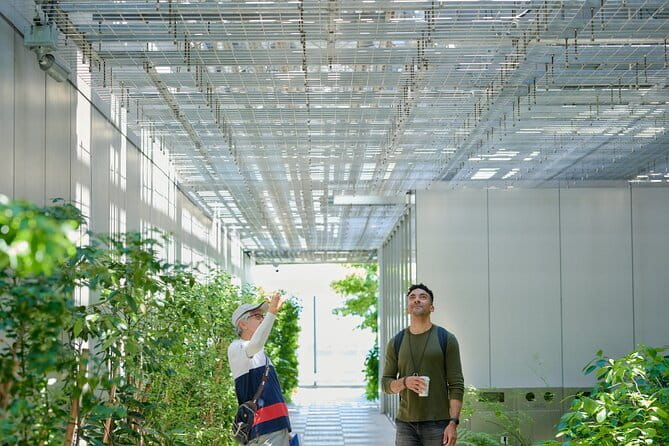
- Architecture is the main event: Study Ginza’s famous façades, interiors, temples, and smaller design details instead of treating the district as a shopping stop.
- The group is capped at six: You get a more personal walk and a better chance to ask questions than on a large city tour.
- The route begins in Tsukiji: Meet near Exit 1 of Tsukiji Station at 10:00 a.m., then walk toward central Ginza.
- Several interiors are included: The route enters Tsukiji Hongwanji Temple, Kabukiza Theater, the Nicolas G. Hayek Center, Maison Hermès, and Okuno Building.
- The pace is active but manageable: Walking between locations takes about 40 minutes in total, with a moderate fitness level recommended.
- Weather matters: Poor weather can lead to a rescheduled tour or a full refund.
Why Ginza rewards an architecture walk
Ginza is easy to misread. At street level, you see luxury shops, wide avenues, glowing signs, and carefully dressed shoppers. Look more closely, and the district becomes a compact lesson in Japanese building design.
The appeal here is the contrast. Traditional religious spaces sit near glass towers. A department store landmark faces experimental boutiques. Older structures survive beside sleek retail projects. The tour connects those pieces instead of treating each building as an isolated photo stop.
You also get context about the Shogun era and natural disasters. That matters because Ginza’s architecture is not just about fashion or corporate display. The district has been shaped by political change, rebuilding, and the need to respond to earthquakes and other disasters.
I would not book this tour if you only want a general introduction to Tokyo. It focuses tightly on Ginza and its buildings. If you enjoy urban design, city planning, photography, or the way old and new structures meet, the subject is much more rewarding.
A few more architecture tours around Japan worth a look
- Private Harajuku Omotesando Architecture Walking Tour
★ 5.0 · 67 reviews - Private Ginza Architecture Walking Tour
★ 5.0 · 50 reviews - Private Harajuku Omotesando Architecture Tour
★ 4.9 · 18 reviews
Starting in Tsukiji and walking toward Ginza
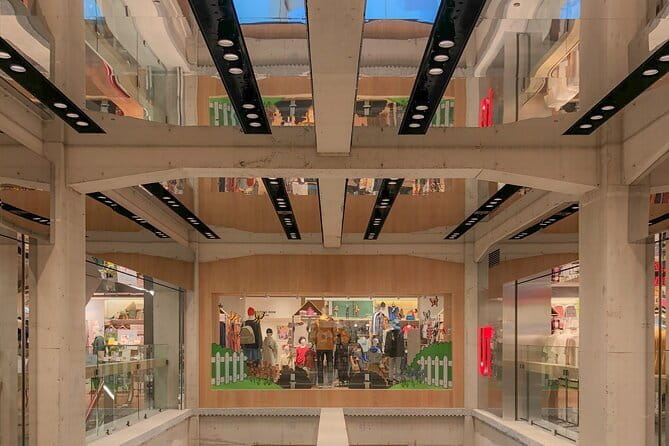
The meeting point is near Exit 1 of Tsukiji Station, at 10:00 a.m. The tour begins in Tsukiji and then moves toward Ginza, with roughly 40 minutes of walking between sites in total.
That starting point gives the route a useful sense of progression. You do not simply appear in the middle of Ginza’s luxury district. You begin near a well-known Tokyo neighborhood, then walk into the polished commercial core. Along the way, your guide can point out details that are easy to miss from a taxi or tour bus.
The walk is not described as strenuous, but you should be comfortable on your feet for several hours. Wear practical shoes. The tour includes frequent stops, yet the route still involves moving between eleven places.
The small group helps here. With a maximum of six people, the guide can keep the walk together without using a loudspeaker, and you can ask why a particular façade, entrance, or structural choice matters.
Tsukiji Hongwanji Temple: a strong opening contrast
The first formal stop is Tsukiji Hongwanji Temple, where you go inside for about ten minutes. This is one of the tour’s most useful contrasts because the experience shifts quickly from commercial Tokyo to a religious building.
The brief visit means you should expect an introduction rather than a long temple tour. Still, ten minutes is enough for your guide to explain what you are seeing and connect the temple to the wider architectural story.
This stop will appeal to you if you like buildings that carry meaning beyond their exterior. It also gives the morning a calmer pause before the route turns toward Ginza’s shops and towers.
The limitation is time. If you want a slow, contemplative temple visit, this tour does not provide it. The temple is one chapter in a larger route.
Kabukiza Theater and the architecture of performance
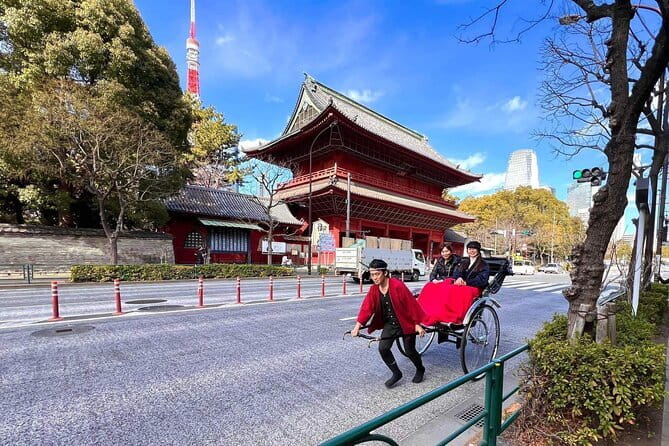
Next comes Kabukiza Theater, with about 20 minutes inside. That extra time makes it one of the more substantial stops.
Kabukiza is important not only as a theater but also as a building designed around public arrival, performance, and visual identity. Your guide can help you focus on the way the structure presents itself to the street and how its features relate to traditional Japanese theater.
Going inside is valuable. You get more than the standard exterior photograph, and you can ask questions while standing in the building rather than hearing a quick explanation from across the road.
Even so, the tour is not a performance ticket. The visit is about the building and its features, not watching a kabuki production. If you want a full theater program, you would need to arrange that separately.
Same city, a completely different century:
- Tokyo: Shibuya Highlights Walking Tour & Secret View Spot
★ 5.0 · 287 reviews - Tokyo Architecture and Contemporary Art Walking Tour with a local guide
★ 5.0 · 15 reviews - Private Edo-Tokyo Open Air Architectural Museum Tour
★ 4.8 · 15 reviews - Japanese Garden & Western Architecture: Akasaka exploration tour
★ 5.0 · 9 reviews
Nicolas G. Hayek Center: a modern design highlight
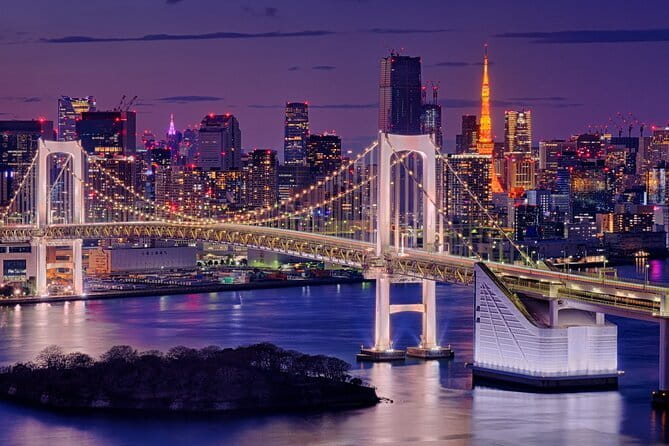
The Nicolas G. Hayek Center receives about 15 minutes, including an interior visit. This is one of the route’s most appealing modern stops.
The building is associated with the Swatch Group and its watch brands, but the tour treats it as an architectural work rather than a shopping errand. You can examine how a luxury retail building creates an identity through its materials, shape, and interior experience.
This is also where a guide with a planning or architecture background can add real value. Taka, identified as a former urban planner and architect, has been especially praised for explaining Ginza’s modern buildings. A guide such as Taka can help you see why the center is more than a branded storefront.
Fifteen minutes is enough for a focused look, though not for a detailed technical lecture. If you want to study every construction feature, you may find the schedule brisk.
Toyoiwa Inari Shrine: a five-minute pocket of tradition
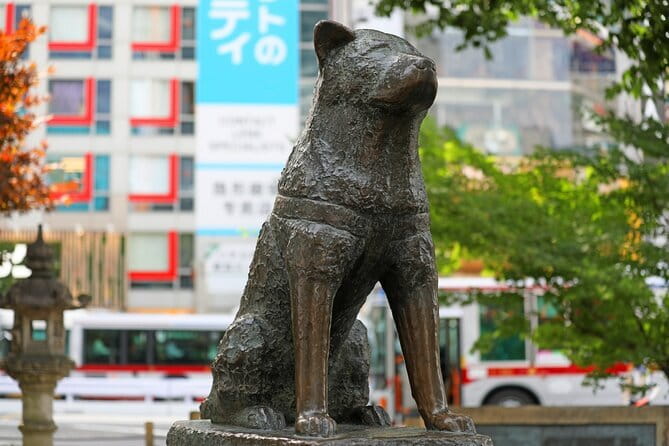
The stop at Toyoiwa Inari Shrine lasts about five minutes. That is short, but the brevity is part of the point.
In a district filled with luxury retail, a small shrine can be easy to pass without noticing. Your guide draws attention to that smaller piece of Ginza, showing how religious spaces remain part of the city’s daily pattern.
Do not expect a long explanation or extended quiet time. This is a quick architectural and cultural pause. I like it because it keeps the route from becoming a parade of commercial buildings.
Maison Hermès and the value of seeing inside
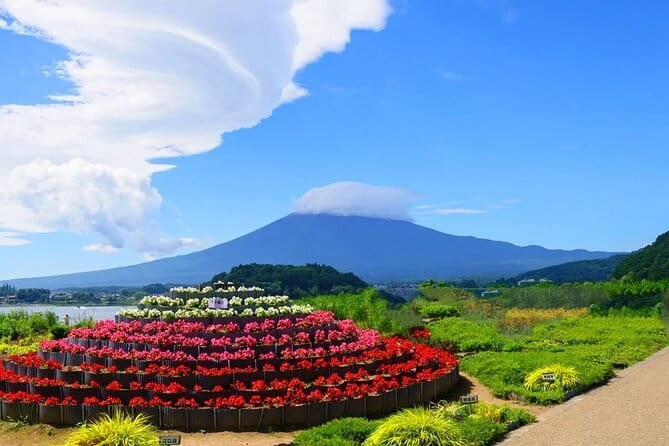
The tour then visits Ginza Maison Hermès Le Forum, with about 15 minutes inside. The building is famous for its carefully controlled exterior, but an interior visit helps you understand the design as a complete project.
You can look at how light, materials, display space, and movement work together. The guide’s job is to point out the parts you might otherwise treat as ordinary retail design.
This is a good stop for photographers, design students, and anyone curious about how luxury brands use architecture. It also shows why walking beats a vehicle for this route. You can stop, look up, compare surfaces, and discuss details without a driver waiting at the curb.
The schedule remains tight. You may see the main features without having time to explore the store at your own pace.
Mikimoto buildings and the language of luxury
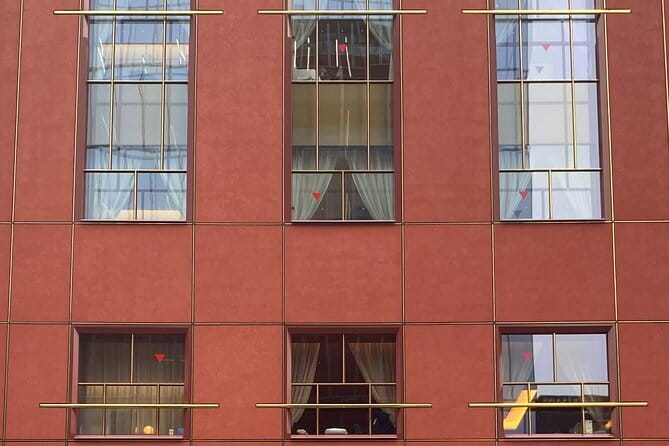
The route includes two Mikimoto-related stops, each offering a different kind of visit.
At Mikimoto Boutique Ginza 2chome, you may go inside if time allows, with about five minutes planned. That conditional wording matters. The tour has several stops, and the guide may need to keep the group moving.
Later, at Mikimoto Ginza 4chome Honten, you view the building from outside for about five minutes. The two stops let you compare a boutique interior with a well-known Ginza façade.
These are quick looks, not shopping appointments. They are useful if you want to see how jewelry brands turn buildings into part of their identity. They are less satisfying if you prefer long visits inside each location.
UNIQLO Tokyo and the Wako clock tower area
At UNIQLO Tokyo, the group views the building from outside for about ten minutes. The stop gives the route a more familiar retail name and lets your guide discuss how a large, accessible brand presents itself in Ginza.
The exterior viewing format keeps the tour moving. You do not spend time browsing merchandise, which is helpful if your priority is architecture rather than shopping.
The route then reaches Wako Ginza, viewed from outside for about ten minutes. Wako is one of the district’s most recognizable landmarks, so this is a good place to understand Ginza’s visual identity and how one building can anchor a major intersection.
These two stops also underline an important point: not every visit involves entering a building. Some architecture is best understood from across the street, where you can see the full façade and its relationship to the avenue.
Okuno Building: an older finish to the route
The final architectural visit is Okuno Building, where you go inside for about ten minutes. This gives the tour a different ending from the glass-and-brand spectacle found earlier in the day.
Okuno Building helps broaden the picture of Ginza. The district is not made only of new luxury projects. Older buildings and smaller-scale spaces remain part of its character, and a guided visit gives you a better chance of noticing them.
The tour ends at the Ginza 4-chome intersection, in front of Mitsukoshi department store. That is a practical finish. You are left in a central part of Ginza, close to major shopping and transport connections, with time to continue exploring on your own.
Hal, Taka, and the guide’s role
The guide can make or break a specialized architecture tour. Here, the named guides are Hal and Taka. Hal has been praised for explaining how individual projects became distinctive and iconic, while Taka brings experience as a former urban planner and architect.
Those details matter because architecture tours can easily become a string of building names. You want someone who can explain cause and effect: why a structure looks the way it does, how its setting affects the design, and what Ginza’s past has to do with its present.
The small group of no more than six gives you a good chance to ask direct questions. You can also ask for recommendations of other local architectural sites after the formal route ends.
Guide availability may vary on your date, so do not book on the assumption that a particular person will lead every departure. The experience provider is Showcase Tokyo Architecture Tour, and the tour includes a local licensed guide.
What $84.70 buys you
At $84.70 per person, this is not a cheap way to get a general Ginza orientation. It is a specialized walk with a local guide, interior visits, a drink break, and a very small group.
The value improves if you would otherwise spend time passing these buildings without understanding them. A guide who can connect the Shogun era, disasters, urban rebuilding, retail design, and religious architecture gives the route a clear purpose.
You are not paying for admission tickets, since the listed stops are free. You are paying mainly for the guide’s time, the carefully arranged route, and access to a focused explanation of places you could visit independently.
I consider the price reasonable for travelers who care about architecture or design and want personal guidance. It is harder to justify if you prefer shopping, photography without commentary, or a fast list of famous Ginza landmarks.
A cozy drink pause is included, which adds a welcome break during the walk. Hotel pickup and drop-off are not included, so you need to reach Tsukiji Station on your own.
Timing, weather, and practical details
The experience lasts about three hours and 30 minutes and starts at 10:00 a.m. Confirmation arrives when you book, and a mobile ticket is provided.
The tour requires good weather. If poor conditions cancel it, you are offered another date or a full refund. The normal cancellation rule allows a full refund if you cancel at least 24 hours before the start time. Changes or cancellations inside that window are not accepted for a refund.
The route is near public transportation, but hotel transfers are not part of the service. Plan enough time to reach the Tsukiji meeting point, especially if you are crossing Tokyo from another district.
A moderate fitness level is recommended. You should expect standing, walking, and repeated stops. The tour does not present itself as a strenuous hike, but it is not a seated sightseeing trip either.
Who will get the most from this tour
I would choose this experience if you:
- Like architecture, design, photography, or city planning
- Want to see Ginza beyond its department stores
- Prefer a small group to a large guided outing
- Enjoy asking detailed questions
- Want some interior access rather than exterior photos alone
- Have about half a day available for a focused walk
I would look elsewhere if you want a food tour, a shopping guide, a full kabuki performance, or a broad introduction to Tokyo. The route is tightly centered on Ginza’s buildings, and several stops are brief.
The tour suits an independent visitor who has already seen Tokyo’s major sights and wants a sharper view of one district. It also works early in a Tokyo stay if you want your guide to suggest other buildings and local sites for later.
Should you book the Ginza architecture tour?
Book it if you want to understand why Ginza looks the way it does, not just photograph its best-known façades. The strongest reasons are the six-person limit, the mix of temple, theater, shrine, boutique, and older building, and the chance to learn from guides with strong architecture and planning backgrounds.
Think twice if $84.70 feels high for a walking tour or if you dislike a brisk schedule. Five-minute stops can feel rushed, and some interior visits depend on time and access.
For the right reader, this is a focused and worthwhile way to spend a morning in Tokyo. Bring comfortable shoes, keep your camera ready, and pay attention to the small details between the famous names. That is where the tour earns its price.
FAQ
Where does the architecture tour begin?
It begins near Exit 1 of Tsukiji Station, at Tsukiji 3-chome in Chuo City, Tokyo.
What time does the tour start?
The tour starts at 10:00 a.m.
Where does the tour finish?
It finishes at the Ginza 4-chome intersection, in front of Mitsukoshi department store.
How long does the tour last?
The experience lasts approximately three hours and 30 minutes.
How large is the group?
The maximum group size is six travelers.
Is the tour conducted in English?
The supplied tour information identifies a local licensed tour guide, but it does not specify the tour language.
What is included in the price?
The price includes a local licensed tour guide and a cozy pause with drinks along the way.
Are hotel transfers included?
No. Hotel pickup and drop-off are not included.
Do I need to be physically fit?
A moderate physical fitness level is recommended because the experience involves walking between locations and standing during visits.
What happens if the weather is poor?
The experience requires good weather. If it is canceled because of poor weather, you are offered a different date or a full refund.
Just added around Japan
- Japanese Garden & Western Architecture: Akasaka exploration tour★ 5.0 · 9 reviews
- Tokyo Architecture and Contemporary Art Walking Tour with a local guide★ 5.0 · 15 reviews
- Private Ueno Park Architecture Walking Tour★ 5.0 · 8 reviews
- [Aomori Prefecture] Tour the history and architecture in Towada City, the art city★ 5.0 · 6 reviews
- Private Ueno Park Architecture Tour★ 5.0 · 5 reviews
- Private Ginza Architecture Tour★ 5.0 · 3 reviews
- Kyoto: Nijo Castle & Gardens 2-Hour Guided Tour★ 4.5 · 2 reviews
- Private Edo-Tokyo Open Air Architectural Museum Tour★ 4.8 · 15 reviews
Tokyo Architecture Tours, compared.
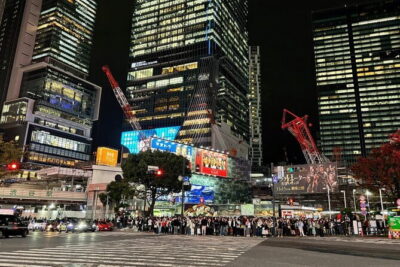
Tokyo: Shibuya Highlights Walking Tour & Secret View Spot
Read our review →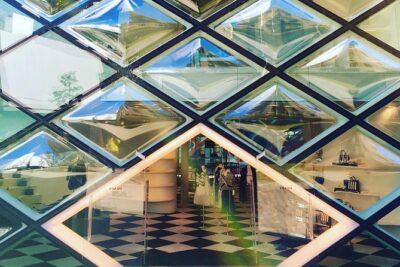
Private Harajuku Omotesando Architecture Walking Tour
Read our review →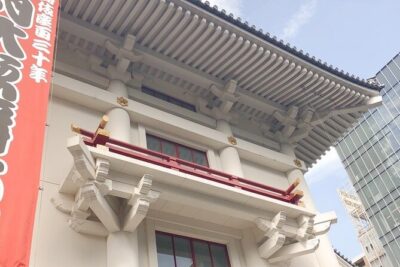
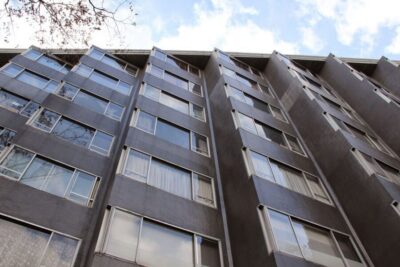
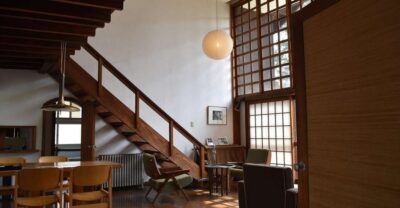
Private Edo-Tokyo Open Air Architectural Museum Tour
Read our review →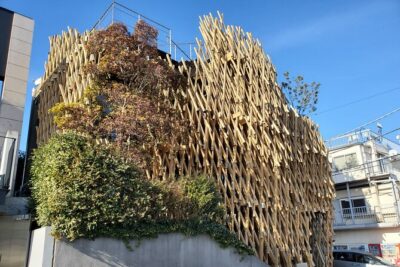
Tokyo Architecture and Contemporary Art Walking Tour with a local guide
Read our review →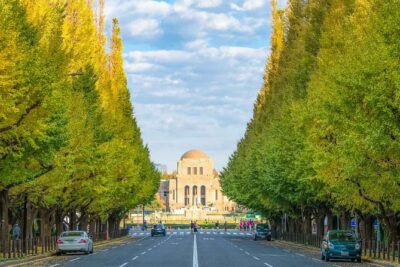
Japanese Garden & Western Architecture: Akasaka exploration tour
Read our review →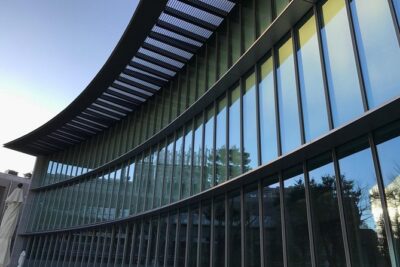
Browse the lists this tour appears in