
Review · TOKYO
Tokyo Architecture and Contemporary Art Walking Tour with a local guide
Tokyo reveals itself especially well through its buildings. This private walking tour links Ginza’s polished architecture, Rafael Viñoly’s striking Tokyo International Forum, Roppongi’s art institutions, and the streets around Shibuya and Daikanyama. You get a useful shortcut through a city that can feel hard to read on your own.
I like the small private format, which lets your guide adjust the pace and respond to your interests. I also like the mix of famous sights and everyday districts, from Prada’s sculptural Omotesando store to Takeshita Street and Daikanyama’s bookshops and cafés. The tradeoff is real: you may spend a lot of the day underground on trains, and the full route can reach 13,000 to 20,000 steps.
Key points to know before booking
- Seven districts in one long day: The route can include Ginza, Tokyo International Forum, Roppongi, Omotesando, Takeshita Street, Shibuya, and Daikanyama.
- Private for your group: Up to nine people can join, with no unrelated participants sharing the guide.
- Architecture comes first: Expect commentary on famous buildings, modern design, galleries, and the way each district uses architecture.
- Public transport is part of the experience: Local trains and subway travel connect the scattered neighborhoods, and an IC card may be used.
- Guide quality matters: Tomoya, Richie, Riley, and Masa have all led this experience, with particular praise for clear English, flexible planning, and strong architecture knowledge.
- Plan for a full walking day: The official duration is about 6 to 8 hours, with bottled water provided.
Why Tokyo works so well as an architecture tour
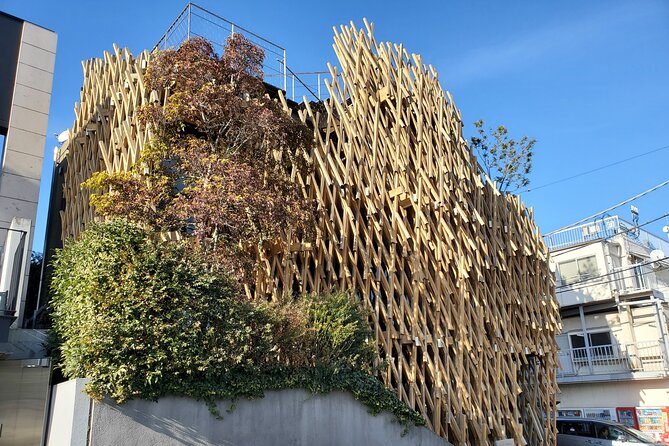
Tokyo can feel visually chaotic at first. One block has a glass office tower, the next has a narrow shop, a temple gate, a brightly lit sign, or a fashion store with a building designed by an internationally known architect. This tour gives that mix some order.
Instead of seeing architecture as a list of isolated landmarks, you move through districts where buildings help define the local mood. Ginza is polished and commercial. Roppongi joins museums with large-scale modern buildings. Harajuku is louder and younger. Daikanyama feels calmer and more design-conscious.
That range is the main reason to choose this experience. It is not just a museum visit, and it is not only a photo stop at Shibuya Crossing. You get a long look at how Tokyo’s architecture changes from one neighborhood to the next.
The route also shows why this is better suited to people who enjoy context. Your guide explains what you are looking at, points out design details, and helps you notice buildings you could easily pass without understanding their importance. The tour is particularly useful if you want a local guide to connect contemporary art, fashion, shops, public spaces, and architecture.
More architecture walks in Japan:
- Tokyo: Shibuya Highlights Walking Tour & Secret View Spot
★ 5.0 · 287 reviews - Private Harajuku Omotesando Architecture Walking Tour
★ 5.0 · 67 reviews - Private Ginza Architecture Walking Tour
★ 5.0 · 50 reviews
Ginza: polished streets and ambitious storefronts
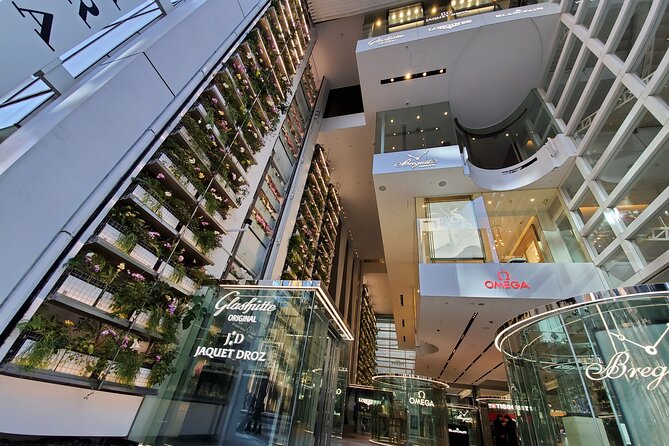
Ginza is the natural opening for a design-focused day. It is one of Tokyo’s best-known districts, filled with boutiques, Japanese stores, galleries, jewelry shops, and carefully designed commercial buildings.
The key point here is not simply shopping. Ginza shows how retail architecture can become part of the city’s public face. Major brands use their buildings to signal style, status, and technical skill. Your guide can help you look beyond the merchandise and pay attention to the façades, materials, unusual shapes, and relationship between old shopping traditions and new construction.
You will have about an hour in the area, with no admission ticket required for the stop itself. That makes it an easy place to begin, though you should not expect a museum-style indoor visit at every location. The emphasis is on the streets, buildings, galleries, and the guide’s explanation.
Ginza is also a useful reminder that this is a walking tour with architecture as the subject. You may browse a store or two, but the day is not designed around shopping time. If you want long visits inside boutiques, you will need to discuss that with your guide and accept that another stop may receive less time.
Tokyo International Forum: a short stop with a big payoff
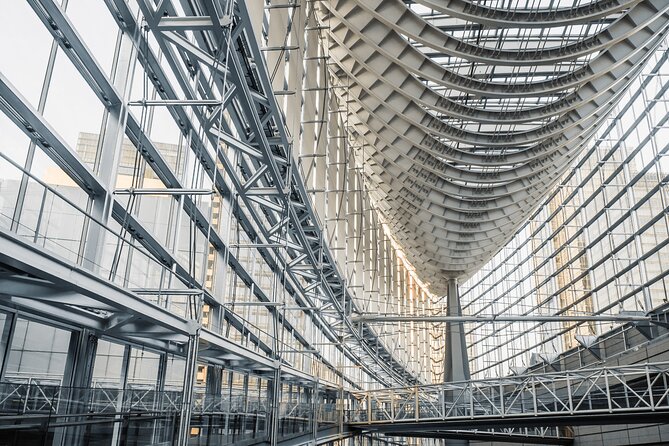
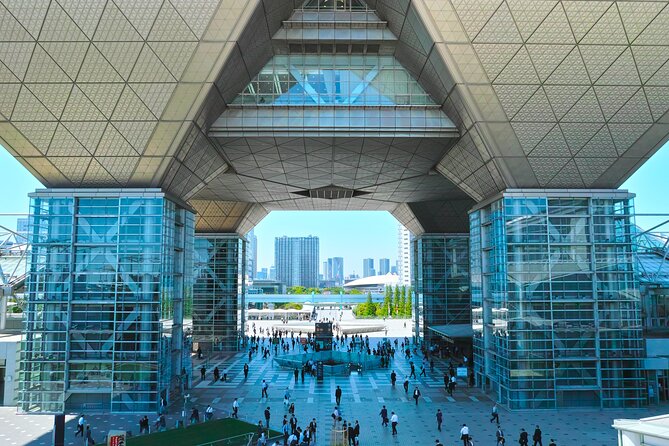
The Tokyo International Forum is one of the day’s clearest architectural highlights. Designed by Rafael Viñoly, a Uruguay-born American architect, this postmodern convention and art center is known for its dramatic form and large interior spaces.
Only about 15 minutes is assigned to this stop, so think of it as a focused architectural visit rather than a long exploration. That short time can still work well because the building makes an immediate impression. You get a chance to understand its role as a major public and cultural building before moving on.
I would pay close attention here to scale, structure, and the contrast between the building’s public purpose and its sculptural design. Your guide’s commentary is especially valuable because a large structure can be difficult to appreciate from a quick photograph alone.
The short timing is also a limitation. If this is the building you most want to study, tell your guide early. The private format offers room for suggestions, but a day that covers seven areas cannot give every building a long interior visit.
Roppongi: Tokyo’s art center in one neighborhood
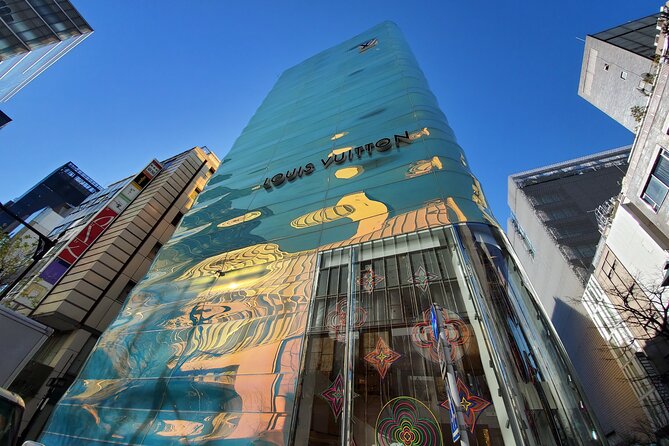
Roppongi brings the art side of the tour into sharper focus. The area is home to three major institutions known together as the Art Triangle Roppongi: the National Art Center, Mori Art Museum, and Suntory Museum of Art. It also includes other galleries and the Fujifilm Square area.
You may not enter every museum during this walking tour, so check your expectations. The provided stop is listed as free admission, but that does not mean all temporary exhibitions or museum interiors are part of the schedule. The value here is learning where Tokyo’s main art institutions are located and seeing how they fit into the wider district.
Roppongi also helps balance the commercial architecture of Ginza and Omotesando. Instead of looking only at shops and corporate buildings, you get a neighborhood where architecture, exhibitions, photography, and public culture meet.
The scheduled hour gives you enough time for a useful introduction. If a specific museum exhibition is a priority, ask whether the route can include it and how that might affect the rest of the day. The private setup makes that conversation possible, but time remains limited.
More guided tours in Japan:
- Kyoto: Nijo Castle & Gardens 2-Hour Guided Tour
★ 4.5 · 2 reviews - Barcelona: Sagrada Familia Entry Ticket with Audio Guide
★ 4.6 · 105,312 reviews - Fast Track Sagrada Familia Guided Tour
★ 4.5 · 8,795 reviews - Chicago River: 1.5-Hour Guided Architecture Cruise
★ 4.8 · 8,046 reviews
Omotesando: fashion brands turn buildings into art
Omotesando is one of the strongest parts of the route for people who enjoy modern commercial design. Its high-end fashion and jewelry stores are housed in buildings by major architects, making the street feel like an open-air design display.
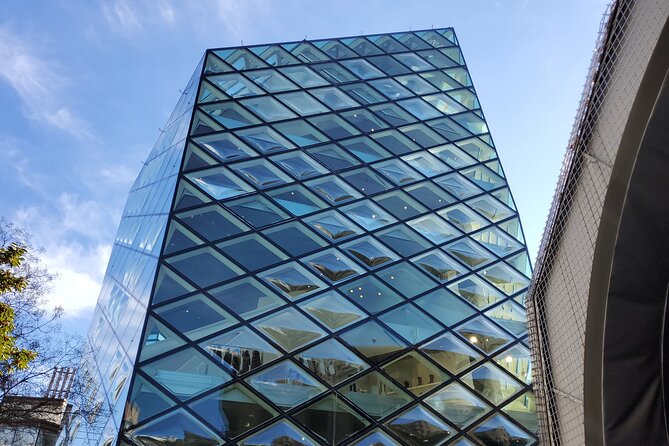
The Prada flagship is a major reference point. It was created by the Swiss architecture firm Herzog & de Meuron, and its unusual exterior gives your guide plenty to discuss. You will likely see how a brand uses architecture to create an identity before you even step inside.
This is where the tour’s architecture and contemporary art themes come together neatly. A store is still a store, but the building can also be a statement about glass, structure, light, texture, and luxury. Omotesando makes those ideas easy to see because so many prominent buildings sit close together.
You get about an hour here. That is enough for a street-level survey and some photographs, but not for a full shopping session. If you want to enter stores, keep in mind that your guide is balancing your interests with the rest of the route.
Takeshita Street: youth culture and visual overload
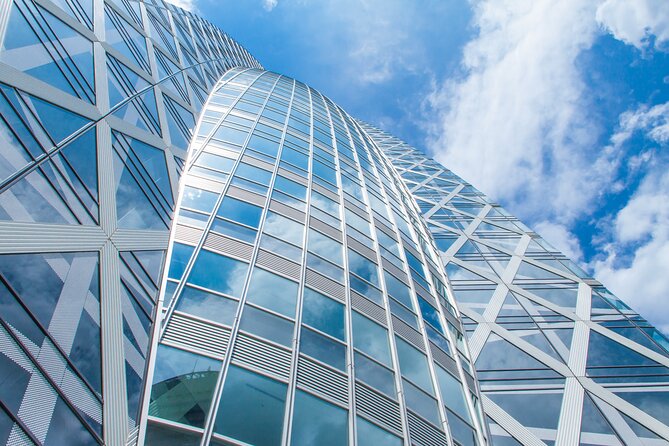
Takeshita Street offers a sharp change of tone. Harajuku gives you a look at Japanese youth culture, with unusual fashion, playful design, and buildings that do not follow the restrained style found in parts of Ginza or Omotesando.
This stop is valuable because it keeps the tour from becoming a procession of polished landmarks. Tokyo’s architecture is not only glass towers and internationally famous firms. It is also signs, shopfronts, narrow streets, bold colors, and the way young shoppers and designers use limited urban space.
The scheduled hour gives you time to take in the street and its visual energy. It is also one of the places where the tour may feel crowded and fast-moving, so stay aware of the group and your belongings. The information provided does not promise shopping time or particular purchases, though one past day included time to buy chopsticks and eat ramen. Treat that as a possible personal adjustment, not a guaranteed part of every outing.
Shibuya Crossing: famous, quick, and worth the pause
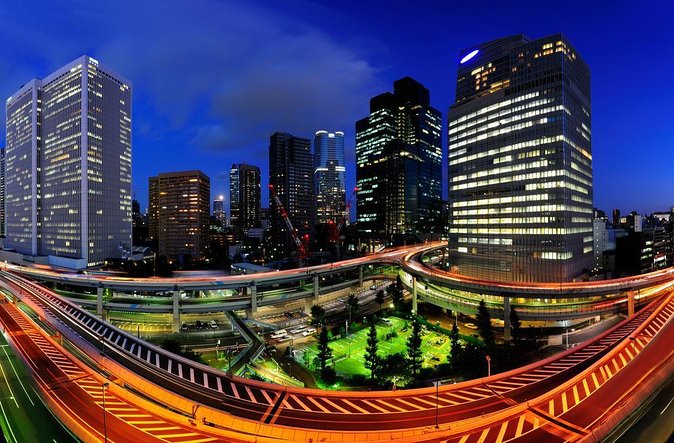
Shibuya Crossing is allotted about 30 minutes. That may sound brief, but the crossing is a concentrated experience. From the surrounding streets, you can watch the signals change and see the famous flow of pedestrians spread across the intersection.
Your guide can put the scene into context and help you choose a useful viewpoint. The stop is less about architecture in the narrow sense and more about public space, movement, advertising, and the scale of modern Tokyo.
Do not expect half a day here. The short visit works because Shibuya is one piece of a much longer route. You get the visual impact, take photographs, and then continue to a quieter district.
Daikanyama and Nakameguro: a calmer final chapter
Daikanyama and Nakameguro provide a welcome change after the pace of Harajuku and Shibuya. The neighborhoods are known for boutiques and cafés, with a less hectic atmosphere than Tokyo’s headline districts.
This is also where the tour can feel most like a local neighborhood walk rather than a landmark checklist. The Tsutaya bookstore is a notable stop, and its design-conscious setting fits the themes of the day. You may find the area easier to appreciate after the louder streets earlier in the itinerary.
The schedule allows about an hour. That is enough for a clear introduction, though the route still depends on walking and public transport between districts. If you prefer quiet streets, small shops, and design details over famous photo stops, this section may be one of your favorites.
Moving around Tokyo: useful, but not always scenic
The tour uses Tokyo’s public transport to connect neighborhoods that are spread across the city. That is practical and authentic, but it also means time spent on trains and in stations. One detailed account described a lot of underground travel and suggested that buses or taxis might make some transfers more enjoyable.
Another day used local trains with IC cards. Your own transport arrangements should be confirmed with the provider, since the supplied information does not state that fares are included in the price.
This is the main practical drawback. You are not walking continuously through one compact historic area. You are making several urban jumps, then exploring each district on foot. The payoff is variety, but the transfers can feel like downtime, especially if you hoped for a relaxed architecture stroll.
Wear comfortable shoes and bring patience for stations. Bottled water is provided, which is helpful on a hot day, but the walking total can still be substantial. A full day reached roughly 13,000 to 20,000 steps, so this is not the right choice if you want a low-effort sightseeing outing.
Guides and the value of a private group
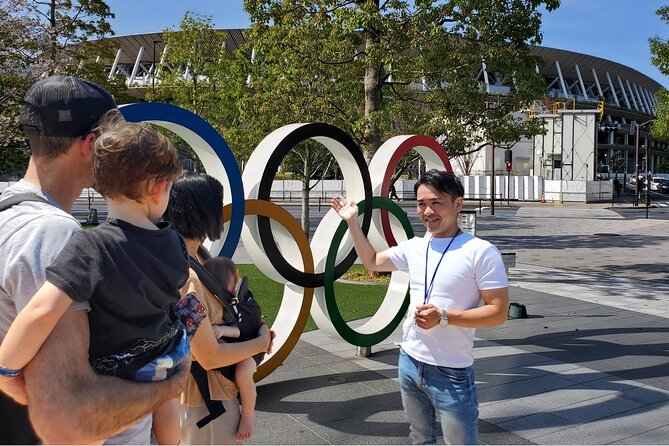
The guide is the most important part of this experience. Tomoya, Richie, Riley, and Masa are among the guides associated with the tour. Riley has been specifically described as responsive to suggestions and strong in English, while Tomoya, Richie, and Masa have been praised for clear planning, architecture knowledge, and a friendly approach.
Your assigned guide may be different, so I would not book this expecting a particular person unless the provider confirms that request. The useful pattern is that the guides can adjust the day. One group was able to add time for chopstick shopping and ramen, while another praised the guide for adapting to requests despite rain.
The private format covers up to nine people for $424.58 per group. For a larger family or group of friends, that can be good value because the price is not charged per person. For one or two people, the cost is much harder to justify unless architecture is a major reason for your Tokyo visit.
The group size also matters for pacing. A private guide can slow down for a building, change the order, or shorten a stop that does not interest you. The route still has a lot to cover, but it should feel more responsive than a large scheduled group.
Timing, meeting arrangements, and cancellation
The experience lasts about 6 to 8 hours and ends back at the meeting point. Pickup is offered, and the tour description also refers to meeting outside your hotel or at a convenient central point. Confirm the exact arrangement after booking, especially if your hotel is outside the practical pickup area.
The listed operating hours are 8:30 AM to 3:00 PM for the periods December 24, 2025 through January 4, 2026, and January 5, 2026 through January 20, 2027. Confirmation is sent within 48 hours, subject to availability.
You can cancel for a full refund up to 24 hours before the start time. Changes or cancellations made within 24 hours are not accepted for a refund. The experience is near public transportation, and most people can take part, but the long walking distance is worth considering before you book.
The current score is 4.9 from 15 ratings, with 100 percent recommending it. That is a strong record, though the sample is modest. The most consistent strengths are guide quality, flexible planning, and the chance to see Tokyo through architecture rather than only through its headline attractions.
Should you book this Tokyo architecture tour?
Book it if you want a private, guide-led look at Tokyo’s buildings, contemporary art districts, fashion streets, and neighborhood design. It suits curious first-time visitors, architecture fans, photographers, and groups that want to shape the day around their own interests.
Think twice if you dislike long walks, train transfers, or a packed schedule. You will not spend hours inside every museum, and some of the most important stops are quick street-level visits.
For a group of four to nine, the $424.58 price has a stronger value case. For a solo visitor, I would book only if the personal guide and architecture focus matter more to you than keeping costs low. If that is your priority, this tour gives you a smart way to connect Tokyo’s grand buildings with its everyday streets.
FAQ
How long does the Tokyo architecture and contemporary art tour last?
The tour lasts approximately 6 to 8 hours.
How much does the private tour cost?
The listed price is $424.58 per group, with up to nine people included.
Is this a private tour?
Yes. Only your group participates in the activity.
Can I request pickup?
Pickup is offered. The tour information also describes meeting outside your hotel or at a convenient central point, so confirm the exact meeting arrangement after booking.
Which areas does the tour visit?
The route includes Ginza, Tokyo International Forum, Roppongi, Omotesando, Takeshita Street in Harajuku, Shibuya, and Daikanyama. Nakameguro is also included in the Daikanyama section.
Does the tour use public transportation?
Yes. Public transportation is used to travel between the districts. One documented outing used local trains with IC cards.
What is the cancellation policy?
You can cancel at least 24 hours before the start time for a full refund. Cancellations or changes made less than 24 hours before the start time are not accepted for a refund.
Just added around Japan
- Small-Group Architecture Tour in Ginza, Tokyo★ 5.0 · 6 reviews
- Japanese Garden & Western Architecture: Akasaka exploration tour★ 5.0 · 9 reviews
- Private Ueno Park Architecture Walking Tour★ 5.0 · 8 reviews
- [Aomori Prefecture] Tour the history and architecture in Towada City, the art city★ 5.0 · 6 reviews
- Private Ueno Park Architecture Tour★ 5.0 · 5 reviews
- Private Ginza Architecture Tour★ 5.0 · 3 reviews
- Kyoto: Nijo Castle & Gardens 2-Hour Guided Tour★ 4.5 · 2 reviews
- Private Edo-Tokyo Open Air Architectural Museum Tour★ 4.8 · 15 reviews
Walking Tours, compared.
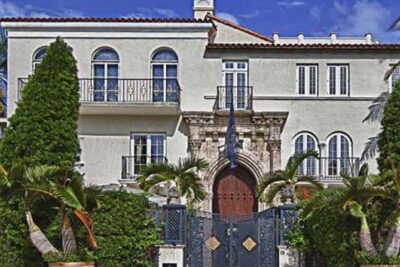
The Official Art Deco Walking Tour by The Miami Design Preservation League
Read our review →
Barcelona: Gothic Quarter Ghosts and Legends Walking Tour
Read our review →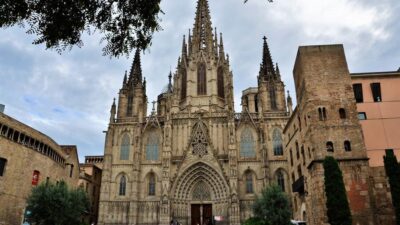
Barcelona: Old Town and Gothic Quarter Walking Tour
Read our review →
Lecce: Baroque Architecture and Underground Walking Tour
Read our review →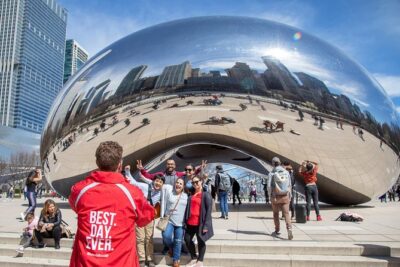
Chicago in a Day: Food, History & Architecture Walking Tour
Read our review →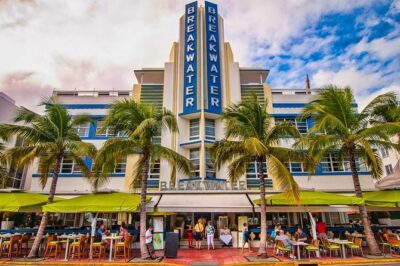
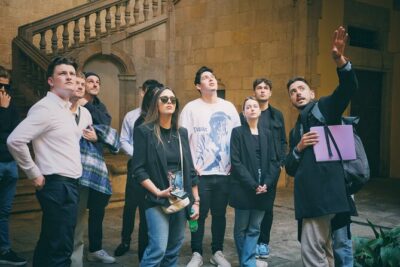
Ramblas, Old Town, Gothic and Gaudi Architecture Walking Tour
Read our review →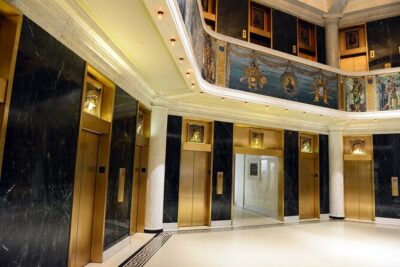
Chicago’s Secret Interiors Architectural Walking Tour
Read our review →Browse the lists this tour appears in