Review · ARCHITECTURE TOURS
Tashkent Soviet Architecture (Modernism) and Subway station tour.
Tashkent’s metro is the star here. Each station has its own design, from space-age mosaics to grand Soviet decoration, and a local guide helps you read the city beyond its broad avenues and polished facades. The walk also brings in Amir Temur Square, Independence Square, the Monument of Courage, and Friendship of Nations Square.
I like the private format, since Aziza and the other guides can adjust the walk for your interests, group size, and pace. I also like the way the tour links architecture to recent history, especially the 1966 earthquake and the Soviet rebuilding that followed.
The main thing to watch is the meeting plan. One booking began late because of confusion over where to meet, so confirm the start time and Hotel Uzbekistan meeting point clearly. The 2-hour-15-minute schedule is useful for an introduction, but it cannot cover every major corner of Tashkent.
Key points at a glance
- The metro is the highlight: Ride through several of Tashkent’s most decorated stations, with three or four especially beautiful stops included in the main plan.
- Soviet modernism gets context: You see buildings and monuments as part of Tashkent’s rebuilding after the 1966 earthquake, not as isolated photo stops.
- The walk is private: Your group alone takes part, with capacity for one to 20 people and room to request a stronger architecture focus.
- The route begins and usually ends at Hotel Uzbekistan: This makes a central landmark an easy place to find your guide.
- Guides can shape the experience: Aziza, Waheed, Mirwaheed, and Mirvoxid are named by past customers, with Aziza receiving especially warm praise for her lively explanations and flexibility.
- Allow for extra costs: Transport fees and taxes are not included, although metro admission is listed as included.
Why Tashkent’s Soviet architecture deserves your time
Tashkent can seem broad, orderly, and modern at first glance. Wide streets, large squares, and monumental buildings do not always explain themselves. This tour gives you a way to read them.
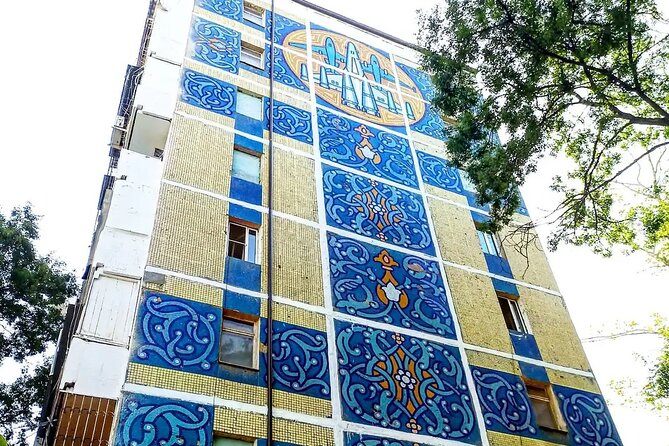
The focus is Soviet architecture, especially the modernist work that appeared as Tashkent was rebuilt and reshaped during the Soviet period. You are not simply taken from one famous building to another. The guide explains how Uzbek identity, Soviet planning, public monuments, and earthquake reconstruction overlap in the city center.
That background matters. Without it, the Uzbekistan Hotel may look like a grand old city hotel, and the Monument of Courage may seem like another formal memorial. With a guide, these places connect to a story about power, public life, disaster, and the changing face of Tashkent.
I would treat this as an orientation walk rather than a full architectural survey. You get a useful introduction to central Tashkent, but the short duration means the explanations need to move along. If you want detailed discussion of every facade or a long stop inside each attraction, you may find the schedule brisk.
A few more architecture tours around the world worth a look
- Chicago Architecture River Cruise
★ 5.0 · 15,756 reviews - Chicago River 90-Minute Architecture Tour
★ 4.5 · 9,629 reviews - Chicago River: 1.5-Hour Guided Architecture Cruise
★ 4.8 · 8,046 reviews
Starting at Amir Temur Square and the Uzbekistan Hotel
The tour begins at Hotel Uzbekistan on Mirzamakhmud Musakhanov Street. This is a practical starting point because the hotel itself is part of the architectural story, and Amir Temur Square is nearby.
At Amir Temur Square, you receive an explanation of the square, its surrounding buildings, and the Uzbekistan Hotel. The stop lasts about 35 minutes, making it the longest part of the walking route. That extra time is useful because it lets your guide explain the setting instead of giving you a quick name-and-date introduction.
The square is also a good place to begin understanding central Tashkent’s scale. Monumental public space and large government-era buildings create a very different feeling from the market streets and older neighborhoods. I like starting here because you get the big civic picture before moving underground into the metro.
The Uzbekistan Hotel is a particularly useful reference point. It is both the meeting place and one of the buildings discussed on the walk. If you are interested in Soviet modernism, pay attention to the structure’s mass, placement, and relationship to the square rather than treating it only as a convenient landmark.
Your guide may also adjust the discussion to your interests. One private group requested a stronger focus on Soviet architecture, and the route was adapted accordingly. That is one of the real advantages of booking a private walk instead of joining a fixed group.
Independence Square, Romanov history, and the national story
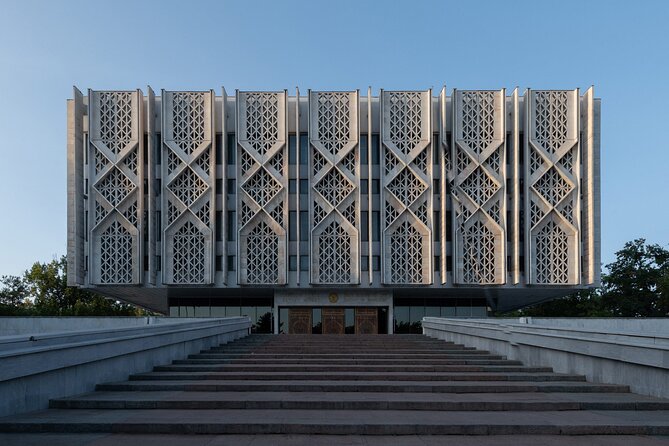
The next listed stop is Independence Square, also called Mustakillik Square. The visit lasts about 15 minutes and includes attention to the Palace of Duke Romanov and the Museum of History of Uzbekistan.
This is a short stop, so expect an outdoor explanation rather than a lengthy museum visit. The value lies in seeing how different eras sit close together: imperial connections, Soviet public planning, and independent Uzbekistan’s national identity.
The Palace of Duke Romanov adds a pre-Soviet layer to the walk. It helps prevent the tour from becoming a narrow study of Soviet buildings alone. You are looking at a city shaped by several political periods, with each period leaving its own buildings and symbols.
The Museum of History of Uzbekistan provides another useful reference, although the tour does not promise a full museum visit. If you want to go inside and examine the collections, ask your guide how much time is available or plan a separate visit.
I would not expect this stop to be the architectural high point. It is more valuable as context. The square helps you understand how central Tashkent presents its national story, while the guide can explain what changed after independence.
Riding the metro through Tashkent’s decorated stations
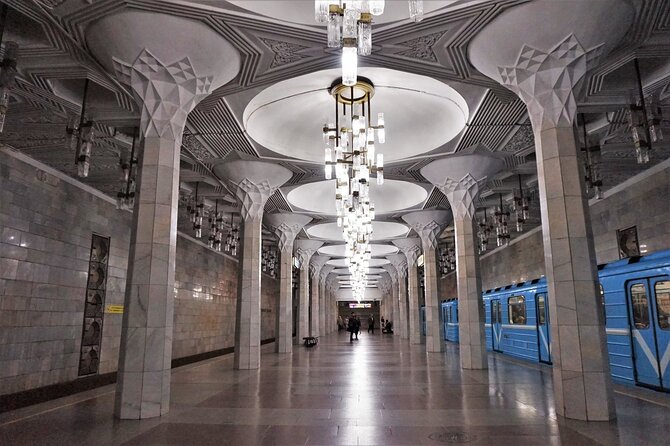
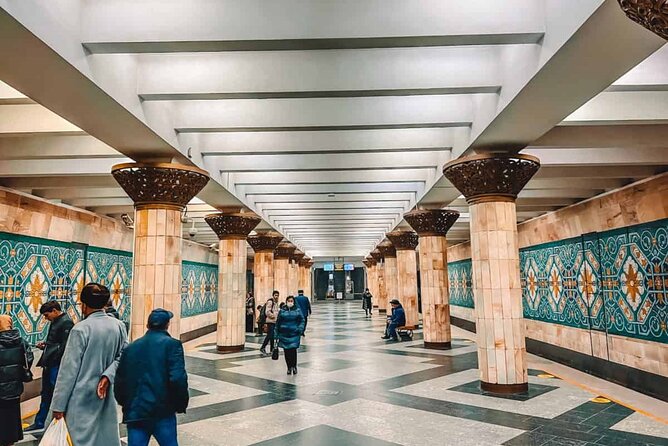
The metro section is the main reason I would book this tour. You spend about 30 minutes learning about the subway system and visiting three or four of its most attractive stations.
Tashkent’s metro is more than a way to get across town. Its stations were designed as public interiors, with tilework, mosaics, chandeliers, columns, and themes linked to Uzbek culture, Soviet achievement, or local history. The exact appeal varies from station to station, which is why a guided visit works better than simply riding around without a plan.
The route may include the Cosmonaut station, a particular favorite for people interested in Soviet imagery and space exploration. Another tour included five or six stations and made sure to visit Cosmonaut station, so the number of stops may vary with the guide, timing, and the group’s priorities.
You should expect a working metro, not a quiet museum. Stations can be busy, and the schedule is limited. Still, 30 minutes is enough to see several interiors and understand why the subway is such a strong part of Tashkent’s architectural identity.
The metro ticket or admission is listed as included, while transport fees generally are not. Since the information provided uses both included and excluded fee language, I would confirm exactly what is covered before setting out. Bring a phone or camera if you want photographs, but listen to the guide first. The details in the mosaics and station design are easy to miss when you are focused only on taking pictures.
Same city, a completely different century:
- Chicago Architecture Center River Cruise aboard First Lady
★ 5.0 · 5,536 reviews - Chicago: Architecture River Cruise Skip-the-Ticket Line
★ 4.8 · 4,325 reviews - Chicago River 45-Minute Architecture Tour from Magnificent Mile
★ 4.5 · 2,924 reviews - Barcelona: Sant Pau Recinte Modernista Entry Ticket
★ 4.6 · 2,567 reviews
The Monument of Courage and the memory of the earthquake

The route also includes the Monument of Courage and Soviet architecture connected with the earthquake. This is one of the most meaningful parts of the tour because it brings human events into the architectural story.
Tashkent suffered a major earthquake in 1966, and the city was rebuilt on a large scale afterward. The monument marks the disaster and the response to it. Your guide explains the connection between the earthquake, Soviet reconstruction, and the broad modern city you see today.
This stop may not be as visually ornate as the metro. Its value is different. It gives you a reason for the city’s planning, public buildings, and modernist character. Once you have heard this story, the broad avenues and large civic spaces feel less random.
The stop is also a reminder to keep the tour balanced. Tashkent’s Soviet period was not only about monumental architecture. It was also about disruption, rebuilding, and the way a city’s residents adapted to major change. A good guide uses the monument to connect those themes without turning the walk into a dry lecture.
Friendship of Nations Square and Palace
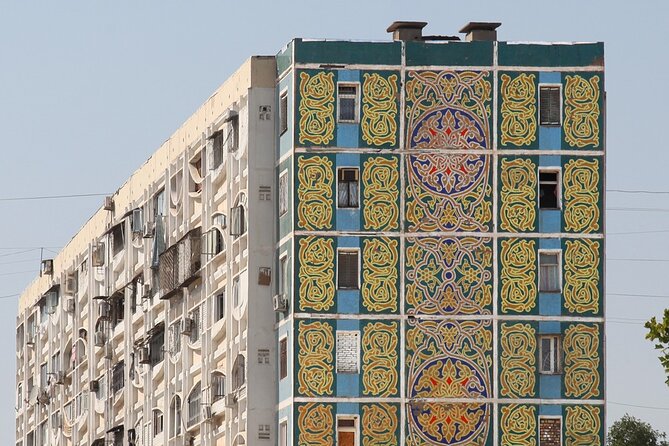
The final listed stop is Friendship of Nations Square and the Friendship of Nations Palace. The visit lasts about 20 minutes and continues the tour’s interest in public architecture and Soviet-era symbolism.
The name points to a familiar Soviet idea: unity among the different peoples of the union. In Tashkent, that message sat within a city that also had its own Uzbek character, language, and traditions. The guide can help you see the tension and overlap between official Soviet ideals and local identity.
This stop works well after the metro and earthquake monument. You have already seen decorative interiors and learned about reconstruction. Here, the focus returns to the grand public spaces used for official gatherings and civic events.
The tour usually ends back at Hotel Uzbekistan. That makes the finish convenient, especially if you are staying nearby or want to continue exploring central Tashkent on foot. Check the exact end point with your guide, since the route can be adjusted for a private group.
Where Chorsu Bazaar fits into the experience
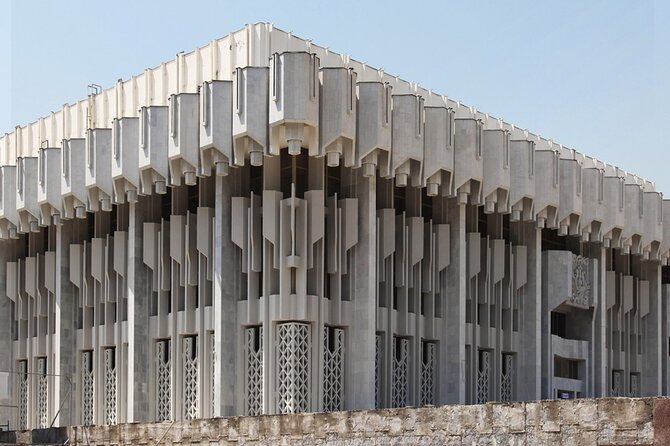
The tour description also includes Chorsu Bazaar and its food stalls as part of the Tashkent introduction. The detailed stop list focuses more heavily on Soviet architecture, central squares, and the metro, so you should confirm whether Chorsu is included in your chosen version of the route.
That distinction matters. Chorsu is a food and market experience, while the rest of the route is mainly architectural and historical. If local food, shopping, and everyday city life are your priority, ask for Chorsu when booking. If Soviet modernism is your main interest, make that clear instead.
One private group requested architecture as its focus and received an adjusted walk. Another guide included the bazaar along with the subway and city sights. This flexibility is useful, but it also means the exact route may not be identical for every booking.
The guides and the value of a private walk
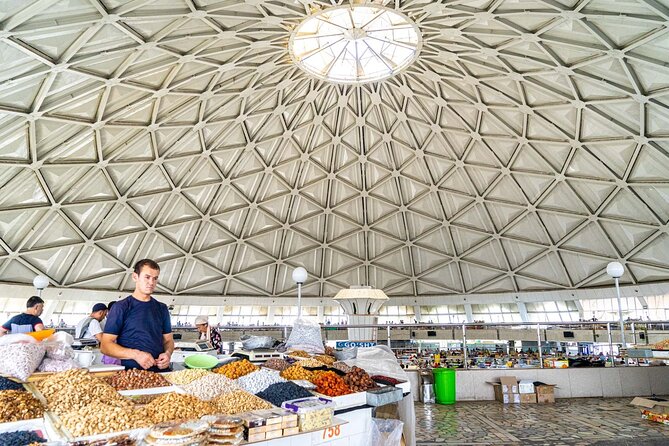
Aziza is the guide most often named in the supplied feedback. She is described as warm, well organised, fun to walk with, and generous with her time. She also offered suggestions for other places to visit in Tashkent, which is helpful if this is your first day in the city.
Waheed, Mirwaheed, and Mirvoxid are also named as guides. Their focus included the metro, architecture, and the past and present of Tashkent. The different names may reflect different guides or spelling variations, so confirm who will lead your tour if that matters to you.
The private format is the tour’s strongest practical feature. You can ask for more Soviet architecture, move at a comfortable pace, or add attention to the bazaar and other city sights. A group of six used this flexibility successfully, and the activity can take groups from one to 20 people.
That said, private does not mean unlimited. The tour lasts about 2 hours and 15 minutes, and the route includes several stops. If your group wants long photo sessions, a museum visit, or many metro stations, you will need to agree on priorities early.
Price, timing, and who gets good value
At $50 per person, the price is easiest to justify for a solo visitor or a small private group. You are paying for a guide who can explain the city and adjust the route, not simply for transport between sights.
For larger groups, the value improves if the group discount applies. A private tour for up to 20 people can also be more cost-effective than arranging separate guiding for each person. Ask about the discount before booking, since the exact rate is not provided here.
The tour is booked on average 34 days ahead, which suggests that planning early is sensible, especially if you want a particular guide or date. Confirmation is sent at booking. The meeting point is Hotel Uzbekistan, and the walk normally finishes there.
The tour requires decent weather. If poor weather cancels it, you are offered another date or a full refund. Cancellation is free up to 24 hours before the start time. Less than 24 hours leaves no refund, and late changes are not accepted.
The route is suitable for most people, and service animals are allowed. It is near public transportation, but the activity itself is mainly a walk with a metro ride. If you have limited walking ability, ask about the exact route before booking rather than assuming every stop can be reached by vehicle.
Should you book this Tashkent architecture tour?
I would book it if you want a clear first look at Tashkent’s Soviet modernism, especially the metro stations and earthquake reconstruction. The guide adds the meaning that large squares and monumental buildings often lack when you explore alone.
It is also a strong choice for solo visitors, couples, families, and private groups who want to set the pace. Choose Aziza if available and request the architecture focus if that is your priority. Ask about Cosmonaut station, the number of metro stops, and whether Chorsu Bazaar can be included.
I would skip it only if you want a full-day architectural study, a long museum visit, or an unhurried food tour. For everyone else, this short walk is a useful, well-priced introduction to the city’s public face, its Soviet past, and the subway beneath it.
FAQ
How long does the Tashkent Soviet architecture tour last?
The experience lasts approximately 2 hours and 15 minutes, although the advertised overview describes it as a private 2.5-hour walking tour.
Where does the tour begin and end?
The meeting point is Hotel Uzbekistan at Mirzamakhmud Musakhanov Street 45 in Tashkent. The tour usually ends at the same hotel.
Is the tour private?
Yes. Only your group takes part, and private groups can range from one to 20 people.
Is the metro ride included?
Metro admission is listed as included. Transport fees and taxes are listed separately as not included, so confirm the exact coverage before the tour.
Does the tour visit Chorsu Bazaar?
Chorsu Bazaar and its food stalls are included in the general tour description, but the detailed stop list focuses on central squares, Soviet architecture, the metro, the Monument of Courage, and Friendship of Nations Square. Confirm the route if Chorsu is important to you.
What is the cancellation policy?
You can cancel at least 24 hours before the start time for a full refund. Cancellations or changes made less than 24 hours before the start time are not accepted for a refund. If poor weather or an insufficient number of participants cancels the tour, you are offered another date or a full refund.
Just added around the world
- Wilmington History and Architecture Tour★ 4.8 · 18 reviews
- Washington, DC: Georgetown Architecture Walking Tour★ 5.0 · 8 reviews
- New Orleans : Garden District Architecture Walking tour★ 4.8 · 5 reviews
- Washington DC: Dupont Circle & Embassy Row Architecture Tour★ 5.0 · 6 reviews
- Walk & Discover KL’s Architectural and Heritage Gems★ 5.0 · 7 reviews
- Vicenza: discovering the city of Palladio by e-bike★ 5.0 · 4 reviews
- Vicenza: Palladian Architecture Private Walking Tour★ 3.3 · 3 reviews
- Unveiling Brno: History, Culture & Architectural Delights★ 5.0 · 2 reviews
Architecture Tours, compared.
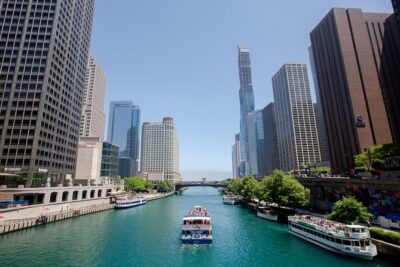
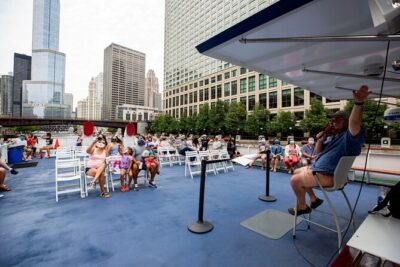
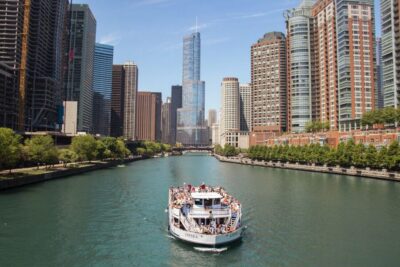
Chicago River: 1.5-Hour Guided Architecture Cruise
Read our review →
Chicago Architecture Center River Cruise aboard First Lady
Read our review →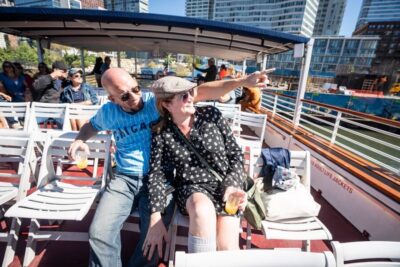
Chicago: Architecture River Cruise Skip-the-Ticket Line
Read our review →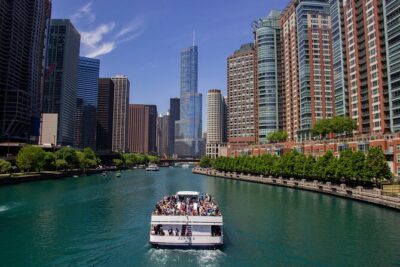
Chicago River 45-Minute Architecture Tour from Magnificent Mile
Read our review →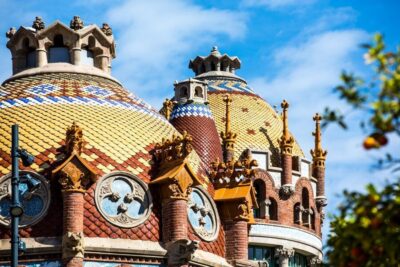
Barcelona: Sant Pau Recinte Modernista Entry Ticket
Read our review →