
Review · MEXICO
Queretaro: colonial architecture and history
Querétaro’s story begins with an aqueduct, but this tour quickly shows you that the city is much more than a pretty colonial backdrop. You’ll hear the romance behind the aqueduct’s construction, walk through old convents, and connect local events to Mexico’s independence, the French intervention, silver mining, and wider world history. Armando Magaña’s storytelling is the main attraction.
I like two things especially. First, the small group, capped at six, gives the tour a personal feel and leaves room for questions. Second, the route builds a useful sense of place, moving from the hill where Querétaro was founded to its grand churches, main square, and former convents. The English presentation is clear and lively, with a good mix of dates, people, legends, and architectural details.
The main consideration is focus. This is chiefly a history and religious-architecture walk, not a specialist architecture tour. If you want close analysis of façades, floor plans, and building techniques, say so at the start. The advertised three to four hours may also stretch longer when questions and conversation get going.
Key points at a glance
- The aqueduct opens the story: Learn how Querétaro was founded and hear the romantic tale linked to its construction.
- Armando puts local events in context: The tour connects Querétaro to Mexico’s independence, the French intervention, silver, and European events.
- Seven historic stops form one walk: Churches, convents, a cemetery, a main square, and a museum create a clear route through the old center.
- Small groups matter: With no more than six people, you can ask questions and adjust the conversation toward history or architecture.
- Expect a half-day on foot: The route usually takes three to four hours, and past tours have run beyond that.
- The finish is practical: You end at Museo de la Ciudad, a central point where you can continue walking, take a taxi, or stop for a meal.
Why Querétaro makes a good history walk
Querétaro can be difficult to read on your own. A handsome church may look like one more colonial building, while a quiet plaza may have played a major role in the country’s political story. This tour gives those places a timeline and explains how the city developed.
The route covers the Spanish colonial period, the work of religious orders, the independence movement, and later conflicts that shaped Mexico. You will also hear about silver and the old inland road, two subjects that help explain why Querétaro mattered beyond its immediate region.
I like this wider frame. Armando does not treat each stop as an isolated monument. He uses the buildings to explain people, power, religion, trade, and war. That approach suits you if you want to understand what you are seeing rather than simply collect a list of names.
It also makes the tour a useful first activity in Querétaro. You can take later walks through the old town with a better sense of why the streets, churches, and squares are arranged as they are. If you take it near the end of your stay, it still works well as a final explanation of places you may already have passed.
More history tours in the world:
- Chicago in a Day: Food, History & Architecture Walking Tour
★ 5.0 · 1,153 reviews - Kuala Lumpur: Batu Caves & Historic Buildings Tour
★ 4.7 · 539 reviews - Charleston’s Best Highlights: History, Culture & Architecture
★ 5.0 · 422 reviews
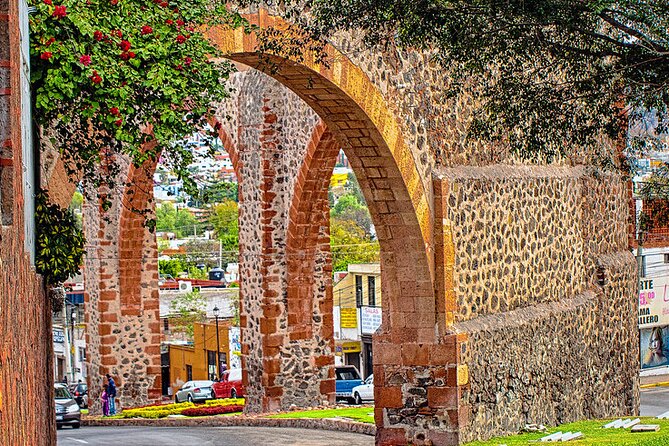
Starting beneath the arches at El Acueducto
The meeting point is the Mirador de los Arcos, at Ejército Republicano 47. The aqueduct is an excellent opening because it gives you a large visual marker and a direct introduction to the city’s origins.
You will spend about 15 minutes here. The stop covers the foundation of Querétaro and the love story associated with the aqueduct’s construction. That personal story helps keep the opening from becoming a string of dry dates.
Admission is free. The stop is short, so expect an introduction rather than a full engineering study. The aqueduct functions as the first chapter in the city’s story, not the entire subject of the morning.
The Panteón de los Queretanos Ilustres
The next stop moves from a city monument to the people connected with Querétaro’s past. At the Panteón de los Queretanos Ilustres, you will hear about notable figures buried there and the actions that influenced Mexican history.
The visit lasts about 15 minutes and admission is free. This stop matters because it puts names and personalities behind the political events discussed elsewhere. You are not just hearing that Querétaro played a role in national change. You are learning about some of the people who helped shape it.
A cemetery visit also changes the pace of the walk. After the open views near the aqueduct, the mood becomes more reflective. Armando’s broad knowledge is useful here, since the value of the stop depends on the stories attached to the people rather than on the site alone.
Santa Cruz and the hill where the city was founded again
At the Templo y ex-convento de la Santa Cruz de los Milagros, the tour spends about 40 minutes, making this one of the more substantial stops.
The convent sits atop the hill where Querétaro was founded for a second time. You will hear legends connected with the site, along with national events in which the Franciscan convent played a part. This is where religion, legend, architecture, and political history come together most clearly.
The stop is especially useful if you are trying to understand the role of religious orders in colonial Mexico. The building was not merely a place for worship. It was part of the city’s social and historical life, and its location gives the discussion a strong connection to Querétaro’s beginnings.
Allow yourself time to listen here. A 40-minute visit can feel long if you want only quick photographs, but it is valuable if you enjoy stories and historical explanation. The tour’s strongest moments tend to come at places like this, where the building carries several layers of meaning.
A few more architecture tours around the world worth a look
- Chicago Architecture River Cruise
★ 5.0 · 15,756 reviews - Chicago River 90-Minute Architecture Tour
★ 4.5 · 9,629 reviews - Chicago River: 1.5-Hour Guided Architecture Cruise
★ 4.8 · 8,046 reviews - Chicago Architecture Center River Cruise aboard First Lady
★ 5.0 · 5,536 reviews
Plaza de Armas and the colonial center
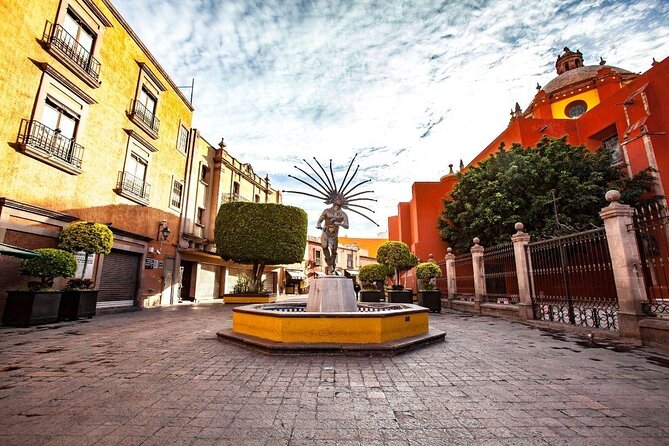
After seeing examples of neoclassical architecture, you reach Plaza de Armas, Querétaro’s picturesque main square. The stop lasts about 35 minutes and includes more stories about the city.
This is the place to look around and connect the earlier religious sites with the civic center. The square gives you a chance to consider how colonial cities brought together government, religion, commerce, and private life in a compact area.
If architecture is your chief interest, this is a good point to ask Armando for more detail. One past assessment of the experience found the history stronger than the architecture, while other comments describe useful discussion of churches and building styles. That tells you something important: the tour can address architecture, but its main strength is what the buildings reveal about history.
Ask direct questions if you want more attention to neoclassical design, baroque decoration, or the changes made to older buildings. The group limit makes that sort of adjustment more realistic than on a large bus tour.
The Guadalupe sanctuary and Mexico’s religious story
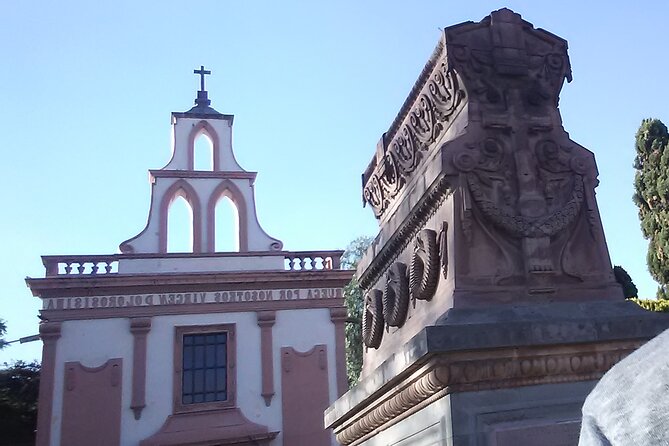
The Santuario de la Congregación de Nuestra Señora de Guadalupe takes about 15 minutes. Here you will look at the temple dedicated to the Virgin of Guadalupe while hearing about the religious figure’s importance in Mexico.
The stop also covers the person who built the temple. That detail keeps the visit grounded in a specific local story rather than treating the sanctuary as a general symbol.
For many visitors, this will be one of the more familiar religious subjects in Mexico. The value lies in seeing how national religious identity connects with a particular building and city. You will not need prior knowledge to follow the explanation, and the short visit keeps the route moving.
San Francisco and the old inland road
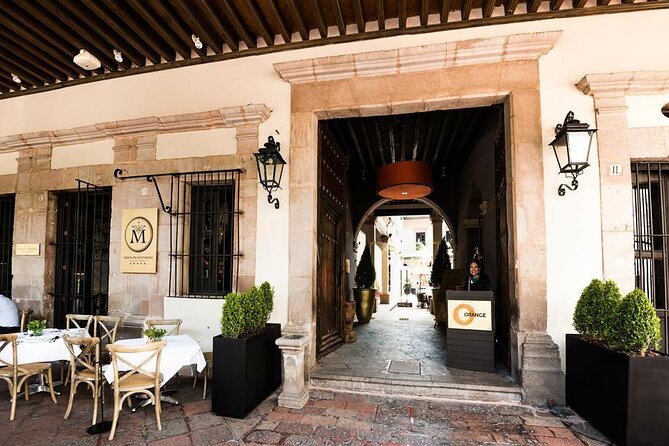
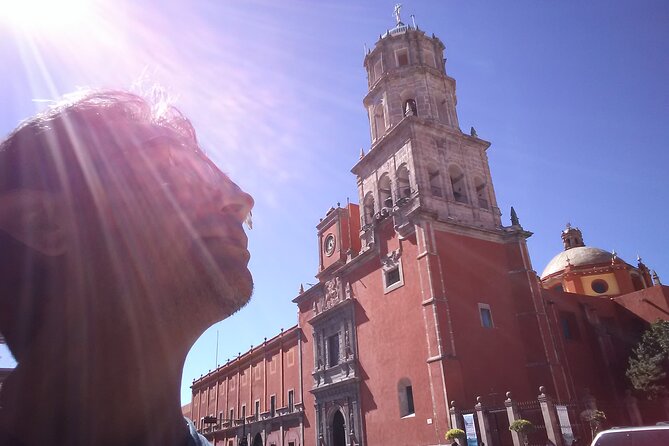
At the Templo y Exconvento de San Francisco de Asís de Querétaro, you will enter the former convent premises for about 15 minutes.
The building has changed through different periods of the country’s history. Armando explains those transformations and points out the place where the old inland road began. That road reference is a useful reminder that Querétaro was tied to movement, trade, and communication across Mexico.
This stop also reinforces one of the tour’s recurring ideas: old buildings are not frozen in time. Churches and convents were altered as political power shifted, religious life changed, and Mexico moved through conflict and reform.
The visit is brief, so do not expect every architectural detail. Think of it as a focused stop that links one important building to the larger story of travel and national development.
Santa Clara, where several histories meet
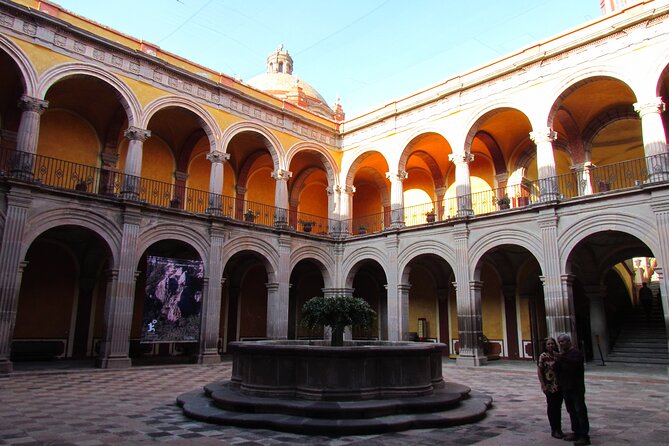
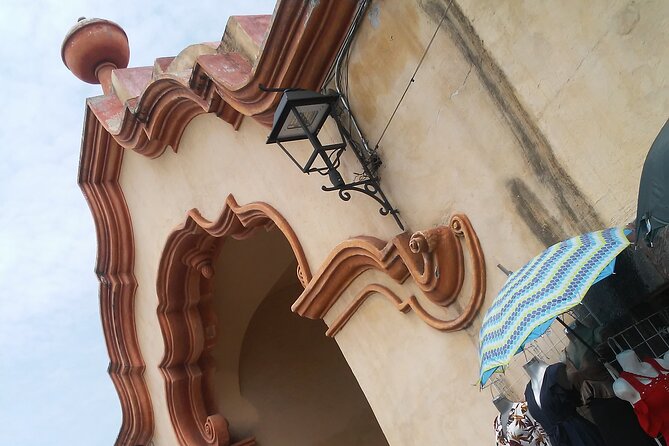
The Convento de Santa Clara brings together several subjects in one small area. You will see the first and largest female convent in the city, the site of the old city hospital, a notable neoclassical fountain, and what is described as the finest example of baroque private-house architecture in the area.
The visit lasts about 20 minutes. This may be the most rewarding stop for anyone who likes to compare different kinds of historic buildings close together. A convent, hospital, fountain, and private residence show how varied colonial urban life could be.
It is also a good example of why a guided walk helps. On your own, you might notice the fountain or admire the house but miss the connection between the buildings. Armando’s role is to point out those layers and explain how one corner can reveal the city’s religious, medical, domestic, and architectural past.
What Armando does particularly well
The strongest feature of this experience is the guide. Armando Magaña is praised for his command of Mexican history, his clear English, and his ability to connect small local details to major events.
His method seems to be less about delivering a memorized list and more about building a narrative. He may begin with a building, introduce the people linked to it, and then explain how the event fits into Mexican or world history. That style is helpful in Querétaro, where the local story reaches far beyond the city center.
You should also expect questions to be welcome. The small group allows more conversation, and the experience can lean toward history, religion, culture, or architecture depending on what you ask about. If you want the architectural side to receive equal weight, mention that early rather than waiting until the end.
Past tours have sometimes lasted more than four hours, and one ran beyond five. That is good news if you want time for explanations, but it matters for planning. Do not schedule a tight lunch reservation or another activity immediately afterward.
Pace, fitness, and practical planning
The advertised start time is 9:00 am. You begin at the Mirador de los Arcos and finish at Museo de la Ciudad, in the former Capuchin convent on Calle Vicente Guerrero.
The route is a walking experience through historic Querétaro. You should have a moderate level of physical fitness, and you should be comfortable walking and listening for three to four hours. The experience may not suit young children who are unused to long walks or extended historical talks.
Admission to each listed stop is free, which keeps the $50 price focused on the guide’s time and interpretation. I consider that reasonable if you value historical context and personal discussion. It is less compelling if you mainly want independent sightseeing or quick exterior photographs.
The end point is useful. Museo de la Ciudad is in the old center, so you can keep exploring on foot, find a place to rest, have dinner, or take a taxi back to your hotel. The tour does not return you to the starting point, so plan around that simple one-way route.
Mobile tickets are provided, and confirmation comes when you book. Service animals are allowed. The maximum group size is six, which is a real advantage for a route built around stories and questions.
How the $50 price compares with the experience
At $50 per person, this is not the cheapest way to walk through Querétaro. You can see the outside of many historic buildings without paying for a guide, and all seven listed stops have free admission.
The question is what you want from the morning. If you want names, dates, legends, and explanations of why Querétaro mattered in Mexico’s national story, the fee buys several hours of focused attention. Armando’s ability to connect silver, religious orders, independence, the French intervention, and local buildings gives the route more substance than a simple orientation walk.
The small group improves the value. A six-person limit means you are not competing with a crowd to hear the explanation or ask a question. Solo visitors may even find the experience operates like a private tour if no one else books the same time, though that is not guaranteed.
I would choose this tour for its interpretation, not for entrance benefits. The doors are free. The guide is the product.
Who should book this walk
I recommend it most strongly if you enjoy history, old churches, political stories, and city walks that take their time. It is also a smart choice if Querétaro is unfamiliar and you want help understanding how the city fits into Mexico.
English-speaking visitors benefit from Armando’s clear communication. Solo visitors and couples should find the small group especially comfortable, while families should think carefully about the walking time and the amount of listening involved.
You may want something else if your priority is technical architecture. The tour includes neoclassical and baroque examples and discusses changes to historic buildings, but the main emphasis is the connection between architecture and history.
Book it early if your schedule is fixed. It is commonly reserved about ten days ahead, and the small capacity can limit last-minute availability. Free cancellation is available until 24 hours before the 9:00 am start time. Changes or cancellations inside that period are not accepted for a refund.
Should you book Querétaro: Colonial Architecture and History?
Book this tour if you want Querétaro to make sense. The aqueduct, convents, sanctuary, cemetery, and plazas become parts of one story instead of separate sights.
I would especially choose it near the beginning of a Querétaro visit, since the route helps you understand the old town before exploring on your own. Choose it later if you prefer a final explanation that ties together what you have already seen.
Skip it if you want a short, photo-focused outing or a specialist study of architecture. For everyone else, the combination of a six-person limit, free-entry historic sites, strong English delivery, and Armando’s broad historical storytelling makes the $50 price a fair buy.
FAQ
Where does the tour begin?
The tour begins at Mirador de los Arcos, Ejército Republicano 47, La Santa Cruz, La Pastora, Santiago de Querétaro.
Where does the tour end?
It ends at Museo de la Ciudad, Calle Vicente Guerrero Nte. 27, in Querétaro’s historic center.
What time does the tour start?
The scheduled start time is 9:00 am.
How long does the experience last?
The stated duration is approximately three to four hours. It may run longer when the group asks questions or spends extra time at the sites.
Is the tour offered in English?
Yes. The experience is offered in English.
How many people can join?
The group has a maximum of six people.
Are admission fees included?
Admission is free at each of the seven listed stops.
What fitness level is needed?
You should have a moderate level of physical fitness and be comfortable walking and listening for several hours. Service animals are allowed.
Just added around the world
- Wilmington History and Architecture Tour★ 4.8 · 18 reviews
- Washington, DC: Georgetown Architecture Walking Tour★ 5.0 · 8 reviews
- New Orleans : Garden District Architecture Walking tour★ 4.8 · 5 reviews
- Washington DC: Dupont Circle & Embassy Row Architecture Tour★ 5.0 · 6 reviews
- Vicenza: Palladian Architecture Private Walking Tour★ 3.3 · 3 reviews
- Walk & Discover KL’s Architectural and Heritage Gems★ 5.0 · 7 reviews
- Vicenza: discovering the city of Palladio by e-bike★ 5.0 · 4 reviews
- Unveiling Brno: History, Culture & Architectural Delights★ 5.0 · 2 reviews
Historical Tours, compared.

Chicago in a Day: Food, History & Architecture Walking Tour
Read our review →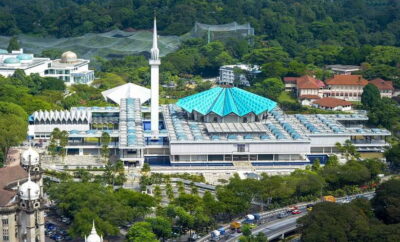
Kuala Lumpur: Batu Caves & Historic Buildings Tour
Read our review →
Charleston’s Best Highlights: History, Culture & Architecture
Read our review →
Palm Springs Modernism Architecture & History Bike Tour
Read our review →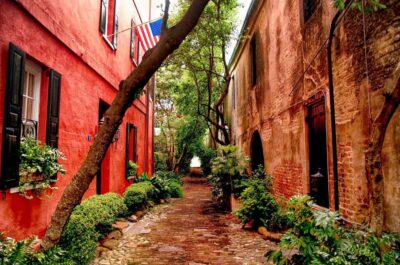
Charleston: History and Architecture Guided Walking Tour
Read our review →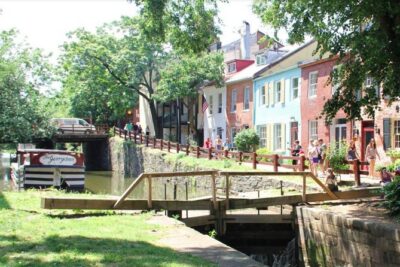
Historic Georgetown: History, Gossip, & Architecture Walking Tour
Read our review →
Charleston History, Homes, and Architecture Guided Walking Tour
Read our review →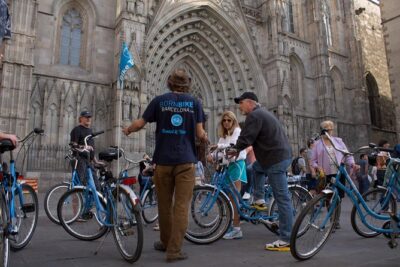
Browse the lists this tour appears in