

Review · ARCHITECTURE TOURS
Dar es Salaam History and Architectural Tours
Dar es Salaam makes the most sense when you connect its churches, markets, museums, food, and art. This private tour does exactly that, moving from 1903 St. Joseph’s Cathedral to the fish market, woodcarvers, the National Museum, and modern shopping districts. Guide Bernard brings an energetic personal voice to the city’s past and present.
I like the wide range of stops and the fact that private transport keeps you from wasting much of the day finding your way across town. I also like the practical inclusions: lunch, snacks, bottled water, entrance fees, and a full seven hours of guided time. The drawback is the packed schedule. Nine stops can feel brisk, and Mlimani City Mall may seem less essential if your main interest is old Dar es Salaam.
Key points at a glance
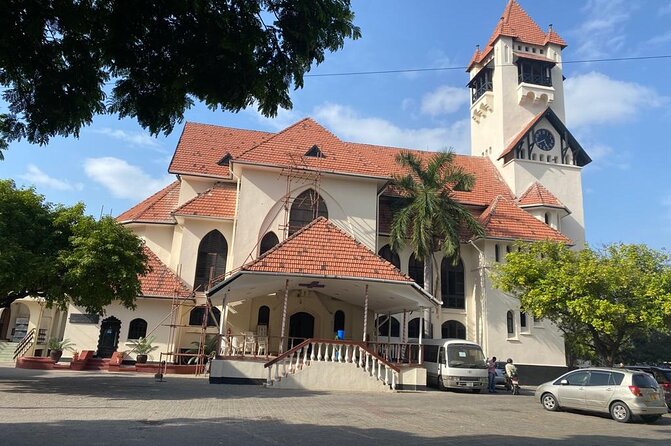
- Nine stops in one day: See religious buildings, museums, markets, galleries, and a modern mall.
- Bernard’s personal approach: Expect stories about architecture, religion, society, art, music, and daily life.
- Private transportation: Your group travels together, with pickup offered and no strangers joining the activity.
- Local food included: Lunch and pre-lunch snacks are part of the price, along with bottled water.
- Useful mix of old and new: The route links colonial-era buildings and traditional homes with present-day commerce.
- Strong guest satisfaction: The experience has a five-star rating from 36 reviews, with 100 percent recommending it.
What this seven-hour Dar es Salaam tour is really about
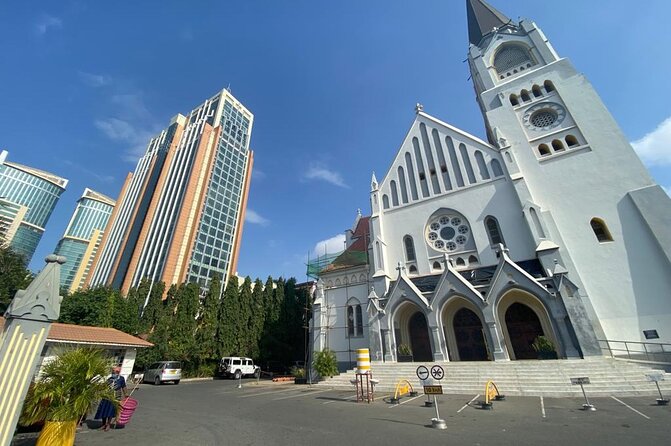
This is not just an architecture walk. Dar es Salaam’s story is spread across separate parts of the city, so transportation matters. You begin with religious buildings and older urban landmarks, then move toward traditional Tanzanian homes, craft markets, seafood, national history, commercial districts, and contemporary painting.
That range is the tour’s main strength. You are not asked to spend seven hours studying façades. Instead, architecture becomes a doorway into questions about faith, trade, migration, art, food, and city life.
The tour begins at 9:00 a.m. and lasts about seven hours. The nine listed stops add up to roughly six and a half hours before driving time, so the schedule is full. I would expect short visits at several places, with the one-hour stops giving you more room to look around and ask questions.
Bernard is named as the guide, and his role appears to be central to the experience. He explains old and modern Dar es Salaam, architecture, religion, society, art, and music rather than simply pointing out buildings. If you want a guide who links facts to personal stories, that is an important reason to consider this tour.
More history tours in the world:
- Chicago in a Day: Food, History & Architecture Walking Tour
★ 5.0 · 1,153 reviews - Kuala Lumpur: Batu Caves & Historic Buildings Tour
★ 4.7 · 539 reviews - Charleston’s Best Highlights: History, Culture & Architecture
★ 5.0 · 422 reviews
St. Joseph’s Cathedral and Azania Front Lutheran Church
The first stop is St. Joseph’s Cathedral, built in 1903. It occupies the same spot as the city’s first mosque, a detail that gives the building more weight than its date or design alone. You get an early lesson here in how Dar es Salaam’s religious and urban story has changed over time.
The visit lasts about 30 minutes, with admission included. That is enough for an introduction and explanation, though not a long architectural study. I would listen closely to the guide at this stop because the location connects a present-day church with an earlier Muslim place of worship.
Azania Front Lutheran Church follows, also for about 30 minutes. Its Bavarian style, palm-tree setting, and influences from churches in Latin America and India make it a useful comparison with the cathedral. The two stops work best together: you can look at different religious traditions and design influences within the same city.
These opening visits are especially useful if you care about buildings but do not want a specialist architecture tour that ignores ordinary life. The possible limitation is that each church receives only half an hour. You will get context and a look around, not an exhaustive account of every design feature.
The Village Museum: traditional homes from across Tanzania
The Village Museum changes the pace. Instead of focusing on one building, it presents traditional homes and living conditions connected with several Tanzanian tribes. The museum is designed as a hands-on place, giving you a more physical sense of how homes were built and used.
You have one hour here, which is a sensible amount of time. It lets you examine the structures rather than hurry through them. This stop also helps keep the tour from becoming too centered on Dar es Salaam’s colonial and commercial buildings.
I like this part because it broadens the day beyond the city itself. Dar es Salaam is the setting, but Tanzania’s wider cultural traditions are part of the story. The museum can also help you understand why materials, house forms, and household spaces matter.
Keep your expectations practical. The supplied information does not promise demonstrations, performances, or a particular tribe-by-tribe program on the day. Think of it as a guided look at traditional homes and living conditions, with Bernard providing the connections.
Mwenge Woodcarvers Market and the price of souvenirs

At Mwenge Woodcarvers Market, you will find statues, masks, and chests carved from strong black ebony wood. The stop lasts one hour, giving you time to examine the work and consider purchases rather than glance at a few displays from a vehicle.
This is one of the day’s more hands-on sections. Museums explain objects after they have been collected, while a craft market puts you closer to the making and selling of art. The market also gives you a chance to take home something connected with Tanzanian carving.
You should allow room in your budget if you expect to buy anything, since purchases are not listed among the tour inclusions. Ask about pieces that interest you, take your time, and remember that the tour schedule still has several stops ahead. The appeal is strongest if you enjoy looking at handmade objects and want a practical souvenir.
A few more architecture tours around the world worth a look
- Chicago Architecture River Cruise
★ 5.0 · 15,756 reviews - Chicago River 90-Minute Architecture Tour
★ 4.5 · 9,629 reviews - Chicago River: 1.5-Hour Guided Architecture Cruise
★ 4.8 · 8,046 reviews - Chicago Architecture Center River Cruise aboard First Lady
★ 5.0 · 5,536 reviews
Kivukoni Fish Market and local lunch

Kivukoni Fish Market offers a look at the fishing trade and the role of seafood in Dar es Salaam’s daily economy. The visit lasts 30 minutes, so this is a quick, direct stop rather than a long food tour.
You may see freshly caught seafood and get a sense of the market’s working rhythm. The information provided also points to the chance to sample local seafood dishes, although you should not assume that a full tasting is guaranteed at this particular stop. The included snacks and lunch make the day easier, especially in Dar es Salaam’s heat.
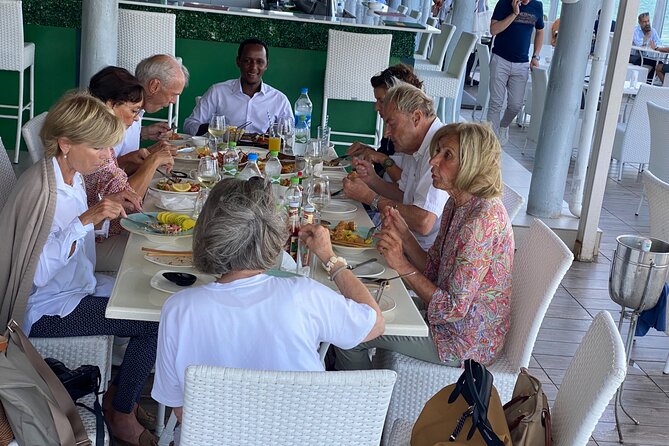
Lunch is included as local food. One account of the experience places lunch at Akemi, a revolving restaurant with wide city views, but the supplied tour details do not promise that location for every departure. It is worth confirming the lunch venue if the restaurant setting matters to you.
The food arrangements add real value to a long private outing. You do not have to stop and organize lunch yourself, and bottled water is provided throughout the day. Alcohol is not included. If you want drinks later, the provider can take you to bars or sports bars, with an expected cost of $30 to $50 per person and an age limit of 18 or above.
The National Museum of Tanzania
The National Museum receives one hour. It is a consortium of five Tanzanian museums whose purpose is to preserve and display material on the country’s history and natural environment.
This is an important anchor for the day. The churches and markets give you individual places, while the museum places Tanzania within a wider national story. I would use Bernard’s explanations here to connect what you have already seen with the country’s larger cultural and natural record.
An hour is enough for a focused visit, but not enough to study every display in a museum group of this size. If you prefer to read every label slowly, you may find the schedule tight. If you want a guided introduction that adds context to the rest of the day, the stop earns its place.
Kariakoo Market: the city in motion
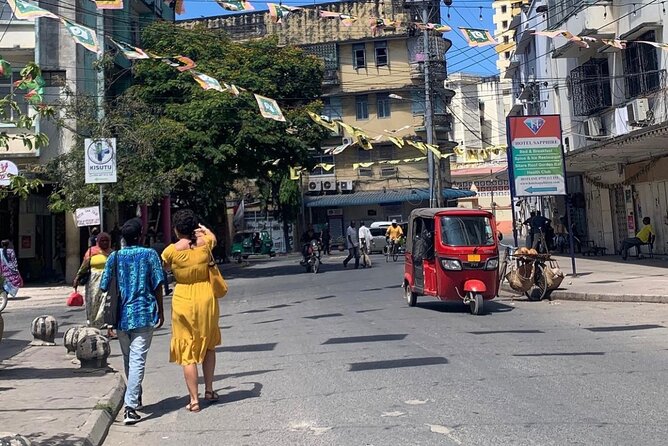
Kariakoo is known for markets covering many city blocks and for its major role in Dar es Salaam’s commerce. The planned visit lasts one hour, making it one of the more substantial stops on the route.
This is where the tour shifts firmly from heritage sites to present-day city life. You are not just looking at an old building or a museum display. You are seeing the importance of trade in a city that continues to grow and change.
Markets can be crowded and fast-moving, so stay close to your group and listen carefully to meeting instructions from the guide. The provided information does not promise a specific shopping list or food tasting here. The value comes from seeing the scale and importance of the market, with Bernard helping you understand what you are seeing.
For me, Kariakoo is more useful than a generic sightseeing stop because it shows how Dar es Salaam works now. It also provides a strong contrast with the quiet, historical feel of the churches.
Mlimani City Mall and the modern city
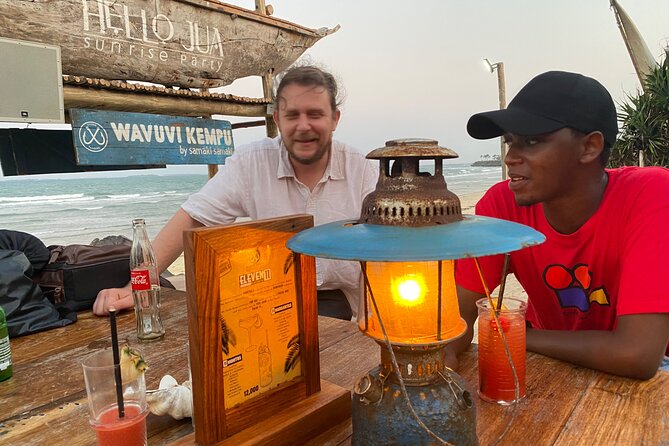
Mlimani City Mall is on Sam Nujoma Road in Ubungo. With about 30,000 square meters of space, it is one of Tanzania’s largest malls. The visit lasts one hour.
This may be the most debatable stop for many people. If you have come mainly for old buildings, traditional culture, and local markets, an hour in a modern mall may feel like time that could have gone elsewhere. If you want to see how Dar es Salaam’s retail life has changed, the stop offers a useful counterpoint.
I like the inclusion because it prevents the tour from presenting the city as a museum piece. Dar es Salaam is not only cathedrals, carved wood, and fish markets. It also has large modern commercial spaces and a shopping culture that belongs to the present.
Still, this is the stop I would question when comparing tours. If your priorities are historic buildings and art, ask whether the schedule allows flexibility. The information confirms the stop, but not whether the route can be changed.
Tingatinga Arts Cooperative Society
The final stop is the Tingatinga Arts Cooperative Society, with 30 minutes set aside. Tingatinga painting developed in Tanzania during the second half of the 20th century. The works are known for strong color and are often painted on masonite, a practical surface that makes them easier to transport.
This is a smart finish for a tour that has already introduced you to woodcarving and national culture. The paintings provide a distinctly Tanzanian art form, and the small size of many works can make them easier to take home than larger carved pieces.
Thirty minutes is enough to view the art and perhaps consider a purchase, but it is not a full gallery study. If you want to buy, remember that art is an additional expense. The tour includes admission fees, not artwork.
What the $150 price includes
At $150 per person, this is not a budget sightseeing outing. The value depends on how much you would otherwise spend arranging transport, entrance fees, lunch, water, and a guide for a full day.
The price includes:
- Private transportation
- All entrance fees and taxes
- Local lunch
- Snacks before lunch
- Bottled water
- A private guide and vehicle for your group
That package makes the price easier to justify for a group that wants convenience and a focused introduction to Dar es Salaam. You are paying for range and organization, not just access to one attraction.
The price is less appealing if you plan to visit only a few sites or prefer to move at your own pace. Nine stops create variety, but they also mean you may not linger. I would choose this tour for a first substantial look at the city, especially when your time is limited.
The tour is booked, on average, 56 days ahead. That suggests you should arrange it early if your dates are fixed. Confirmation is sent at booking, and free cancellation is available up to 24 hours before the start time. Cancellations or changes made inside that window are not refunded or accepted.
Who will get the most from this experience
I would recommend this tour to you if you want a broad introduction rather than a narrow specialist visit. It suits first-time visitors who want architecture, religion, food, markets, art, and modern city life in one organized day.
It is also a good fit for families or small private groups that value their own vehicle and guide. Most people can participate, service animals are allowed, and the tour is near public transportation, although private transport is already part of the experience.
You may want something else if you dislike a full schedule, want long museum visits, or care only about historic architecture. The mall can feel out of place, and several stops receive only 30 minutes. The tour is strongest when you treat it as a connected portrait of Dar es Salaam, not as nine separate deep visits.
The consistently high score, with 36 five-star ratings and 100 percent recommending it, supports the tour’s basic promise. The most praised qualities are Bernard’s enthusiasm, his clear explanations, and the breadth of the day. Those qualities matter because Dar es Salaam’s attractions are spread across different parts of the city and need a strong guide to tie them together.
Should you book the Dar es Salaam history and architectural tour?
Book it if you want one private day that introduces you to Dar es Salaam’s buildings, faiths, markets, museums, food, and art. Bernard’s storytelling is likely to be the main reason the many stops feel connected, and the included transport, meals, water, snacks, and admission fees add useful value to the $150 price.
Before booking, accept that the schedule is busy. You will not have hours at each museum or market, and Mlimani City Mall may not match your interests. If you prefer a broad, well-supported first look at the city, this is a strong choice. If you want slow architectural study, ask about a shorter or more focused private route.
FAQ
What time does the tour start?
The tour starts at 9:00 a.m.
How long does the experience last?
The tour lasts approximately seven hours.
Is transportation included?
Yes. Private transportation is included, and pickup is offered.
Are lunch, snacks, and water included?
Yes. The price includes a local lunch, snacks before lunch, and bottled water.
Is this a private tour?
Yes. Only your group participates in the activity.
What is the cancellation policy?
You can cancel up to 24 hours before the start time for a full refund. Cancellations or changes made less than 24 hours before the start time are not accepted for a refund.
Just added around the world
- Wilmington History and Architecture Tour★ 4.8 · 18 reviews
- Washington, DC: Georgetown Architecture Walking Tour★ 5.0 · 8 reviews
- New Orleans : Garden District Architecture Walking tour★ 4.8 · 5 reviews
- Washington DC: Dupont Circle & Embassy Row Architecture Tour★ 5.0 · 6 reviews
- Vicenza: discovering the city of Palladio by e-bike★ 5.0 · 4 reviews
- Vicenza: Palladian Architecture Private Walking Tour★ 3.3 · 3 reviews
- Walk & Discover KL’s Architectural and Heritage Gems★ 5.0 · 7 reviews
- Unveiling Brno: History, Culture & Architectural Delights★ 5.0 · 2 reviews
Historical Tours, compared.
Chicago in a Day: Food, History & Architecture Walking Tour
Read our review →
Kuala Lumpur: Batu Caves & Historic Buildings Tour
Read our review →
Charleston’s Best Highlights: History, Culture & Architecture
Read our review →
Palm Springs Modernism Architecture & History Bike Tour
Read our review →
Charleston: History and Architecture Guided Walking Tour
Read our review →
Historic Georgetown: History, Gossip, & Architecture Walking Tour
Read our review →
Charleston History, Homes, and Architecture Guided Walking Tour
Read our review →
Browse the lists this tour appears in