Review · ARCHITECTURE TOURS
Explore Ancient Chinese Architecture & Meet its People
Beijing’s Dongsi Hutong gives you something many city tours miss: a close look at old homes that are still part of daily life. With Yuhua as your guide, you’ll enter a traditional courtyard house, learn how Chinese buildings fit together, and meet Beijingers working to protect their neighborhood. The hands-on Dougong activity makes the architecture easier to understand than a quick look at palace roofs ever could.
I like two things especially. First, Yuhua connects buildings to the people who live in them, including friends such as Grandpa Li and Uncle Zhu. Second, the tour supports preservation in a direct way: 1 percent of the payment goes to the Beijing Cultural Heritage Protection Center. The main consideration is the price, $95.20 per person for about three hours. That is a serious cost for a short walking experience, although the private format and access to a traditional home add value.
Key points about this Dongsi Hutong experience
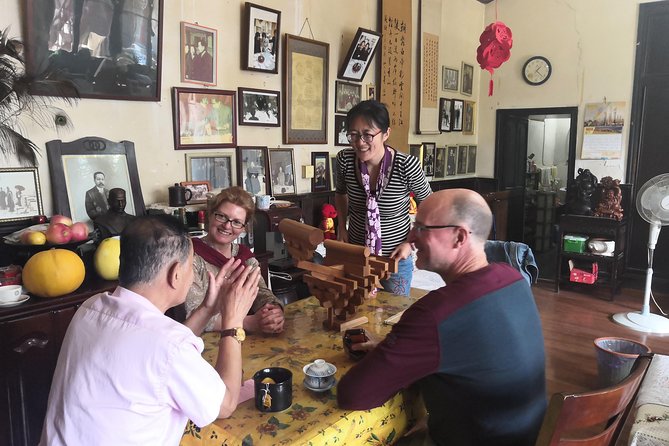
- Enter a traditional courtyard house in one of Beijing’s more authentic hutong areas.
- Learn the basic features of ancient Chinese architecture before looking at the buildings around you.
- Try assembling and taking apart Dougong, the interlocking wooden bracket system used in traditional construction.
- Meet ordinary Beijingers involved in preservation, giving the tour a personal link to present-day Beijing.
- Support cultural heritage work, since 1 percent of the payment goes to the Beijing Cultural Heritage Protection Center.
- Enjoy a private three-hour outing, with only your own group taking part.
Why Dongsi Hutong is the right place to study old Beijing
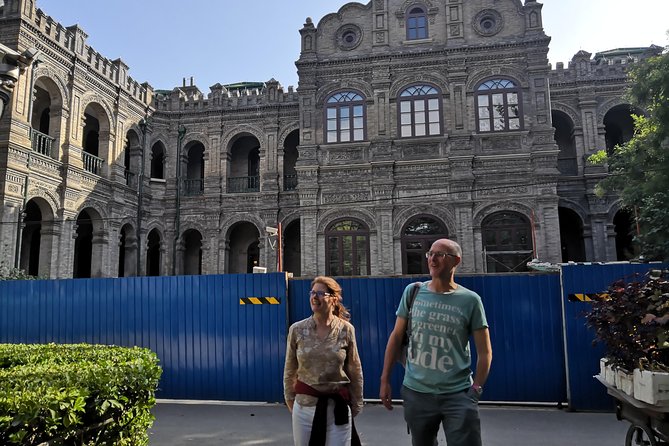
A palace can show you the grand version of Chinese architecture. A hutong shows you how that architecture shaped ordinary homes, lanes, courtyards, and neighborhood life. Dongsi is useful for this kind of experience because the focus is not only on famous monuments. You are looking at the small details that make a traditional home work.
The word hutong generally refers to the narrow lanes and residential areas that developed around courtyard homes. In this setting, the architecture is close to eye level. You can pay attention to entrances, rooflines, wooden elements, courtyards, and the way private homes sit within a larger neighborhood.
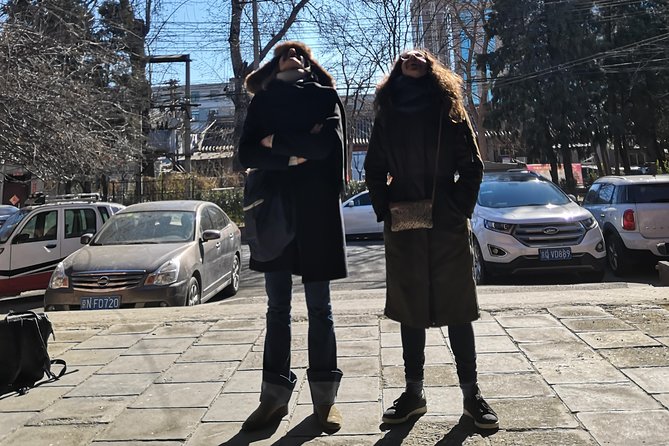
That setting also gives the experience a sense of urgency. Old homes and hutongs are disappearing in Beijing. Yuhua grew up in a former Prince Mansion and feels a strong personal connection to these buildings. Her interest is not presented as a dry architectural lesson. She treats the old homes as places tied to memory, family, and daily life.
You should come ready to look closely. This is not a fast checklist of landmarks. The value is in learning how to notice what you might otherwise walk past.
A few more architecture tours around the world worth a look
- Chicago Architecture River Cruise
★ 5.0 · 15,756 reviews - Chicago River 90-Minute Architecture Tour
★ 4.5 · 9,629 reviews - Chicago River: 1.5-Hour Guided Architecture Cruise
★ 4.8 · 8,046 reviews
Meeting Yuhua at 9:00 am
The experience begins at 9:00 am in Dongsi Subdistrict, in Beijing’s Dongcheng District. The nearest stated subway access is Zhangzizhonglu Station on Line 5, Exit A. That makes the starting area practical if you are using Beijing’s subway system, though you should allow enough time to find the exact meeting point.
The outing is private, so only your own group participates. That matters here. An architectural explanation can be interrupted by questions, and a small group is less awkward when entering a residential courtyard or meeting local people. You can ask why a roof is shaped a certain way, what a structural piece does, or how preservation affects the people who live in these homes.
The tour ends at Zhangzizhong Road, near Zhang Zi Zhong Lu in Dongcheng District. Because the end point is different from the start, you should pay attention to the route if you have another appointment afterward. The stated duration is about three hours, though the general tour description gives a range of three to four hours.
Entering a traditional courtyard house
The most special part of the experience is privileged access to a traditional courtyard house. The description does not promise a grand mansion or a restored museum. That is a good thing for anyone interested in real residential architecture. You are seeing a type of home connected to the hutong district rather than only viewing buildings behind barriers.
A courtyard house can tell you much about traditional Chinese ideas of space and family life. The buildings are arranged around an open central area, and the layout helps explain how rooms, entrances, and shared space relate to one another. Your guide uses the house as a practical example, so the architecture lesson should feel tied to a real place.
Access to a home also requires respect. You are entering an area connected to people’s lives, not simply posing in a photo setting. Follow Yuhua’s instructions, avoid treating residents as part of a display, and ask before taking photographs if the subject comes up.
This part may be less satisfying if you want a large collection of furnished rooms or a polished historical reconstruction. The experience is about understanding the form and meaning of old homes, not touring a major palace with a long sequence of exhibits.
Learning the building language of ancient China
Yuhua gives you a primer on ancient Chinese architecture. That is one of the strongest reasons to book this experience rather than simply wander through the hutongs alone. Without context, traditional buildings can blur together. With a few basic ideas, you begin to notice structure, proportion, decoration, and the relationship between a home and its lane.
The lesson is designed to help you understand what you are seeing in Beijing and elsewhere in China. You do not need a background in architecture. The private format should also make it easier to pause when a term or feature is unclear.
The focus is not just on beauty. Traditional buildings reflect practical decisions, cultural values, and methods of construction. The tour gives you a way to connect those elements instead of treating architecture as decoration.
The available information does not provide a full list of every architectural feature discussed, so you should not expect a fixed technical syllabus. What you can count on is an introduction that prepares you to look at Chinese buildings with more care.
Same city, a completely different century:
- Chicago Architecture Center River Cruise aboard First Lady
★ 5.0 · 5,536 reviews - Chicago: Architecture River Cruise Skip-the-Ticket Line
★ 4.8 · 4,325 reviews - Chicago River 45-Minute Architecture Tour from Magnificent Mile
★ 4.5 · 2,924 reviews - Barcelona: Sant Pau Recinte Modernista Entry Ticket
★ 4.6 · 2,567 reviews
Trying Dougong with your own hands
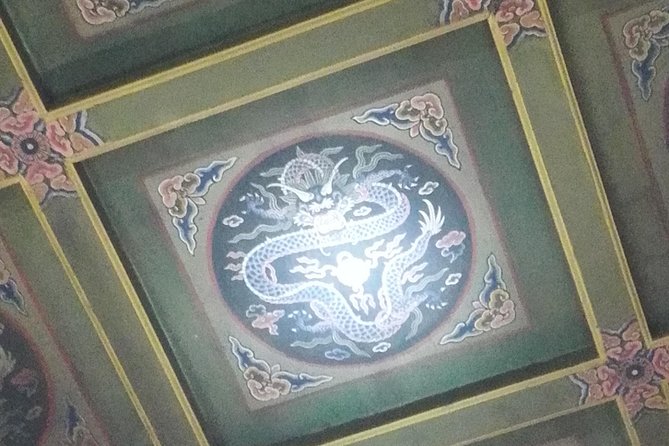
The hands-on Dougong activity is a smart part of the tour. Dougong is a traditional system of interlocking wooden brackets. It helps support roof structures and is one of the recognizable construction features of classical Chinese architecture.
Pictures of Dougong can be hard to understand. The pieces may look like an elaborate stack of wood, but handling a model gives you a clearer sense of how the parts fit together. You will try taking it apart and assembling it again, turning an abstract architectural term into something physical.
This activity also suits different types of visitors. If you are an architecture fan, it gives you a closer look at traditional construction. If you are simply curious about how old Chinese buildings were made, it offers an easy entry point. Children may find the building task appealing, though the tour is not specifically advertised as a family program.
Do not expect a full workshop in historic carpentry. The activity is one part of a three-hour experience, not a professional construction course. Its purpose is to help you understand the system and appreciate the skill behind the buildings you see.
Meeting Beijingers who protect old homes
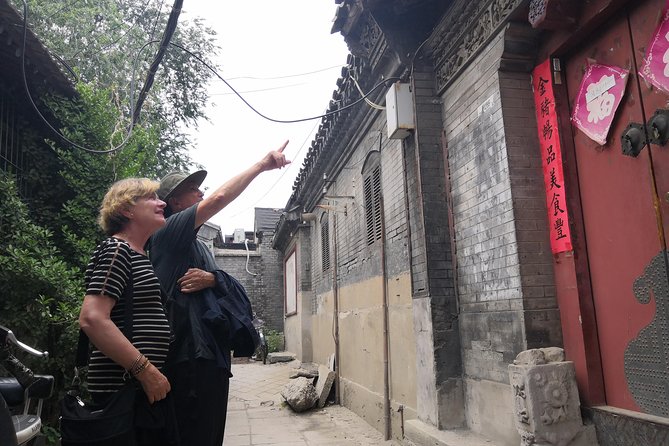
Yuhua introduces you to friends who are ordinary Beijingers making unusual efforts to preserve architectural heritage. This is where the experience moves beyond architecture as an object. You learn about people who see old homes as part of their own community and identity.
The personal encounters give the hutong a human scale. Instead of only hearing that old neighborhoods are changing, you can meet people connected to the work of keeping their homes and traditions alive. Yuhua’s connection to Grandpa Li and Uncle Zhu is part of that personal approach.
One detailed account of the experience also connected the hutong visit with the film The Old Barber, known in Chinese as 剃头匠. You do not need to have seen the film to take the tour, but the reference points to the kind of everyday neighborhood life the experience seeks to explain.
Keep your expectations sensible. The information does not promise a formal lecture from preservation officials or a full tour of restoration projects. The emphasis is on meeting people and understanding why these places matter to them.
A small contribution to cultural preservation
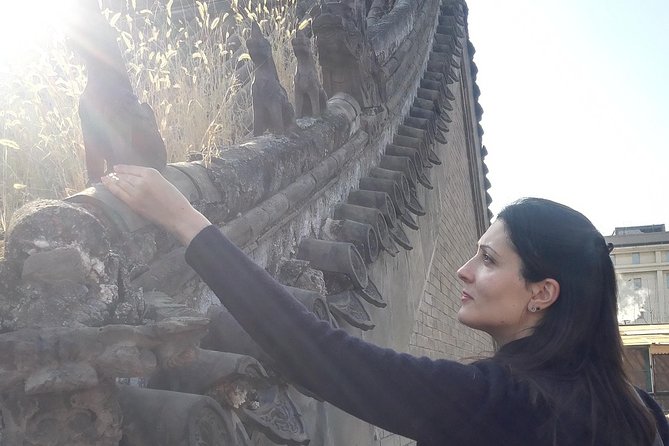
One percent of the payment goes to the Beijing Cultural Heritage Protection Center, a nonprofit organization that helps residents preserve their cultural heritage. The amount is small, but it gives the price a purpose beyond guiding and access.
This does not turn the tour into a donation program. You are paying mainly for the private experience, Yuhua’s time, and access to places you might not enter independently. Still, if cultural preservation matters to you, the contribution is a useful part of the decision.
The heritage angle also makes the tour timely. Beijing’s older lanes and courtyard homes face change, and some are disappearing. You are not being asked to view the hutong as frozen in the past. Instead, the tour presents it as a living neighborhood with people trying to protect parts of its character.
Is $95.20 a fair price for three hours?
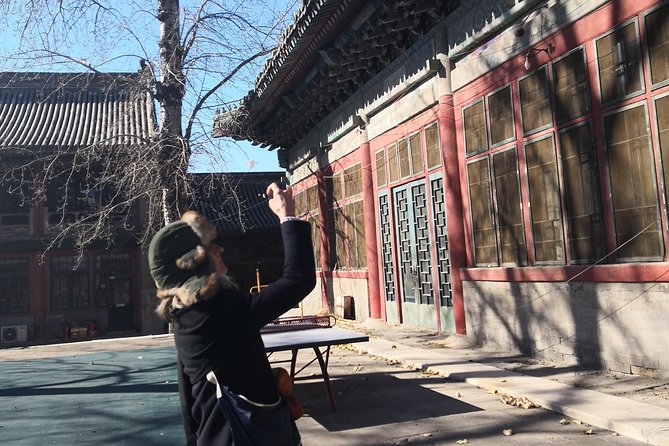
At $95.20 per person, this is not a budget walking tour. If you are comparing it with a basic group stroll through a hutong, the cost will look high. The price makes more sense if you value privacy, direct access to a courtyard house, a structured architecture lesson, and personal introductions.
The private format is important. You are not sharing the experience with a large crowd, and your questions can shape the pace. Admission to the featured experience is included, and the tour has a clear three-hour focus rather than a long day of unrelated sightseeing.
I would consider it good value for a visitor who has a strong interest in architecture, local life, or preservation. It is less compelling for someone who simply wants to see a few hutong lanes and take photographs. You can explore residential areas on your own, but you will not automatically receive the same explanation or access to a traditional courtyard.
The price may also be easier to justify if you are traveling with a small private group and want an experience tailored to your interests. Solo visitors should think carefully about the per-person cost.
Timing, fitness, and practical details
The tour starts at 9:00 am, so it uses a useful morning block. The duration is about three hours, with the stated estimate ranging from three to four hours. You should keep some flexibility afterward, especially because the ending point is Zhangzizhong Road rather than the starting point.
A moderate level of physical fitness is recommended. The experience takes place in a hutong area and involves walking, though the information does not give a precise distance or number of stairs. Wear comfortable shoes and be ready for a morning on foot.
The tour is offered with a mobile ticket. Confirmation is normally provided at booking, but bookings made within one day of departure are confirmed as soon as possible and depend on availability. Service animals are allowed, and the meeting area is near public transportation.
The experience requires good weather. If poor weather causes cancellation, you are offered another date or a full refund. You can cancel for a full refund up to 24 hours before the start time. Changes or cancellations made less than 24 hours ahead are not accepted for a refund.
Who should book this experience?
I would choose this tour if you want more than a quick hutong photograph. It suits you especially well if you enjoy:
- Traditional Chinese architecture and construction
- Residential neighborhoods rather than only major monuments
- Small private tours with time for questions
- Personal stories about preservation
- Hands-on activities such as assembling Dougong
- Supporting local cultural heritage work
It also makes sense for repeat visitors to Beijing. If you have already seen the major sights, this experience gives you a different way to understand the city. One returning visitor described having visited Beijing many times and still finding the architecture experience especially rewarding. That makes sense: the tour is about seeing familiar surroundings with a better set of tools.
You may want to skip it if your schedule is very tight, if you prefer large museums, or if $95.20 feels too high for a three-hour outing. The tour is specialized. Its appeal comes from the home, the people, and the explanation, not from checking off several famous attractions.
Should you book the Dongsi Hutong tour?
Book it if you want a thoughtful introduction to Beijing’s old homes and the people trying to protect them. Yuhua’s personal connection to former princely residences, the traditional courtyard access, and the Dougong exercise give the experience a clear identity.
I would not book it simply because you have three free hours and want general sightseeing. Choose it because you care about how Beijing’s neighborhoods were built and how they are changing. For that audience, the private setting and personal contacts make the price easier to defend. Start early, wear good walking shoes, and leave room in your schedule at the Zhangzizhong Road finish.
FAQ
Where does the experience start?
It starts in Dongsi Subdistrict in Beijing’s Dongcheng District.
What time does the tour begin?
The stated start time is 9:00 am.
Where does the tour end?
It ends at Zhangzizhong Road, near Zhang Zi Zhong Lu in Dongcheng District.
How long does the experience last?
The approximate duration is three to four hours. The itinerary describes the main experience as three hours.
Is this a private tour?
Yes. Only your group participates in the activity.
What will I see during the experience?
You will explore Dongsi Hutong, enter a traditional courtyard house, learn about ancient Chinese architecture, meet people involved in preserving hutong buildings, and work with a Dougong model.
Do I need a high level of fitness?
A moderate level of physical fitness is recommended.
Is public transportation available near the meeting point?
Yes. The meeting area is near public transportation, including Zhangzizhonglu Station on Subway Line 5, Exit A.
Are service animals allowed?
Yes. Service animals are allowed.
What happens if the weather is poor?
The experience requires good weather. If it is canceled because of poor weather, you will be offered another date or a full refund.
Just added around the world
- Wilmington History and Architecture Tour★ 4.8 · 18 reviews
- New Orleans : Garden District Architecture Walking tour★ 4.8 · 5 reviews
- Washington, DC: Georgetown Architecture Walking Tour★ 5.0 · 8 reviews
- Washington DC: Dupont Circle & Embassy Row Architecture Tour★ 5.0 · 6 reviews
- Vicenza: discovering the city of Palladio by e-bike★ 5.0 · 4 reviews
- Vicenza: Palladian Architecture Private Walking Tour★ 3.3 · 3 reviews
- Walk & Discover KL’s Architectural and Heritage Gems★ 5.0 · 7 reviews
- Unveiling Brno: History, Culture & Architectural Delights★ 5.0 · 2 reviews
Architecture Tours, compared.

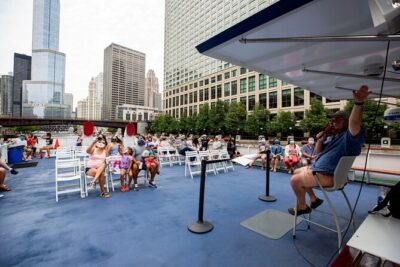
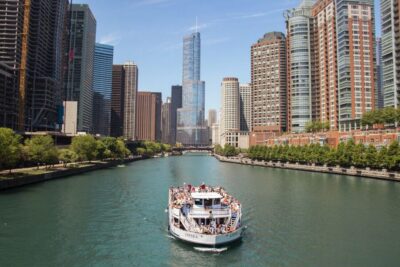
Chicago River: 1.5-Hour Guided Architecture Cruise
Read our review →
Chicago Architecture Center River Cruise aboard First Lady
Read our review →
Chicago: Architecture River Cruise Skip-the-Ticket Line
Read our review →
Chicago River 45-Minute Architecture Tour from Magnificent Mile
Read our review →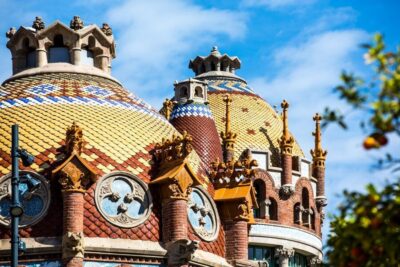
Barcelona: Sant Pau Recinte Modernista Entry Ticket
Read our review →