
Review · ROTTERDAM
Rotterdam Architecture: Centre and South Bank with watertaxi
Rotterdam makes its strongest impression from the river, and this tour saves the best crossing for the middle of the walk. You’ll follow a 4-kilometer route through the city center, then speed beneath Erasmus Bridge by water taxi to the former harbor district on the South Bank.
I like the mix of post-war design and bold new architecture, plus the chance to hear how the city may develop next. I also like the practical shape of the tour: two hours or so on foot, followed by a quick boat ride that changes your view of Rotterdam. The main drawback is the pace. Four kilometers on foot, with several stops, can be tiring, and the tour is listed as unsuitable for people with mobility impairments despite also being marked wheelchair accessible.
Key Points

- Central Station starting point: Meet beneath the station clock outside the main entrance, a simple spot in a busy part of Rotterdam.
- Architecture with context: See Lijnbaan, Timmerhuis, St. Laurens Church, Markthal, and the Cube Houses while an architect explains their purpose and design.
- Water taxi across the Maas: Ride by speedboat beneath Erasmus Bridge rather than seeing the river only from the shore.
- South Bank discoveries: Learn how former harbor land became a district with Hotel New York, Fenixloods, Fenix Food Factory, cafes, and restaurants.
- Useful local advice: Guide Tania is noted for clear explanations, future development plans, and good ideas for the rest of your Rotterdam visit.
- Three hours and $82: The price makes the most sense if you want a guided introduction with the water taxi included, not if you only want a basic city walk.
Starting Beneath Rotterdam Central Station’s Clock
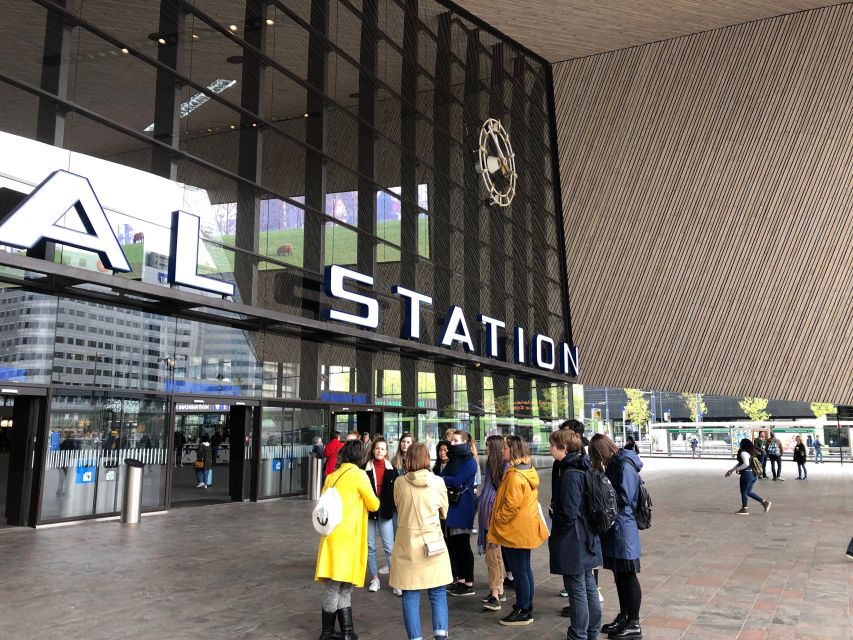
Your meeting point is beneath the station clock, outside the main entrance of Rotterdam Central Station. This is a sensible place to begin because the station itself is one of the city’s most recognizable modern buildings, and it puts you right at the center of Rotterdam’s postwar and contemporary story.
Look for your English-speaking guide at the clock rather than inside the station. You will not have hotel pickup, so allow enough time to reach the station on your own. Comfortable shoes matter here. This is a walking tour, not a short hop between attractions.
The route is designed for a first look at Rotterdam. You get the main central sights without spending a full day on foot, then finish in a district that feels different from the shopping streets and public squares near the station. That change of setting is one of the tour’s smart features.
If Tania leads your group, you can expect clear explanations of the buildings and useful suggestions for what to see afterward. Her guidance includes not only what a building looks like, but also how Rotterdam may change in the future. That forward-looking angle suits this city, where new construction is part of daily life.
A few more architecture tours around the Netherlands worth a look
- Rotterdam: Architectural Highlights Guided Walking Tour
★ 4.8 · 215 reviews - Rotterdam: Highlights, Gems, Architecture & History Walk
★ 5.0 · 191 reviews - Rotterdam Walk: Hilights, Gems, Architecture & WWII | 2 or 3hrs
★ 5.0 · 149 reviews
Lijnbaan and Rotterdam’s Postwar City
The first part of the walk brings you into the Lijnbaan, Rotterdam’s famous postwar modernist shopping area. It is an important stop because the city was heavily damaged during the Second World War, and Rotterdam chose to rebuild in a modern style rather than recreate the old center building by building.
The Lijnbaan shows that choice in practical form. It was planned as a shopping area for pedestrians, with a design that broke from the traditional narrow street pattern. Your guide can help you read the area as a piece of urban planning rather than just a place to browse shops.
I like this early stop because it explains why Rotterdam looks so different from many Dutch cities. If you arrive expecting a Delft-style old town, you may be surprised. The tour gives you a reason for the contrast before moving on to newer and more dramatic buildings.
The drawback is that Lijnbaan is still an active shopping area. It is not a preserved museum street, and the tour may feel less picturesque here than around the Markthal or Cube Houses. Its value is in the design and city planning, not postcard charm.
Timmerhuis and the OMA Approach
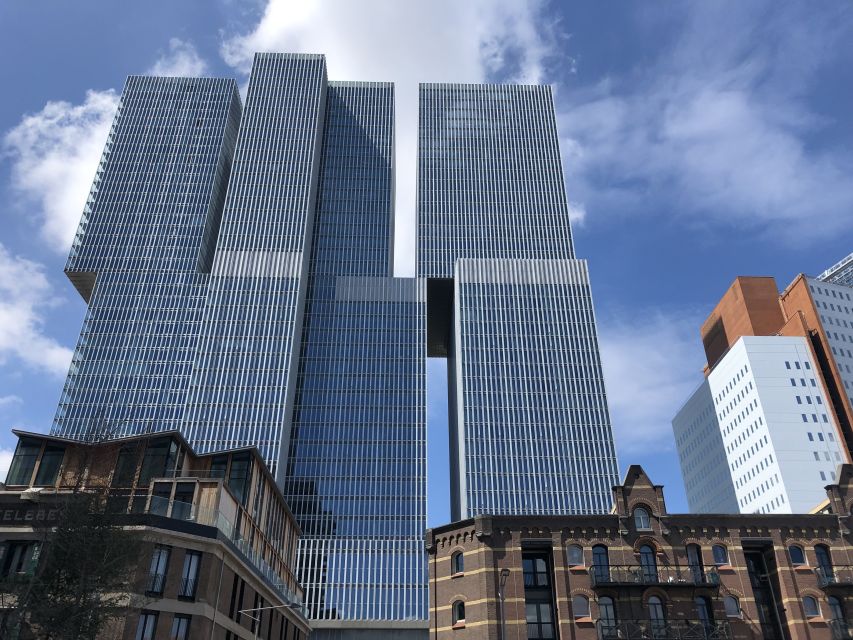
Next comes Timmerhuis, designed by OMA, the Rotterdam architecture firm known around the world. The building is a useful example of the city’s habit of putting striking modern design beside older structures rather than keeping new architecture in a separate zone.
Your guide will help you look at how Timmerhuis fits into the center and how its unusual form works as part of the city. This is where having an architect guide adds real value. You can see a building on your own, but it is harder to understand why it has that shape, how it relates to nearby streets, or what it says about Rotterdam’s priorities.
Architecture fans will get the most from this section, but you do not need technical knowledge. The tour is meant to explain the city in plain terms. If you are interested in design, construction, and future development, this is one of the strongest parts of the route.
St. Laurens Church and the Markthal
St. Laurens Church gives the walk a necessary pause from glass, steel, and concrete. It is one of the city’s key historic buildings, and its presence helps show what survived Rotterdam’s wartime destruction. The contrast with Timmerhuis and the buildings around it is the point.
Rather than treating the church as an isolated old monument, the tour places it within the rebuilt center. You see how Rotterdam combines a surviving historic landmark with buildings that belong to very different periods. That mixture is central to understanding the city.
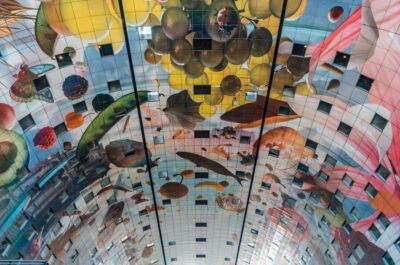
From there, the route reaches the Markthal, one of Rotterdam’s most recognizable modern buildings. It is an indoor market, but the building itself is as important as the food stalls inside. You can expect a busy public space, large-scale design, and a chance to see how a market can become a major architectural attraction.
The Markthal is a good place to notice the difference between a building designed for daily use and one designed mainly to be admired. It serves shoppers and diners while also making a strong visual statement. The tour keeps the focus on architecture and urban life, so do not expect a long independent food stop unless your guide allows time.
Same city, a completely different century:
- Rotterdam Architecture Highlights Walking Tour
★ 5.0 · 66 reviews - The rise of Haarlem: Culture, History, Art and Architecture Walking Tour
★ 5.0 · 59 reviews - Rotterdam Must Do Tour: Highlights, History, WW2 and Architecture
★ 5.0 · 20 reviews - Rotterdam: Architecture Highlights Tour including the Depot
★ 4.6 · 17 reviews
The Cube Houses and Rotterdam’s Playful Side
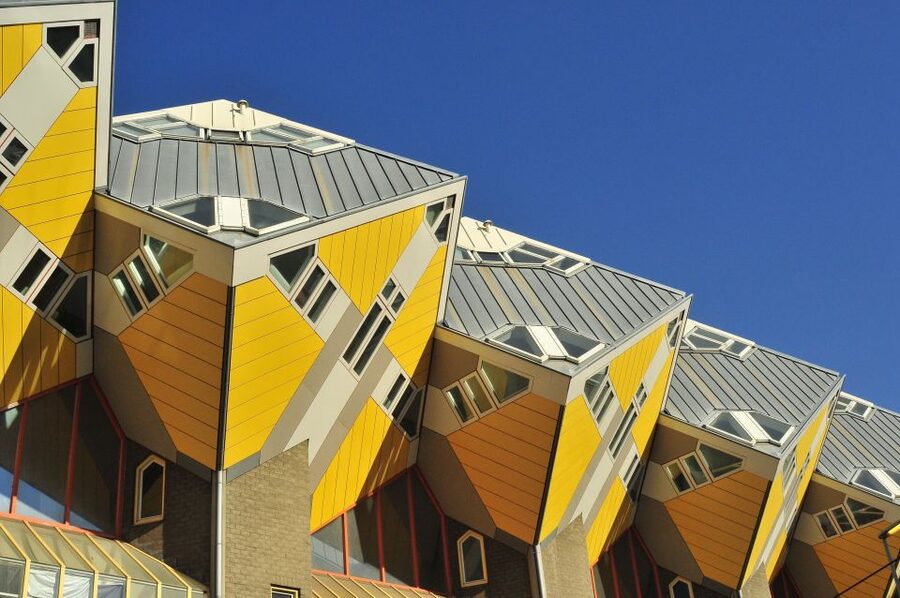
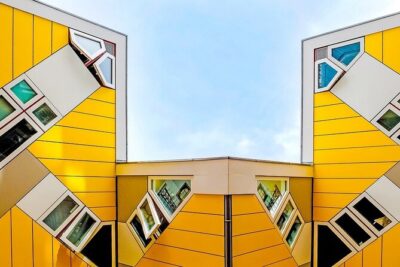
The Cube Houses add another sharp turn in the city’s design story. Their tilted forms are among Rotterdam’s most unusual sights, and they are easy to understand at a glance: these are houses designed to challenge your idea of what a normal home should look like.
Your guide can explain how the houses work as part of an urban plan, not just as a collection of strange shapes. This is especially useful because the Cube Houses are often photographed without much explanation. The tour gives you the larger idea behind them.
This stop also keeps the walk from becoming too serious. After discussions of rebuilding, planning, and major architecture firms, the Cube Houses bring a playful note. You can appreciate the visual surprise even if you are not an architecture specialist.
The area can be crowded and visually busy, so keep an eye on the group. Large bags are not allowed on the tour, which is helpful in narrow or crowded sections but means you should carry only what you need.
The Water Taxi Beneath Erasmus Bridge
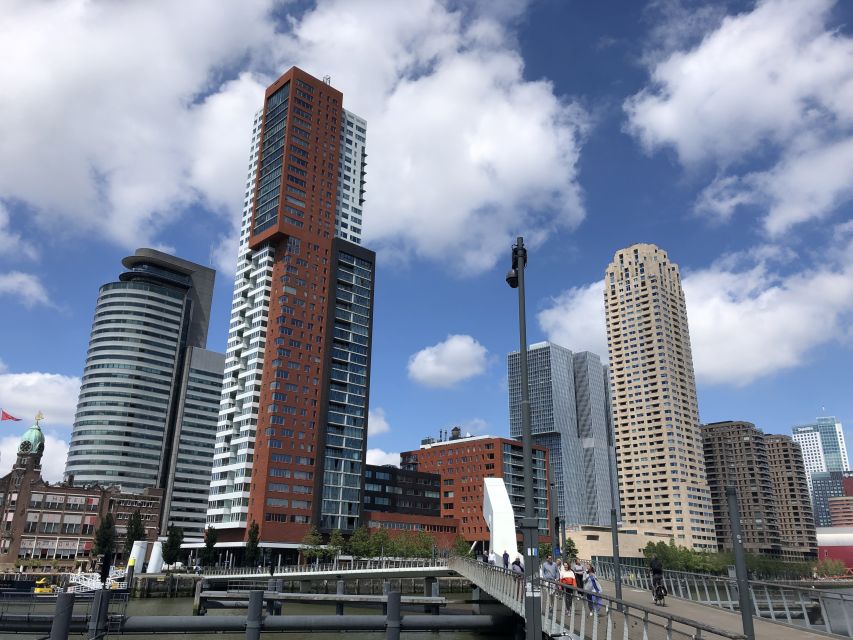
At the riverside, you board a water taxi for the crossing to the South Bank. The fee is included in the tour price, so you do not need to arrange this part separately. The ride is short, fast, and more exciting than a standard city transfer.
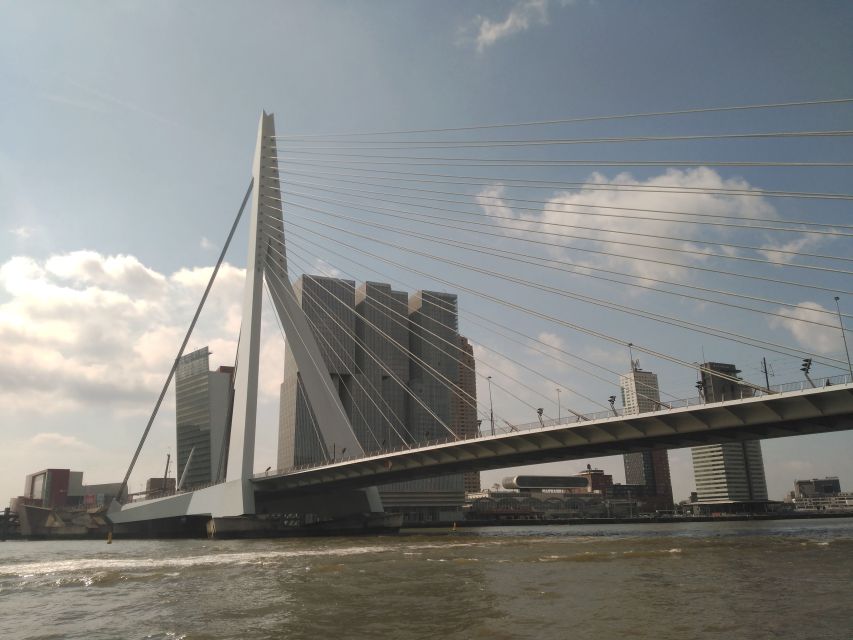
The best moment is passing beneath Erasmus Bridge. From the water, the bridge becomes a full piece of city structure rather than a distant background object. You also get a change in scale: the central buildings that seemed large on foot become part of a wider river view.
I like this transport choice because it connects the two halves of the tour. You are not simply taking a boat for fun after a walking route. You are crossing from Rotterdam’s central district into the former harbor area, seeing how the city extends across the Maas.
The speedboat ride may be less comfortable for anyone who dislikes quick movement or wants a quiet sightseeing cruise. It is a practical crossing with a thrill, not a long scenic boat tour. Keep your expectations set accordingly.
Exploring the South Bank and Former Harbor District
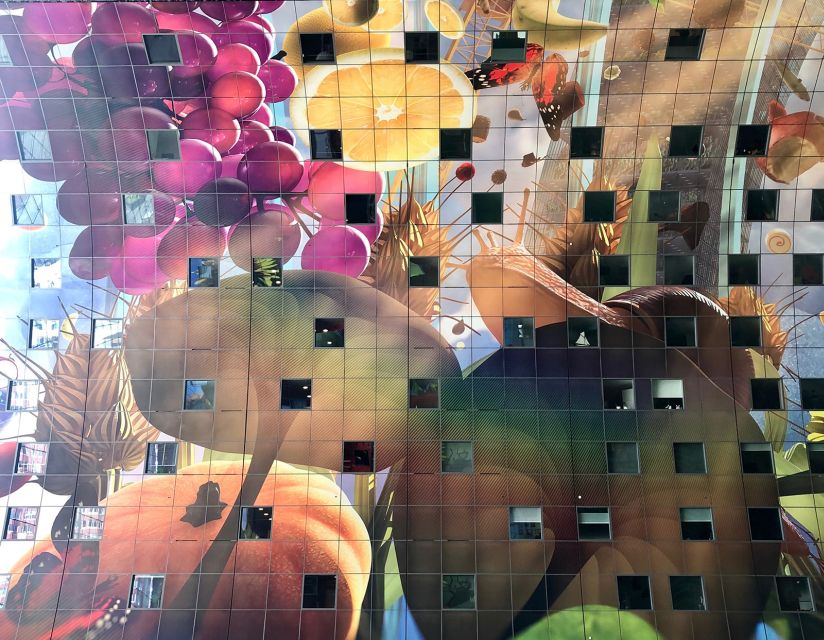
The South Bank is where the tour shifts from the historic center to Rotterdam’s former harbor land. The area is now known for high-end architecture, cafes, and restaurants, but its identity is still tied to shipping and port activity.
You will hear about how this part of the city has changed and about plans for its future. That discussion matters because Rotterdam is not presented as a finished collection of monuments. It is a city still rebuilding, adding, and rethinking its waterfront.
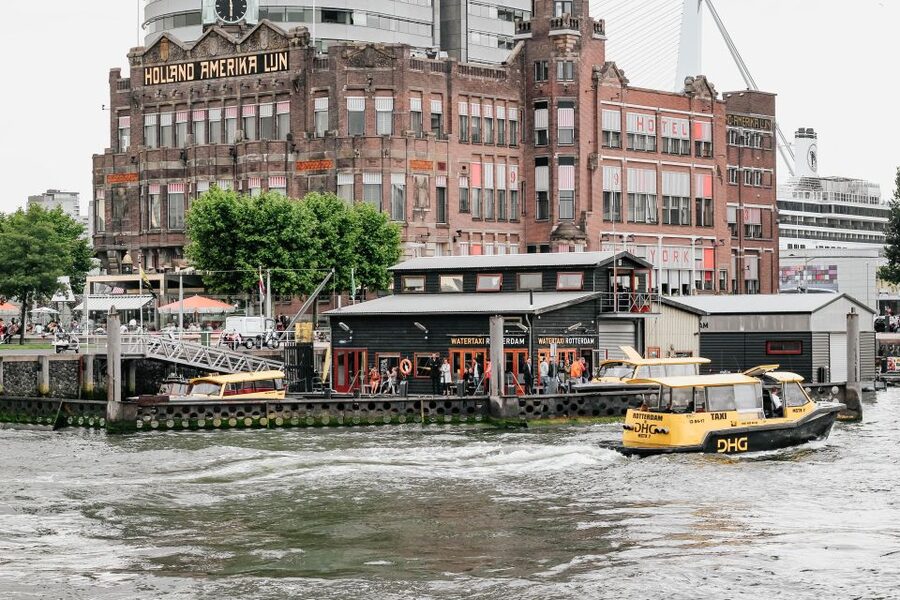
The route includes views of the Rotterdam OMA building, Hotel New York, Fenixloods, and Fenix Food Factory. Each adds a different piece to the district. The OMA building brings the modern architecture focus back into view, while Hotel New York connects the area with its earlier role as a major port gateway.
Fenixloods and Fenix Food Factory help keep the visit grounded in everyday use. Former industrial and harbor spaces are now linked with food, culture, and social life. You may find the South Bank more appealing than the central stops if you prefer areas where old port functions and new city life meet.
Do not expect a detailed food tour. Drinks and food are not included, and the main purpose is to explain the district and its buildings. Still, the area gives you good options for eating or having a drink after the tour, since cafes and restaurants are part of its current character.
What $82 Includes and When It Feels Fair
The price is $82 per person, including the guide and water taxi fee. For a three-hour tour, that is not the cheapest way to see Rotterdam, so the value depends on what you want from the visit.
If you only need a route between the main sights, you can walk much of central Rotterdam on your own. The price makes more sense if you want an architect to explain why the city looks the way it does, connect the historic and modern buildings, and take you across the river by water taxi.
The boat crossing adds something you would otherwise need to arrange separately. More important, the guide links the central route with the South Bank, so you get two distinct parts of Rotterdam in one outing. That is useful when you have limited time.
Children under 12 can join free of charge, with the listed child price covering only the speedboat fee. Families should still consider the 4-kilometer walking distance and the tour’s suitability limits before booking.
Free cancellation is available up to 24 hours before the start, and you can reserve now and pay later. Those terms help if your Rotterdam plans are still shifting, but they do not change the main question: are you paying for transportation, or for interpretation? Here, the guide’s architectural explanation is the main product.
Who Will Get the Most From This Walk
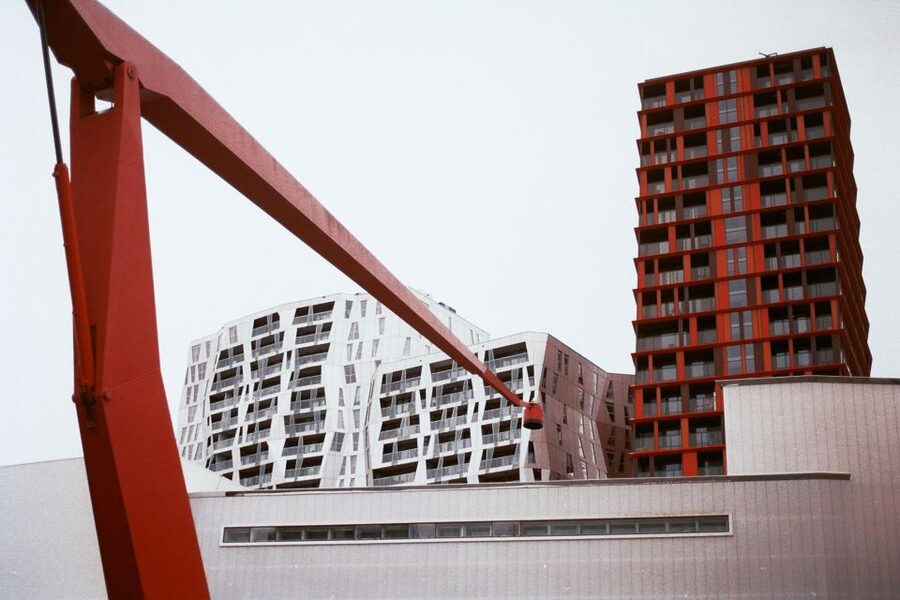
I would choose this tour for a first visit to Rotterdam when you want a strong overview without spending an entire day in a museum. It suits people who enjoy buildings, city planning, and the story behind a changing neighborhood.
It is also a good fit if you want to see both sides of the Maas. The water taxi makes the itinerary more varied, and the South Bank gives you a better sense of Rotterdam as a port city than a central walking route alone.
You should think twice if you dislike walking, need frequent rest stops, or want a relaxed boat cruise. The route covers 4 kilometers, and the tour is listed as unsuitable for people with mobility impairments. At the same time, the activity information says it is wheelchair accessible, so anyone relying on wheelchair access should confirm the exact route and boat arrangements before booking.
The tour is in English only. It does not include hotel pickup or drop-off, drinks, food, or luggage storage. Bring comfortable shoes and avoid large bags.
Should You Book Rotterdam Architecture Centre and South Bank?
Book it if you want Rotterdam explained rather than simply photographed. The combination of Lijnbaan, Timmerhuis, St. Laurens Church, Markthal, Cube Houses, and the South Bank gives you a useful cross-section of the city, while the water taxi provides the most memorable transition between districts.
I would especially recommend it to architecture fans, first-time visitors, and anyone curious about how a port city keeps changing. Tania’s clear explanations, future planning comments, and practical sightseeing suggestions make the guide a key part of the experience when she leads the group.
Skip it if you want a slow stroll, a long meal, or a dedicated boat trip. At $82, the tour earns its price through the architect-led commentary and the included water taxi, not through free time at each stop. For the right pace and interests, it is a focused three-hour introduction to Rotterdam’s boldest ideas.
FAQ
Where does the tour meet?
Meet your guide beneath the station clock outside the main entrance of Rotterdam Central Station.
How long is the experience?
The tour lasts three hours.
How far do you walk?
The route covers approximately 4 kilometers on foot.
Is the water taxi included?
Yes. The water taxi fee is included in the tour price.
What language is the tour in?
The live tour is conducted in English.
Does the tour include hotel pickup?
No. Hotel pickup and drop-off are not included.
What should I bring?
Bring comfortable shoes. Large bags and luggage are not allowed.
Can children under 12 join?
Yes. Children under 12 can participate free of charge, with the listed price covering only the speedboat fee.
Is the tour suitable for people with mobility impairments?
The activity information says it is not suitable for people with mobility impairments or visual impairments. It is also marked wheelchair accessible, so confirm the exact access arrangements before booking if you need them.
Just added around the Netherlands
- Rotterdam Must Do Tour: Highlights, History, WW2 and Architecture★ 5.0 · 20 reviews
- Private Rotterdam Walking Tour – guided by Architects★ 5.0 · 2 reviews
- Rotterdam Architecture and Highlights Walking Tour (TOP RATED)★ 4.5 · 14 reviews
- Escape Room – l’Architecte★ 4.5 · 13 reviews
- Maastricht Highlights, Architecture & Heritage Tour★ 5.0 · 7 reviews
- Gouda Private Walking Tour: History, Architecture & Cheese★ 4.5 · 8 reviews
- Amsterdam Walking Tour. All about History, Architecture, Traditions & Anecdotes.★ 5.0 · 2 reviews
- Walking Tour about Golden Age Architecture, private local guide★ 5.0 · 15 reviews
Rotterdam Architecture Tours, compared.
Rotterdam: Architectural Highlights Guided Walking Tour
Read our review →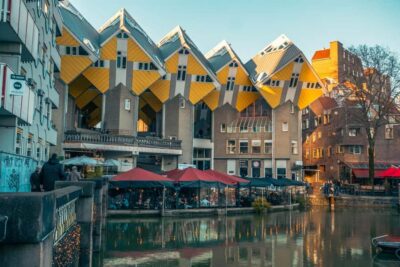
Rotterdam: Highlights, Gems, Architecture & History Walk
Read our review →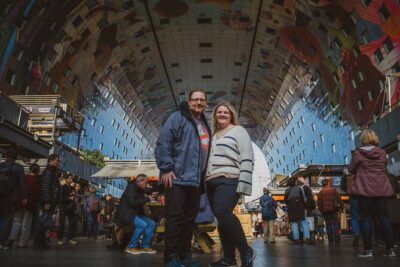
Rotterdam Walk: Hilights, Gems, Architecture & WWII | 2 or 3hrs
Read our review →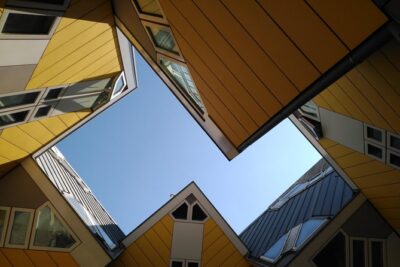
Rotterdam Must Do Tour: Highlights, History, WW2 and Architecture
Read our review →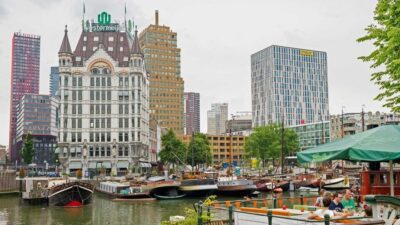
Rotterdam: Architecture Highlights Tour including the Depot
Read our review →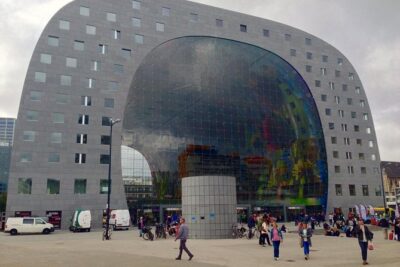
Rotterdam Architecture and Highlights Walking Tour (TOP RATED)
Read our review →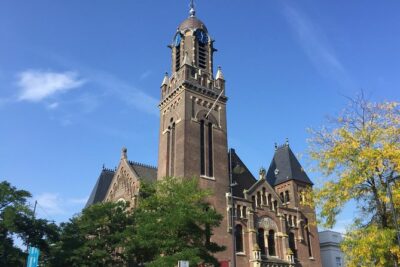
Browse the lists this tour appears in