
Review · PRAGUE
Prague: Modern Architecture and Design Guided Tour
Prague’s modern face is easy to miss behind its famous Gothic towers and Baroque streets. This two-hour walking tour shifts your attention to socialist realism, brutalism, modern design, and public art, with 10 stops that show how the city changed during the 20th and 21st centuries.
I like the personal scale, especially when the group is tiny. I also like the focus on overlooked installations and the stories behind less obvious buildings. The main consideration is that this is not a formal, step-by-step survey of every Prague design movement. It is more of a guided conversation about selected places, and some stops may be interesting for their history rather than their beauty.
Key points to know before you book
- Ten modern Prague stops in two hours: The route gives you a quick, focused look at the city’s newer architecture and public art.
- Small groups can make a real difference: One recent tour had just two participants, while another was effectively private.
- Michael may be your guide: He is specifically praised for answering questions, explaining artists, and offering extra Prague tips.
- Expect ideas and stories, not only pretty buildings: Some locations are chosen for their cultural meaning or unusual design.
- English guidance is included: The tour is conducted in English and includes a live guide.
- The $35 price favors architecture fans: It is a fair spend if you want context you would not get from a standard old-town walk.
Prague beyond the postcard
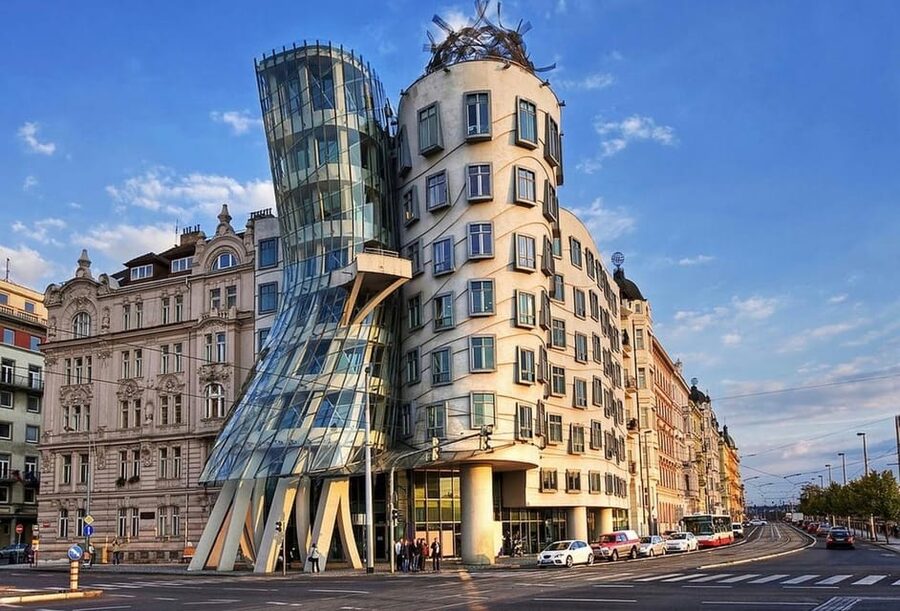
Most first-time visits to Prague center on medieval lanes, grand churches, and nineteenth-century facades. That approach makes sense, but it can leave out a large part of the city’s identity. Prague kept changing long after its historic center took shape, and the modern additions tell a different story about government, art, daily life, and public space.
This tour takes that later story seriously. You will visit 10 points connected with modern architecture and design, moving from the ideas of socialist realism and brutalism to more experimental installations. The route is not presented as a parade of famous buildings. Instead, each stop offers a way to think about how Prague has adapted to new political periods, new materials, and new ideas about urban living.
That distinction matters. You may not find every building beautiful. You may find yourself looking at a plain structure, a hard-edged concrete form, or an artwork you would otherwise walk past without noticing. The value comes from learning why it is there and what it says about Prague.
More guided tours in Prague:
- Best of Prague Architecture – private tour with PERSONAL PRAGUE GUIDE
★ 5.0 · 21 reviews - Barcelona: Sagrada Familia Entry Ticket with Audio Guide
★ 4.6 · 105,312 reviews - Fast Track Sagrada Familia Guided Tour
★ 4.5 · 8,795 reviews
Ten stops, ten ways to read the city
The tour covers 10 points of interest, but the supplied details do not name every location. That means you should not book this expecting a fixed checklist of famous landmarks. The appeal is the range of subjects: modern buildings, design principles, public art, and experimental works placed within the city.
The guide connects these places to Prague’s wider development. You might discuss how a building reflects the period in which it was built, how public art changes the feel of a street, or how a design responds to new ideas about housing and city life. These links make the walk more useful than simply taking photographs of facades.
I especially like that the route includes installations. One participant found several artworks that would have gone unnoticed without the guide’s explanation of the artists. That is a practical benefit: you are not only seeing more, you are learning how to look.
The 10-stop format also keeps the tour moving. Two hours is long enough to create a clear picture of Prague’s modern side, but short enough to fit into a busy sightseeing day. The tradeoff is depth. You will get an informed introduction rather than a full academic course in Czech architecture.
Socialist realism and the politics of design
Socialist realism gives the tour an important historical layer. Architecture is never only about shape and materials. It can also express the values of the government or society that commissioned it.
At stops linked to this style, the guide explains the cultural influences behind the design rather than treating the buildings as isolated objects. You may look at how scale, decoration, order, and public purpose were used to communicate authority or a particular vision of society.
The information supplied does not identify a specific socialist realist building on the route, so I would avoid expecting one famous landmark to carry this part of the tour. Instead, think of the subject as one chapter in a wider discussion. You are learning how a political period affected the built environment and how those choices remain visible in Prague today.
This is one of the stronger reasons to choose the tour over a general city walk. A standard sightseeing route may tell you when a building was built. Here, the goal is to explain what its design was trying to say.
Brutalism without the usual easy judgments
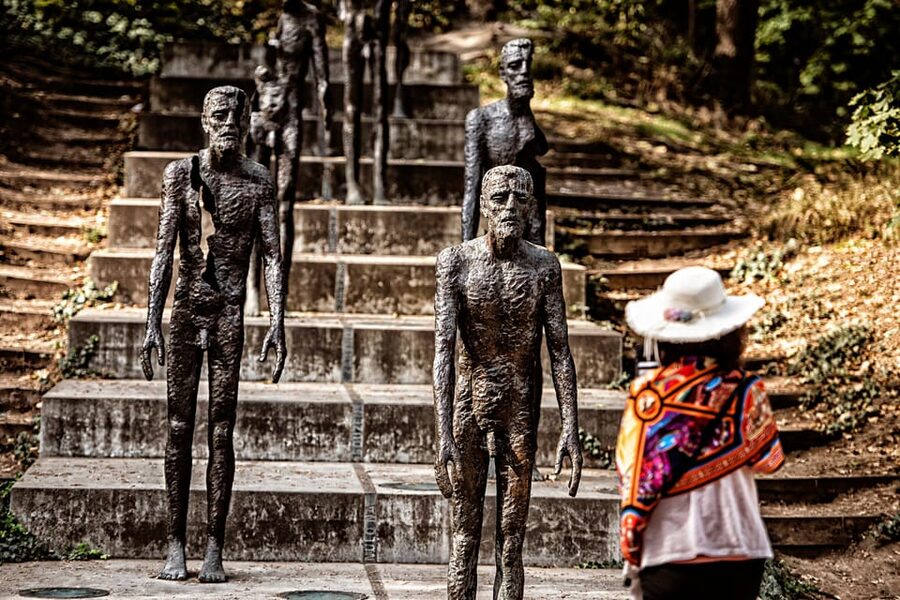
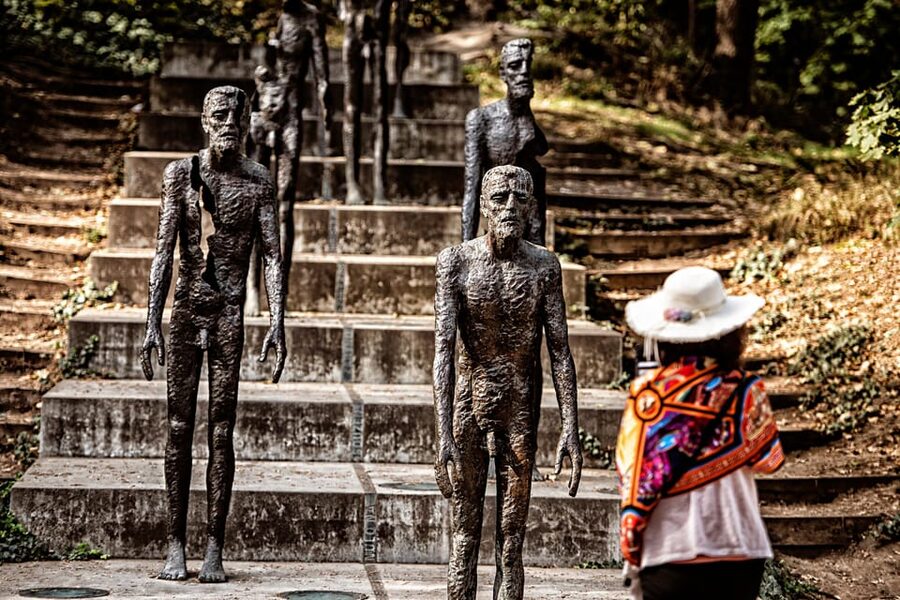
Brutalist architecture often divides opinion. Its concrete surfaces and heavy forms can look severe, even unfriendly, especially beside Prague’s ornate historic streets. Yet those same qualities can reveal practical and political choices that are worth understanding before you decide what you think.
The tour presents brutalism as part of Prague’s modern development, not as a simple list of ugly or beautiful buildings. The guide may draw attention to structure, function, materials, and the relationship between a building and its surroundings. That helps you see why a structure was built in a certain way, even if you would not choose it as your favorite view.
One recent participant noted that the buildings discussed were not always the most beautiful in Prague, but they had worthwhile stories. That is a useful warning and a useful promise. If you need every stop to be photogenic, this may not suit you. If you enjoy the reasons behind a design, the less obvious choices may be the most rewarding.
A few more architecture tours around Prague worth a look
- Prague 3-Hour Architectural Tour
★ 4.7 · 18 reviews - Chicago Architecture River Cruise
★ 5.0 · 15,756 reviews - Chicago River 90-Minute Architecture Tour
★ 4.5 · 9,629 reviews - Chicago River: 1.5-Hour Guided Architecture Cruise
★ 4.8 · 8,046 reviews
Experimental art that rewards attention
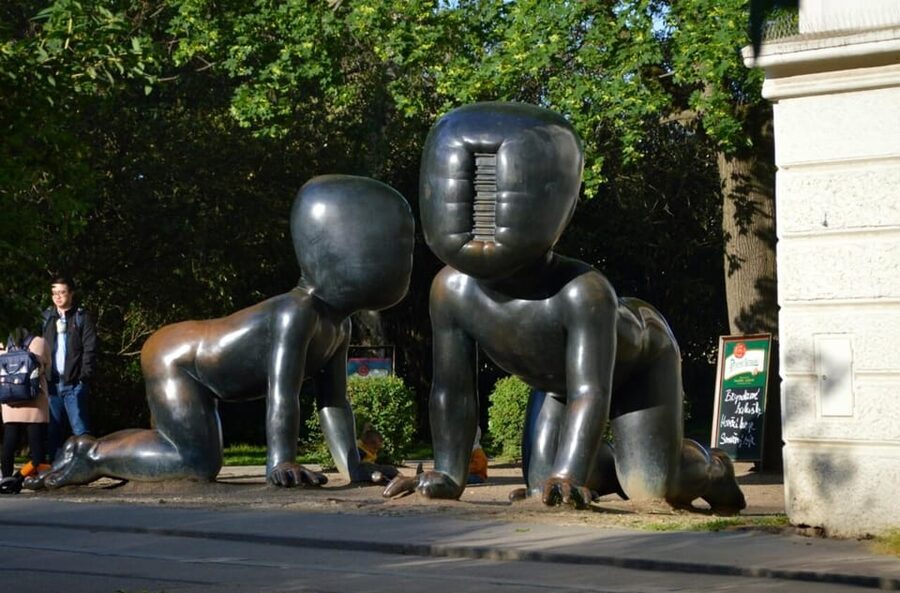
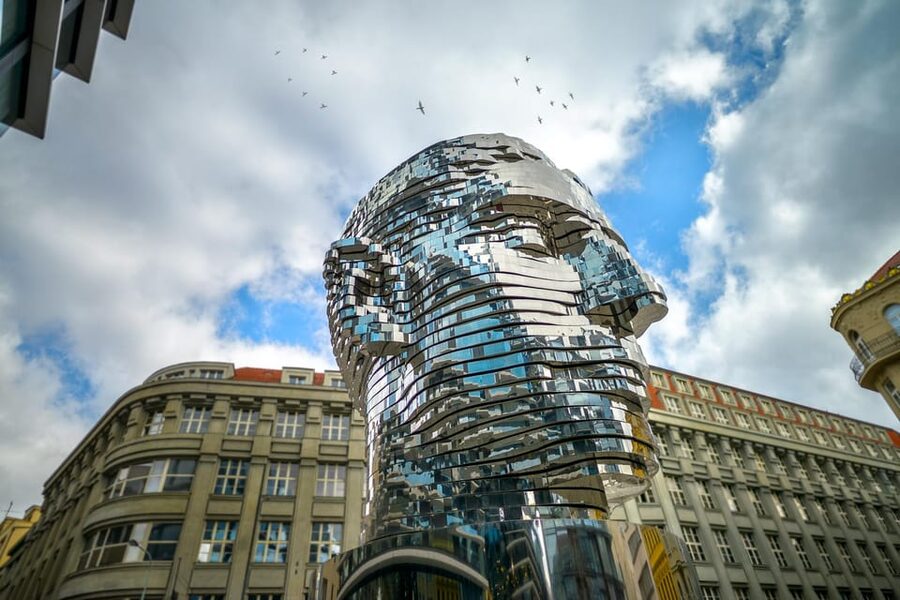
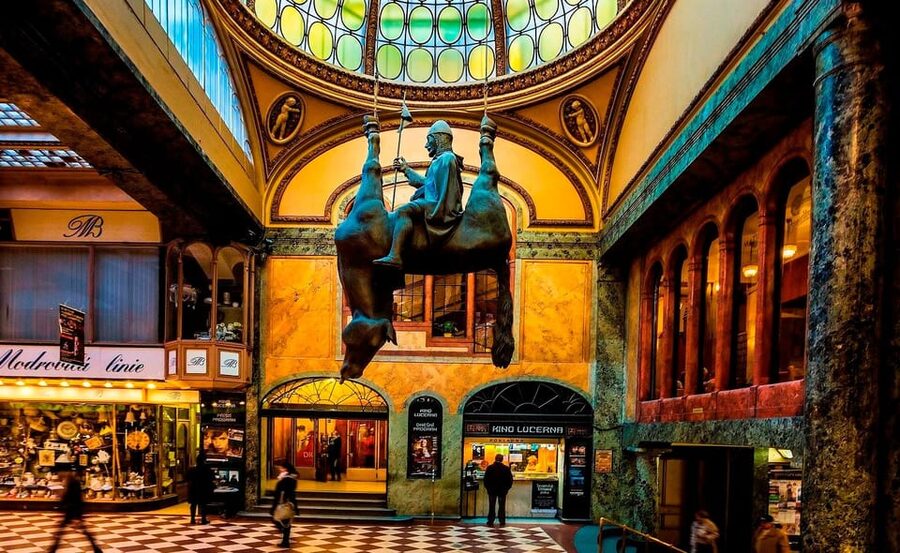
The strongest personal detail from the available feedback involves public art and installations. A solo participant saw works that would otherwise have escaped notice, along with explanations of the artists behind them.
That tells you how the tour works at its best. You are not just walking from one famous facade to the next. You are being trained to notice things at street level: an installation, a piece of public design, or an artistic gesture that can blend into the city if nobody points it out.
The guide’s role is especially important here. Without context, an installation can look random or even unfinished. With an explanation of its maker and purpose, it becomes part of Prague’s cultural story. The tour therefore suits you if you like contemporary art but do not always know what you are looking at.
Do not expect a museum visit or a long stop at every artwork. The tour lasts only two hours and includes 10 points. The format is a brisk introduction, with the chance to ask questions along the way.
A personal guide rather than a scripted lecture
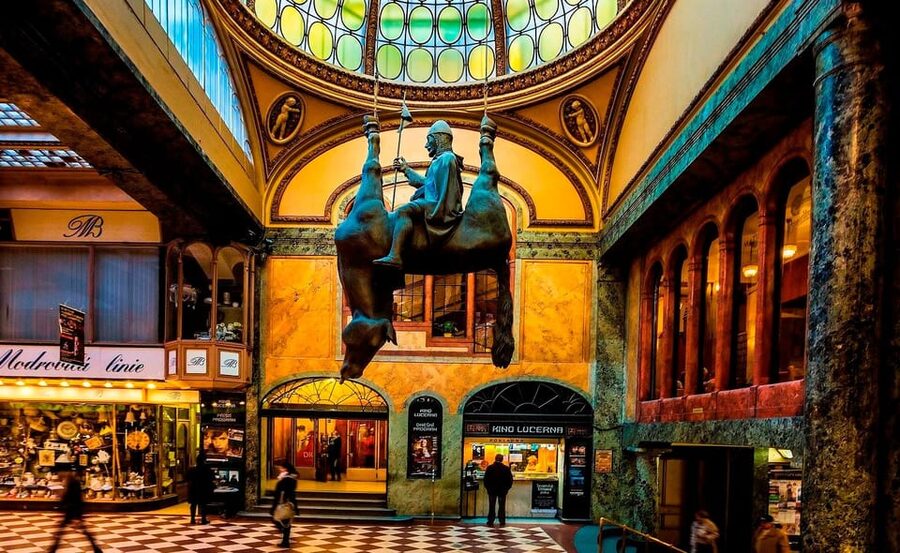
The English-speaking guide is the main part of the experience. The guide brings together the buildings, artists, political periods, and design choices, then adjusts the discussion to the group.
Michael is the only guide named in the supplied information. His approach appears particularly useful for people who like to ask questions. He was described as friendly, available after the tour, and generous with extra advice for seeing Prague.
The small groups can shape the experience. One recent departure had only two participants, and another had a single participant. At that size, you can ask about a building that catches your eye, slow down for a question, or steer the conversation toward art, politics, or urban planning.
You should not assume every departure will be private. Group size is not specified, and availability can vary. Still, the tour appears well suited to discussion rather than a large crowd moving quietly behind a flag.
That personal style also explains why the tour may feel less systematic than expected. One participant hoped for a more organized survey of Prague’s architectural styles but instead received a personal and informative walk through selected places. If you want a textbook sequence, ask the guide at the start how the route is structured. If you enjoy following interesting stories as they arise, the format may work very well.
What the two-hour pace means for you
Two hours is a good length for this subject. Modern architecture can become tiring when every stop turns into a long lecture. A compact route lets you compare different styles while the details are still fresh.
At the same time, 10 points in two hours means the average stop cannot receive a huge amount of attention. Some locations will likely be brief viewing points, while others may prompt longer discussion. The supplied description does not provide walking distances, meeting point details, or the exact order of stops, so you should check the departure information before booking.
The tour is described as wheelchair accessible, which is important for anyone who needs step-free access. Still, accessibility can depend on street conditions and the exact route, so it is sensible to confirm any specific needs when you reserve.
Food and drinks are not included. For a two-hour outing, that is hardly a problem, but plan your snack or coffee separately. The activity is built around walking and conversation, not a meal stop.
The value of $35
At $35 per person, the tour sits in a reasonable range for a short guided walk. You are paying for two hours with a live English-speaking guide, not admission to a museum or a private vehicle.
The value depends on how you sightsee. If you are happy to photograph Prague’s old center and read about modern buildings later, you may prefer to keep the money. If you want someone to point out public art, explain design choices, and connect architecture with political change, $35 can save you a lot of wandering without context.
The value improves when the group is small. A private-feeling experience at the same listed price gives you more room for questions and personal advice. But you should treat that as a possible benefit, not a guarantee.
I would also consider when to schedule it. The tour can help early in your stay because the guide may offer extra suggestions for seeing Prague. It can also work late in your visit, when you have already seen the historic center and want a different view of the city.
Who will enjoy this walk most
I would choose this tour for a few specific kinds of visitors:
- Architecture and design fans: You will get a focused introduction to modern Prague rather than another old-town overview.
- Contemporary art followers: The installations and artist explanations may be the best part.
- Repeat visitors: If you have already seen the castle, bridge, and main squares, this gives you a new subject.
- Curious first-time visitors: The tour shows that Prague is more than its historic center.
- People who prefer small-group discussion: A tiny departure can feel personal and flexible.
- Urban history readers: The links between design, politics, and city life add useful context.
I would be more cautious if you want a long list of landmark interiors, exact architectural dates, or a formal survey of every style in chronological order. The tour seems selective and story-driven rather than encyclopedic.
Practical booking advice
The tour runs for two hours, and you need to check the available starting times when booking. It is conducted in English, with a live guide.
You can reserve now and pay later, which helps if your Prague plans are still moving around. Cancellation is free up to 24 hours before the activity for a full refund. That is useful in a city break where weather, train schedules, and museum plans can change.
The experience is wheelchair accessible. Food and drinks are not included, and no other inclusions are specified. Because the exact meeting point and route details are not provided here, check those carefully before setting out.
Bring the mindset of an observer. Look up from street level, notice how new structures sit beside old ones, and ask why a work of art is placed where it is. The tour will give you more if you treat each stop as a question rather than a photo opportunity.
Should you book the Prague modern architecture tour?
Book it if you want to see a side of Prague that most standard sightseeing walks skip. The best reasons are the 10-stop structure, the attention to public installations, and the chance of a small, conversational group. Michael’s friendly approach and extra city advice are further advantages when he leads your departure.
Skip it if your main goal is a polished parade of Prague’s most beautiful buildings or a strict history of architectural styles. Some stops may be plain, and the route may feel personal rather than fully systematic.
For $35, I consider it a worthwhile choice for design-minded visitors, repeat visitors, and anyone curious about how Prague kept changing after its famous historic center was built. Go expecting stories, context, and a few surprises rather than a greatest-hits photo walk.
FAQ
How long does the Prague modern architecture tour last?
The tour lasts two hours.
How many points of interest does the tour include?
The route includes 10 points of interest.
What language is the tour conducted in?
The live guided tour is conducted in English.
Is a live guide included?
Yes. A live English-speaking guide is included.
Is Michael the guide for every departure?
Michael is one named guide associated with the experience, but the available information does not confirm that he leads every departure.
Does the tour include food or drinks?
No. Food and drinks are not included.
Is the tour wheelchair accessible?
Yes, the activity is described as wheelchair accessible.
Can I cancel for a full refund?
Yes. You can cancel up to 24 hours in advance for a full refund.
Do I have to pay when I book?
No. The reserve now and pay later option lets you hold your place without paying immediately.
Just added around Prague
- Private Prague Art Nouveau and Cubism Walking Tour★ 5.0 · 8 reviews
- Best of Prague Architecture – private tour with PERSONAL PRAGUE GUIDE★ 5.0 · 21 reviews
- Private Prague Renaissance & Baroque Gardens Walking Tour★ 5.0 · 8 reviews
- Prague Renaissance & Baroque Gardens Walking Tour★ 5.0 · 23 reviews
- Prague: Private Prague Art Nouveau and Cubism Tour★ 4.8 · 6 reviews
- Prague Renaissance and Baroque Gardens Walking Tour★ 5.0 · 5 reviews
- Prague: Private Cubism & Art Nouveau Walking Tour★ 5.0 · 15 reviews
- Prague Art Nouveau Tour★ 4.9 · 12 reviews
Prague Architecture Tours, compared.
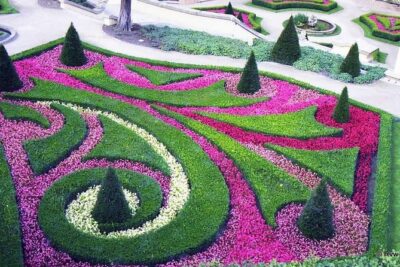
Prague Renaissance & Baroque Gardens Walking Tour
Read our review →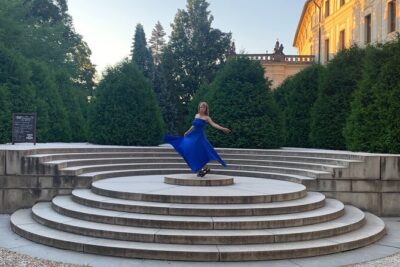
Best of Prague Architecture – private tour with PERSONAL PRAGUE GUIDE
Read our review →
Browse the lists this tour appears in