
Review · NEW ZEALAND
Hundertwasser Art Centre Admission Ticket
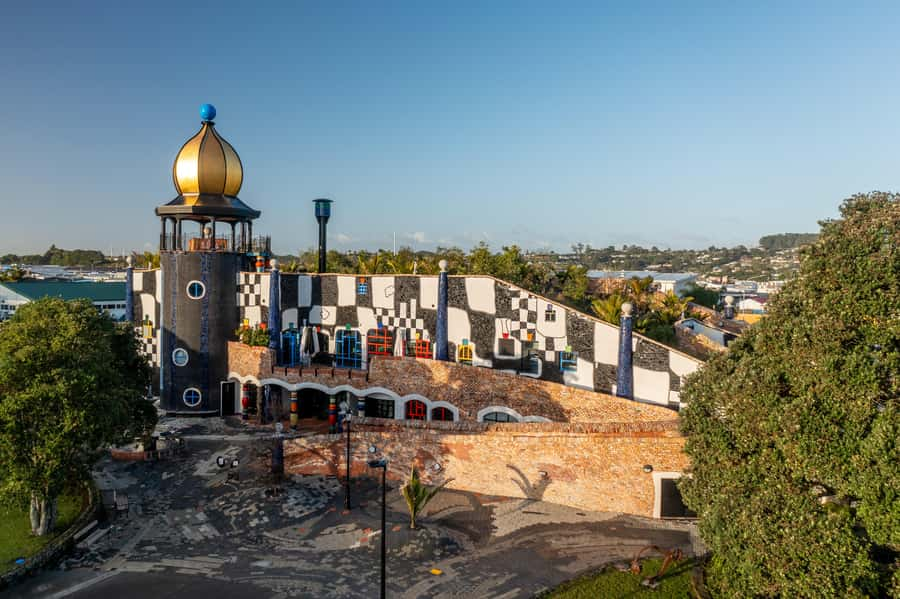
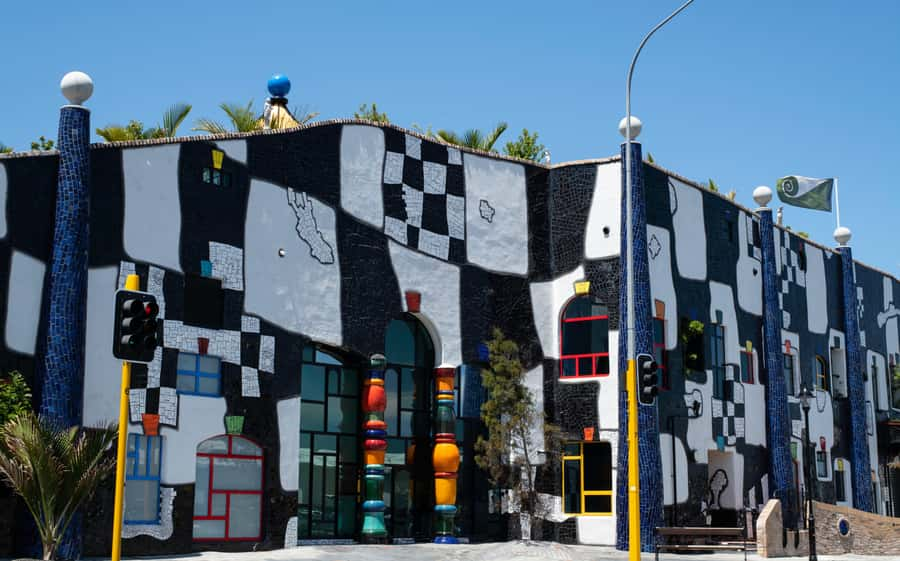
The most unusual part of this Whangārei visit is the building itself. Curved lines, uneven tiles, mosaics, living walls and bright colour turn the entrance into part of the exhibition. You are not simply walking into a gallery. You are entering Friedensreich Hundertwasser’s idea that buildings should work with nature rather than push it aside.
I like the largest Hundertwasser collection outside Vienna, especially because it includes more than paintings. I also like the chance to pair his work with contemporary Māori art at the Wairau Māori Art Gallery. The main consideration is time: you can see the centre in a short visit, but rushing through the exhibitions and rooftop would miss much of what makes the $17 ticket worthwhile.
Key points
- Original Hundertwasser works: See paintings, tapestries, architectural models and ecological projects from 1973 to 2000.
- Contemporary Māori art: Visit Aotearoa’s first public gallery dedicated to contemporary Māori art, with changing exhibitions.
- Afforested roof: Walk among native plantings on a living roof before climbing to the golden cupola.
- 360-degree views: Look over Whangārei’s Town Basin and beyond from the rooftop.
- Flexible visit: The ticket is valid for one day, with opening hours from 10am to 4pm every day.
- Optional interpretation: Add an audio guide daily or a one-hour guided tour at 11am from Thursday to Sunday.
Why this Whangārei art centre is different
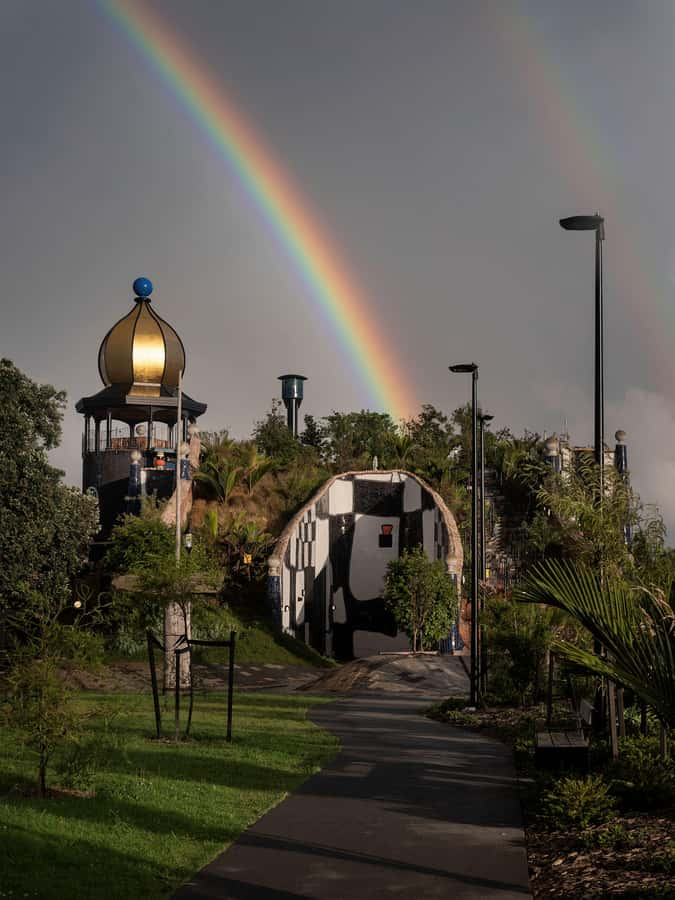
The Hundertwasser Art Centre brings three things together: art, architecture and nature. That combination matters here because the building is not a plain container for paintings. Its floors, walls, roof and cupola all carry the same ideas found in Hundertwasser’s work.
As you enter, look down at the irregular tiled floor and across at the handmade mosaics. Living walls and natural materials help set the tone before you reach the formal displays. The design asks you to slow down and notice small details rather than march from one framed work to the next.
I find this especially useful if you are not normally a gallery person. The building gives you something to see at every stage, even if a particular painting does not catch your eye. Families and mixed-age groups can move between colour, architecture, plants and views instead of relying on one type of exhibit.
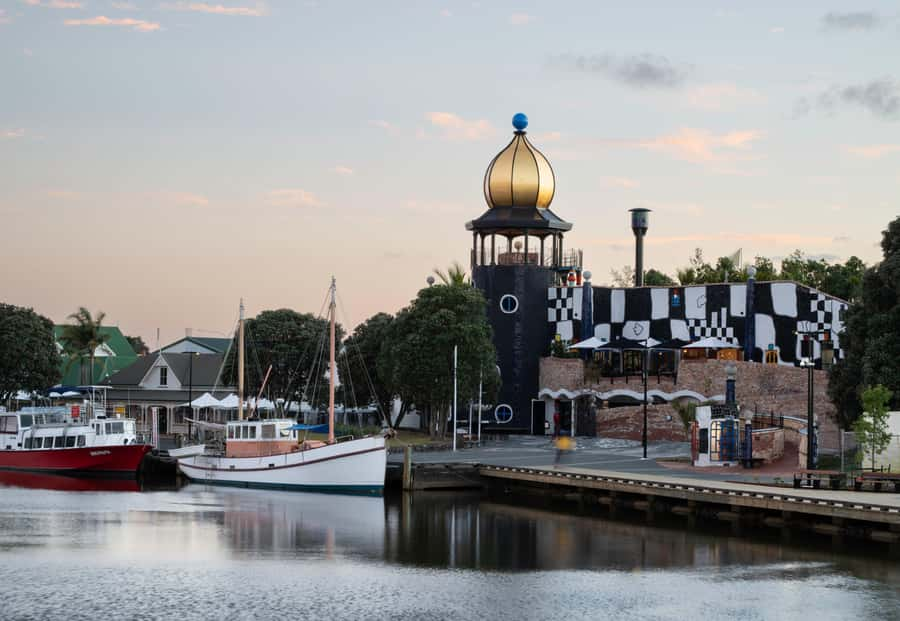
The centre is in the heart of Whangārei, making it an easy cultural stop during time around the Town Basin. The ticket is for one day, so you do not need to force the whole visit into a tight hour. Opening hours are 10am to 4pm, seven days a week.
More Bauhaus and Brutalist tours in New Zealand:
- Whangārei: Hundertwasser Art Centre: Admission for one day.
★ 4.9 · 14 reviews - Vienna: Tickets for Kunst Haus Wien: Museum Hundertwasser
★ 4.6 · 651 reviews - Frank Lloyd Wright’s Home & Studio Tour Ticket
★ 4.5 · 133 reviews
The Hundertwasser in New Zealand exhibition
The main exhibition, titled Hundertwasser in New Zealand 1973 to 2000, gives you the clearest look at the artist’s ideas. It includes original paintings, tapestries, architectural models and ecological projects. That range is important: you see how his thinking moved from visual art into buildings, gardens and environmental design.
Hundertwasser is best understood here as an artist who questioned straight lines, uniform construction and the idea that people should be separated from nature. The displays let you follow those concerns through different forms. A painting may show his use of colour and organic shapes, while an architectural model reveals how those ideas could work at the scale of a building.
Give yourself time with the models. They help explain details that can be easy to miss when you only look at completed architecture. You can see how planted roofs, rounded forms and uneven surfaces fit into his wider ecological outlook.
The collection is described as the largest of Hundertwasser’s work outside Vienna. That makes the centre valuable even for visitors who already know his name. You are not seeing a single famous object and moving on. You are getting a broader view of his art and his plans for more environmentally minded places to live.
The display covers work and projects connected with New Zealand from 1973 to 2000. That local connection gives the exhibition more purpose than a standard international art show. You are looking at Hundertwasser’s ideas in relation to the country where he spent part of his later life and developed ecological projects.
Wairau Māori Art Gallery and its changing exhibitions
The Wairau Māori Art Gallery adds a second artistic voice to the visit. It is Aotearoa’s first public gallery dedicated to contemporary Māori art, with changing exhibitions by leading Māori artists.
This is not simply an extra room added to the Hundertwasser display. It creates a useful contrast. Hundertwasser’s work focuses on nature, individuality, architecture and resistance to rigid design. Contemporary Māori art brings its own cultural viewpoints, histories and ways of expressing place and identity.
Because the exhibitions change, the precise experience depends on when you visit. That is a reason to check the current display if Māori art is a major reason for your visit. You may find the gallery more powerful than the Hundertwasser rooms, or you may prefer the way the two areas sit beside each other.
I like that the ticket gives you both without making you choose. A visit focused only on Hundertwasser could become a lesson in one artist’s style. The Wairau Māori Art Gallery broadens the experience and gives you a chance to think about how art can carry different relationships with land, community and culture.
Take your time here. Contemporary work can ask more of you than a quick glance, and the changing programme means there is no single permanent display to tick off. If you want a short visit, see at least the current Māori exhibition before heading upstairs.
The afforested roof and golden cupola
The rooftop is one of the centre’s strongest features. It is planted with native species, making the roof a living part of the building rather than an unused surface above it. The word afforested points to Hundertwasser’s wish for buildings to give something back to nature.
You can walk across the planted roof and then climb to the golden cupola. From there, you get 360-degree views of Whangārei’s Town Basin and the area beyond. The view gives you a helpful change of scale after the galleries. Inside, you study paintings and models. Outside, you see the town from above and consider how buildings sit within their surroundings.
Bring a camera, but do not let it turn the rooftop into a quick photo stop. Look back at the centre itself. The cupola and roof make more sense when you compare them with the earlier exhibition. You have already seen Hundertwasser’s curved forms and ecological ideas, and now you are standing inside one of those ideas.
Wear comfortable shoes. You are walking through exhibition areas and heading up to the cupola, and the centre specifically recommends closed-toe footwear. The rooftop can also be a pause between the indoor galleries, which helps if you prefer not to spend the full visit in enclosed rooms.
The roof is not presented as a separate garden attraction. Its value comes from the way it connects art and architecture to the natural world. If you only want indoor art, you can still enjoy the exhibitions, but skipping the roof would leave out one of the centre’s most distinctive features.
More entry tickets in New Zealand:
- Barcelona: Sagrada Familia Entry Ticket with Audio Guide
★ 4.6 · 105,312 reviews - Barcelona: Sagrada Familia Skip-the-Line Entry Ticket & Tour
★ 4.8 · 12,789 reviews - Florence: Cathedral & Brunelleschi’s Dome Ticket & Audio App
★ 4.4 · 6,973 reviews - Park Guell and Sagrada Familia Tour with Skip the Line Tickets
★ 5.0 · 6,384 reviews
Should you take the guided tour or use the audio guide?
The standard ticket lets you explore independently. That works well if you like setting your own pace, reading selectively and spending longer with the pieces that interest you. It also makes the visit easier to fit around other time in Whangārei.
An audio guide is available every day for an additional cost. This is the practical choice if you want interpretation but do not want to follow a fixed schedule. You can pause, move ahead or spend more time in the Māori gallery and on the roof.
From Thursday to Sunday, a guided tour runs from 11am to noon. The tour costs an additional $20 per person on top of admission. It is designed to explain Hundertwasser’s life, art, architecture and ecological vision.
I would choose the guided tour if this is your main reason for coming and you want context rather than a quick look. The extra cost is more than the basic $17 admission, so it makes most sense for visitors who enjoy discussion and want the building’s ideas explained as they move through it.
If your schedule is tight, arrive for the 11am tour only if you can stay for the rest of the centre afterward. The tour is one hour, and the roof, cupola and Māori gallery deserve their own time. For a flexible family visit or a short stop, the basic ticket and audio guide may be the better fit.
No guide or staff name is provided for the tour, so you should not book expecting a particular presenter. The useful choice is between a fixed one-hour explanation and a self-guided visit.
What $17 gets you
At $17 per person, the admission is good value if you use the full centre. You receive entry to the Hundertwasser exhibition, the Wairau Māori Art Gallery, the planted roof and the golden cupola. You can also browse the MuseumShop without paying an extra entry fee.
The ticket is strongest for people who enjoy variety. You get original artworks, models, ecological projects, contemporary Māori exhibitions, building details and rooftop views in one visit. That is more than a single-room art display, although the value depends on how much time you give it.
The guided tour is separate at $20 per person. That additional charge can make sense if you want the ideas explained by a guide, but it nearly exceeds the admission price itself. I would begin with the standard ticket unless guided interpretation is a priority.
There is also an audio guide at an additional cost, with no price specified here. You can decide on the day if you want more explanation. This keeps the basic visit straightforward and avoids paying for an add-on that may not suit your pace.
The MuseumShop is included in the sense that you may browse it as part of your visit. It carries art prints, books, design pieces, gifts and handcrafted items inspired by Hundertwasser’s work. You do not need to buy anything, but it gives you a final look at how the centre turns the artist’s ideas into objects you can take home.
How long to allow and what to bring
The ticket is valid for one day, and the centre is open from 10am to 4pm every day. The supplied duration is one day, not a fixed timed session, so you have room to choose a pace that suits your plans.
A quick visit can cover the main exhibition, Māori gallery and rooftop. I would allow more time if you want to read the displays, take the 11am tour, use the audio guide or browse the MuseumShop carefully. The centre has enough parts that a rushed visit can feel incomplete.
Bring:
- Comfortable shoes
- Closed-toe shoes
- A camera
- Cash
The recommendation to bring cash is worth noting, even though no specific cash-only service is stated. Keep your footwear practical for walking through the centre and going up to the cupola.
The centre is wheelchair friendly, with lift access to every exhibition level, the afforested roof and all facilities. That makes the rooftop and cupola part of the accessible route rather than an area you must miss. Staff are available to assist visitors with disabilities.
Babies under one year are not considered suitable for this activity. The information does not give a broader age restriction, so families with older children should judge the visit by the child’s interest in art, architecture and the rooftop setting.
Who will get the most from this visit?
I would recommend the centre to anyone interested in unusual buildings, environmental design or art that refuses to stay inside a frame. It also suits visitors who want a cultural stop in Whangārei without committing to a full-day guided excursion.
It is a particularly good match if you want to combine European art ideas with contemporary Māori work. The two galleries are not interchangeable, and the contrast gives the visit more substance than a standard single-artist exhibition.
You will also get plenty from the centre if views matter to you. The golden cupola provides a clear reason to go upstairs, while the planted roof gives the architecture a living quality. If you prefer paintings alone, part of the ticket may feel less relevant, but the models and building details still add context.
I would be less enthusiastic about booking the extra guided tour if you only have a short window or prefer to move quickly. The self-guided ticket gives you the freedom to select the sections that interest you most. On the other hand, if you want to understand Hundertwasser’s ecological vision rather than simply look at the colours and shapes, the 11am tour can justify the added cost.
Free cancellation up to 24 hours before the visit and reserve-now, pay-later booking make the ticket easier to fit into a changing North Island schedule. Those policies are useful, but the main reason to book is the combination of indoor art, Māori exhibitions and the rooftop in one central Whangārei stop.
Should you book the Hundertwasser Art Centre?
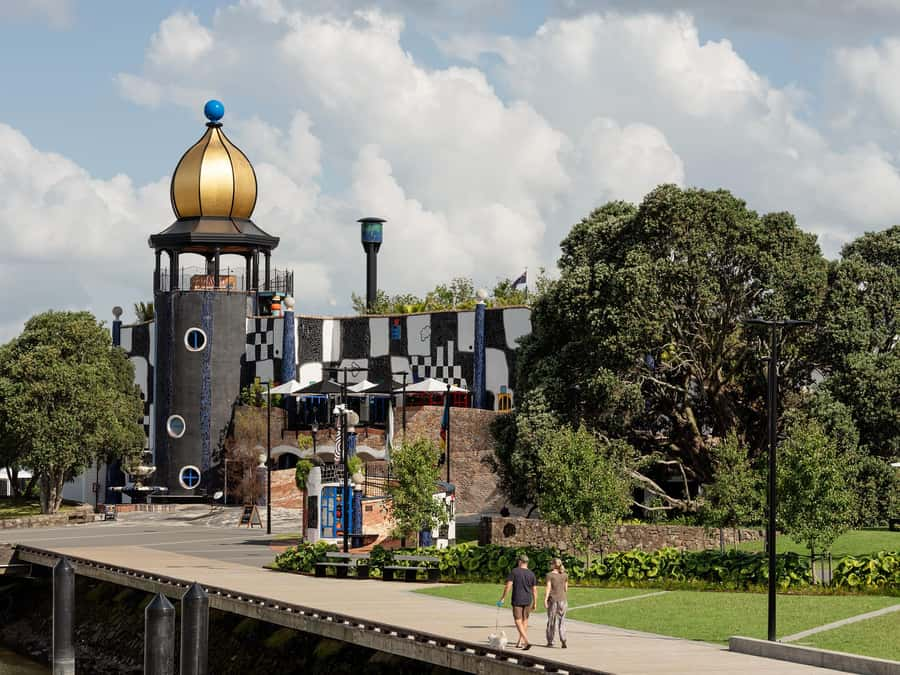
Book it if you want an art visit that includes the building, the roof and the view. The $17 admission covers enough different elements to make the price fair, especially if you allow time for both galleries and the cupola.
Choose the guided tour only if you value added explanation and can be there Thursday through Sunday at 11am. Otherwise, explore independently and consider the audio guide if you want extra context.
This is not a conventional museum where you quietly pass a long line of paintings. It is more playful and architectural, with a strong environmental message and a useful contemporary Māori art component. For an easy cultural stop in Whangārei, I would book the basic ticket and make sure the rooftop is part of your plan.
FAQ
Where is the Hundertwasser Art Centre?
The Hundertwasser Art Centre with Wairau Māori Art Gallery is in Whangārei, in the heart of the town.
How much does admission cost?
Standard admission costs $17 per person.
How long is the ticket valid?
The admission ticket is valid for one day.
What are the opening hours?
The centre is open seven days a week from 10am to 4pm.
What is included with admission?
Admission includes the Hundertwasser in New Zealand 1973 to 2000 exhibition, the Wairau Māori Art Gallery, the afforested roof, the golden cupola, and access to browse the MuseumShop.
Is there a guided tour?
Yes. Guided tours run from Thursday to Sunday, from 11am to noon. The tour costs an additional $20 per person and is not included in standard admission.
Is the centre wheelchair accessible?
Yes. The centre has lift access to all exhibition levels, the afforested roof and all facilities.
Can I cancel my booking?
You can cancel up to 24 hours in advance for a full refund. Reserve-now, pay-later booking is also available.
Just added around New Zealand
- Whangārei: Hundertwasser Art Centre: Admission for one day.★ 4.9 · 14 reviews
- Explore the legacy of artist, ecologist, architect, visionary★ 4.5 · 23 reviews
- Napier and Hawkes Bay Scenic and Art Deco Tour by VW Kombi★ 5.0 · 21 reviews
- Small group – Napier City & Art Deco Tour, 2 hours★ 4.5 · 18 reviews
- Napier Cruise Excursion Art Deco Tour and Wine Tasting★ 4.5 · 3 reviews
- Shore excursion – Napier sight seeing/Art Deco Tour,★ 4.5 · 3 reviews
- Napier Shore Excursion: Wine & Art Deco Tour★ 4.5 · 6 reviews
- Christchurch Architectural Marvels: Private Walking Tour★ 5.0 · 2 reviews
Bauhaus and Brutalist Architecture Tours, compared.
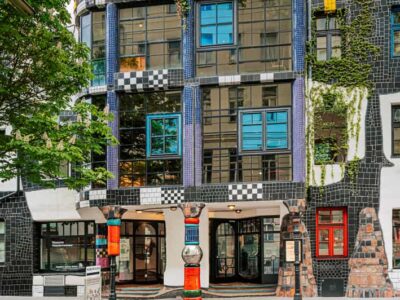
Vienna: Tickets for Kunst Haus Wien: Museum Hundertwasser
Read our review →
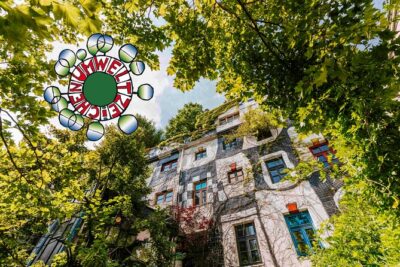
Entrance tickets for the KunstHausWien. Museum Hundertwasser
Read our review →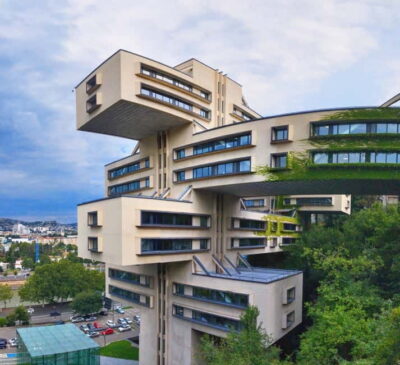
Brutalist Tbilisi: Urban exploration and untold stories
Read our review →
London: Brutalist Architecture & History Walking Tour
Read our review →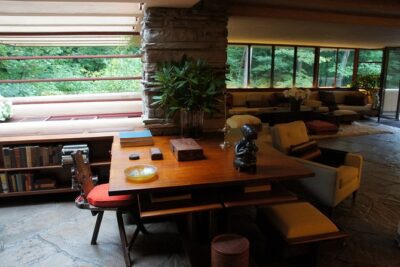
FALLINGWATER – America’s UNESCO World Heritage Masterpiece!
Read our review →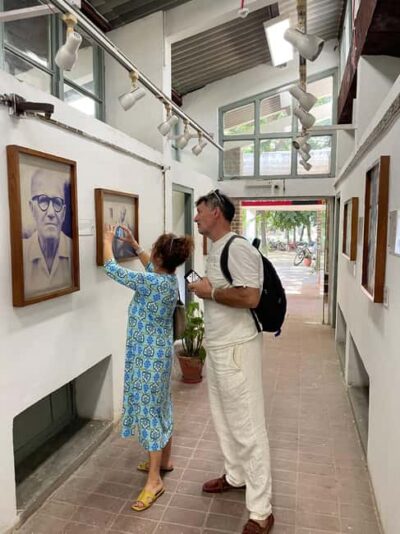
Le Corbusier’s Chandigarh : A Complete Architecture Tour
Read our review →Browse the lists this tour appears in