
Review · NEW ZEALAND
Explore the legacy of artist, ecologist, architect, visionary
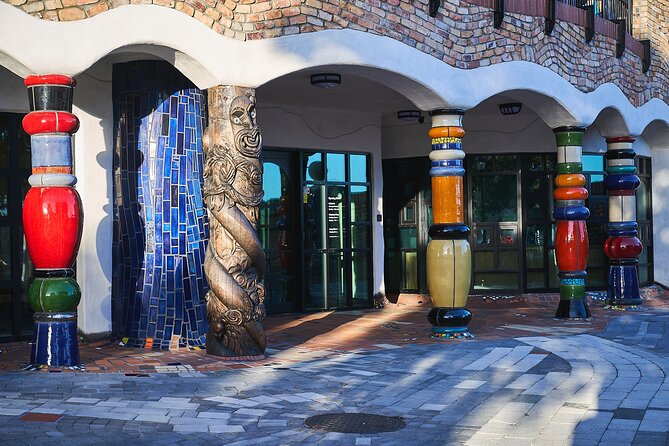
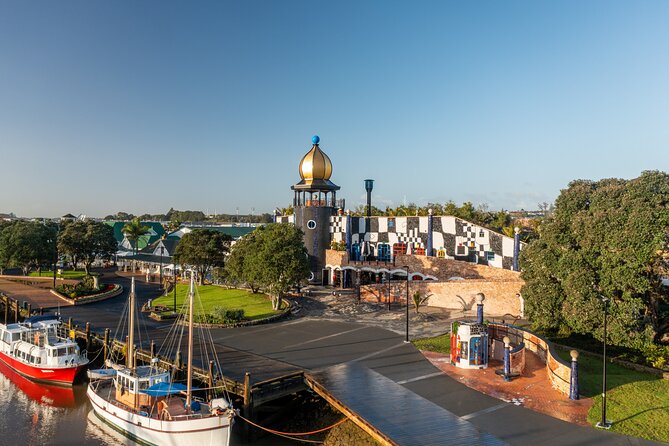
Whangarei’s Hundertwasser Art Centre is part museum, part architectural oddity, and part public statement about living with nature. You’ll see colourful tiles, rounded forms, planted roof spaces, and a golden cupola, then step inside for the largest collection of Friedensreich Hundertwasser’s work outside Vienna.
I like the all-day admission, which lets you take your time, and the chance to pair Hundertwasser’s work with the Wairau Māori Art Gallery, the world’s first public gallery devoted to Māori art. The Afforested Roof adds sweeping views over the Hātea River and Whangarei.
The main consideration is price versus size. At $18.62, this is fair if you study the exhibitions, film, architecture, and rooftop view, but some visitors may find the amount of original work limited. The interior is less architecturally dramatic than the outside.
Key points before you go
- The collection is the largest of Hundertwasser’s work outside Vienna, making this a serious stop for anyone interested in his art or buildings.
- The Afforested Roof offers 360-degree views of Whangarei, the Hātea River, and the surrounding city.
- Wairau Māori Art Gallery changes exhibitions, giving the visit a strong local and contemporary New Zealand focus.
- You can visit independently or add a one-hour interactive guided tour, which may help if you want more context.
- Admission lasts all day, so you can take a break for food nearby and return to the galleries.
- The building works best from the outside, while the interior relies more on displays, models, films, and artworks.
Why Hundertwasser matters in Whangarei
Friedensreich Hundertwasser was more than a painter. He worked as an ecologist, architect, and campaigner for a closer relationship between people and nature. His ideas appear throughout the centre, from the planted roof to the irregular shapes and strong use of colour.
His motto, You are a guest of Nature, so behave, helps explain the purpose of the place. You are not simply looking at framed paintings. You are seeing examples of how he wanted buildings to accommodate trees, soil, uneven lines, and human imagination.
That makes the centre especially useful for visitors who know little about Hundertwasser. You can understand his work through the building itself, not only through labels. The bright tiles, flowing stairs, unusual railings, and rounded brickwork make his ideas easy to grasp.
I would allow at least one to two hours for a proper visit. The stated duration is roughly one to three hours, but your pace matters. A quick visit can cover the main rooms and roof. A slower visit gives you time for the changing Māori exhibition, documentary films, models, and MuseumShop.
A few more architecture tours around New Zealand worth a look
- Christchurch Architectural Marvels: Private Walking Tour
★ 5.0 · 2 reviews - Chicago Architecture River Cruise
★ 5.0 · 15,756 reviews - Chicago River 90-Minute Architecture Tour
★ 4.5 · 9,629 reviews
The building is the first exhibit
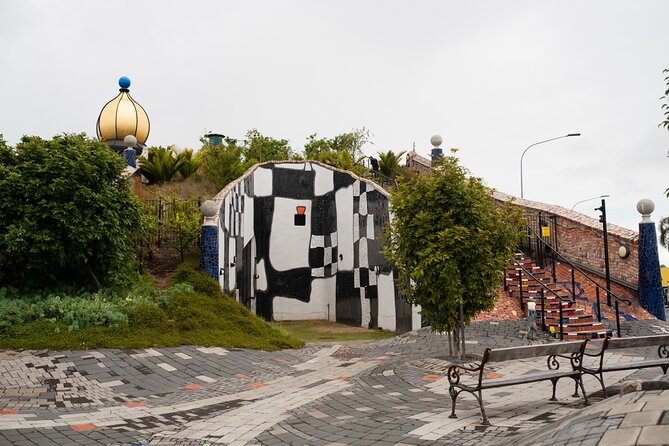
Before paying admission, walk around the outside and look up. The centre is designed to feel unlike a conventional gallery. Its colour, curves, tiles, and planted areas reflect Hundertwasser’s dislike of rigid, identical architecture.
The exterior is likely to be the strongest architectural part of the visit. It has the playful quality associated with his work, with shapes and surfaces that reward close attention. You might notice something different each time you change position.
This is also the best part of the experience for anyone who mainly wants photographs or a quick look at Hundertwasser’s style. You can appreciate the building’s bold character without spending much time inside.
The trade-off is that the interior does not offer the same architectural surprise. Some displays explain his work and show models of other buildings, but the rooms are more conventional than the exterior. If you are visiting only for architecture, set your expectations accordingly.
Inside the Hundertwasser in New Zealand exhibition
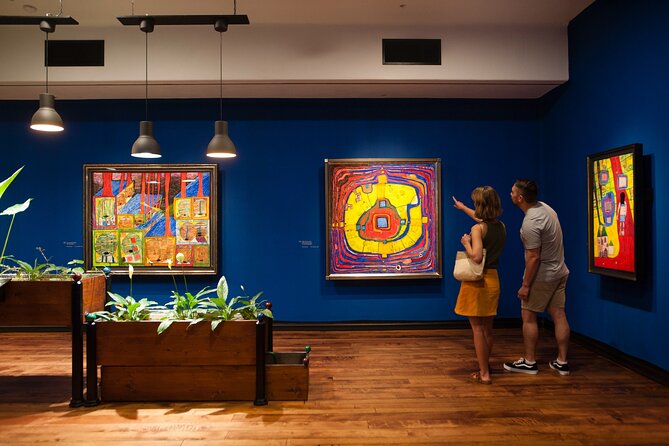
The main exhibition, Hundertwasser in New Zealand 1973 to 2000, focuses on his connection with New Zealand and presents the largest collection of his work outside Vienna. It gives you a chance to look beyond the famous buildings and consider his painting, design, ecological thinking, and time in this country.
The displays are useful because they connect separate parts of his career. You can see how his artistic choices relate to his views about trees, buildings, and the natural world. His work is full of colour and unusual shapes, but the environmental message gives it more weight than simple decoration.
I would not rush through the artwork. Look for repeated ideas: organic lines instead of straight ones, surfaces that appear handmade, and a preference for variety over uniformity. Even if you are not normally an art-museum person, the work is approachable because it is direct and visual.
The exhibition may feel modest to someone expecting a huge collection. One criticism is that the amount of original work does not always seem to match the admission price. That is why I recommend treating the centre as a combined experience, not as a single-room art display.
Wairau Māori Art Gallery adds a different voice
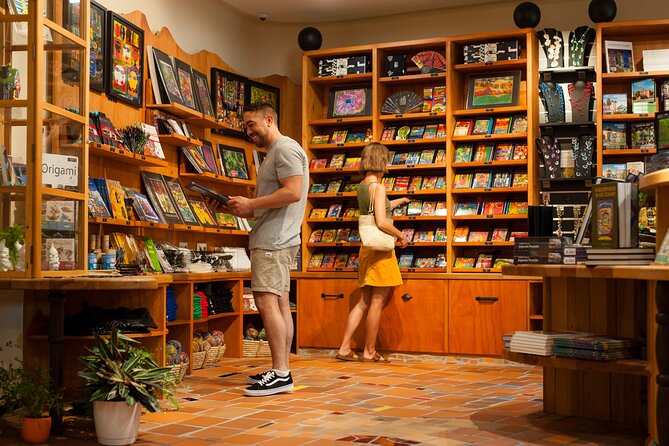
The Wairau Māori Art Gallery is an important part of the visit. It is described as the world’s first dedicated Māori public art gallery, and its exhibitions focus on contemporary Māori artists, indigenous themes, and Aotearoa’s history.
This changes the rhythm of the centre. Hundertwasser’s work is international and personal, while the Māori gallery places attention on identity, culture, place, and New Zealand’s past and present. The two galleries are not interchangeable, and that is a strength.
Exhibitions change, so the exact works you see will depend on the date of your visit. If you have already seen Hundertwasser’s work elsewhere, the Māori gallery may be the part that gives you the freshest reason to return.
I also like the way the gallery broadens the centre beyond one European artist. You get a more useful sense of the local setting rather than treating Whangarei as a backdrop for imported art.
Same city, a completely different century:
- Guided 10am Morning Art Deco Walk From Napier Art Deco Trust
★ 4.5 · 167 reviews - Guided 2pm Afternoon Art Deco Walk from Napier Art Deco Trust
★ 5.0 · 97 reviews - Shore Excursion: Napier/ Hawke’s Bay & Premium Wineries tour
★ 4.5 · 93 reviews - Shore Excursion: 4 Hour Premium Hawke’s Bay, Napier Art deco Tour
★ 4.0 · 37 reviews
Climb to the Afforested Roof
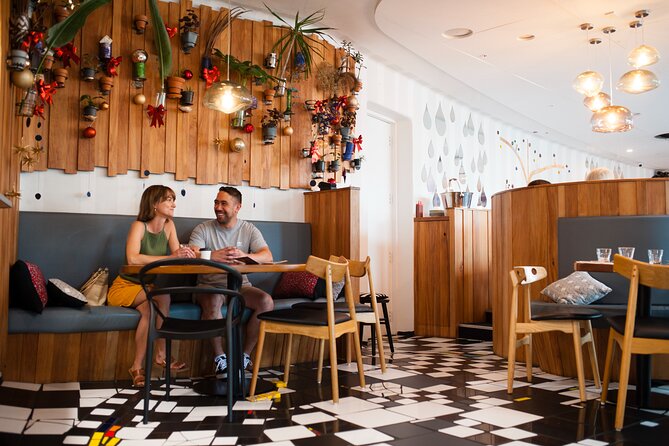
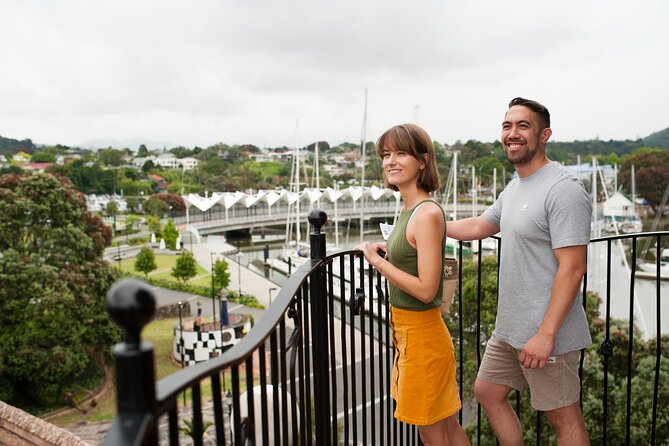
Do not leave without visiting the Afforested Roof. This award-winning rooftop area includes a golden cupola and provides 360-degree views across Whangarei, including the Hātea River and the city.
The roof is not just a lookout added for convenience. It puts Hundertwasser’s ecological ideas into physical form. Planting on a building changes the usual hard boundary between architecture and nature. The result is a place where the roof becomes part garden, part artwork, and part viewing platform.
The view gives you a useful sense of the centre’s location beside the Town Basin and near the city’s riverfront activity. It also makes the admission more worthwhile for visitors who enjoy photography, city views, and unusual buildings.
Take your time here, especially if the weather is clear. The rooftop can provide a break from the galleries and help you see the building as a complete work rather than a series of rooms.
The small cinema and models
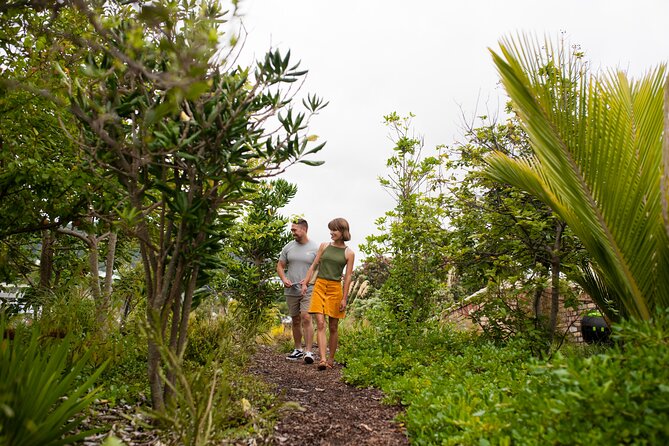
A small film theatre runs documentaries on a loop. This can be a handy way to add background if you are new to Hundertwasser or want to hear more about his ideas.
The film is not the strongest part of the visit for everyone. Its narrative may feel limited, and some viewers may find it less engaging than the building and art. I would treat it as an optional pause rather than the main reason to buy a ticket.
Models of other Hundertwasser buildings also help show the range of his architectural ideas. They are useful for comparison, especially if you have seen photographs of his work in other countries. They do not replace seeing a full building in person, but they provide context for the design choices at Whangarei.
If you have only an hour, prioritize the main exhibition, Wairau Māori Art Gallery, and Afforested Roof. Add the film and models if you have more time.
Self-guided visit or one-hour guided tour
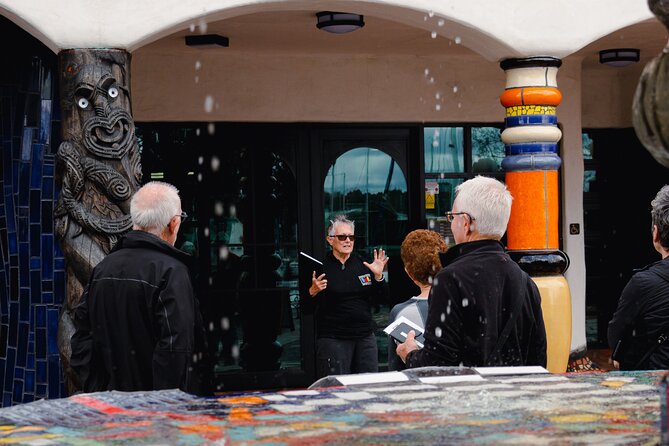
The standard admission is self-guided, so you can move at your own pace. This suits independent visitors who want to read selected information, pause for photographs, and spend extra time with particular works.
An optional one-hour interactive guided tour is also available for an additional charge. A guide can help connect Hundertwasser’s art, architecture, and ecological beliefs, particularly if the exhibition labels leave you wanting more explanation.
I would choose the guided option if you are unfamiliar with modern art, visiting with teenagers, or want a more structured hour. The self-guided format is better if you prefer quiet observation or plan to return to a favourite area.
The centre allows all-day access, which makes the choice less stressful. You can begin with a self-guided look, take a break, and use the remaining time for the roof or gallery. The admission ticket does not include the guided tour, so check the cost before booking if you want that extra layer.
How much value do you get for $18.62?
At $18.62 per person, the ticket is not a throwaway attraction price, but it can represent good value if you use the full building. You are paying for all-day access to the Hundertwasser exhibition, Wairau Māori Art Gallery, rooftop, film theatre, and associated spaces.
The value is weaker if you only want to see the exterior. The building is free to admire from outside, and the most striking architectural details are visible before you enter. It is also weaker if you expect a large traditional art museum with room after room of major originals.
I see the ticket as fair for an art and architecture stop, especially because it includes two different gallery experiences. The changing Māori exhibitions also give the centre some repeat value. Families and teenagers may appreciate the colour, models, unusual spaces, and freedom to move at their own pace.
The on-site MuseumShop adds another reason to allow time. It carries Hundertwasser applied art, unique objects, gifts, and Māori-related items. It is not included in admission, but it can be useful if you want a design-focused souvenir rather than a standard postcard.
Food and the Town Basin setting
The centre sits by Whangarei’s Town Basin, an area with restaurants and a walkable riverfront. That location makes it easy to combine the visit with lunch, a coffee, or a stroll beside the Hātea River.
The on-site restaurant is an appealing bonus if you want to stay near the building. Dishes such as sashimi and chowder have been singled out as strong choices, and the dining area benefits from the views. Because admission lasts all day, you can visit the galleries, eat, and return without trying to fit everything into one continuous session.
I would plan this as part of a wider Whangarei outing rather than drive in only for a short look. The centre is near public transportation, and the Town Basin gives you more to do after the art visit. That wider setting helps balance the criticism that the interior collection may feel limited.
Who will enjoy this most?
This experience suits you if you like architecture, public art, environmental ideas, or unusual museums. It is also a good choice if you want to see contemporary Māori art in a dedicated gallery rather than only in a general museum collection.
Families and teenagers may respond well to the colour and playful shapes. The centre is less dependent on long text panels than many history museums, and the roof gives the visit a clear finish.
Art specialists may want more original work, while architecture fans may find the outside more rewarding than the inside. If you fall into either group, combine the centre with time at the Town Basin so the ticket feels like part of a larger day.
The experience is accessible to most people, and service animals are allowed. It is near public transportation, which is helpful if you are exploring Whangarei without a car. The information provided does not give detailed mobility notes, so contact the centre directly if you need specific access arrangements.
Practical timing and booking advice
Admission is available by mobile ticket and includes full-day access. The visit itself usually takes one to three hours, depending on whether you watch the film, study the displays, visit the shop, eat nearby, and spend time on the roof.
You receive booking confirmation at the time of purchase. If your plans may change, free cancellation is available up to 24 hours before the experience begins. Cancellations or changes made less than 24 hours ahead are not accepted for a refund.
The guided tour is not included in the admission price. If you want the one-hour interactive option, arrange it separately and allow enough time for both the tour and independent viewing.
Should you book the Hundertwasser Art Centre?
Book it if you want a distinctly Whangarei experience that joins art, architecture, ecology, Māori culture, and city views in one stop. The Afforested Roof, the exterior design, and the Wairau Māori Art Gallery are the strongest reasons to go.
Think twice if you only want a large collection of original paintings or a fully dramatic architectural interior. In that case, the ticket may feel expensive for the amount of work on display.
For most visitors with an interest in design or New Zealand culture, I would make room for it, especially on a day when you can use the all-day admission and explore the Town Basin as well. Go inside for the ideas, go upstairs for the view, and spend a few minutes outside looking closely at the building itself.
FAQ
Where is the Hundertwasser Art Centre?
It is in Whangarei on New Zealand’s North Island, beside the Town Basin and near the Hātea River.
How much does admission cost?
The listed price is $18.62 per person.
How long does the visit take?
The visit takes approximately one to three hours, depending on how much time you spend in the exhibitions, film theatre, shop, and Afforested Roof.
Does admission provide all-day access?
Yes. Admission includes full-day access to the multiple spaces in the centre.
Is a guided tour included?
No. The guided tour costs extra. You can arrange an optional one-hour interactive guided tour.
What can I see inside the centre?
You can see the Hundertwasser in New Zealand 1973 to 2000 exhibition, the Wairau Māori Art Gallery, documentary films, models of other buildings, and the MuseumShop.
What is special about the Wairau Māori Art Gallery?
It is described as the world’s first dedicated Māori public art gallery. It presents changing exhibitions by contemporary Māori artists.
Can I see views of Whangarei?
Yes. The Afforested Roof has a golden cupola and sweeping 360-degree views of Whangarei, the Hātea River, and the city.
Can I cancel my booking?
Yes. You can cancel for a full refund up to 24 hours before the experience start time. Changes or cancellations made less than 24 hours in advance are not accepted for a refund.
Just added around New Zealand
- Whangārei: Hundertwasser Art Centre: Admission for one day.★ 4.9 · 14 reviews
- Napier and Hawkes Bay Scenic and Art Deco Tour by VW Kombi★ 5.0 · 21 reviews
- Small group – Napier City & Art Deco Tour, 2 hours★ 4.5 · 18 reviews
- Napier Cruise Excursion Art Deco Tour and Wine Tasting★ 4.5 · 3 reviews
- Shore excursion – Napier sight seeing/Art Deco Tour,★ 4.5 · 3 reviews
- Napier Shore Excursion: Wine & Art Deco Tour★ 4.5 · 6 reviews
- Christchurch Architectural Marvels: Private Walking Tour★ 5.0 · 2 reviews
- Napier: Art Deco Bike Ride and Wineries Loop★ 4.0 · 19 reviews
New Zealand Architecture Tours, compared.

Guided 10am Morning Art Deco Walk From Napier Art Deco Trust
Read our review →
Guided 2pm Afternoon Art Deco Walk from Napier Art Deco Trust
Read our review →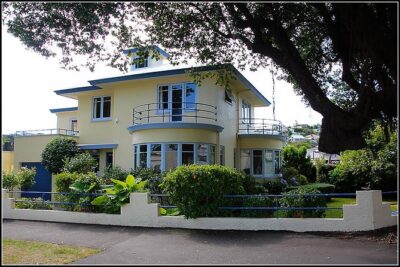
Shore Excursion: Napier/ Hawke’s Bay & Premium Wineries tour
Read our review →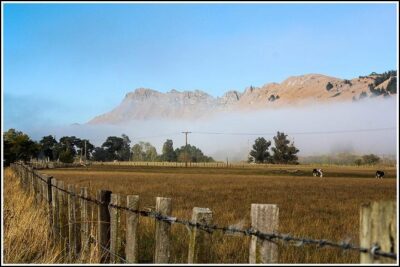
Shore Excursion: 4 Hour Premium Hawke’s Bay, Napier Art deco Tour
Read our review →
Napier and Hawkes Bay Scenic and Art Deco Tour by VW Kombi
Read our review →
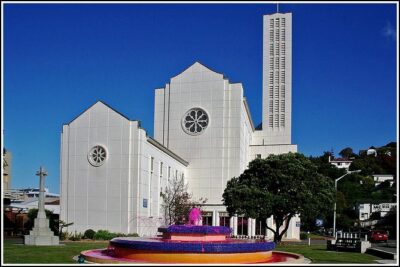
Small group – Napier City & Art Deco Tour, 2 hours
Read our review →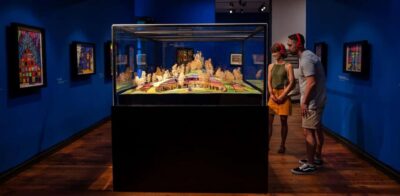
Whangārei: Hundertwasser Art Centre: Admission for one day.
Read our review →Browse the lists this tour appears in