
Review · JAPAN
Kyoto: Nijo Castle & Gardens 2-Hour Guided Tour
Nijo Castle packs a surprising amount of Kyoto history into two hours. You’ll pass beneath grand gates, walk through carefully planned gardens, and enter palace rooms tied to the rise and fall of shogun rule. The best part is the guide’s help with details you could easily miss, such as the floating peacock panel in Ohiroma Ni-no-ma.
I like the small-group or private format, which gives you room to ask questions rather than trail behind a large crowd. I also like that admission is included, so the $49 price covers the guide and the castle itself. The main caution is the palace access: confirm exactly which Honmaru-goten rooms your departure includes, since public access has changed and one recent account specifically wished for a fuller interior visit.
Key points
- The floating peacock panel: Ask your guide to help locate this easily missed feature in Ohiroma Ni-no-ma.
- A focused two-hour visit: The schedule gives you a useful introduction without taking half a day.
- English-speaking guidance: Seana and Megumi are named guides associated with especially personal, clear tours.
- Admission is included: The $49 fee covers entry to Nijo Castle and the guide service.
- Gardens and palace interiors: You get both the formal buildings and the quieter grounds.
- Flexible booking: You can cancel up to 24 hours before the start for a full refund and reserve without paying immediately.
Why Nijo Castle works well in a two-hour tour
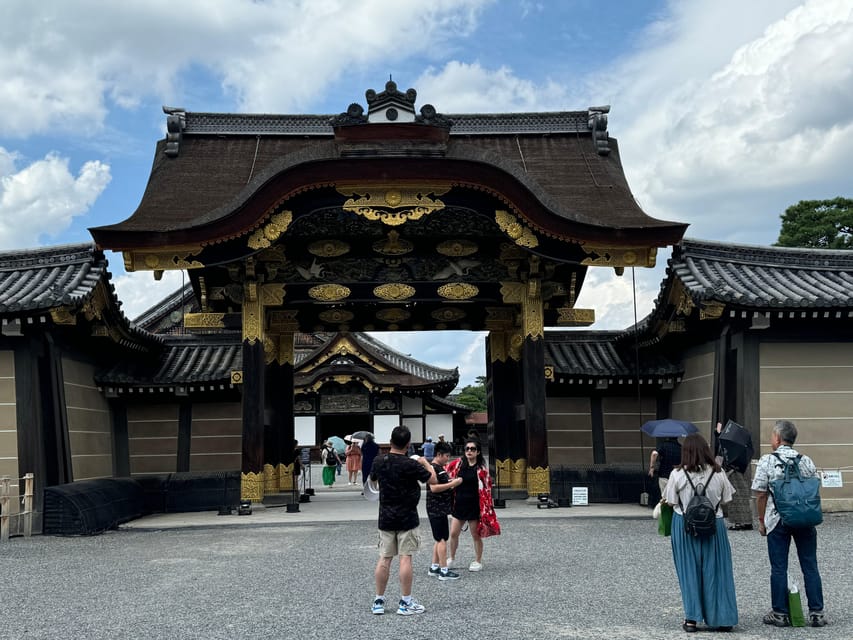
Nijo Castle is one of Kyoto’s best places to connect architecture with political history. It was built as a symbol of shogun power, and its gates, halls, gardens, and ceremonial rooms still show how authority was presented in early-modern Japan.
A self-guided visit can be rewarding, but the site has many layers. You may notice painted screens, unusual floorboards, formal courtyards, and carefully framed garden views without knowing why they matter. A guide gives those details a place in the larger story.
This two-hour tour is not designed to cover every corner at a slow pace. Instead, it gives you a guided route through the major sights. That is useful if you have limited time in Kyoto or want a clear introduction before exploring other historic sites on your own.
The price is $49 per person. I consider that reasonable if you value explanation and conversation, especially in a private or small group. Admission is included, which simplifies the visit. If you prefer to read every sign at your own pace or spend a long time taking photographs, an unguided visit may offer more freedom.
A few more architecture tours around Japan worth a look
- Barcelona 2-Hour Gothic Walking Tour
★ 4.7 · 317 reviews - Guided Gaudí Trencadís Mosaic Workshop in Barcelona 2 Hours
★ 5.0 · 176 reviews - Miami: 2-Hour Art Deco Bike Tour
★ 4.6 · 155 reviews
Meeting the guide at Higashi-Ohtemon Gate
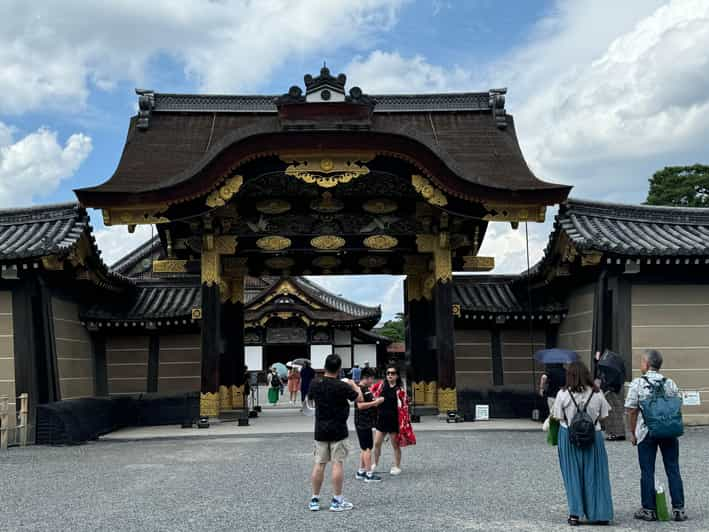
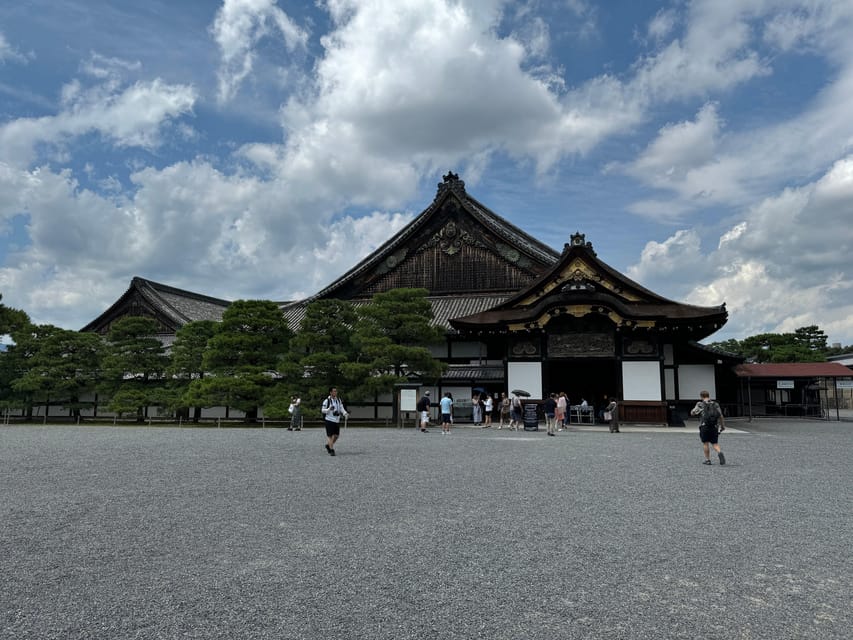
You meet in front of the ticket counter near the Higashi-Ohtemon main gate. Look for the guide holding a yellow sign with the DeepExperience logo. The listed starting point is also identified as the former Nijo Castle parking management office, so use the gate and ticket counter as your practical landmarks.
Arrive with enough time to find the meeting spot. Nijo Castle is a large site, and a little confusion at the entrance can eat into a two-hour tour. The activity finishes at the same meeting point, which makes it easy to continue sightseeing in central Kyoto afterward.
The guide service is offered in English. Private and small-group departures are available, so check the option you select when booking. Group size matters here: the castle’s details are easiest to appreciate when you can hear the guide clearly and ask about a painting or room without interrupting a large party.
First look at the castle grounds and architecture
The opening section gives you a quick orientation to Nijo Castle. Expect a photo stop and guided sightseeing around the main structures, with about 15 minutes devoted to this first look.
The architecture provides an immediate sense of ceremony. Large gates and traditional wooden buildings make it clear that this was not simply a residence. The design presented power to anyone arriving at the compound, from officials to important visitors.
This short opening is useful because it helps you understand the site before you move indoors. Your guide can point out the layout and explain how the castle functioned as a political and residential center. I would use this part to ask where the tour will spend the most time, especially if you care more about palace rooms than garden paths.
Photography is part of the appeal, but try not to let the first few minutes become a photo sprint. The castle’s scale and formal arrangement make more sense when you pause to look at how the buildings and open spaces relate to one another.
The one-hour palace section
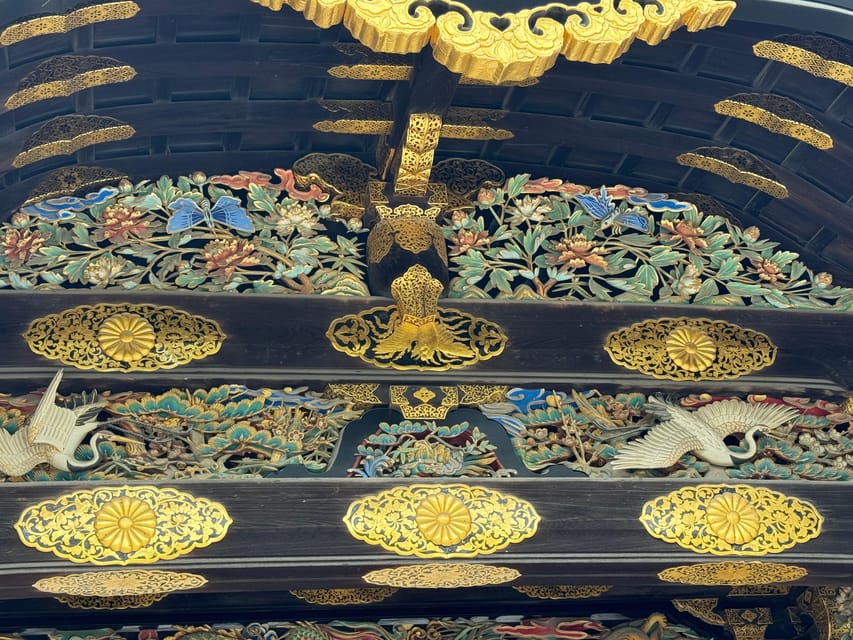
The longest portion of the experience is the guided visit to Honmaru-goten Palace, listed at about one hour. This gives the tour a strong indoor focus and lets the guide explain the castle through its rooms, decoration, and ceremonial purpose.
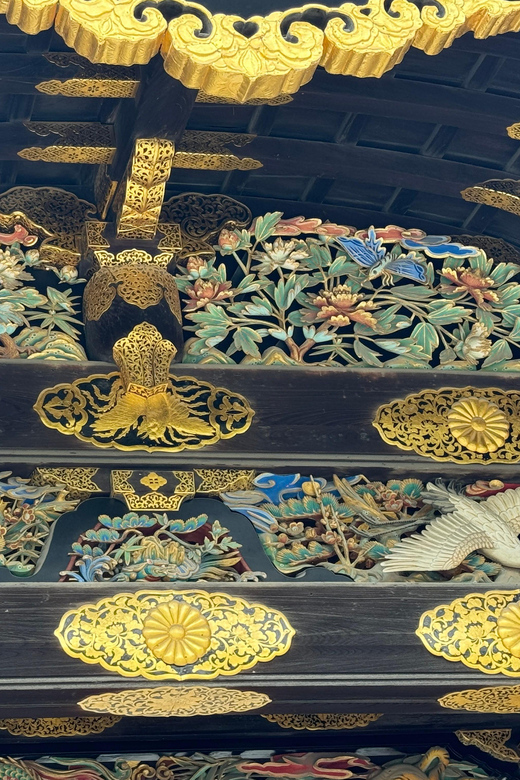
The palace portion is where a guide can add the most value. Painted panels and room arrangements are not always self-explanatory. A well-timed explanation can show you how the building communicated rank and how guests would have moved through its spaces.
One guide, Seana, is specifically praised for spending extra time on selected areas rather than rushing from room to room. That approach suits Nijo Castle. The site rewards attention to small features, and a personal explanation can turn an attractive room into a memorable one.
A particularly good detail to ask about is the floating peacock panel in Ohiroma Ni-no-ma, the second room. It is not easy to see from the usual route, and finding it can become a small shared hunt with your guide. Seana was able to ask castle staff for help in Japanese, which added a personal touch to the visit. You should not assume every guide will recreate that exact moment, but asking about the panel is a smart way to get more from the palace visit.
The palace access deserves a careful note. Honmaru Palace opened to the public in September 2024, but access arrangements can change. The tour schedule includes a one-hour guided palace stop, while the supplied experience details do not spell out every room included inside Honmaru-goten. If seeing the interior is your main reason for booking, confirm the current access before you pay.
More guided tours in Japan:
- Tokyo Architecture and Contemporary Art Walking Tour with a local guide
★ 5.0 · 15 reviews - Barcelona: Sagrada Familia Entry Ticket with Audio Guide
★ 4.6 · 105,312 reviews - Fast Track Sagrada Familia Guided Tour
★ 4.5 · 8,795 reviews - Chicago River: 1.5-Hour Guided Architecture Cruise
★ 4.8 · 8,046 reviews
Gardens, paths, and a slower final twenty minutes
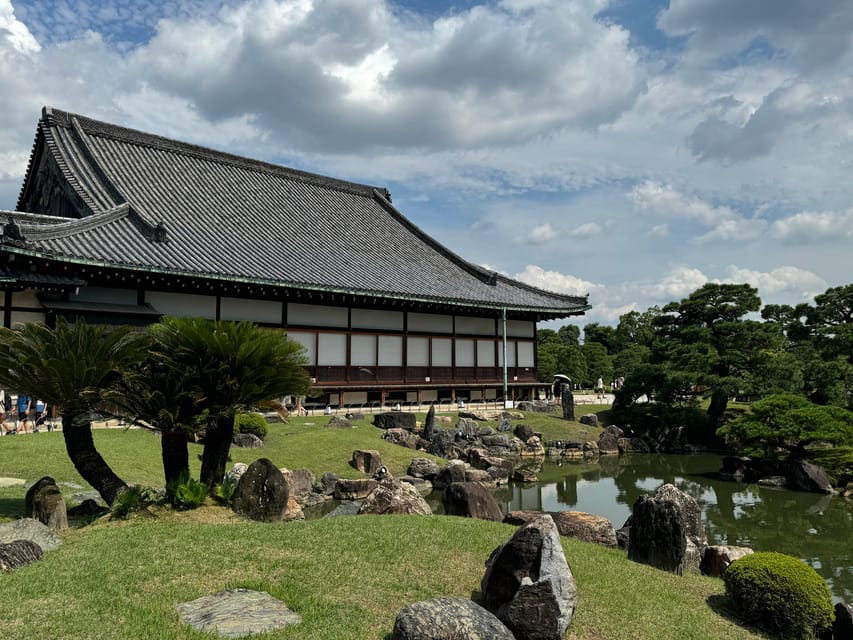
After the main palace section, the tour continues with about 20 minutes of guided sightseeing and walking around Nijo Castle. This is your chance to shift from painted interiors and formal rooms to the outdoor setting.
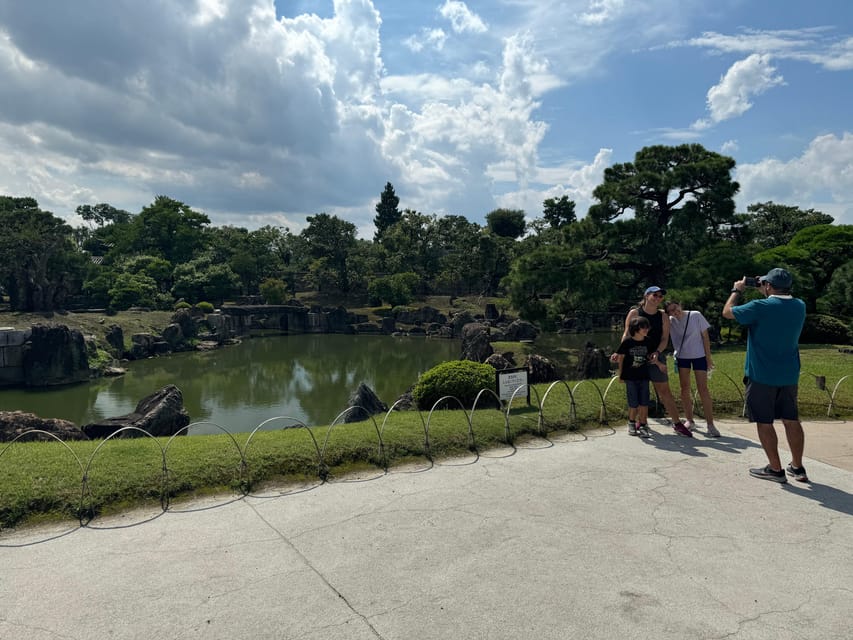
The gardens provide a calmer counterpoint to the castle’s political story. Paths, water, trees, stonework, and traditional structures create changing views as you move through the grounds. The exact route can depend on current access and the guide’s judgment, but the outdoor time should help you see the castle as a complete site rather than a collection of rooms.
Twenty minutes is enough for an introduction, not a long garden stroll. If gardens are your main interest, you may want to return independently after the tour, provided your admission and site access allow it. If you have a packed Kyoto schedule, the short guided walk is a sensible compromise.
I especially like the balance here. You get historical explanation indoors, then time to absorb the quiet grounds. That mix keeps the two-hour format from feeling like a lecture.
What the guides add to the visit
The strongest feature of this experience is the human explanation. Seana is described as offering detailed stories and a personal point of view, while Megumi is noted for being informative and polite. Those qualities matter at a place where the visual details can otherwise blur together.
A good guide does not merely recite dates. You want someone who can explain why a gate feels imposing, why a room is arranged as it is, and which decorative detail deserves another look. The account of the peacock panel shows the benefit of having someone willing to pause, investigate, and ask staff for help.
The guide can also adjust the visit to your interests. You might ask for more attention to architecture, political history, palace art, or the gardens. In a private or small group, those questions are more practical than they would be in a large tour.
Still, a guided visit depends on the person leading it. The two named guides received especially positive comments, but your assigned guide may be different. The advertised service is in English, so you can expect English guidance, though the level of detail and pace may vary.
Is $49 a fair price?
At $49 per person, this is not the cheapest way to enter Nijo Castle. The value comes from combining admission with two hours of explanation, route planning, and the chance to ask questions.
I would consider it good value for a first visit, especially if you have limited time in Kyoto. You avoid having to work out which buildings and rooms deserve priority, and you gain context that signs alone may not provide. The private or small-group choice also makes the cost easier to justify for people who prefer conversation over a fixed group lecture.
The value is weaker if you already know Nijo Castle well, speak Japanese, or want to linger at your own pace. You may prefer an independent visit if your main goal is photography, quiet garden time, or a very flexible schedule.
The reserve-now, pay-later option gives you some planning flexibility. Cancellation is free up to 24 hours before the start for a full refund. Those terms are useful when Kyoto plans are still shifting, but check the exact starting time before booking because departures vary.
Who should book this Nijo Castle tour?
I would recommend it to first-time visitors who want a clear, guided introduction to one of Kyoto’s major cultural sites. It also suits anyone who enjoys architecture but wants help understanding what they are seeing.
History-minded visitors will appreciate the connection between the castle and shogun authority. Families and mixed-interest groups may like the short format, since two hours offers structure without taking an entire morning or afternoon.
The tour is less suitable for anyone who wants a slow, unplanned visit. It is also not the best choice if your only priority is entering every newly available palace room. Confirm the current Honmaru-goten access first, then decide if the route matches your interests.
Practical tips for getting more from the visit
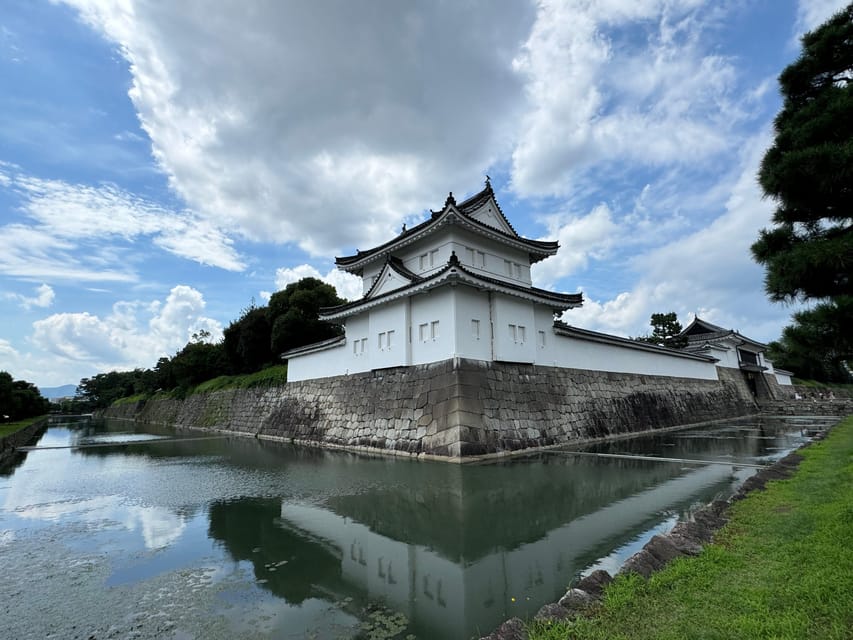
Wear shoes you can walk in comfortably. The experience includes palace interiors, paths, gardens, and several sections of sightseeing, so you will be on your feet for much of the two hours.
Keep your camera ready for the gates, buildings, gardens, and architectural details, but listen closely during the palace portion. The most worthwhile details may be small and easy to miss, such as the peacock panel.
If you want a more personal visit, choose a private or small-group option when available. Ask your guide at the beginning if there is time to focus on a particular room or feature. Mention the floating peacock panel by name if it is important to you.
Plan your day around the tour’s fixed two-hour window. Since the activity ends where it begins, you can continue with nearby Kyoto sightseeing after the castle, but the exact start time must be checked at booking.
Should you book it?
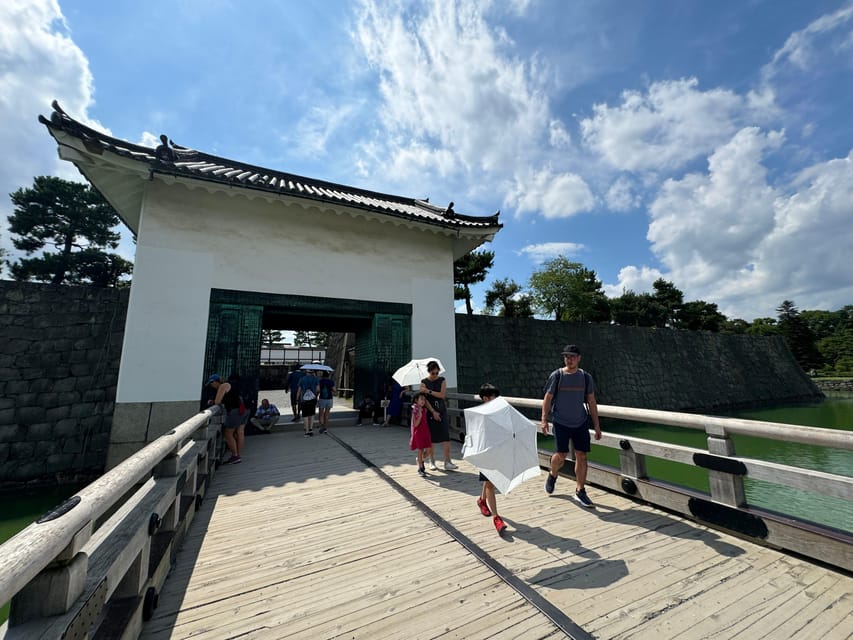
Book this tour if you want history, palace architecture, and gardens explained in one efficient visit. The $49 fee is sensible when you value a guide, included admission, and a small-group setting. Seana and Megumi are good examples of the warm, attentive style you should hope for.
I would hesitate only if you want complete freedom or if Honmaru-goten’s interior access is the deciding factor. In that case, confirm the current palace arrangements first. For most first-time visitors with two hours to spare, this is a practical way to see Nijo Castle with more meaning than a quick walk-through.
FAQ
How long does the Nijo Castle tour last?
The tour lasts two hours. Starting times vary, so check availability before booking.
What language is the tour offered in?
The live guided tour is offered in English.
Where do I meet the guide?
Meet in front of the ticket counter near the Higashi-Ohtemon main gate. The guide will hold a yellow sign with the DeepExperience logo.
What is included in the price?
The $49 price includes the guide fee and admission to Nijo Castle.
Does the tour include Ninomaru Palace and Honmaru-goten Palace?
The schedule includes a one-hour guided palace section at Honmaru-goten and also highlights Ninomaru Palace details during the visit. Confirm the current interior access if a specific palace room is essential to your plans.
Is this a private tour or a group tour?
Private and small-group options are available. Check the selected option when booking.
Can I cancel the tour for a refund?
Yes. You can cancel up to 24 hours in advance for a full refund. You can also reserve now and pay later.
Just added around Japan
- Small-Group Architecture Tour in Ginza, Tokyo★ 5.0 · 6 reviews
- Japanese Garden & Western Architecture: Akasaka exploration tour★ 5.0 · 9 reviews
- Tokyo Architecture and Contemporary Art Walking Tour with a local guide★ 5.0 · 15 reviews
- Private Ueno Park Architecture Walking Tour★ 5.0 · 8 reviews
- [Aomori Prefecture] Tour the history and architecture in Towada City, the art city★ 5.0 · 6 reviews
- Private Ueno Park Architecture Tour★ 5.0 · 5 reviews
- Private Ginza Architecture Tour★ 5.0 · 3 reviews
- Private Edo-Tokyo Open Air Architectural Museum Tour★ 4.8 · 15 reviews
Japan Architecture Tours, compared.

Tokyo: Shibuya Highlights Walking Tour & Secret View Spot
Read our review →
Private Harajuku Omotesando Architecture Walking Tour
Read our review →
Private Edo-Tokyo Open Air Architectural Museum Tour
Read our review →
Tokyo Architecture and Contemporary Art Walking Tour with a local guide
Read our review →
Japanese Garden & Western Architecture: Akasaka exploration tour
Read our review →
Browse the lists this tour appears in