
Review · CHICAGO
Chicago: Secret Interiors Architecture Walking Tour
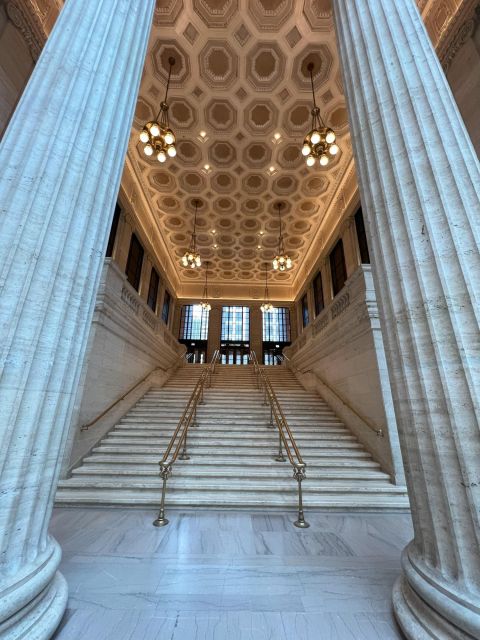
Chicago’s finest architectural surprises are often indoors. This two-hour walk takes you from Union Station through the Loop and into grand lobbies where domes, mosaics, carved details, and clever engineering reward anyone who bothers to look up. It is less about famous facades and more about the spaces most people hurry past.
I like the variety of interiors, from the Rookery Building and Marquette Building to the Chicago Cultural Center and Palmer House. I also like the human stories, involving industrial leaders, famous visitors, ambitious builders, and the practical problems architects had to solve when Chicago began reaching upward.
The main consideration is weather. One recent winter outing spent about 90 percent of its time outside, and the route moves at a brisk but manageable pace. Wear good shoes, bring layers, and remember that the Rookery is closed Sundays, when an alternative stop is used.
Key points at a glance
- Grand interiors you could easily miss: Enter historic buildings that are easy to pass without noticing from the street.
- A practical look at engineering: Learn how designers handled light, weight, structure, and the demands of early skyscraper construction.
- A guide-led walk with personality: Grant, Talia, Annie, Angel, Matthew, and Avery have each led tours praised for clear storytelling and friendly conversation.
- A compact Loop route: In two hours, you cover a useful stretch from Union Station through La Salle Street and the central Loop.
- Mostly outdoors: The interiors are the reward, but much of the route takes place on city sidewalks.
- Good value for curious visitors: At $35, the tour costs less than many major attractions while adding context to buildings you might otherwise see only from outside.
Why Chicago’s interiors tell the bigger story
Chicago’s architecture is often presented as a story of tall buildings and bold exteriors. This walk makes a useful correction. The inside of a building can reveal just as much about its era, purpose, and owners as the facade.
You may see a grand entrance built to impress wealthy clients, a mosaic that turns a lobby into a public art gallery, or a dome designed to pull daylight into a deep interior. These details were not added by accident. They helped buildings communicate power, wealth, progress, and civic pride.
The tour also connects design with practical problems. Early builders needed ways to support taller structures, bring light into large buildings, and make busy commercial interiors feel dignified. You will hear how architects and engineers worked within those limits while trying to create buildings that would be remembered.
I especially like this approach because it gives you something to watch for after the tour. Instead of seeing a decorative ceiling as simply pretty, you begin asking why it is there, how it was made, and what message it was meant to send.
More hidden architecture gems in Chicago:
- Chicago’s Secret Interiors Architectural Walking Tour
★ 5.0 · 635 reviews - Tokyo: Shibuya Highlights Walking Tour & Secret View Spot
★ 5.0 · 287 reviews - Delhi Hidden Gems: Mehrauli, Lodhi Art & Sunder Nursery
★ 5.0 · 108 reviews
Starting beneath the Clinton Street sign at Union Station
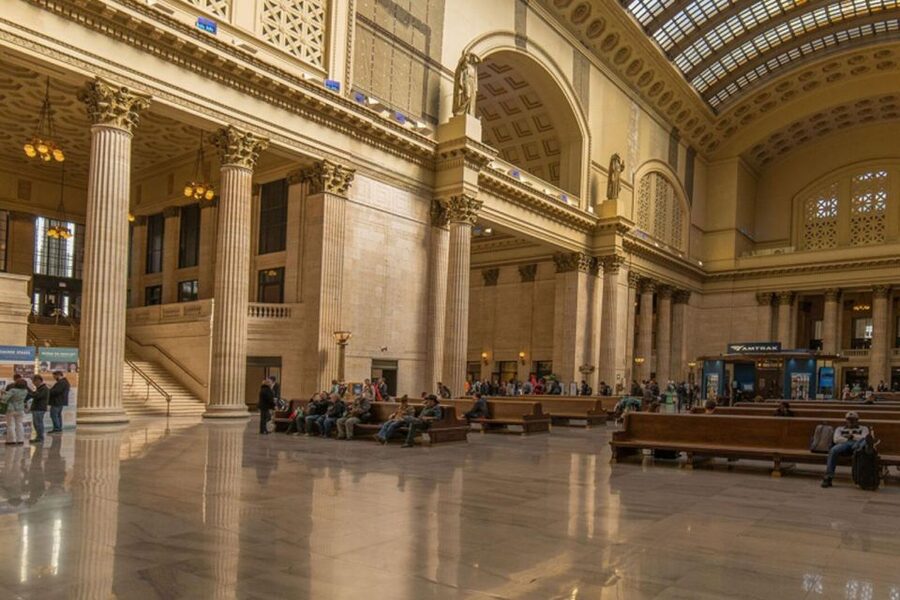
The meeting point is inside Union Station’s Great Hall, beneath the Clinton Street sign. It is a fitting place to begin. You start in one of Chicago’s major transportation spaces, then move into the commercial center that grew around rail travel, finance, retail, and office work.
Arrive ready to walk rather than expecting a long indoor museum visit. The guide leads you through the Loop, stopping at buildings and interiors along the way. The route includes outdoor commentary, photo stops, and short visits inside buildings when access is available.
Small groups can make a real difference here. Several outings had only a few people, giving the guide plenty of time to answer questions and adjust the pace. That is useful on an architecture tour, since the best questions often come when you are standing beneath a detail nobody in your group noticed at first.
South La Salle Street and the Loop’s early skyscrapers
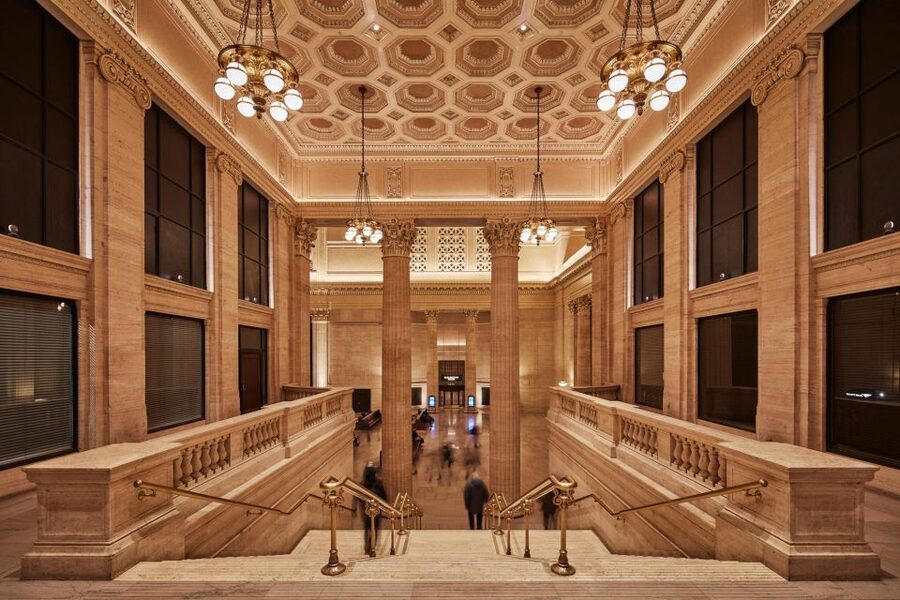
South La Salle Street provides the broad urban setting for the tour. Here, the story shifts from individual buildings to the larger development of the Loop: crowded business streets, ambitious office towers, and a city trying to define a new kind of urban identity.
Your guide explains how Chicago became a testing ground for new building methods and styles. The point is not simply that buildings became taller. Their height changed how architects thought about entrances, elevators, windows, offices, public circulation, and the relationship between a building and the street.
This part of the walk is also useful for orientation. You see how the buildings relate to one another instead of viewing them as isolated monuments. Look up at the upper stories, but also look down and around you. Decorative doorways, entrance halls, and street-level details can be easy to miss when you are focused on reaching your next stop.
One practical note comes from a useful piece of feedback: the tour can include more exterior architecture than you expect. If you want to discuss a particular doorway, ornament, or facade, ask. Guides such as Annie and Grant have been praised for answering follow-up questions, even when a feature is not the main stop.
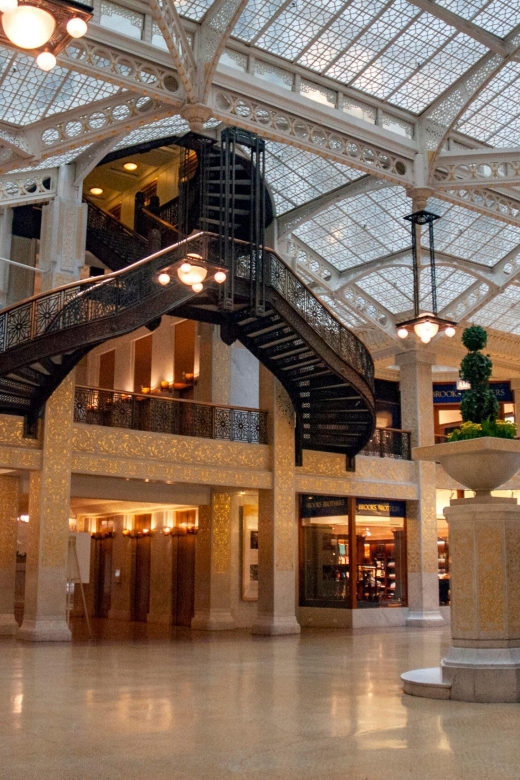
The Rookery Building and its celebrated light-filled interior
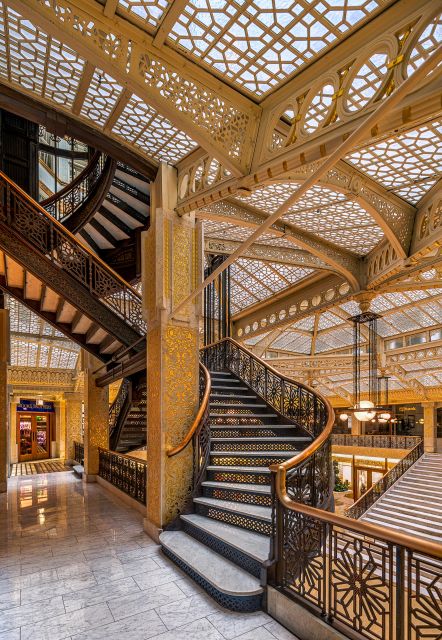
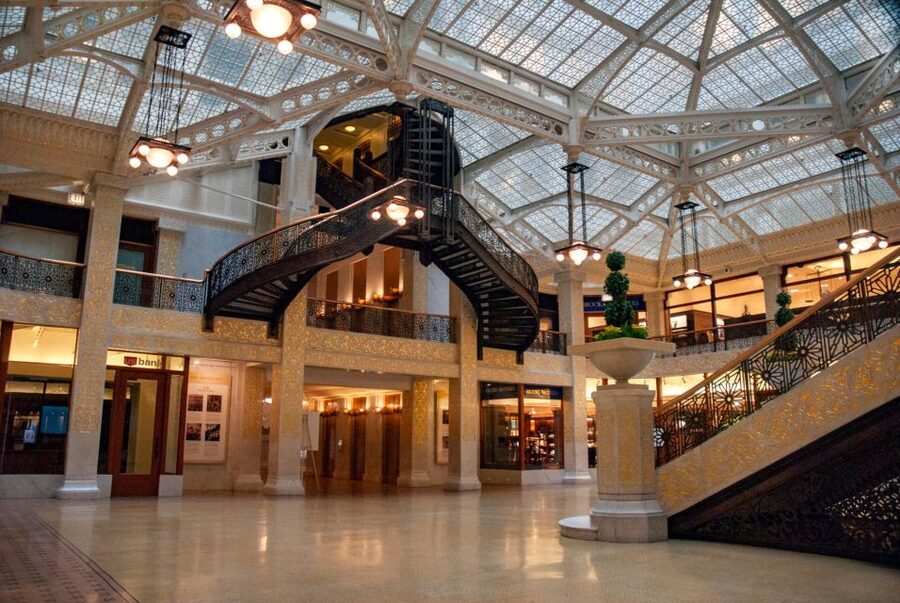
The Rookery is one of the most important stops on the route, combining early skyscraper history with a memorable central interior. Its design shows architects working through the problem of bringing natural light into a large urban building while creating an entrance worthy of its reputation.
Inside, pay attention to the central space, the layered decoration, and the way light changes the feel of the lobby. The building is a good example of how structure and ornament can work together. The engineering matters, but so does the experience of arriving there.
The Rookery also carries a strong connection to Chicago’s architectural development. It belongs to the period when the city was experimenting with new forms and proving that an office building could be both practical and highly theatrical.
The building is closed on Sundays, so an alternative stop is included on that day. If the Rookery is a priority for you, check the day before booking. The route remains worthwhile without it, but this is the one scheduled access detail most likely to affect your expectations.
More architecture walks in Chicago:
- Chicago in a Day: Food, History & Architecture Walking Tour
★ 5.0 · 1,153 reviews - Chicago Walking Tour: Art Deco Skyscrapers Loop
★ 5.0 · 138 reviews - Chicago Architecture Walking Tour: Incredible Art Deco Interiors
★ 5.0 · 85 reviews - Chicago Walking Tour: Historic Skyscrapers
★ 5.0 · 67 reviews
The Field Building and the business of looking impressive
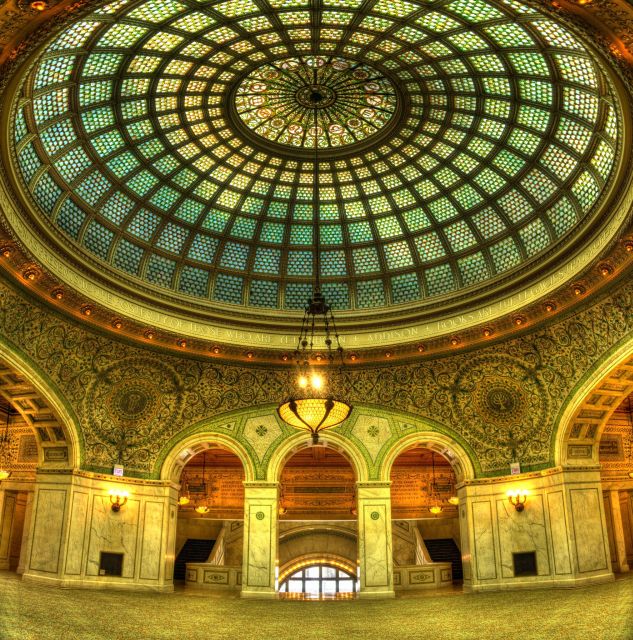
The Field Building adds another chapter to the Loop’s commercial story. Its design reflects a later stage of Chicago’s building boom, when offices and financial institutions needed to project confidence, stability, and success.
Here, your guide helps you read the building rather than simply photograph it. Notice how the entrance, materials, proportions, and interior decoration shape your first impression. Large commercial buildings had to handle crowds and daily work, but they also had to tell clients that the companies inside were important.
This stop is a reminder that architecture is partly about business psychology. A grand lobby can reassure a visitor before a meeting even begins. Decorative details can turn a functional entrance into a statement about permanence.
The walk does not treat every building as if it has the same style or purpose. That variety is one of its strengths. You move between different periods and design ideas, seeing how Chicago’s architecture changed while retaining a taste for drama.
The Marquette Building and art in the lobby
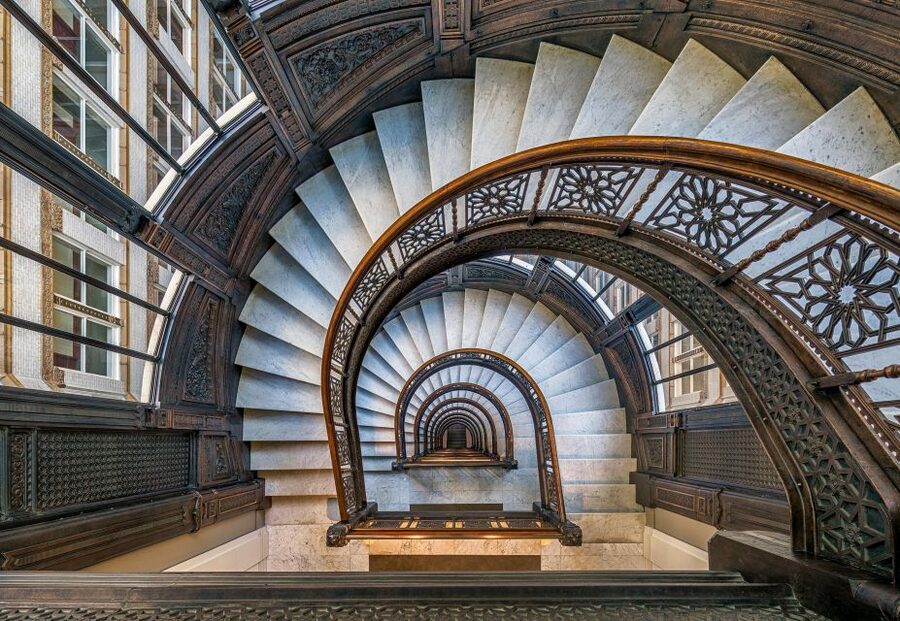
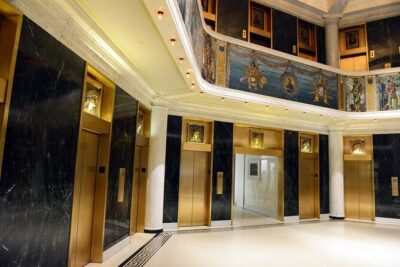
The Marquette Building is a highlight for anyone who enjoys decorative art. Its interior is known for elaborate craftsmanship, and the tour gives you time to consider how artwork, materials, and architecture combine in a public space.
This is the kind of place you might walk past without knowing that visitors can enter. That access is a major part of the tour’s value. You are not just looking at a postcard view from across the street. You are standing in the building and seeing how its designers wanted people to move through it.
Your guide explains the meaning behind selected design elements and connects them with the period’s ideas about commerce, progress, and civic identity. The details may include mosaics, metalwork, stone, or other decorative features, depending on what is accessible during the visit.
I would give yourself a moment to look before listening for the next fact. The interiors can be visually busy, and a quick photograph does not always show what makes them special. Look at the transitions between floor, walls, ceiling, doors, and light.
Palmer House and the grand hotel tradition
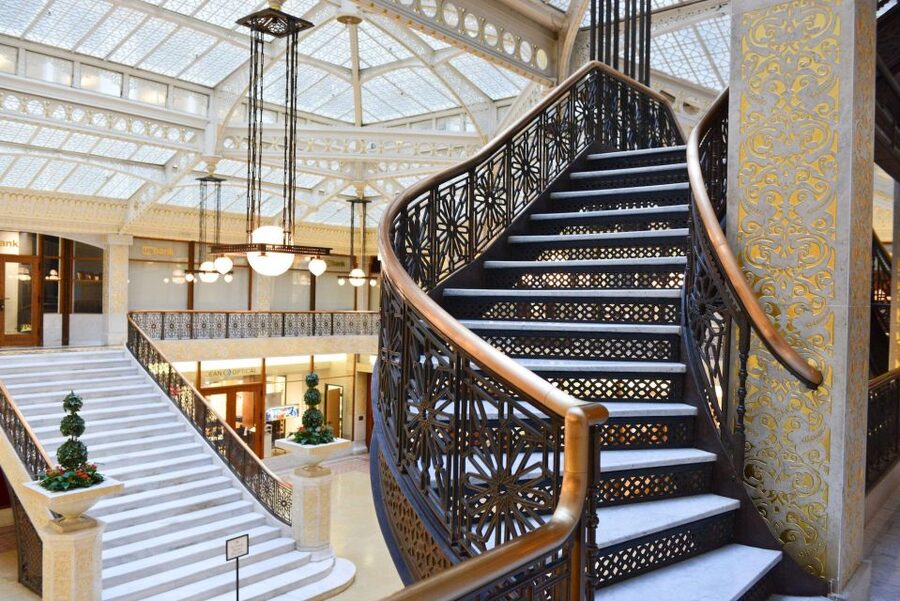
Palmer House brings hospitality into the story. Hotels had a different architectural job from office buildings. They needed to welcome, impress, guide, and entertain people from many backgrounds, all while handling a steady flow of activity.
The building helps explain why historic hotel interiors can feel more theatrical than ordinary commercial spaces. A hotel lobby was part reception hall, part public meeting place, and part advertisement for the city itself.
The tour also connects buildings with the people who passed through them during the Gilded Age and Roaring Twenties. Industrial magnates, public figures, and infamous characters all moved through Chicago’s hotels and offices. These stories give the architecture a human scale without turning the tour into a simple list of famous names.
If you enjoy social history, this may be one of the more rewarding stops. You learn not only how the building looks, but how it functioned in the life of the city.
The Chicago Cultural Center and a change of mood
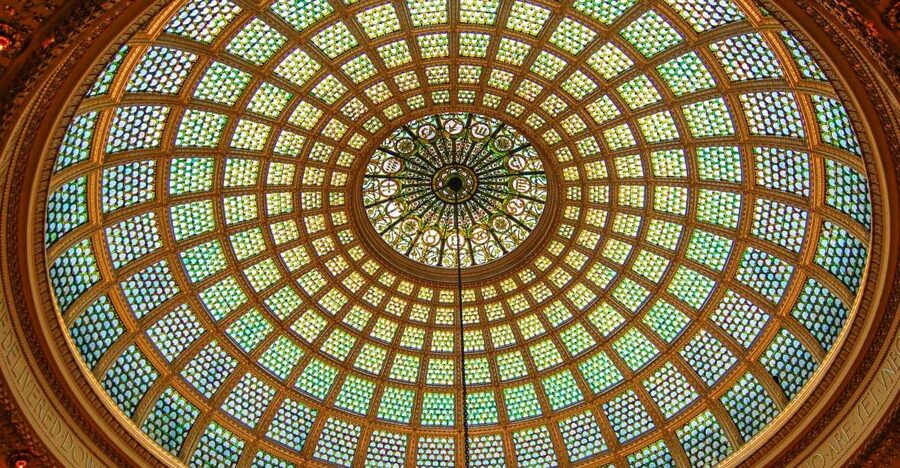
The Chicago Cultural Center provides one of the route’s most visually striking interiors. Its decorative work and large-scale spaces show how a civic building can use architecture to express public ambition.
This stop changes the rhythm of the tour. After commercial buildings and historic business addresses, you enter a space intended to serve a broader public. The ornament is still elaborate, but the message is different. The building is not only selling offices or hotel rooms. It is presenting culture and civic pride.
Look upward. Domes and ceilings are easy to miss when you are moving through a building with other people, yet they are often the main reason the interior matters. The tour encourages you to notice the way light, color, pattern, and scale work together.
The Cultural Center is also a useful reminder that Chicago’s architecture did not end with the early skyscrapers. The city kept adapting historic forms while making room for changing public uses.
Marshall Field and Company Building, the final stop
The tour finishes at the Marshall Field and Company Building, a natural closing point for a walk about ambition, commerce, and public display. Department stores once served as destinations in their own right, not merely places to buy something quickly.
The building’s interior helps show how retail architecture tried to create a complete experience. Decoration, circulation, light, and scale all mattered. The goal was to make shopping feel like an outing.
Ending here gives you a chance to compare the building with the offices, hotel, civic spaces, and early skyscrapers seen earlier. You can see how each type of building used architecture to shape behavior. An office lobby directs workers and clients. A hotel welcomes and guides. A department store invites you to linger.
Because the tour ends here rather than returning to Union Station, plan your next move before you start. You will already be in the central Loop, making it practical to continue sightseeing, find food, or connect with another downtown activity.
What the guides add to the walk
The guide can make or break an architecture tour, and this experience has several names associated with especially strong outings. Grant is praised for clear historical explanations, conversational delivery, and practical recommendations. Talia is described as patient, funny, and attentive to group comfort. Annie brings strong storytelling and local food and drink suggestions.
Angel, Matthew, and Avery have also led tours praised for their warmth and command of the subject. The assigned guide varies, so you cannot choose from those names based on the information provided. Still, the consistent pattern is useful: expect a live English-speaking guide who combines architectural explanation with stories about Chicago’s people and buildings.
The best way to get more from the tour is to ask questions. If you notice a doorway, ornament, or unusual material, bring it up. Some participants wanted more commentary on passing details, but guides were happy to expand when asked.
Timing, walking pace, and weather
The advertised duration is two hours, but the experience feels active rather than slow. You cover a sizeable part of the Loop at a brisk yet generally comfortable pace. One outing was described as not too rushed, while another found the pace fast for tired legs.
Comfortable shoes are essential. You will walk between buildings, wait outside at times, and move through several interiors. Winter requires serious layers, since most of the route is outdoors. Summer weather can also affect comfort, though no specific heat arrangements are provided.
The tour is listed as wheelchair accessible, but one outing included many stairs in and out of buildings. If step-free access is important to you, ask the operator for the exact route and building access conditions before booking. Building availability can affect the interior sequence.
Is $35 a fair price?
At $35 per person, this is a sensible purchase if you want context rather than a quick photo walk. You get two hours with a guide, entry into buildings you might not visit alone, and explanations that help you understand why the details matter.
The value is strongest for first-time visitors, architecture fans, and Chicago residents who have seen these buildings from the outside but never entered them. It is also a useful partner to a river architecture cruise. A boat tour gives you the skyline and exterior view. This walk gives you the lobby, ceiling, mosaic, and doorway.
It is less ideal if you want a fully indoor activity, a slow museum-style visit, or a tour focused on one building. The route covers many places, so each stop receives a portion of the two hours rather than a long, detailed treatment.
Who should book this Chicago architecture walk?
I would recommend it to anyone curious about what lies behind the Loop’s famous facades. Families can enjoy the stories, and locals may be surprised by how many interiors they have never entered. Art Deco fans and people interested in historic craftsmanship should find plenty to notice.
You should think twice if cold weather, long sidewalk stretches, or a brisk pace will spoil the outing. Check the day of the week if seeing the Rookery matters, and ask about access needs if stairs could be a problem.
Final verdict
Book this tour if you want Chicago architecture explained at street level and inside the buildings themselves. The strongest features are the unusual interiors, the clear links between design and engineering, and guides such as Grant, Talia, Annie, Angel, and Matthew who bring warmth to the subject.
For $35, it offers a lot in two hours. Just dress for the weather, wear comfortable shoes, and treat the route as a lively introduction rather than an exhaustive study of every building. Pair it with a river architecture cruise, and you get a fuller picture of why Chicago changed the way cities build and present themselves.
FAQ
Where does the Chicago Secret Interiors Architecture Walking Tour begin?
Meet your guide inside Union Station’s Great Hall, beneath the Clinton Street sign.
How long does the tour last?
The walking tour lasts two hours.
What language is the tour conducted in?
The live tour guide provides commentary in English.
Is the tour wheelchair accessible?
The activity is listed as wheelchair accessible. However, one outing included stairs in and out of buildings, so ask about the specific route if step-free access is important to you.
Is the Rookery Building visited every day?
The Rookery is closed on Sundays. An alternative stop is included when the tour runs on a Sunday.
What should I bring?
Bring comfortable shoes. Since much of the tour takes place outdoors, dress appropriately for the weather.
Just added around Chicago
- Private Chicago Architecture Tour★ 5.0 · 5 reviews
- Private Frank Lloyd Wright Architectural Tour by Luxury Vehicle★ 3.5 · 7 reviews
- Chicago Luxury Minibus City Tour and Architecture River Cruise★ 4.5 · 8 reviews
- Private Chicago Architecture Walking Tour★ 5.0 · 6 reviews
- Chicago History and Architecture Walking Tour with Boat Cruise★ 4.5 · 10 reviews
- Small Group History And Architecture Walking Tour of Chicago★ 4.5 · 8 reviews
- Chicago: Evolution of the Skyscraper Walking Tour★ 4.9 · 10 reviews
- Chicago’s Modern Skyscrapers Guided Walking Tour★ 5.0 · 6 reviews
Hidden Gems Architecture Tours, compared.
Chicago’s Secret Interiors Architectural Walking Tour
Read our review →
Tokyo: Shibuya Highlights Walking Tour & Secret View Spot
Read our review →
Delhi Hidden Gems: Mehrauli, Lodhi Art & Sunder Nursery
Read our review →
Miami Beach Art Deco & Hidden Gems Bike Tour with Local Historian
Read our review →
Barcelona: Exploring Gaudí’s Hidden Gem, Bellesguard Tower
Read our review →
Detroit: Architectural Beauty and Hidden Gems Walking Tour
Read our review →
Secret Split: Socialist Architecture & brutalism – Urban Utopia
Read our review →
Barcelona Beyond Gaudí: Modernism, Rooftops, and Hidden Gems
Read our review →Browse the lists this tour appears in