
Review · TOKYO
Japanese Garden & Western Architecture: Akasaka exploration tour
Akasaka gives you a welcome change from Tokyo’s towers and crowded shopping streets. This private walking tour links a 400-year-old Japanese garden, a formal palace, a Meiji-era museum, and one of the city’s best-known tree-lined avenues. Along the way, your guide explains the Tokugawa shogunate and later periods of Japanese history.
I especially like two things here: the route moves from quiet ponds and waterfalls to grand Western-style architecture, and the private format lets you ask questions or adjust the pace. Guides including Mutsuko Takano, Sayaka, Ume, and Ayako have led this experience. The main caution is that you will walk a lot, and the ¥82.42 tour price does not include the roughly ¥2,000 Akasaka Palace admission.
Key points at a glance
- A 400-year-old garden begins the tour, with waterfalls and seasonal plants at the Hotel New Otani.
- Akasaka Palace requires an extra ¥2,000, but offers the most striking architecture on the route.
- The private format keeps the tour flexible, useful if you want to ask detailed questions about Japanese history.
- The Meiji Memorial Picture Gallery adds cultural context, with paintings and murals inside a distinctive domed building.
- Jingu Gaien’s ginkgo avenue finishes the walk, with a classic Tokyo scene that changes through the seasons.
- The route runs from Akasaka-Mitsuke to Gaiemmae, so you finish in a different part of Tokyo than where you begin.
Why Akasaka makes a good break from central Tokyo
Akasaka is a useful middle ground. You remain in central Tokyo, close to major stations and hotels, but the route moves through gardens, parks, shrines, ceremonial buildings, and broad avenues rather than another chain of shops.
The tour is built around contrast. At the Hotel New Otani Japanese Garden, you get ponds, waterfalls, bridges, and plants. Later, Akasaka Palace gives you a completely different view of Japan, with a grand exterior designed for state receptions. The Meiji Memorial Picture Gallery then shifts the focus to the late 19th and early 20th centuries.
I like this sequence because it gives you more than one version of Tokyo. You see the older garden tradition, the political world of imperial and governmental ceremony, and the Western architectural influence that became important during the Meiji period.
The route also includes a focus on the Tokugawa shogunate and the Edo period. Your guide is there to connect what you see with the larger story, rather than leaving you to look at a pond or palace without context. The strongest guides on this type of tour are the ones who explain why a place matters, and this experience is designed around that personal explanation.
A few more architecture tours around Japan worth a look
- Private Harajuku Omotesando Architecture Walking Tour
★ 5.0 · 67 reviews - Private Ginza Architecture Walking Tour
★ 5.0 · 50 reviews - Private Harajuku Omotesando Architecture Tour
★ 4.9 · 18 reviews
Beginning at the Hotel New Otani Japanese Garden
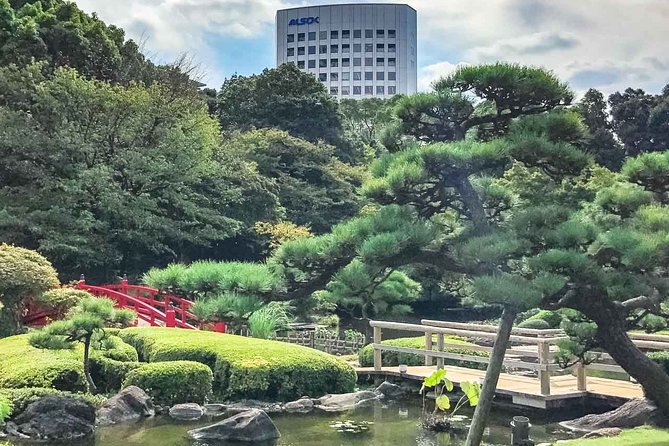
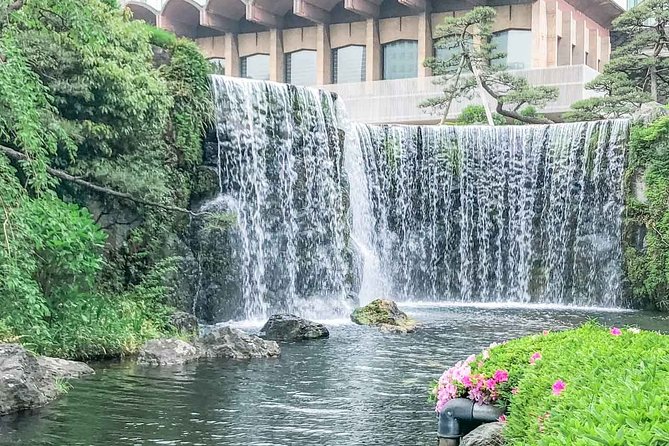
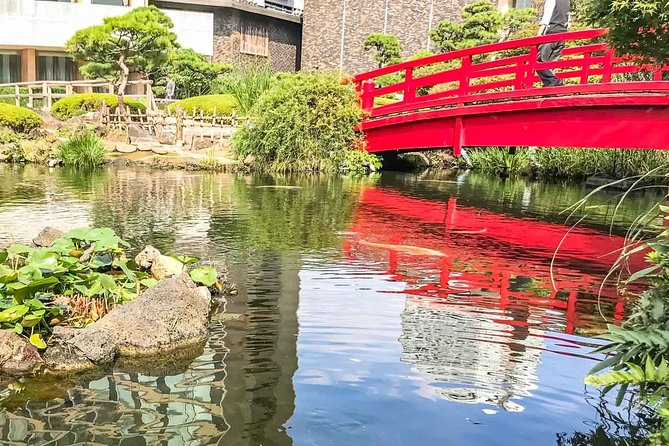
The first stop is the Hotel New Otani Japanese Garden, a large garden with about 400 years of history. You have around 40 minutes here, which is enough for a pleasant walk and an introduction to traditional Japanese garden design.
Expect seasonal plants, waterfalls, and water views. In spring, cherry blossoms may add color. Summer brings fuller greenery, while autumn and other seasonal periods can bring changing foliage and illumination. The garden’s appeal is not only its age. It offers a quiet opening to the tour, especially after arriving through Tokyo’s busy streets.
Your guide can point out details that are easy to miss when you walk alone. This is also the part of the route where you may have time to ask about Japanese gardens, seasonal customs, or the history of the area.
One practical point matters here: the garden is connected with the Hotel New Otani, so this is not a remote countryside garden experience. You are still in the city, and that is part of the charm. The setting shows how a carefully maintained garden can sit beside modern Tokyo.
The tour information also refers to an Inari Shrine and the idea of driving away bad spirits. The exact order of stops can vary, and the listed main route focuses on the four stops described here. If the shrine is especially important to you, ask your guide at the start how it fits into the day’s route.
Akasaka Palace and the ¥2,000 decision
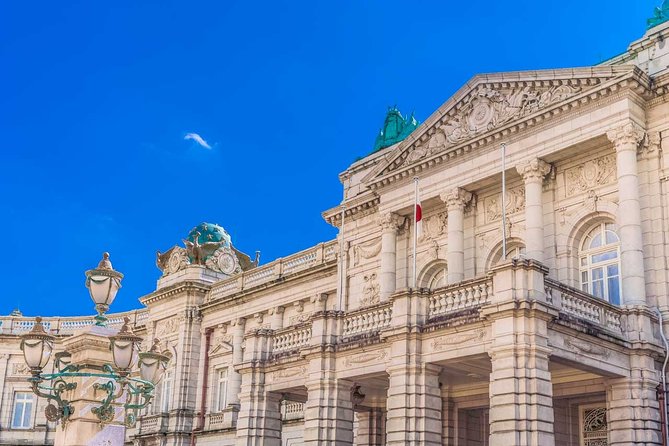
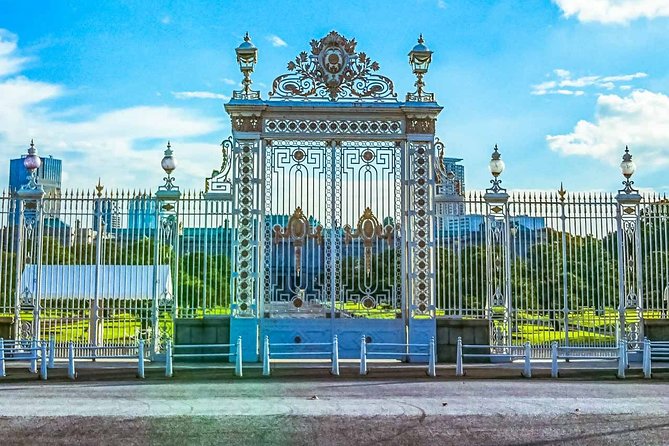
Akasaka Palace, also called the State Guesthouse, receives kings, presidents, and other official visitors. Its appearance is unusually grand for Tokyo, with a castle-like exterior that reflects a European architectural style rather than the traditional Japanese buildings you may expect.
You have about 50 minutes at this stop. That is the longest scheduled visit, and it makes sense. The palace is the central architectural attraction of the tour, with a formal setting and a clear connection to Japan’s modern state.
The admission fee is not included. Plan on ¥2,000 per person for entry. The tour price of $82.42 covers your private guide and the guide’s necessary expenses, but the extra palace fee is an important part of the real cost.
I think the palace admission is reasonable if you care about architecture, government, or modern Japanese history. It also gives the tour a strong contrast with the garden. You move from a landscape shaped by older Japanese traditions to a building meant to present Japan on an international stage.
Do not expect this to feel like an informal neighborhood stop. Akasaka Palace is a formal facility, and access or available areas can depend on official use and temporary closures. The route may be changed if a site is closed. Your guide can explain what is open that day and may substitute another stop if needed.
Meiji Memorial Picture Gallery and the move into modern Japan
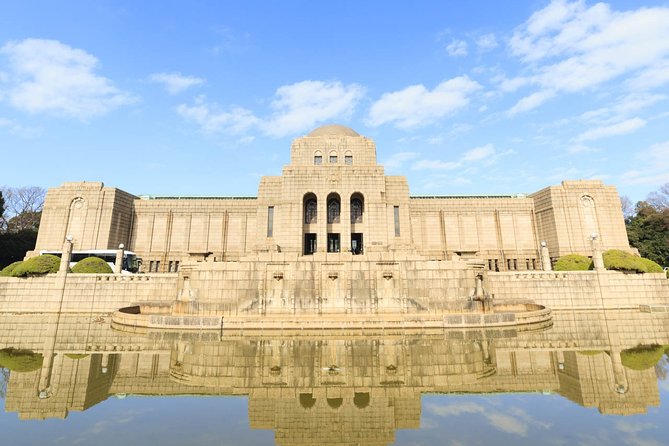
The Meiji Memorial Picture Gallery is housed in a distinctive domed building and focuses on the Meiji era. You have around 40 minutes here, with paintings and murals inside.
This stop gives the tour a useful time shift. The garden helps explain older Japanese traditions, while the palace shows formal international-facing architecture. The gallery adds the political and cultural changes of the Meiji period, when Japan was rapidly reshaping its institutions and public image.
I would pay close attention to the building itself as well as the art. The dome and the view from the entrance toward the outer garden and Aoyama Street help place the museum within the wider setting. It is not simply another indoor stop added to fill time.
The museum will suit you best if you enjoy visual history and want more than scenic photographs. If you prefer gardens and outdoor walking, 40 minutes inside may feel less exciting than the palace or New Otani garden. A good guide can make the difference by explaining the paintings, murals, and period background in plain language.
Same city, a completely different century:
- Tokyo: Shibuya Highlights Walking Tour & Secret View Spot
★ 5.0 · 287 reviews - Tokyo Architecture and Contemporary Art Walking Tour with a local guide
★ 5.0 · 15 reviews - Private Edo-Tokyo Open Air Architectural Museum Tour
★ 4.8 · 15 reviews - Private Ueno Park Architecture Walking Tour
★ 5.0 · 8 reviews
Finishing beneath the ginkgo trees at Jingu Gaien
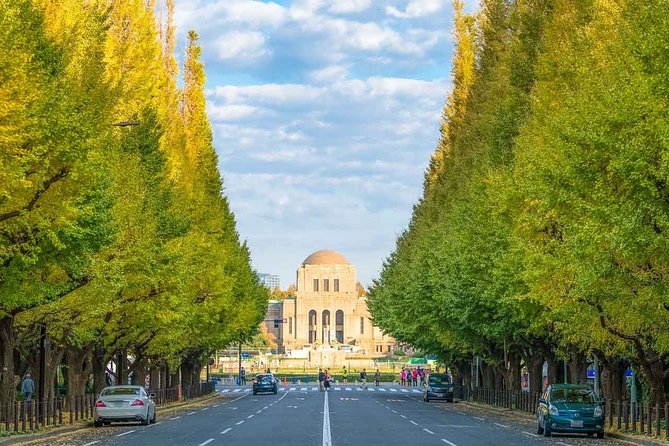
The final stop is the Jingu Gaien ginkgo tree-lined street. The scheduled visit is about 20 minutes, so this is a short scenic finish rather than a long park visit.
The row of ginkgo trees creates one of Tokyo’s most recognizable seasonal views. The avenue changes through the year, with different colors and moods under the arching trees. It is a good place to end because the route returns you to the open city after the enclosed garden, palace grounds, and museum.
The finish is at Gaiemmae Station, not back at Akasaka-Mitsuke Station. That makes the tour useful if you plan to continue toward Aoyama or other parts of central Tokyo. It also means you should not arrange your next activity as if you will be returning to the starting point.
If you want to finish somewhere else, tell your guide. The meeting information notes that the ending point can potentially be changed, though you should settle that early rather than waiting until the last few minutes.
What the private format adds
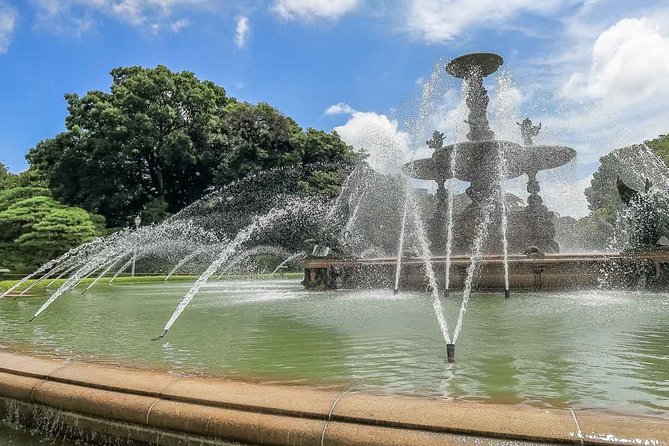
This is a private tour, so only your group participates. That changes the feel of the outing. You can ask why a palace was built in a European style, what a garden feature represents, or how the Edo period connects to later Tokyo without waiting for a large group to move on.
The private format is especially useful for families, couples, and small groups with different interests. One person can ask about architecture while another asks about shrines, gardens, or Japanese customs.
It also gives the guide room to respond to your pace. The listed schedule totals about three hours and 10 minutes, though the full experience is described as approximately three to four hours. The duration can depend on walking speed, questions, site conditions, and any route changes.
Guides associated with this experience include Mutsuko Takano, Sayaka, Ume, and Ayako. Mutsuko Takano is noted for speaking strong English and for making the walk accessible to people who want a relaxed introduction to local gardens and shrines. Sayaka is described as enthusiastic and ready to answer questions. Ume has taken visitors through gardens and less obvious streets in Tokyo.
Ayako’s early guiding work also shows why the private format can be helpful. She was described as calm and flexible, even while new to the job. That suggests you should value a guide who listens and adapts, but you should also keep expectations realistic: guide experience and style can vary by assignment.
One especially useful touch is help with a reservation at an authentic tea shop. That assistance has been provided during the experience, but tea or a meal is not included, and this tour does not have a designated dining stop. Treat it as possible guide support, not part of the paid package.
Walking, cash, weather, and other practical details
Wear comfortable clothing and shoes. You will cover several outdoor areas, and the tour is described as involving a lot of walking. The route is near public transportation, but it is not a ride-based sightseeing tour.
Transportation is listed at ¥0 in the estimated extra costs, while admission is estimated at ¥2,000 per person. Still, the practical information says that transportation, food, drinks, entrance fees, and other costs incurred at visited places are paid by you. Bring cash because some stops may not accept credit cards.
Bad weather can change the transportation method, destinations, or route. Temporary closures can also lead to substitute sites. This is normal for an outdoor urban tour, but it is worth keeping your schedule flexible afterward.
Confirmation is provided when you book. Most people can participate, but the long walking time remains the main physical consideration. If you need a different finish from Gaiemmae Station, discuss it with the guide.
The tour offers free cancellation up to 24 hours before the local start time. Cancellations or changes made inside that period are not accepted for a refund.
Is $82.42 good value?
At $82.42 per person, the tour costs more than simply visiting one garden or museum on your own. You are paying mainly for the private guide, the connected route, and the explanations that link Edo, Meiji, and modern Tokyo.
For a private experience, the price is fair if you are traveling with several people and want personal attention. Group discounts may improve the value further. The separate ¥2,000 palace fee raises the final price, but it is clearly stated and tied to the most impressive formal site on the route.
I would not book this solely for transportation or convenience. The route is close to public transit, and independent visitors can reach these areas. I would book it for interpretation, flexibility, and the chance to ask questions as you go.
The tour is also a good choice early in a Tokyo visit. It gives you cultural background that can help you understand other gardens, shrines, palaces, and historic districts later in your trip.
Who should book this Akasaka walk?
Book it if you want a calm, history-focused half-day away from Tokyo’s busiest commercial areas. It suits first-time visitors, couples, families, and anyone interested in Japanese gardens, government architecture, the Meiji era, or the transition from the Tokugawa period to modern Japan.
It is particularly useful if you prefer a guide who can explain what you are seeing rather than a simple photo stop. The private format also works well if you have detailed questions or want some help with a tea-shop reservation.
Skip it if your priority is shopping, nightlife, food, or a full-day tour with many major Tokyo landmarks. You should also think twice if you dislike walking or want every cost included in the initial price.
My call: book this tour if Akasaka’s gardens and architecture appeal to you, and keep the afternoon flexible. Bring cash, wear good shoes, budget for the palace entrance, and ask at the beginning about the exact route and finishing point. That preparation lets you enjoy the quiet garden, the formal palace, the Meiji gallery, and the ginkgo avenue without surprises.
FAQ
How long does the Akasaka exploration tour last?
The tour lasts approximately three to four hours. The scheduled visits include about 40 minutes at the Hotel New Otani Japanese Garden, 50 minutes at Akasaka Palace, 40 minutes at the Meiji Memorial Picture Gallery, and 20 minutes at the ginkgo-lined street.
What is included in the tour price?
The price includes a tour guide, a private tour for your group, and the necessary expenses of the guide during the tour.
Is the Akasaka Palace entrance fee included?
No. Akasaka Palace admission costs ¥2,000 per person and is paid separately.
Where does the tour start and end?
The tour starts at Akasaka-Mitsuke Station and ends at Gaiemmae Station. The finishing point is different from the starting point.
Do I need to bring cash?
Yes. Some places on the route may not accept credit cards, so carrying cash is recommended.
Can I cancel the tour for a full refund?
You can cancel for a full refund up to 24 hours before the experience start time. Cancellations or changes made less than 24 hours before the start are not accepted for a refund.
Just added around Japan
- Small-Group Architecture Tour in Ginza, Tokyo★ 5.0 · 6 reviews
- Tokyo Architecture and Contemporary Art Walking Tour with a local guide★ 5.0 · 15 reviews
- Private Ueno Park Architecture Walking Tour★ 5.0 · 8 reviews
- [Aomori Prefecture] Tour the history and architecture in Towada City, the art city★ 5.0 · 6 reviews
- Private Ueno Park Architecture Tour★ 5.0 · 5 reviews
- Private Ginza Architecture Tour★ 5.0 · 3 reviews
- Kyoto: Nijo Castle & Gardens 2-Hour Guided Tour★ 4.5 · 2 reviews
- Private Edo-Tokyo Open Air Architectural Museum Tour★ 4.8 · 15 reviews
Tokyo Architecture Tours, compared.
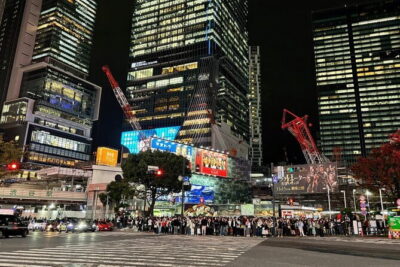
Tokyo: Shibuya Highlights Walking Tour & Secret View Spot
Read our review →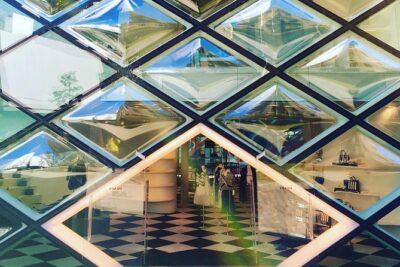
Private Harajuku Omotesando Architecture Walking Tour
Read our review →
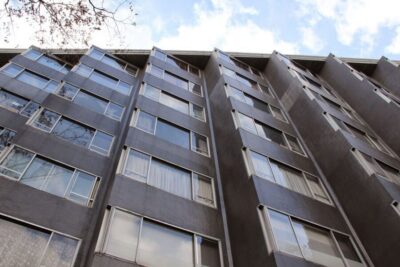
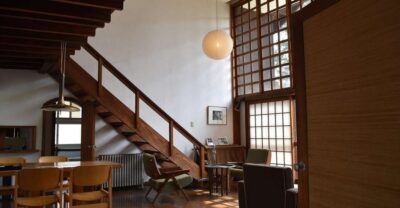
Private Edo-Tokyo Open Air Architectural Museum Tour
Read our review →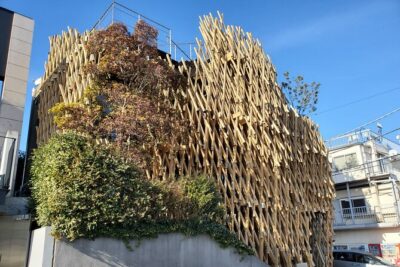
Tokyo Architecture and Contemporary Art Walking Tour with a local guide
Read our review →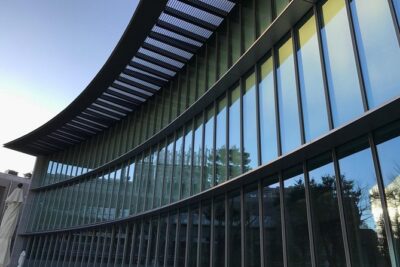
Browse the lists this tour appears in