
Review · AUSTRIA
From Vienna: Melk Abbey to Salzburg – Baroque Gems
Melk Abbey’s golden Baroque rooms and Salzburg’s music-filled Old Town make this a remarkable amount of Austria in one day. You also get the quieter rewards: Dürnstein’s Danube views and the mountain-framed shore of Lake Traunsee.
I like the small group of no more than seven, plus the chance to travel with guides such as Michael, Richard, or Tomas. I also like the route’s variety: wine country, a grand abbey, a church in Germany, Mozart sites, and a lakeside town. The drawback is clear: 14 hours is a long day, and Salzburg receives only about 90 minutes before lunch and the next drive.
Key points to know before booking
- Dürnstein combines vineyards, Danube views, and a local wine tasting in a compact 45-minute stop.
- Melk Abbey includes admission, with time for its Baroque church, Marble Hall, library, and views over the Wachau Valley.
- Salzburg is the cultural centerpiece, but the 1.5-hour visit requires a brisk plan.
- Anger church offers an unusual cross-border stop in Germany, with rib, net, and star vaults.
- Traunkirchen and Lake Traunsee provide the quietest scenery, with a boat trip offered outside the November to April period.
- The $140 price covers transport, the guide, water, and Melk Abbey admission, but meals and some additional entrance fees cost extra.
Why this long route works
This is not a leisurely single-destination excursion. It is a full sweep through central Europe, linking the Wachau Valley, Upper Austria, Salzburg, and the northern Alps in one very long day.
I would choose it when I want to see several major sights without arranging trains, local buses, tickets, and border crossings myself. The air-conditioned van carries a maximum of seven people, which is a major advantage over a large coach. You get easier communication with the guide, quicker departures, and a better chance to ask questions.
The tradeoff is time. The route includes long stretches in the van, including about two hours between Melk and Anger, another two hours after Salzburg, and nearly three hours on the final return drive. You should think of this as a highlights tour, not a slow exploration of each town.
The day begins with pickup in Vienna or Bratislava and ends in either city. Bring your passport or ID card because the route crosses into Germany near Salzburg. Bottled water and luggage assistance at pickup are included, but meals, personal spending, and possible extra admissions are not.
More Baroque architecture tours in Austria:
- Concert at the Palais Schönborn-Batthyány by the Vienna Baroque Orchestra
★ 4.5 · 168 reviews - Vienna: Concert by the Vienna Baroque Orchestra
★ 4.6 · 56 reviews - Vienna: Baroque Orchestra Concert and Dinner
★ 4.6 · 18 reviews
Dürnstein, where vineyards meet the Danube
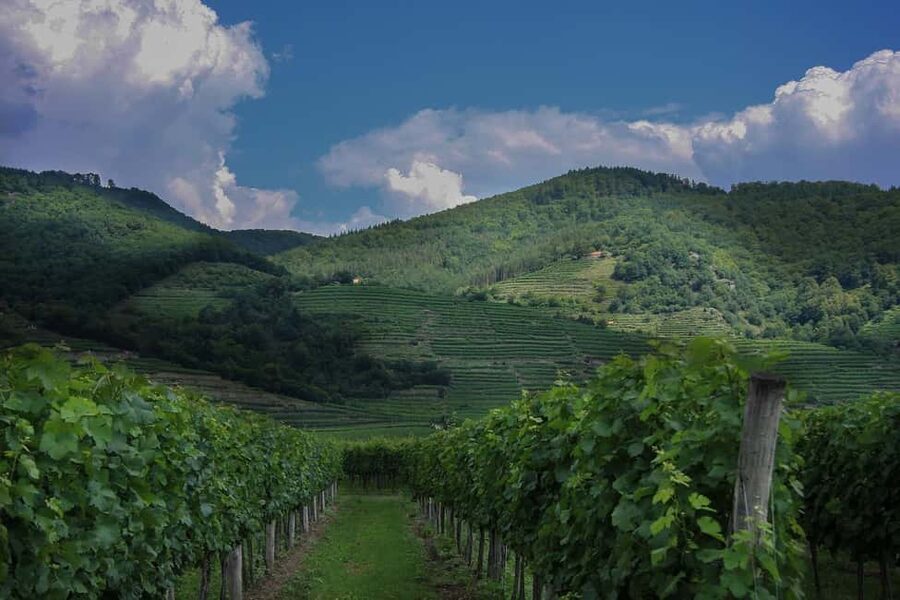
The first sightseeing stop is Dürnstein, a small Wachau town known for its medieval castle ruins above the Danube and streets lined with colorful Baroque buildings. In 45 minutes, you can walk through the historic center, take photos, and hear about the area’s connection to wine and river trade.
The castle ruins are perched above town, so you may see them from below rather than make a full climb. The stop is short, making comfortable shoes useful even if you do not attempt every uphill path.
A local wine tasting is offered, though it is listed as optional. This is a good place to try a Wachau wine because the vineyards are part of the setting around you, not just a tasting-room backdrop. If you do not drink wine, the town walk and Danube views still give the stop value.
I would keep your expectations realistic. Dürnstein is a quick introduction rather than a full village visit. You will not have time to linger in several wine taverns, climb extensively, and browse every side street. Still, the compact center makes 45 minutes worthwhile, especially early in the day.
Melk Abbey and its Baroque showpieces
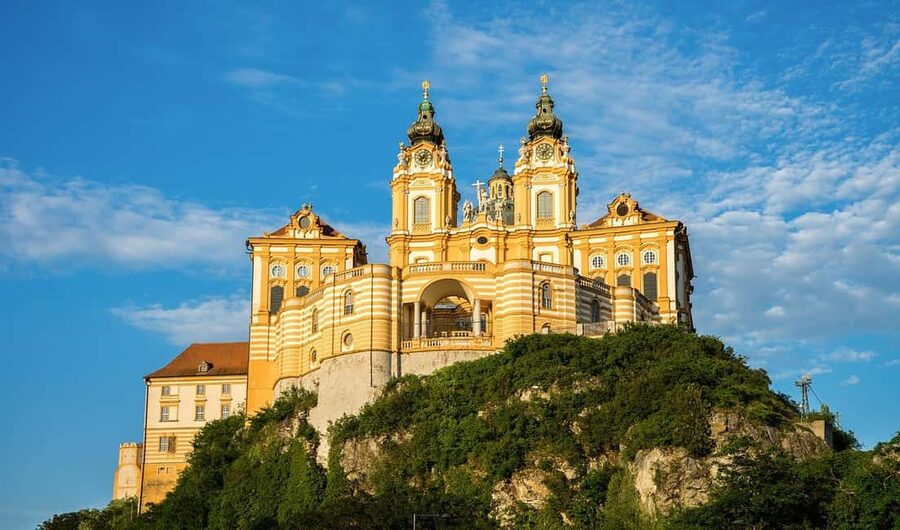
Melk Abbey is the visual centerpiece of the Wachau portion. The complex rises above the Danube and is known for its bright Baroque design, painted ceilings, grand Marble Hall, and historic library filled with medieval manuscripts.
Admission to the abbey is included, which matters because this is the stop where an entrance ticket adds real value to the tour. You are not simply stopping for an exterior photo. The visit takes you inside the church and ceremonial rooms, with time to appreciate the decoration and the abbey’s position above the river.
The listed visit lasts about 40 minutes. That is enough for a guided introduction and the main interiors, but it is not a long museum visit. I would focus on the Abbey Church, the Marble Hall ceiling, the library, and the panoramic terrace rather than trying to inspect every display.
The terrace is especially useful for understanding the region. From above, you can see the Danube bends and vine-covered hills that make the Wachau distinct. Have your camera ready, but do not spend the whole stop outside. The interiors are the reason to visit Melk.
A quiet cross-border stop at Anger
After Melk, the van continues toward Anger in Germany, near Salzburg. This stop is less famous than Dürnstein, Melk, or Salzburg, which is precisely why it adds variety to the day.
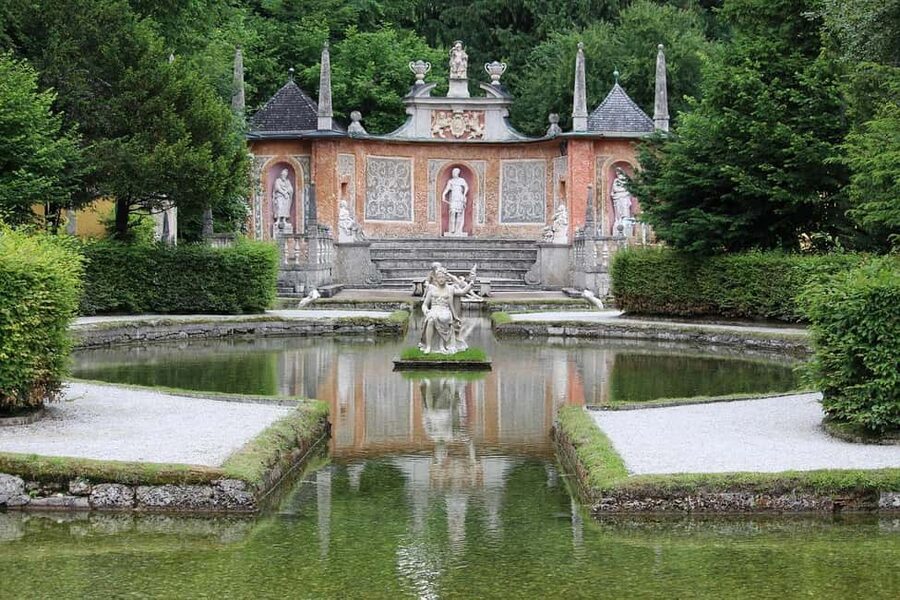
The church at Anger was built in 1447 from regular blocks of Nagelfluh stone. Its design combines hall and aisle forms, with rib, net, and star vaults. An onion-domed tower gives the village a recognizable outline and offers striking views across the surrounding countryside.
The visit lasts about 40 minutes and includes a guided explanation and time for photographs. I would treat this as an architectural pause rather than a major destination. It gives you a chance to see a local church with a different character from the grand Baroque interiors at Melk.
This stop also breaks up the long drive into Salzburg. If you prefer a tour made only of famous headline sights, you may find Anger less essential. If you enjoy smaller places and details that independent visitors often skip, it can be one of the day’s more memorable surprises.
Same city, a completely different century:
- Vienna: Tickets for Kunst Haus Wien: Museum Hundertwasser
★ 4.6 · 651 reviews - Vienna: Spanish Riding School Guided Architectural Tour
★ 4.8 · 333 reviews - Entrance tickets for the KunstHausWien. Museum Hundertwasser
★ 4.5 · 90 reviews - Vienna Art Nouveau Walking Tour
★ 4.4 · 33 reviews
Salzburg in 90 minutes
Salzburg receives about an hour and a half of sightseeing time, followed by one hour of free time at a local restaurant. That is enough for a strong first look, but not enough for a complete city visit.
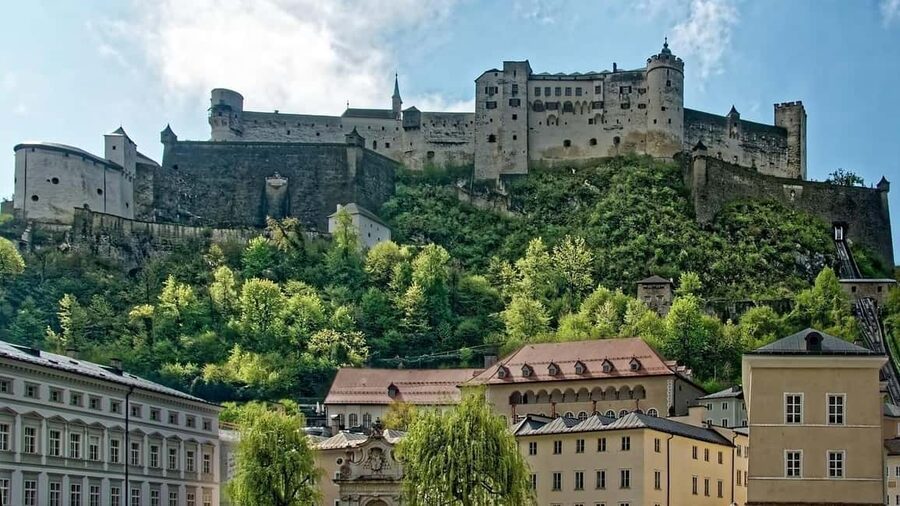
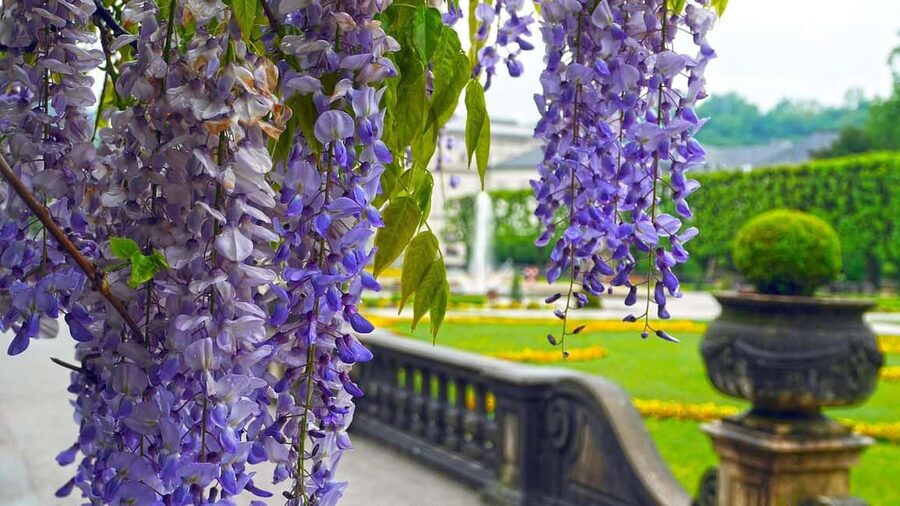
Begin around Mirabell Gardens, where formal paths and carefully arranged plantings frame views toward Salzburg’s Old Town and fortress. The gardens are an efficient introduction because you can take in several major sights at once: the garden design, the city skyline, and the hilltop Hohensalzburg Fortress.
From there, the route includes Residenzplatz and Mozartplatz. These central squares give you a sense of Salzburg’s grand civic core. Salzburg Cathedral is also part of the sightseeing plan, so you can see one of the city’s major sacred buildings even with the tight schedule.
Getreidegasse is the place to visit Mozart’s Birthplace. The famous shopping street is narrow and atmospheric, with signs and traditional building fronts above the shops. The birthplace itself may require an additional entrance fee, since only some attractions are included in the tour price. Ask your guide how much time is available before buying a ticket.
The tour also points you toward Hohensalzburg Fortress, the large stronghold above the Old Town. You can ride or hike up, but the short Salzburg schedule means you need to choose. A fortress visit gives you broad views over Salzburg and the surrounding Alps, while staying in the Old Town gives you more time for Mozartplatz, the cathedral, and Getreidegasse.
I would not try to do everything inside Salzburg. Choose one priority before arrival: the fortress, Mozart’s Birthplace, or a focused walk through the squares and gardens. The guide can help you make the choice, but the clock will make it for you if you wait too long.
Salzburg also carries a strong connection to music and to The Sound of Music, with locations associated with the film included among the tour’s themes. This makes the stop appealing to music lovers and film fans, though the visit is still centered on the city’s main sights rather than a dedicated film tour.
Lunch and the practical cost of the day
A one-hour break at a local restaurant follows the Salzburg sightseeing. Meals are not included, so budget separately for lunch and any drinks. The break gives you a chance to sit down after the walking portions, but you should not expect a long relaxed meal if service is slow.
At $140 per person, the tour offers solid value if you want transportation across several regions and do not want to coordinate the route yourself. The price includes the air-conditioned vehicle, an English-speaking live guide, bottled water, the Wachau views, Salzburg visits, and admission to Melk Abbey.
The value is less obvious if your main goal is Salzburg alone. Public transport or a dedicated Salzburg excursion may give you more time in the city. This tour earns its price by adding Dürnstein, Melk, Anger, and Traunkirchen, not by offering a deep Salzburg visit.
The small group changes the calculation. With seven or fewer people, the guide can adjust explanations and help with timing more easily than on a large bus. Names associated with the guiding team include Michael, Richard, and Tomas. The people guiding this route matter because the day includes several historical stops and a complicated schedule.
Traunkirchen and Lake Traunsee
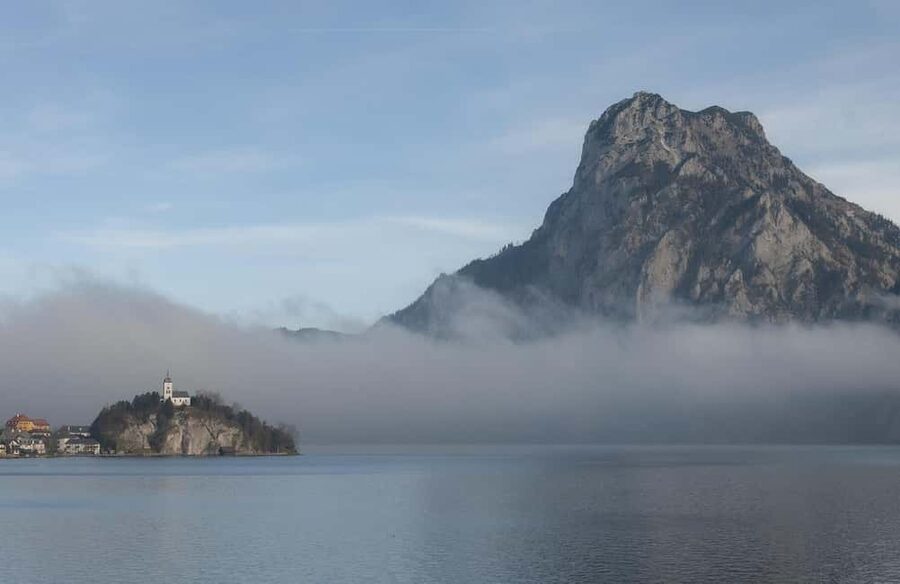
The final major stop is Traunsee, one of Austria’s largest and deepest lakes, with the lakeside town of Traunkirchen on its shore. The lake is deeper than Hallstätter See, giving it a different character even though both places are known for clear water and mountain views.
You will have about 90 minutes for a mix of guided sightseeing, free time, shopping, and possibly a boat cruise. Traunkirchen’s winding streets, cafes, historic churches, and waterfront make this a gentler stop after the busy Salzburg section.
I like the way this ending changes the pace. You can stroll along the shore, look toward the surrounding peaks, and take photographs without the same pressure to check off famous buildings. It is a useful final contrast to the formal rooms at Melk and the crowded central sights of Salzburg.
The boat trip is not available from November through April. Bad weather can also cancel it. This is important when setting expectations: the lake stop still works without a cruise, but the water experience will be different. On a rainy day, the guide may adjust the plan. One reported alternative was a visit to the Red Bull museum, which provided an indoor stop when the boat was canceled.
Traunkirchen is not a substitute for a full Hallstatt visit, and the tour does not promise one. It is a separate lakeside experience with its own appeal. If you want a quieter final hour and mountain scenery, it fits the route well.
Transport, walking, and seasonal details
The total duration is about 14 hours, so start with a good breakfast and wear shoes you can walk in comfortably. You will move through historic streets, abbey grounds, city squares, and possibly uphill areas around the fortress or Dürnstein.
Pickup is available from an agreed hotel lobby or central meeting point in Vienna or Bratislava. You receive meeting instructions and a way to contact the team if plans change. A driver or guide will identify the group, and help with luggage is provided at pickup.
The tour is conducted in English. It is not suitable for wheelchair users, children under five, or people over 95. You should bring personal medication, travel insurance details, and a passport or ID card.
Free cancellation is available up to 24 hours before departure, and you can reserve now and pay later. That flexibility helps with a route so dependent on weather, especially because the Traunsee boat may be canceled.
Who should book this day trip?
I would recommend this tour to you if you have one spare day and want to connect several Austrian highlights without renting a car. It suits first-time visitors who want a broad introduction to the Wachau Valley, Melk, Salzburg, and the lake country.
It is also a good match for people who enjoy changing scenery and guided context. The route brings vineyards, Danube towns, Baroque architecture, medieval church design, Mozart, fortress views, and alpine water into one day.
I would hesitate if you dislike long drives, need a slow pace, or want several hours inside Salzburg museums. The schedule is demanding, and every major stop has a time limit. The tour works best when you accept that you are collecting strong first impressions rather than completing each destination.
Should you book it?
Book this tour if the appeal is the whole route: Dürnstein, Melk Abbey, Salzburg, and Traunkirchen together. At $140, the included vehicle, guide, water, and Melk admission make sense for a small group covering so much ground.
Skip it if Salzburg is your only priority, or if you want a relaxed day with long meals and unhurried museum visits. For an energetic traveler with comfortable shoes, a flexible attitude, and a real interest in scenery and architecture, this is a generous one-day introduction to central Austria.
FAQ
Where can I start the tour?
You can be picked up in Vienna or Bratislava, either at an agreed hotel lobby or at a designated central meeting point.
Where does the tour finish?
Drop-off is available in Vienna or Bratislava.
How long does the tour last?
The tour lasts approximately 14 hours.
Is the tour conducted in English?
Yes. The live tour guide service is offered in English.
How large is the group?
The tour is limited to seven participants.
Is Melk Abbey admission included?
Yes. Admission to Melk Abbey is included in the tour price.
Are meals included?
No. Meals and personal expenses are not included. A one-hour restaurant break is provided in Salzburg.
Is the wine tasting included?
Wine tasting is listed as optional. The tour includes the opportunity to taste local Wachau wine, but it is not required.
Is the boat cruise on Lake Traunsee guaranteed?
No. The boat trip is unavailable from November through April and may be canceled in bad weather.
What should I bring?
Bring a passport or ID card, travel insurance, personal medication, comfortable walking shoes, and a camera.
Just added around Austria
- Vienna: Baroque Orchestra Concert and Dinner★ 4.6 · 18 reviews
- Vienna’s Hills Private tour: Nature & Hidden Architectural Jewels★ 5.0 · 12 reviews
- Private Tour with an Art Historian of the Leopold Museum: Gustav Klimt, Egon Schiele and Viennese Art Nouveau★ 5.0 · 16 reviews
- Vienna Art Nouveau Walking Tour★ 5.0 · 21 reviews
- Private Klimt & Vienna Art Walk — From Baroque to Secession★ 4.5 · 16 reviews
- Private Vienna Art Nouveau Walking Tour★ 5.0 · 4 reviews
- An Architectural insight of Vienna on a Private Tour with a local★ 3.5 · 2 reviews
- Mirabell: A Baroque Odyssey Walking Tour in Salzburg★ 5.0 · 2 reviews
Baroque Architecture Tours, compared.
Lecce: Baroque Architecture and Underground Walking Tour
Read our review →
Train Exp. through the Alps (Royal Baroque Route from Nice)
Read our review →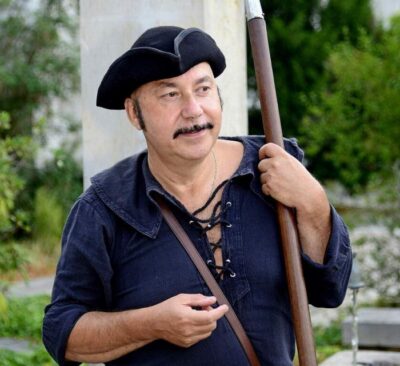
Dresden: Tour of the Baroque Quarter with a Night Watchman
Read our review →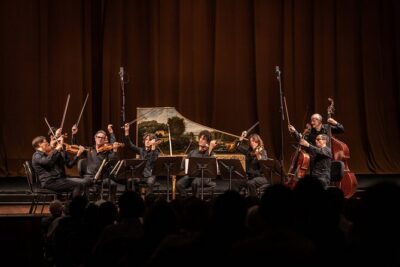
Interpreti Veneziani Ensemble Baroque Concert in Venice Ticket
Read our review →
Borghese Gallery Max 6 People Tour: Baroque & Renaissance in Rome
Read our review →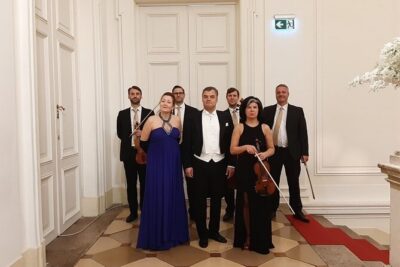
Concert at the Palais Schönborn-Batthyány by the Vienna Baroque Orchestra
Read our review →
Guided Walking Tour of Rome: Top Sights & Baroque Treasures
Read our review →
Noto, Modica and Ragusa: The Baroque Tour from Catania
Read our review →Browse the lists this tour appears in