
Review · CHICAGO
Chicago History and Architecture Walking Tour
Chicago’s best stories often unfold on the pavement, where a guide can point from a polished skyscraper to the older building beside it and explain why both belong in the same city. This 2.5-hour walk links Millennium Park, the Riverwalk, and the Magnificent Mile, with history and architecture tied together rather than presented as a list of buildings.
I like the small group, limited to 10 people, and the chance to hear a guide such as Andrew or Andy add personal knowledge of Chicago to the tour. I also like the route’s variety, from Cloud Gate and park art to the Chicago Fire, river views, and famous Michigan Avenue towers. The main consideration is that this may feel more like a history walk with architecture than a technical architecture tour. Food and drinks are not included, and one reported missed departure makes it wise to keep an eye on booking messages, especially for a same-day reservation.
Key points to know before you book

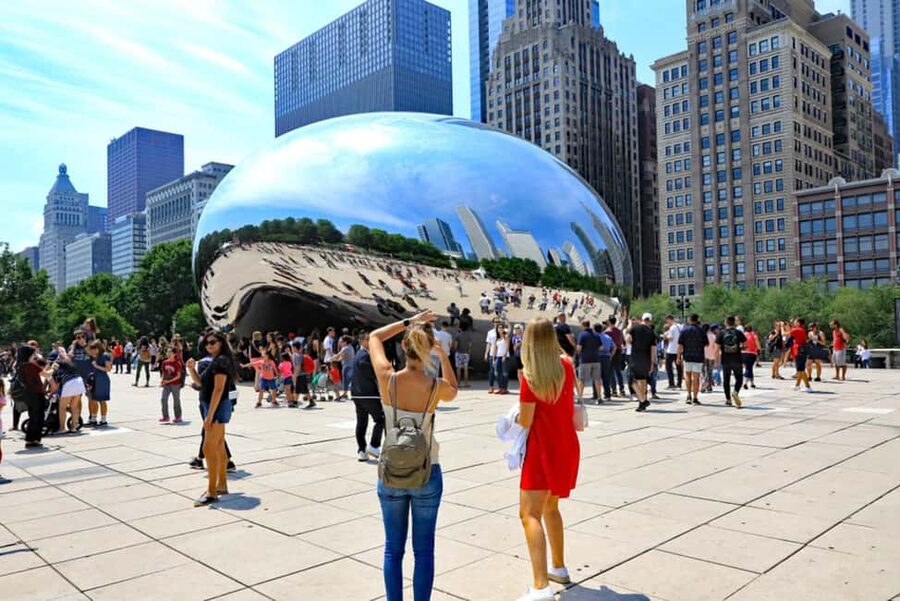
- Cloud Gate begins the visual feast: Millennium Park gives you the classic Bean photo and an easy introduction to modern Chicago.
- The Chicago Riverwalk adds the best city views: Look up from the river level for a close view of Chicago’s famous skyscrapers.
- The walk covers major names: You’ll see the Wrigley Building, Tribune Tower, John Hancock, and DuSable Bridge.
- History gets personal: Guides Andrew and Andy have been praised for linking city events with family stories and local recommendations.
- Food is optional and extra: The route includes chances to try Chicago specialties and visit Starbucks Reserve Roastery, but you pay separately.
- Small groups make questions easier: With no more than 10 participants, you should have a better chance to hear and speak with the guide.
Why this Chicago walk works so well
Chicago is easy to admire and surprisingly hard to understand. You can look at a wall of steel and glass, but without context, it is just a wall of steel and glass. This tour helps connect the buildings to the city’s growth, disasters, neighborhoods, and stubborn pride.
The route brings together several parts of central Chicago that many people see separately. You move from public art and gardens to the river, then along Michigan Avenue and its grand commercial buildings. That range gives you a useful first look at the city before you decide which places deserve more of your time.
At $49 per person, the value rests mainly in the guide. You are not paying for entry to a museum or observation deck. You are paying for two and a half hours of explanation, direction, and local context. If you like learning as you walk, that is a fair price for a small group. If you mainly want photographs and prefer to set your own pace, you may get better value from exploring these public areas on your own.
The tour is conducted in English and usually runs in the morning or afternoon. That makes it easy to fit around a museum visit, a meal, or an evening show. Leave room in your schedule, though. A walking tour feels best when you are not watching the clock.
More architecture walks in Chicago:
- Chicago in a Day: Food, History & Architecture Walking Tour
★ 5.0 · 1,153 reviews - Chicago’s Secret Interiors Architectural Walking Tour
★ 5.0 · 635 reviews - Chicago: Secret Interiors Architecture Walking Tour
★ 4.9 · 498 reviews
Starting at Millennium Park and Cloud Gate
You meet at McCormick Tribune Plaza, in front of Park Grill. Restrooms are available before the walk begins, which is a small but useful detail. Once the group gathers, Millennium Park provides a strong opening scene.
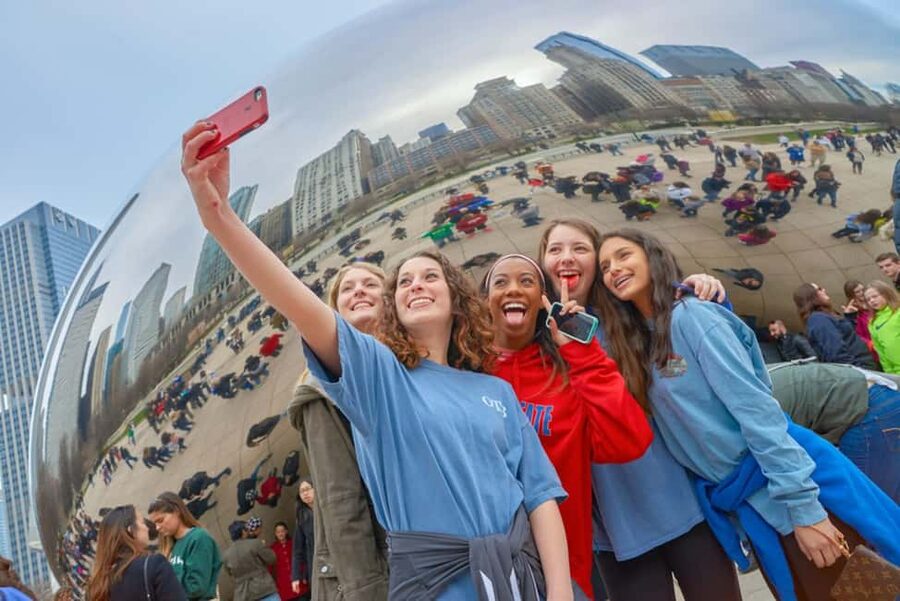
Cloud Gate, better known as The Bean, is the obvious photo stop. Its curved steel surface bends the skyline, the park, and your own group into one strange, shiny picture. Your guide can add meaning to the scene by explaining how public art fits into Chicago’s modern identity, rather than treating the sculpture as a quick photo and moving on.
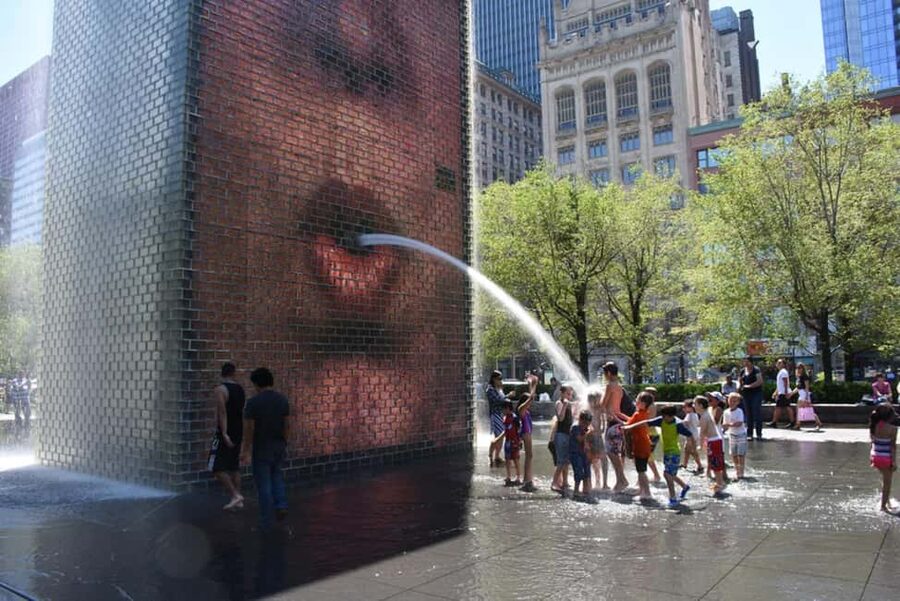
Millennium Park also gives the tour some breathing room at the start. You see gardens, open spaces, and other public art before entering the denser blocks downtown. That contrast matters. Chicago’s center is not only office towers and traffic. It also includes large public spaces designed for people to gather.
Cloud Gate can be crowded, especially during popular visiting hours. The tour does not promise a private photo opportunity, so expect to share the area with other park visitors. Still, having a guide nearby helps you keep the stop focused instead of spending too long waiting for the perfect reflection.
Finding the Chicago Pedway
The route includes an introduction to the Chicago Pedway, the network of indoor and underground passages beneath parts of the city. This is one of the more unusual parts of the walk because it shows how Chicago functions below street level.
The Pedway can feel less polished and less obvious than the city’s headline attractions. That is precisely why it is useful to have someone explain how it fits into downtown life. You get a look at the practical side of the city, where office workers and shoppers move through a different Chicago than the one shown on postcards.
Do not expect this portion to feel like a grand attraction with a formal entrance and exhibits. It is a brief part of the walking route, best understood as local orientation. Your guide may point out how the network connects parts of the center and why underground routes matter in a city with difficult winters.
Walking beside the Chicago River
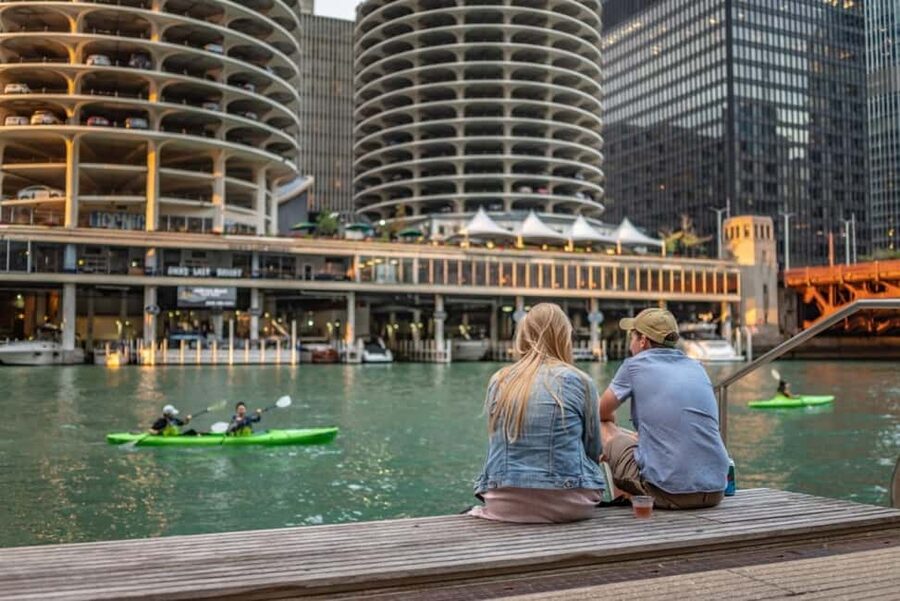
The Chicago Riverwalk is where the tour’s architecture focus becomes strongest. From the river level, the skyscrapers rise close overhead, and you can study their lower floors, setbacks, materials, and changing styles from a useful angle.
The river also helps explain Chicago’s shape. Instead of viewing the city as a collection of isolated towers, you see how streets, bridges, water, and buildings work together. The setting gives your guide a natural place to discuss the city’s growth and its relationship with the river.
The Riverwalk is scenic, but it is still a public walkway. Conditions can change with crowds and weather, and there is not always space to stop wherever you want. Stay close enough to hear the guide, particularly when the group is near a busy crossing or a narrow section.
This part of the experience should appeal to anyone who wants photographs with more depth than a straight-on building shot. The river creates reflections, lines, and layers. You are looking up at the architecture while also seeing how the city meets the water.
More history tours in Chicago:
- Historical and Architectural Chicago Fireboat River & Lake Cruise
★ 5.0 · 246 reviews - Chicago: Food, History and Architecture Tour
★ 4.8 · 104 reviews - Chicago Walking Tour: Historic Skyscrapers
★ 5.0 · 67 reviews - Chicago River Architecture Tour Aboard a Historic Yacht
★ 5.0 · 45 reviews
Crossing DuSable Bridge and remembering the Chicago Fire
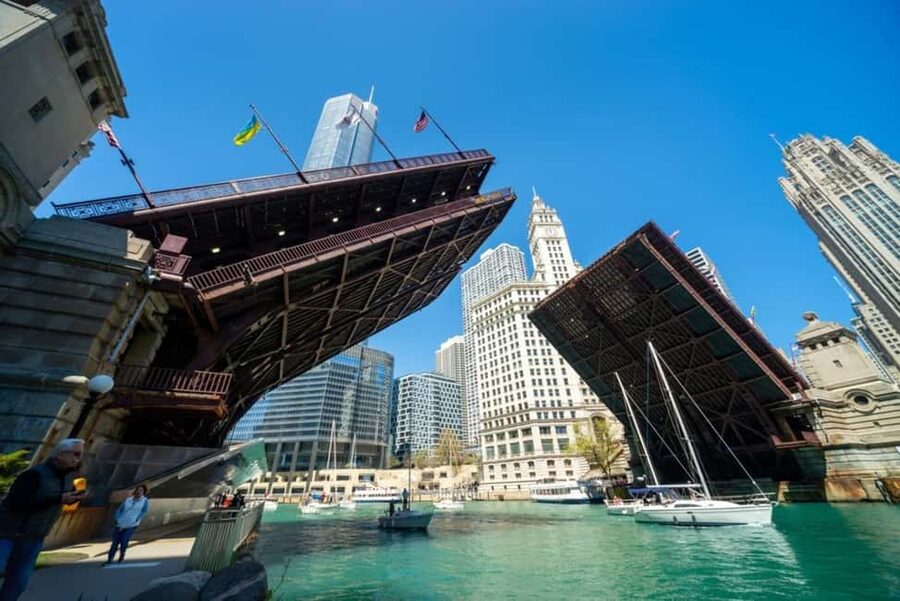
The historic DuSable Bridge brings the tour into one of Chicago’s most important story lines: destruction followed by rebuilding. The Chicago Fire is not treated as a detached school lesson. It becomes part of the explanation for why the city looks the way it does today.
That history gives the buildings more weight. Chicago’s famous architecture is not only the result of ambitious designers and wealthy developers. It also grew from pressure to rebuild, expand, and create a city that could support a rising population and economy.
The tour’s strongest history moments appear to come from guides who enjoy telling a story rather than reciting dates. Andrew has been praised for connecting Chicago’s past with his own family history, reaching back to ancestors in the 16th century. Andy has also been noted for adding personal touches and useful suggestions for restaurants and other activities.
That personal style can make the walk more memorable. It also means the experience may vary slightly depending on who leads it. You should expect a live, conversational tour rather than a fixed audio script.
The Wrigley Building and Tribune Tower
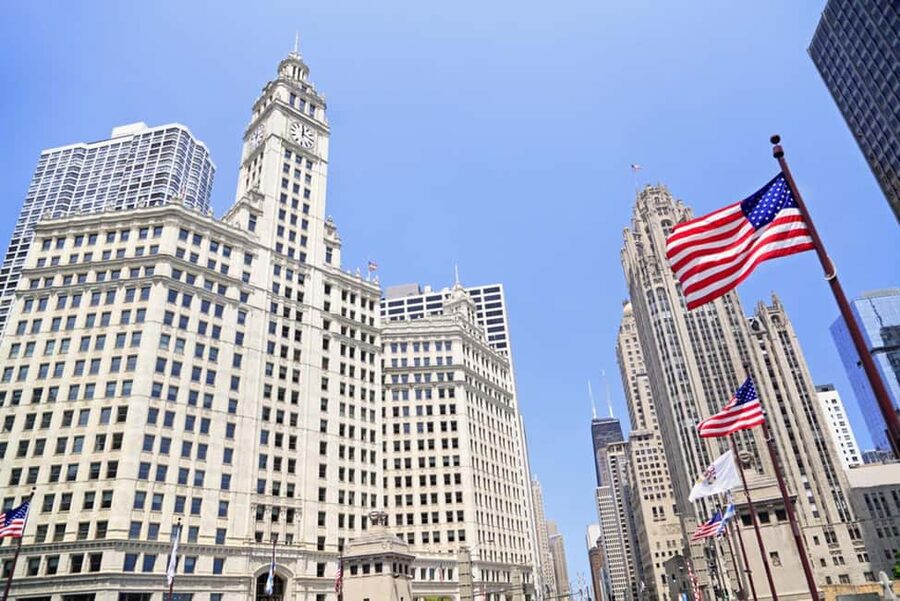
As the route reaches the Magnificent Mile, the architecture becomes more formal and more closely tied to Chicago’s commercial power. The Wrigley Building is one of the city’s most recognizable landmarks, with a bright exterior and a strong presence along the river and Michigan Avenue.
The building is especially useful on a walking tour because you can see it from several angles. Your guide can point out details that disappear when you simply pass in a taxi. This is the sort of stop where a few minutes of explanation can change what you notice for the rest of your stay.
Tribune Tower adds a different note. Its design and prominent location make it another key marker on Michigan Avenue, and seeing it beside newer buildings shows how the city keeps changing without erasing its older identity.
This is not a tour built around entering every building. Most of the value comes from exterior views, street-level details, and the connection between one landmark and the next. If you want interior access or a technical look at construction, you should pair this walk with a dedicated architecture cruise or building visit.
The Magnificent Mile and John Hancock
The Magnificent Mile is Chicago’s grand shopping corridor, but the tour treats it as more than a retail street. You get a chance to study the buildings, signs, setbacks, and long views that make the avenue feel so imposing.
John Hancock is another major landmark on the route. Its height and structural design give the skyline a different character from the older buildings near the river. From street level, you may not fully grasp the building’s scale, but the guide can help you place it within Chicago’s broader collection of towers.
This section has a practical benefit. After the tour, you will know where several major landmarks sit in relation to one another. That makes it easier to return for shopping, photographs, a meal, or a visit to another attraction.
The tradeoff is city noise. Michigan Avenue can be busy, and traffic may compete with the guide’s voice. A small group helps, but you should still stay close and ask the guide to repeat anything you miss.
Chicago food stops and Starbucks Reserve Roastery
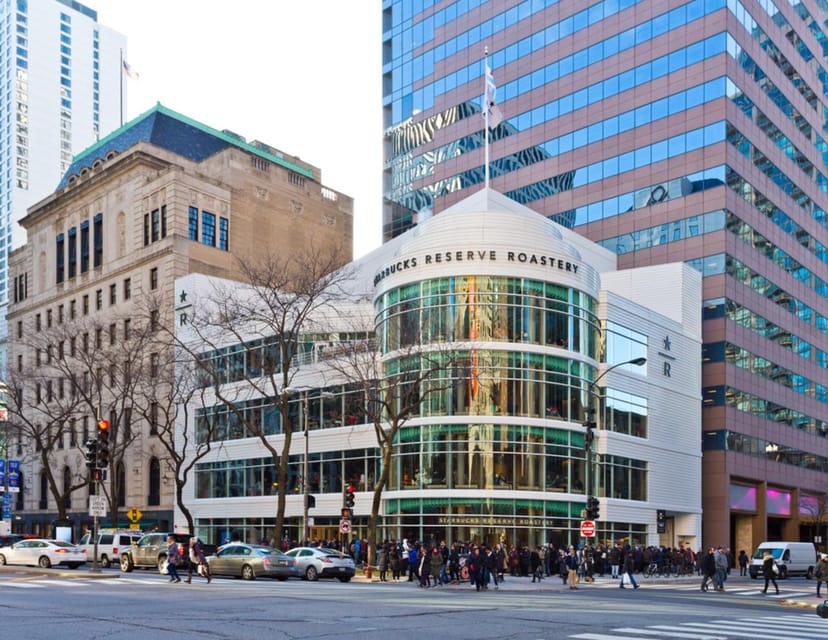
The route includes the chance to sample classic Chicago food and drinks, but these purchases are not part of the $49 price. That is worth stressing. Budget extra if you want to try a savory local specialty rather than simply admire the landmarks.
This arrangement has one advantage: you choose what you want. You are not forced into a set meal, and you can skip food if you already have dinner plans. On the other hand, anyone expecting an included tasting should adjust expectations before booking.
The Starbucks Reserve Roastery offers another local stop with a more polished feel. It is a place to pause for a drink and experience one of the city’s large-scale coffee spaces. Do not count on the visit as a full meal or included tasting. It is best treated as an optional flavor of the route.
If food matters to you, ask the guide for suggestions. Andy has been praised for offering restaurant and activity recommendations, which can help you plan the rest of your time in Chicago.
What the guide adds to the experience

The guide is the key variable here. The strongest feedback centers on Andrew and Andy, with repeated praise for clear explanations, enthusiasm for Chicago, and detailed knowledge of its history, geography, architecture, and culture.
That praise points to a tour that puts storytelling first. You may hear about the Chicago Fire, neighborhood traditions, family connections, and the way the city rebuilt itself. The experience should suit you if you enjoy asking questions and learning how individual sites connect.
One useful expectation check: this may not satisfy someone seeking a specialist lecture on architectural movements, engineering, or preservation. One assessment specifically found it more historical than architectural, while still calling it interesting. I would describe it as a city history walk with strong architecture stops.
There was also one serious service problem reported, involving a guide who did not appear for a same-day afternoon booking because the notification apparently did not reach him. The promised refund and follow-up were also delayed. This appears to be an exception among otherwise strong feedback, but it is worth keeping in mind when booking at the last minute. Save your confirmation details and check the meeting information carefully.
Is $49 a fair price?
For $49, you receive a 2.5-hour guided walk in a group capped at 10 people. That works out to a little over $19 per hour before considering the guide’s local insight and route planning.
I see the price as reasonable if you are new to Chicago and want a strong orientation. The route covers enough ground to give you a useful map of the center, while the guide supplies the stories that make the buildings easier to remember.
The value is weaker if you already know downtown well or plan to spend most of your time inside attractions. The tour does not include food, drinks, observation-deck admission, museum entry, or a river cruise. Those are separate expenses.
For architecture fans, I would consider pairing this walk with a Chicago River architecture cruise. The walking tour lets you see street-level details and hear the city’s history. A cruise gives you a different view of the towers from the water.
Who should book this tour?
I would recommend it to first-time Chicago visitors, history fans, casual architecture enthusiasts, and anyone who likes a guide with a personal voice. The small group is a good fit if you want to ask questions without standing in a crowd of 30 or 40 people.
It also works well early in a Chicago visit. Afterward, you can return to the Riverwalk, Millennium Park, or Magnificent Mile with a clearer sense of what you are seeing.
Families may enjoy the Bean and the public spaces, but the 2.5-hour length and history-heavy storytelling may not suit very young children. Anyone with limited walking stamina should also think carefully, since the experience covers several downtown areas on foot.
Should you book it?
Book this tour if you want a friendly introduction to Chicago that combines landmarks with stories about rebuilding, local life, and the people who shaped the city. The strongest reason to go is the guide, especially if Andrew or Andy is leading and you enjoy personal anecdotes mixed with solid city context.
Skip it if you want a purely technical architecture tour, included food, or entry inside major buildings. For most first-time visitors, though, $49 buys a useful two and a half hours and a better understanding of why central Chicago looks the way it does.
FAQ
How long does the Chicago History and Architecture Walking Tour last?
The tour lasts 2.5 hours.
How much does the tour cost?
The listed price is $49 per person.
Where does the tour meet?
Meet at McCormick Tribune Plaza in front of the Park Grill. Restrooms are available before the tour begins.
What language is the tour conducted in?
The live tour is conducted in English.
How large is the group?
The tour is limited to 10 participants.
What landmarks are included?
The route includes Millennium Park and Cloud Gate, the Chicago Riverwalk, the Magnificent Mile, Wrigley Building, Tribune Tower, John Hancock, and DuSable Bridge.
Are food and drinks included?
No. Food and drinks are not included in the tour price. You may have opportunities to try Chicago food and visit Starbucks Reserve Roastery, but you pay for those purchases separately.
Can I cancel for a full refund?
Yes. You can cancel up to 24 hours in advance for a full refund.
Can I reserve now and pay later?
Yes. The booking option allows you to reserve a place and pay nothing at the time of booking.
Just added around Chicago
- Private Chicago Architecture Tour★ 5.0 · 5 reviews
- Private Frank Lloyd Wright Architectural Tour by Luxury Vehicle★ 3.5 · 7 reviews
- Chicago Luxury Minibus City Tour and Architecture River Cruise★ 4.5 · 8 reviews
- Chicago History and Architecture Walking Tour with Boat Cruise★ 4.5 · 10 reviews
- Small Group History And Architecture Walking Tour of Chicago★ 4.5 · 8 reviews
- Private Chicago Architecture Walking Tour★ 5.0 · 6 reviews
- Chicago: Evolution of the Skyscraper Walking Tour★ 4.9 · 10 reviews
- Chicago’s Modern Skyscrapers Guided Walking Tour★ 5.0 · 6 reviews
Walking Tours, compared.
The Official Art Deco Walking Tour by The Miami Design Preservation League
Read our review →
Barcelona: Gothic Quarter Ghosts and Legends Walking Tour
Read our review →
Barcelona: Old Town and Gothic Quarter Walking Tour
Read our review →
Lecce: Baroque Architecture and Underground Walking Tour
Read our review →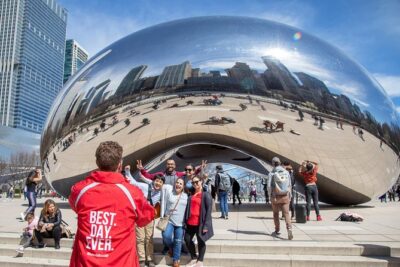
Chicago in a Day: Food, History & Architecture Walking Tour
Read our review →
Ramblas, Old Town, Gothic and Gaudi Architecture Walking Tour
Read our review →
Chicago’s Secret Interiors Architectural Walking Tour
Read our review →Browse the lists this tour appears in