
Review · CHICAGO
Chicago: Architecture & True Crime History
Chicago’s grand buildings have plenty to say, but the city’s darker stories make you look at them in a new way. This 90-minute walk links Beaux Arts, Art Deco, and Modernist design with tales of H. H. Holmes, John Wayne Gacy, murder, and corruption.
I like the unusual pairing of architecture and crime, and I like that the tour is led by local history buffs who care about both subjects. Guide Joseph has earned praise for his personable storytelling and flexibility, but keep in mind that this is a walking tour with a serious crime focus, not a broad survey of every major Chicago building.
Key points
- Architecture with a darker angle: Study Chicago’s Beaux Arts, Art Deco, and Modernist buildings while hearing what happened around them.
- Holmes and Gacy are only part of the story: The guide also covers lesser-known crimes, scandal, and corruption.
- A compact 90-minute walk: You get a focused introduction without giving up half a day.
- Meet at the Palmer House: Find the guide beneath the Wabash-side canopy, next to Poké Poké.
- Strong guide-led storytelling: Joseph is noted for his clear knowledge, friendly manner, and ability to adjust plans during bad weather.
- Good value at $35: The price makes sense if you want both city history and true crime in one short outing.
Why Chicago’s buildings make such good crime-story settings
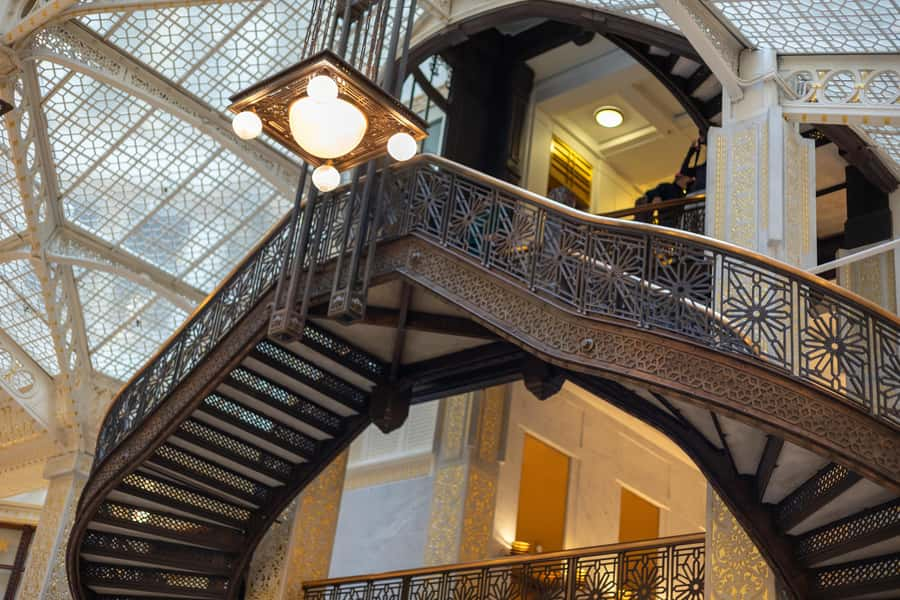
Chicago architecture is often presented as a story of invention, ambition, and grand design. This tour adds the less polished side of that story: money, power, scandal, violence, and the people who used the growing city for their own ends.
That is the appeal of the format. You are not simply stopping to admire a facade, then switching to a separate lecture about crime. The guide connects the physical city with the events that took place around it. A handsome building may signal civic pride, private wealth, or a period when Chicago was changing at a furious pace. The darker stories show what that change looked like for people caught in its machinery.
The experience takes its cue from The Devil in the White City, the well-known account of Chicago’s World’s Columbian Exposition era and H. H. Holmes. You do not need to know the book before you arrive. The reference mainly tells you what sort of tour this is: part architectural walk, part crime history, and part look at how a city can hide difficult stories behind impressive stone and steel.
I find that mix more useful than a standard list of famous buildings. It gives you a reason to look closely. Ornament, scale, location, and design become part of a larger story rather than background scenery.
More history tours in Chicago:
- Chicago in a Day: Food, History & Architecture Walking Tour
★ 5.0 · 1,153 reviews - Historical and Architectural Chicago Fireboat River & Lake Cruise
★ 5.0 · 246 reviews - Chicago: Food, History and Architecture Tour
★ 4.8 · 104 reviews
Starting beneath the Palmer House canopy
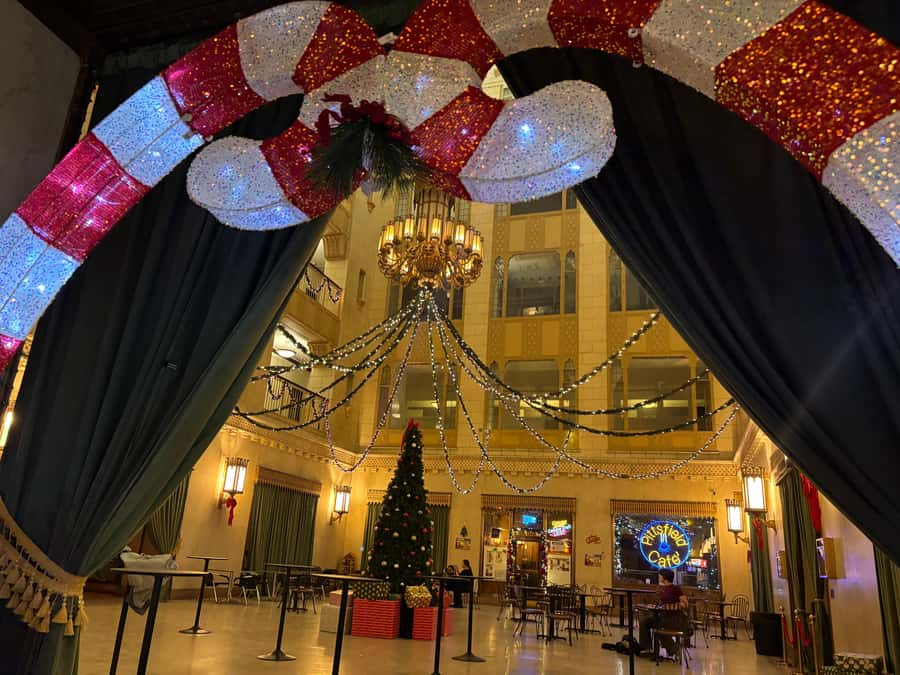
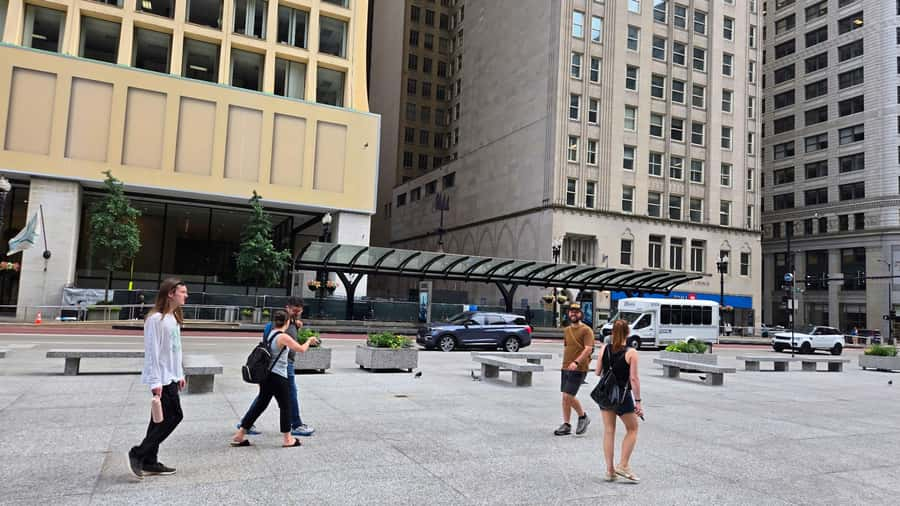
The meeting point is beneath the Palmer House canopy on the Wabash side, right next to Poké Poké. This is a clear, central starting place, but give yourself a few minutes to find the correct side of the building. The address alone may not be enough if you approach from another street.
The Palmer House setting also suits the theme. You begin beside one of Chicago’s famous historic hotels, in the middle of a city center filled with old facades and modern towers. The meeting point does not require hotel pickup, so you must make your own way there.
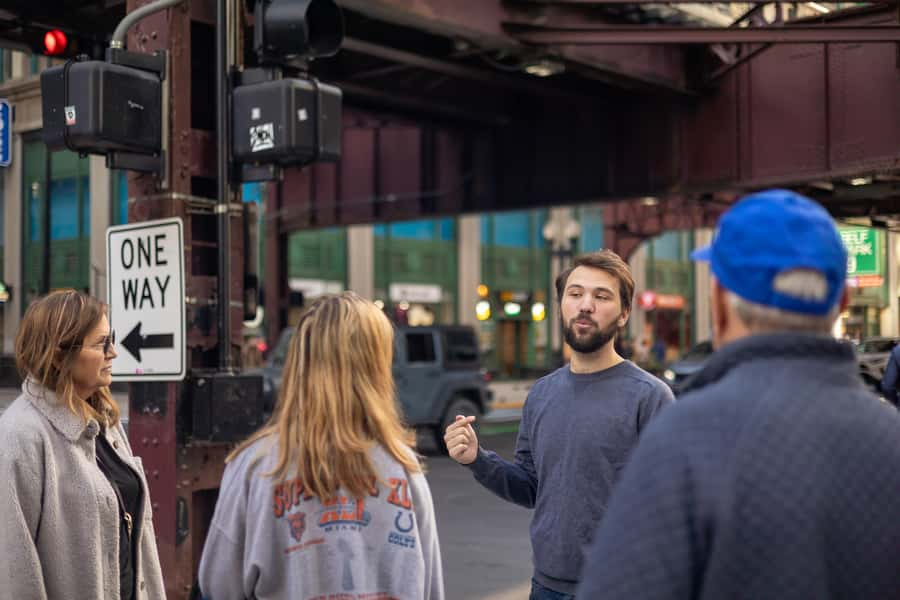
Once the group is together, the guide sets the tone. Expect an English-language walking tour led by a Chicago local with a strong interest in history and true crime. The experience depends heavily on storytelling, so the guide matters as much as the buildings.
Joseph has received particular praise for being personable and well informed. One useful detail is his flexibility: when thunderstorms affected the end of one tour, he adjusted the plan. That does not make the walk weatherproof, but it suggests you are not dealing with a guide who simply reads a script and ignores what is happening around the group.
Beaux Arts beauty with murder in the shadows
The first part of the walk introduces Chicago’s grander architectural language. Beaux Arts design tends to signal ceremony and status, with carefully arranged details meant to impress. On an ordinary architecture walk, you might focus on symmetry, decoration, and the people who financed these buildings.
Here, the guide adds a sharper question: what else was happening in this part of the city? The answer may involve crime, corruption, or scandal tied to Chicago’s rapid growth. The contrast is the point. A building can project order while the city around it is full of schemes and violence.
Do not expect every stop to be treated as a formal architecture lesson. The tour is designed for people who want the city’s design and its darker past together. You will hear enough about the building styles to understand the visual setting, then move into the human stories that give each stop its edge.
This approach works best if you are curious about context rather than technical detail. If you want a specialist lecture on architects, structural systems, or preservation, a dedicated river architecture cruise or architecture-focused walk may suit you better.
The Holmes story and the appeal of The Devil in the White City
H. H. Holmes is one of the central names connected with this experience. His story fits the tour’s purpose because it joins Chicago’s period of architectural growth with deception, murder, and public fascination.
The guide uses Holmes as more than a frightening character from a famous book. His story helps explain why Chicago’s dark history still attracts so much attention. The city was growing, visitors were arriving, and ambitious people could use the confusion of urban change to conceal bad acts.
The exact treatment of Holmes depends on the guide and the day’s route, but you can expect the subject to be presented alongside the city around him. That is more useful than hearing a string of grisly details with no setting. The buildings and streets give the story scale.
This is also the point where the tour’s tone becomes clear. True crime is not treated as a light joke or a collection of spooky rumors. The material includes murder and serious wrongdoing. If you prefer your sightseeing free of disturbing subjects, choose a standard architecture tour instead.
A few more architecture tours around Chicago worth a look
- Chicago Architecture River Cruise
★ 5.0 · 15,756 reviews - Chicago River 90-Minute Architecture Tour
★ 4.5 · 9,629 reviews - Chicago River: 1.5-Hour Guided Architecture Cruise
★ 4.8 · 8,046 reviews - Chicago Architecture Center River Cruise aboard First Lady
★ 5.0 · 5,536 reviews
Art Deco lines and the city’s changing ambitions
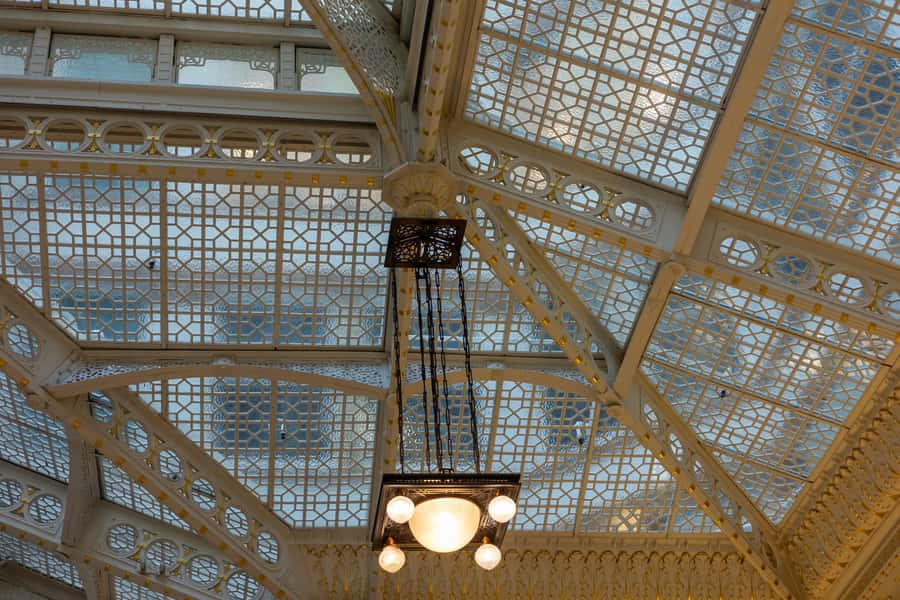
The route also includes Chicago’s Art Deco period. Art Deco buildings bring a different mood from Beaux Arts design. Their geometry, strong vertical lines, and bold ornament reflect a city that wanted to look modern and powerful.
The guide uses these changes in style to mark changes in Chicago itself. Architecture becomes a visual timeline. You can see how civic pride and private ambition took different forms, while the stories of crime and scandal show that progress was never as clean as the facades suggested.
I like this middle section because it keeps the walk from becoming a simple serial-killer biography. The architecture has room to breathe. You hear about design, then about the people and events connected with the surrounding streets.
The experience does not provide a detailed stop-by-stop building list in advance. That may bother you if you want to plan photographs or research each site ahead of time. It also leaves room for the guide to shape the story around the actual route and the group’s pace.
Modernist buildings and Chicago’s harder edge
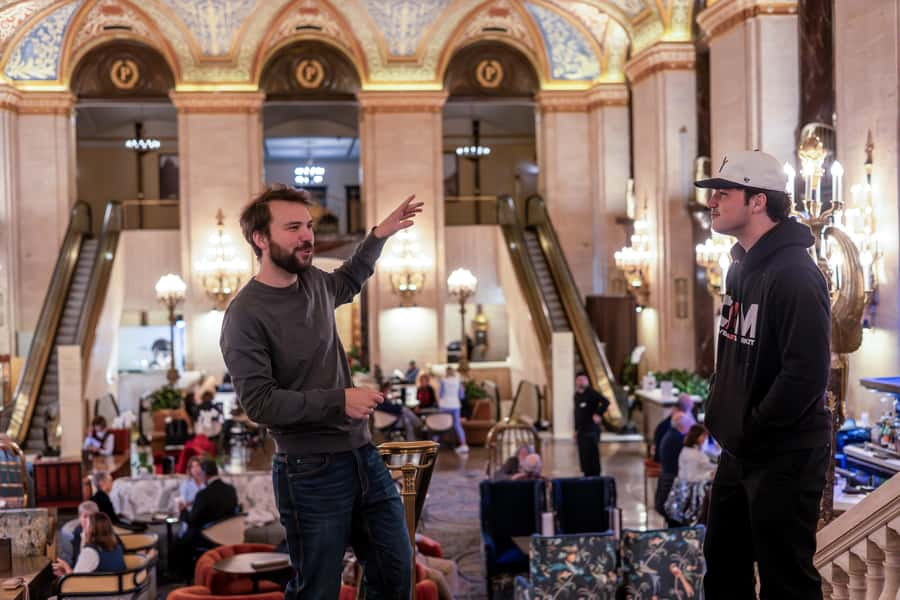
The tour also brings in sleek Modernist design. Modernist buildings can feel very different from the decorated structures earlier in the route, and that change gives the guide another way to talk about Chicago’s shifting identity.
The point is not simply to label one building Beaux Arts, another Art Deco, and another Modernist. You are encouraged to consider how each style presents power, order, efficiency, and ambition. Against that visual backdrop, stories of corruption, murder, and scandal feel less like isolated incidents and more like part of the city’s complicated growth.
The route reveals what the description calls Chicago’s dark underbelly. That phrase is broad, but the content is more specific: famous killers, lesser-known crimes, corruption, and public scandal. You should expect a selection of stories rather than a complete history of crime in the city.
That limited scope is sensible for a 90-minute walk. A longer tour could cover more names and neighborhoods, but it might lose the tight link between buildings and stories. This one aims for a strong impression in a short period.
Gacy, lesser-known crimes, and the value of variety
John Wayne Gacy is another major name covered on the tour. Along with Holmes, he gives the guide a familiar entry point for people who already follow true crime. The lesser-known stories are just as important, though, because they prevent the experience from becoming a greatest-hits account of notorious killers.
I prefer tours that give you more than the names you already know. Holmes and Gacy may draw you in, but the wider stories of crime and corruption help you understand why Chicago’s past cannot be reduced to two villains.
The guide’s job is to keep these subjects connected to place. You should listen for how the city’s streets, institutions, buildings, and periods of growth frame the events. That local setting is what separates this walk from a general true crime talk that could happen anywhere.
Still, the material will not suit everyone. Families with young children should think carefully before booking, since the tour centers on murder and serial killers. The description does not give a minimum age, so parents need to use their own judgment.
What the guide adds to the experience
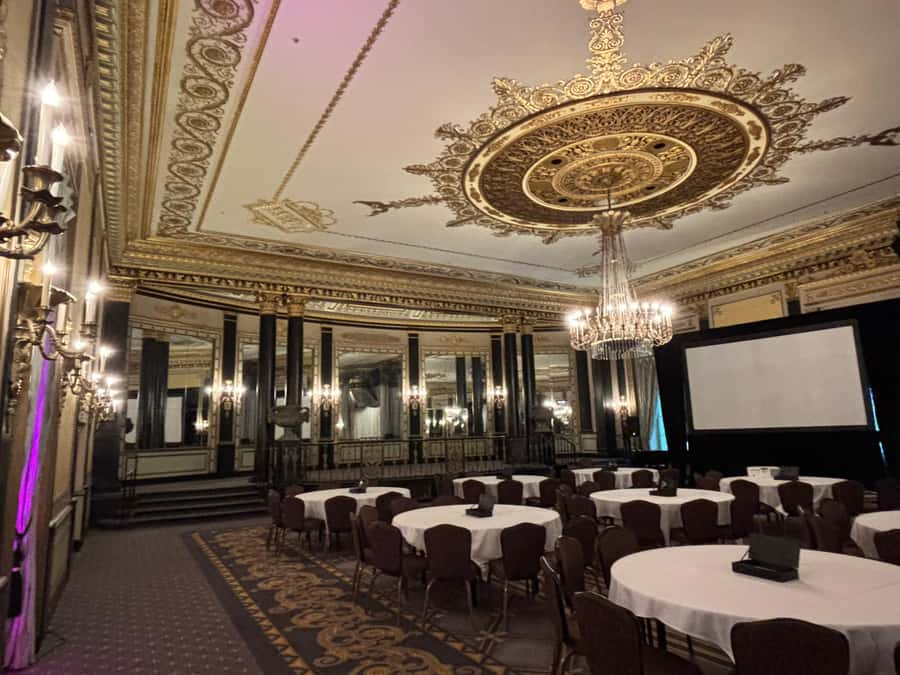
This tour is only as good as its storytelling. Buildings can be viewed on your own, and crime facts can be found online. The value comes from having someone arrange them into a clear, walkable story.
The strongest guide feedback centers on clarity, warmth, and flexibility. Joseph is described as personable and well informed, and another guide was praised for the way she told the stories. Those details matter because a guide who can explain both architecture and crime without losing the thread makes the 90 minutes feel purposeful.
You should expect a live guide in English, not an audio tour. That means you can follow the tone of the group and ask for clarification during the walk, though the supplied information does not promise a particular group size or a formal question period.
A guide can also respond to conditions. Thunderstorms forced one tour to change its ending, and Joseph adapted. Chicago weather can shift quickly, so that kind of practical judgment is useful. Even so, wear sensible shoes and bring weather protection. No hotel pickup or drop-off is included, and the tour takes place on foot.
Is $35 a fair price for 90 minutes?
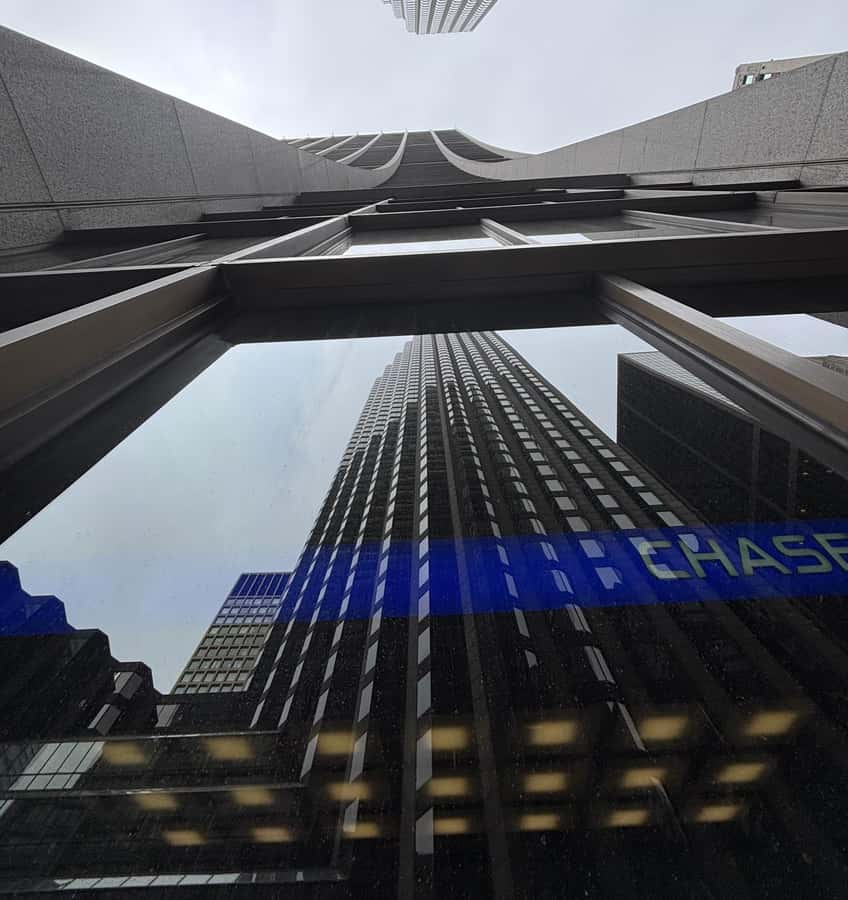
At $35 per person, this is a moderate cost for a guided city walk. The value depends on how much you want the combined theme.
If you only want to see architecture, a river cruise may give you more building views in a similar amount of time, often with less walking. If you only want crime stories, a longer crime, mob, or ghosts tour may offer a wider subject range.
This experience earns its price by combining two interests in one focused outing. You get a local guide, a clear meeting point, and a 90-minute route that fits neatly into a busy Chicago day. You can book it in the morning or afternoon, then use the rest of your day for museums, neighborhoods, food, or another tour.
The $35 price is especially reasonable if you are already interested in The Devil in the White City or want an introduction to Chicago before choosing a longer architecture cruise. It is less compelling if you dislike walking tours or want extensive access inside buildings. The supplied information focuses on exterior architecture and street-level stories, so do not book expecting a collection of private interiors.
How to fit the walk into your Chicago plans
The morning option can help you get your bearings in the city center before sightseeing elsewhere. You will leave with a sense of Chicago’s architectural styles and the darker stories linked to them.
An afternoon booking works well if you want a change of pace after a museum or lunch. Since the tour lasts only 1.5 hours, it does not take over your day.
The Palmer House meeting point is also practical for building a downtown plan around the experience. Just remember that the tour ends away from your starting point unless the guide adjusts the route, so allow time to continue to your next activity. The exact endpoint is not provided, and you should not assume hotel return service.
If thunderstorms are in the forecast, contact the operator or be ready for a route adjustment. Joseph has shown flexibility in that situation, but the tour remains an outdoor walk.
Who should book this Chicago walking tour?
I would choose this tour if you want architecture with a strong narrative hook. It suits first-time Chicago visitors who want city context, readers interested in The Devil in the White City, and true crime fans who would rather hear stories tied to real streets than sit in a lecture room.
It also works well for repeat visitors. You may have seen the major buildings before, but the crime stories can change how you read the city center.
I would look elsewhere if your main goal is a technical architecture lesson, a river-level view of the skyline, or a broad overview of Chicago neighborhoods. A dedicated architecture cruise, observation deck, or longer mob and crime tour may be a better match for those interests.
The strongest audience is adults and older teens who enjoy serious history and do not mind unsettling subjects. The tour is not framed as a ghost walk, and it is not a family-focused sightseeing activity. Its appeal comes from the tension between beautiful buildings and troubling events.
Should you book Chicago: Architecture & True Crime History?
Book it if the combination is what interests you. For $35, you get a compact English-language walk led by a local guide, with Chicago architecture, Holmes, Gacy, lesser-known crimes, corruption, and scandal in one package.
The biggest reason to choose it is the storytelling link between the city’s visual beauty and its darker past. The main caution is equally clear: this is a serious true crime tour, and the architecture serves that theme rather than replacing it.
If you want a focused, unusual introduction to downtown Chicago, I would book it. If you want only buildings or only organized crime, choose a more specialized experience.
FAQ
How long is the Chicago architecture and true crime tour?
The tour lasts 1.5 hours.
How much does the tour cost?
The listed price is $35 per person.
Where does the tour meet?
Meet beneath the Palmer House canopy on the Wabash side, next to Poké Poké.
Is hotel pickup included?
No. Hotel pickup and drop-off are not included.
What language is the tour offered in?
The live tour guide speaks English, and English is the listed tour language.
Which crime figures are covered?
The tour includes stories about H. H. Holmes and John Wayne Gacy, along with lesser-known crimes.
Does the tour cover architecture styles?
Yes. The experience includes Chicago architecture from Beaux Arts elegance to Art Deco and Modernist design.
Is the tour based partly on The Devil in the White City?
Yes. The tour is inspired by The Devil in the White City and connects Chicago’s architecture with its crime-filled past.
Can I cancel for a full refund?
Yes. You can cancel up to 24 hours in advance for a full refund.
Do I have to pay when I book?
No. The reserve-now, pay-later option lets you book without paying immediately.
Just added around Chicago
- Private Chicago Architecture Tour★ 5.0 · 5 reviews
- Private Frank Lloyd Wright Architectural Tour by Luxury Vehicle★ 3.5 · 7 reviews
- Chicago Luxury Minibus City Tour and Architecture River Cruise★ 4.5 · 8 reviews
- Chicago History and Architecture Walking Tour with Boat Cruise★ 4.5 · 10 reviews
- Small Group History And Architecture Walking Tour of Chicago★ 4.5 · 8 reviews
- Private Chicago Architecture Walking Tour★ 5.0 · 6 reviews
- Chicago: Evolution of the Skyscraper Walking Tour★ 4.9 · 10 reviews
- Chicago’s Modern Skyscrapers Guided Walking Tour★ 5.0 · 6 reviews
Historical Tours, compared.
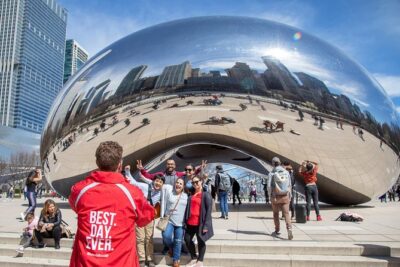
Chicago in a Day: Food, History & Architecture Walking Tour
Read our review →
Kuala Lumpur: Batu Caves & Historic Buildings Tour
Read our review →
Charleston’s Best Highlights: History, Culture & Architecture
Read our review →
Palm Springs Modernism Architecture & History Bike Tour
Read our review →
Charleston: History and Architecture Guided Walking Tour
Read our review →
Historic Georgetown: History, Gossip, & Architecture Walking Tour
Read our review →
Charleston History, Homes, and Architecture Guided Walking Tour
Read our review →
Browse the lists this tour appears in