
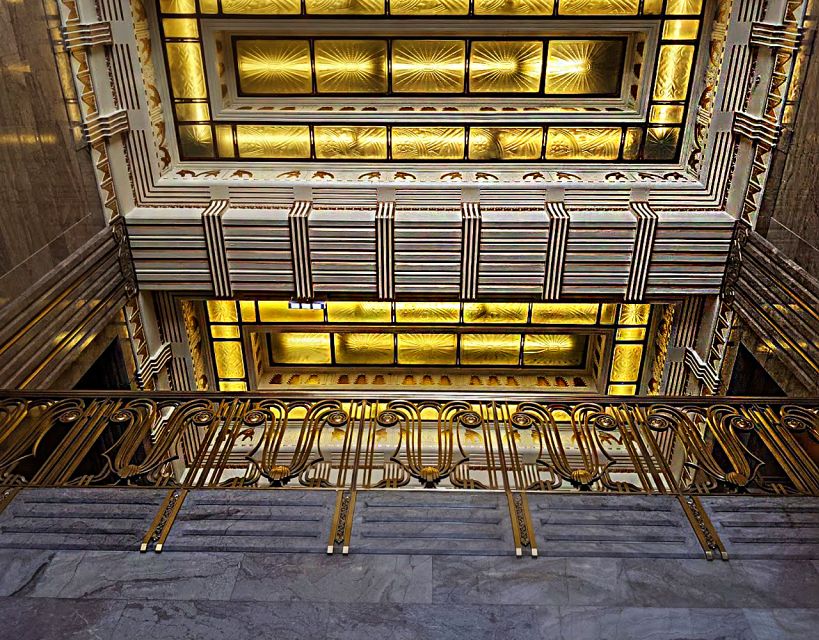
Review · CHICAGO
Chicago Walking Tour: See Inside Art Deco Masterpieces
Chicago keeps some of its best architecture behind closed doors. This two-hour walk gives you a rare look inside Art Deco buildings in the Loop and near the Chicago River, including places most boat-tour passengers only see from the water. I especially like the special interior access and the way the tour explains why Art Deco felt futuristic in the 1920s, not merely old-fashioned today.
I also like the mix of design and social history: flappers, jazz, gangsters, speakeasies, and the optimism that came before the Crash of 1929. The main consideration is simple: you’ll walk about 1.5 miles and remain on your feet for two hours, rain or shine, so this is not a sit-down architecture talk.
Key points to know before you book
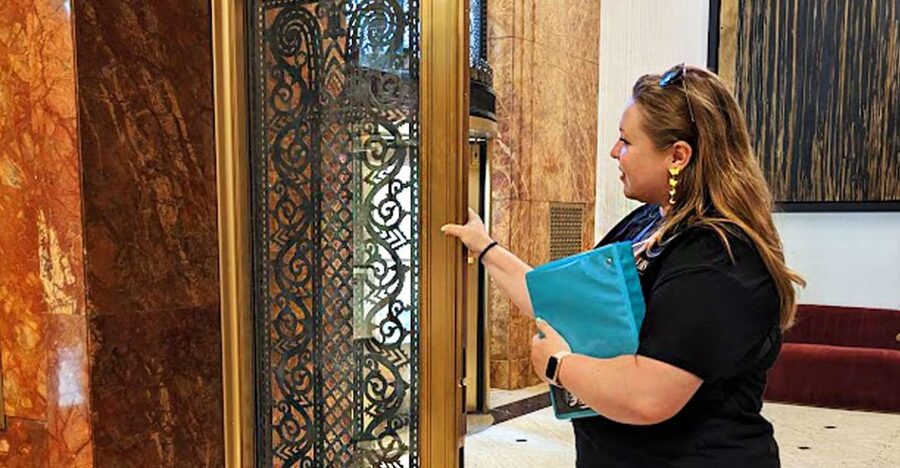
- Enter normally closed interiors: The tour’s chief reward is going inside Art Deco spaces that most people only pass on the street or see from a boat.
- See Chicago’s Loop and River area: The route combines exterior details with interior rooms in central Chicago.
- Understand Art Deco as future-looking design: Gleaming materials, sharp geometry, and exact detail were meant to suggest progress.
- Hear the Roaring Twenties in context: Flappers, jazz, speakeasies, gangsters, and the Crash of 1929 help explain the buildings’ mood.
- Plan for a two-hour walk: Meet at the outdoor plaza at 425 South Financial Place, next to the horse sculpture, with your guide holding a binder.
- Pay $35 per person: For access to spaces usually closed to the public and a live local guide, the price is fair, especially for architecture fans.
Why the interiors are the real prize
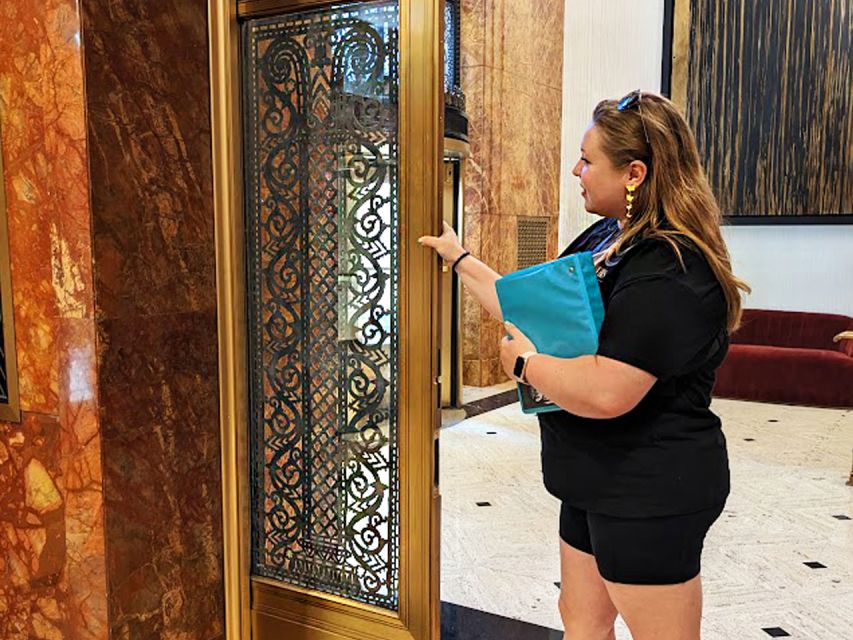
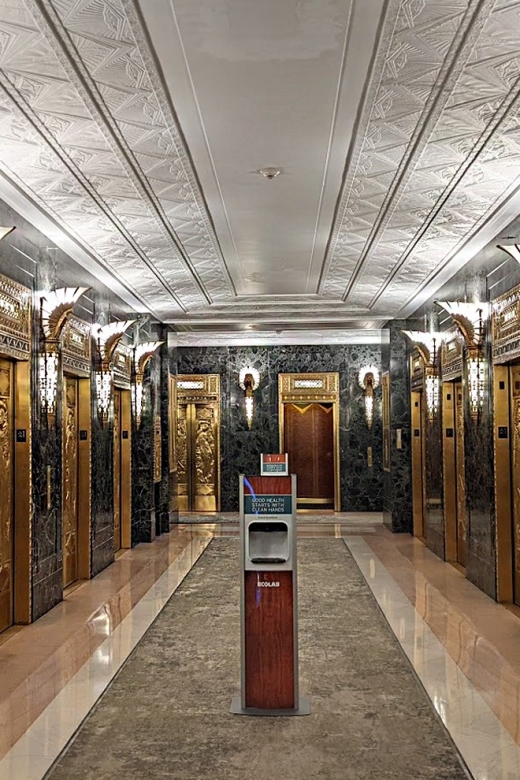
Chicago’s Art Deco buildings can look impressive from the sidewalk, but their interiors tell a fuller story. Outside, you may notice geometric shapes, polished surfaces, and strong vertical lines. Inside, those ideas often become more complete, with decorative details designed to make ordinary spaces feel like a vision of tomorrow.
That is the central idea of this tour. Art Deco was not created to look old. In the 1920s and early 1930s, it was a modern style with a futuristic message. Its clean precision and gleaming materials suggested speed, wealth, technology, and confidence in what was coming next.
I like that distinction because it keeps the walk from becoming a parade of pretty lobbies. You are not just looking at decoration. You are asking what the decoration meant to people who had lived through a world war, watched cities change quickly, and believed prosperity might continue forever.
The special access makes that idea easier to grasp. Public streets give you only one angle. Inside, you can see how an entire building carried the same design language from its entrance to its shared spaces. The experience is valuable precisely because these rooms are not part of an ordinary sightseeing route.
More Art Deco tours in Chicago:
- Chicago Walking Tour: Art Deco Skyscrapers Loop
★ 5.0 · 138 reviews - Chicago Architecture Walking Tour: Incredible Art Deco Interiors
★ 5.0 · 85 reviews - Chicago Walking Tour: Art Deco Skyscrapers Riverfront
★ 5.0 · 53 reviews
Starting at 425 South Financial Place
The meeting point is the outdoor plaza at 425 South Financial Place, next to the horse sculpture. Your guide will be holding a binder, which gives you a clear visual marker in a part of downtown filled with office buildings and passing pedestrians.
Arrive ready to begin outdoors. The tour takes place rain or shine, and the first part of the experience depends on walking through central Chicago rather than waiting in a visitor center or museum lobby.
The location also places you in the right setting from the start. The Loop is where Chicago’s business power, grand commercial buildings, and historic streets come together. You will be looking at architecture, but you will also be moving through the city that made this architecture possible.
One useful tip is to wear comfortable shoes and dress for the forecast. The distance is only about 1.5 miles, yet two hours on your feet can feel longer than the mileage suggests. You may stop often to look up, examine details, and listen, but there is no promise of a chair at every stop.
Reading the Art Deco details from street level
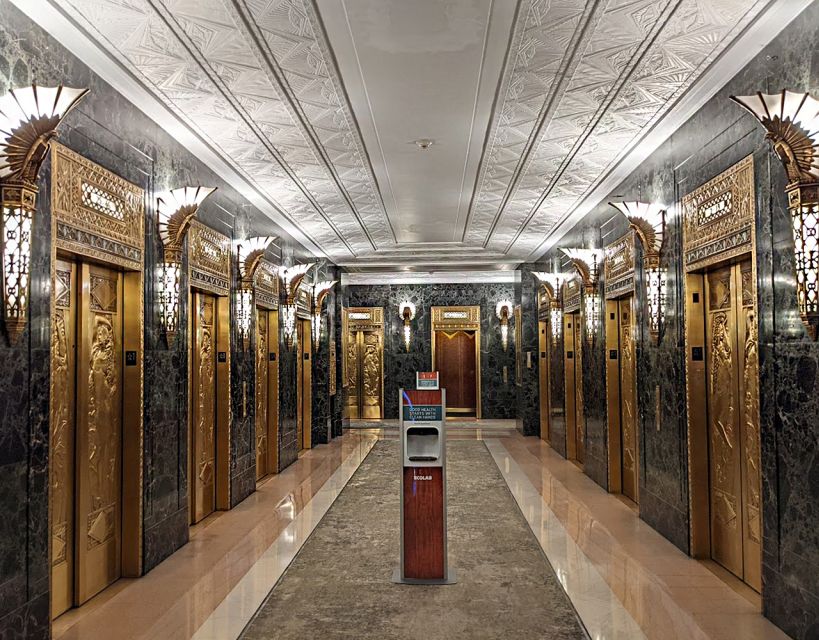
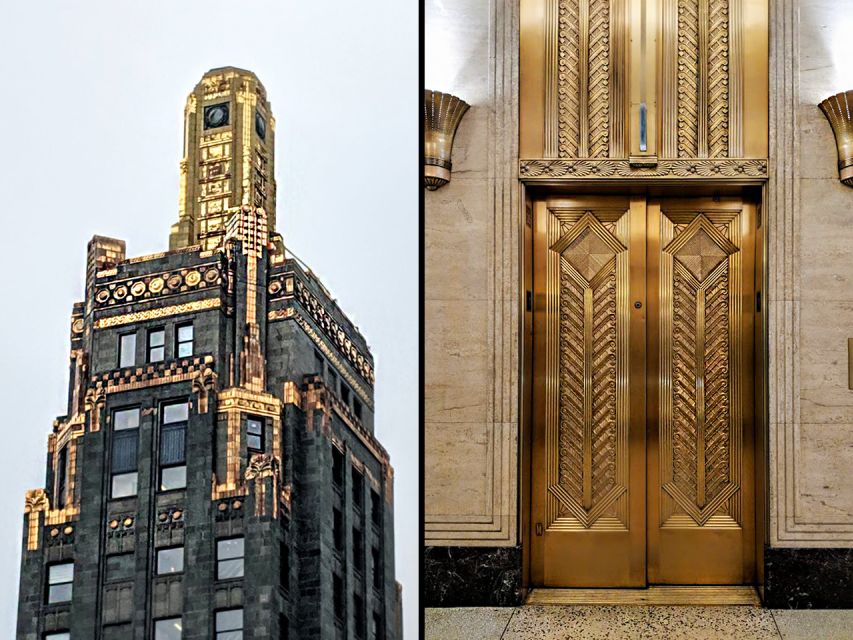
The exterior portion helps you learn what to look for before you enter the buildings. Art Deco often relies on symmetry, repeated forms, crisp lines, and a sense of upward motion. Instead of soft, natural decoration, the style favors precision and controlled glamour.
You can expect the guide to connect those design choices with the period’s mood. Chicago in the 1920s was tied to finance, industry, entertainment, and rapid urban change. Architecture became a way to show confidence. A building could look as if it belonged to the future even while it was rising in a city with a rougher, older reputation.
That contrast gives the tour some of its character. The era had glitter, but it also had crime, political corruption, economic inequality, and the shadow of Prohibition. The stories of gangsters and speakeasies add color, yet the stronger point is that the buildings were part of a real social world, not a costume party.
I appreciate the balance here. The flapper and jazz references make the period accessible, while the architectural focus keeps the walk from turning into a general Roaring Twenties theme tour. You get the popular images, but they serve the larger story of how Chicago presented itself.
Crossing from famous exteriors to private-feeling spaces
Some buildings on the route will be familiar from Chicago boat tours. That creates a pleasant change in viewpoint. From the river, you see the city’s height, mass, and façades. On foot, you can examine the details at human scale and then go inside buildings that most boat passengers never enter.
This is where the tour offers something different from a standard architecture cruise. A boat provides excellent views and a comfortable way to cover a lot of ground. This walk is slower and more focused. You give up the broad sweep of the river for a closer look at selected interiors and exterior details.
The interior access is not a minor extra. It shapes the whole experience. Chicago has many impressive buildings, but not every attractive entrance is open for casual wandering. A guided visit gives you a reason to enter and helps you notice features you might otherwise pass without understanding.
Do keep expectations realistic. The information provided does not identify every building or guarantee a fixed list of rooms for every departure. The route explores several Art Deco interiors in the Loop and near the river, but the exact sequence can depend on access and operating conditions. The appeal is the type of place you enter, rather than a promise of one specific famous room.
More architecture walks in Chicago:
- Chicago in a Day: Food, History & Architecture Walking Tour
★ 5.0 · 1,153 reviews - Chicago’s Secret Interiors Architectural Walking Tour
★ 5.0 · 635 reviews - Chicago: Secret Interiors Architecture Walking Tour
★ 4.9 · 498 reviews - Chicago Walking Tour: Historic Skyscrapers
★ 5.0 · 67 reviews
The Roaring Twenties without losing the architecture
The period stories give the buildings a human scale. You will hear about flappers, jazz, gangsters, and speakeasies as part of the larger explanation of Chicago during the 1920s. These subjects are familiar, but they help you picture the people who used the city’s hotels, offices, entertainment venues, and commercial spaces.
The timing matters. Art Deco flourished during a surprisingly brief architectural period, before the Crash of 1929 changed the mood. The style’s polished surfaces and bold confidence make more sense when you remember that they were created during a moment of strong belief in progress.
Then the optimism collided with financial collapse. That historical turn gives the walk a useful before-and-after feeling. You are looking at buildings designed when the future seemed bright, while knowing that the decade’s confidence would not last.
I find this context more useful than a list of dates. It tells you why the architecture feels so certain. Art Deco was not shy. It wanted to impress you, direct your eye, and suggest that modern life could be sleek and controlled.
The stories of illegal clubs and organized crime also fit Chicago’s complicated image. They add a darker edge to all the polish. A gleaming lobby may signal wealth and order, while the city outside was dealing with Prohibition and violence. That tension is part of what makes the period interesting.
What a two-hour route feels like
Two hours is a good length for this subject. A shorter walk might give you a few façades and a quick explanation of the style. A much longer tour could become tiring, especially when you are stopping frequently to study ceilings, walls, entrances, and decorative patterns.
The route covers about 1.5 miles. That is manageable for most people who are comfortable walking, but you should treat it as an active outing. You will be on your feet for the full two hours, with portions outdoors and interiors added along the way.
The pace should suit people who prefer focused sightseeing over a packed checklist. You are not trying to see every Art Deco building in Chicago. Instead, you are using a small group of places to understand a style, a neighborhood, and a specific moment in American city life.
Because the tour runs rain or shine, weather can affect your comfort. On a pleasant day, moving between buildings is part of the fun. In bad weather, the indoor access becomes even more welcome, but you will still need to walk outside between stops. Bring suitable clothing and shoes rather than assuming the interiors will shelter you for the entire outing.
A guide-led experience with room for questions
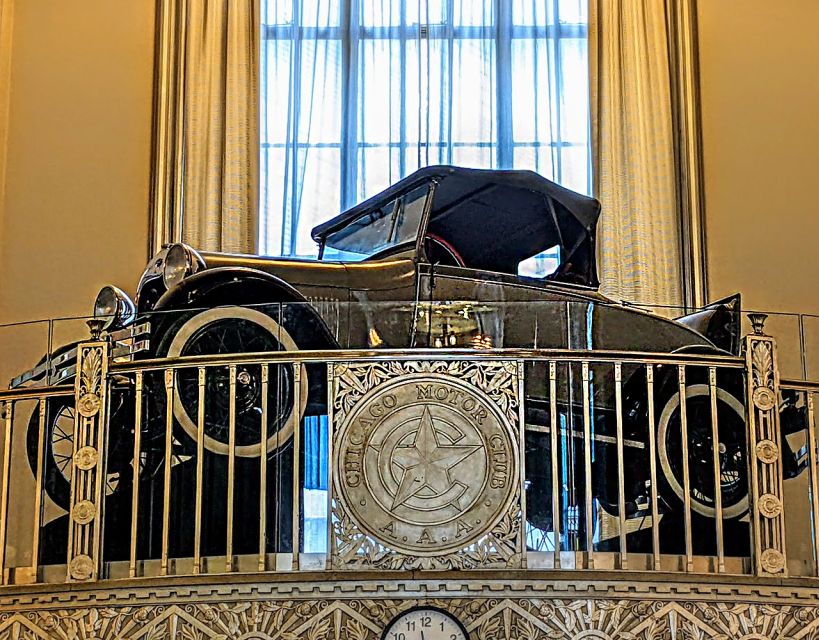
The tour is conducted in English with a live guide. That matters for architecture because a guide can point out a detail at the moment you are standing in front of it, then connect it to the next interior or story.
The guide may be Henry. One departure led by Henry was praised for being personable and well informed, and that combination is useful on a walking tour. Architecture can feel dry when it becomes a lecture. A guide who can explain the subject clearly and make the history feel close at hand makes the two hours easier to follow.
Other departures may have a different guide, so you should not book on the assumption that Henry will lead your particular time. Still, the format gives you direct contact with someone who can explain the buildings and answer questions as you go.
If you enjoy asking why a building uses a particular material, how Art Deco differs from neighboring styles, or what a space was designed to communicate, a live tour has a clear advantage over a printed guide. If you prefer to move at your own pace and photograph every detail in silence, the fixed route and group timing may feel less flexible.
Is $35 a fair price?
At $35 per person, this is not the cheapest way to walk through downtown Chicago. You can see many exteriors for free, and the city has plenty of public architecture to admire without paying for a guide.
The price makes more sense when you assign value to the interior access. The tour is not simply charging for a walk past buildings. It provides entry to Art Deco spaces that are usually off-limits, plus two hours of explanation in English from a local guide.
For someone already interested in architecture, that is a reasonable exchange. You get a focused theme rather than a broad downtown overview, and you avoid spending time trying to identify buildings or understand their decorative language on your own.
For a first-time visitor with only a few hours in Chicago, the decision depends on your priorities. If you want skyline views, river scenery, and a wide introduction to the city, a boat tour may cover more ground. If you want to see what is behind the façades and understand the city’s 1920s mood, this walk offers something more specialized.
The reserve-now-and-pay-later option also gives you some planning flexibility, and cancellation is free up to 24 hours before the tour for a full refund. Those terms are useful, but the main value still comes from the access and the guide, not from the booking policy.
Who will enjoy this Chicago walk most
I would recommend this tour most strongly to people who enjoy buildings but do not want a purely technical lecture. The stories of jazz, speakeasies, flappers, and gangsters give you an easy way into the subject, even if you cannot tell Art Deco from other early twentieth-century styles.
It also suits repeat visitors and Chicago residents. The route may show you places you have passed many times without entering. One particularly appealing feature is the chance to be a tourist in your own city, seeing familiar downtown architecture from a new angle.
Photography-minded visitors may enjoy the interiors, though the supplied information does not promise specific photography rules or unlimited time at each stop. Expect to keep pace with the group and listen while the guide explains what you are seeing.
This is less suitable if you have trouble standing for two hours, dislike walking in poor weather, or want a tour built around famous building names alone. The attraction is the access, design, and period context rather than a simple roll call of landmarks.
My call on the Art Deco interiors tour
Book this walk if you want the side of Chicago that hides behind the grand façades. The interior access is the strongest reason to go, and the mix of design with Roaring Twenties stories keeps the subject lively.
Skip it if you need a seated activity, a short route, or a broad survey of every major Chicago landmark. For everyone else, $35 is a fair price for two hours, 1.5 miles of central Chicago walking, and a chance to see Art Deco spaces that most people never reach.
FAQ
Where does the tour meet?
Meet in the outdoor plaza at 425 South Financial Place, next to the horse sculpture. Your guide will be holding a binder.
How long does the tour last?
The tour lasts two hours.
How far will I walk?
The route covers about 1.5 miles.
Is the tour held indoors or outdoors?
It uses both outdoor and indoor spaces. The route includes walking through the Loop and near the Chicago River, along with access to several Art Deco interiors.
Does the tour run in bad weather?
Yes. The tour takes place rain or shine, so you should prepare for the forecast.
What language is the tour in?
The live guided tour is conducted in English.
Who leads the tour?
The tour has a live local guide. Henry leads some departures, while the guide’s name for every departure is not specified.
Can I cancel for a refund?
Yes. You can cancel up to 24 hours in advance for a full refund.
Just added around Chicago
- Private Chicago Architecture Tour★ 5.0 · 5 reviews
- Private Frank Lloyd Wright Architectural Tour by Luxury Vehicle★ 3.5 · 7 reviews
- Chicago Luxury Minibus City Tour and Architecture River Cruise★ 4.5 · 8 reviews
- Chicago History and Architecture Walking Tour with Boat Cruise★ 4.5 · 10 reviews
- Small Group History And Architecture Walking Tour of Chicago★ 4.5 · 8 reviews
- Private Chicago Architecture Walking Tour★ 5.0 · 6 reviews
- Chicago: Evolution of the Skyscraper Walking Tour★ 4.9 · 10 reviews
- Chicago’s Modern Skyscrapers Guided Walking Tour★ 5.0 · 6 reviews
Art Deco Tours, compared.
The Official Art Deco Walking Tour by The Miami Design Preservation League
Read our review →

Guided 10am Morning Art Deco Walk From Napier Art Deco Trust
Read our review →
Award-winning Art Deco & Neon Lights Walking Tour in Miami Beach
Read our review →
Browse the lists this tour appears in