
Review · CHICAGO
Chicago: Icons Guided Architecture Walking Tour
Chicago’s skyline makes more sense when you see it at walking speed. This 90-minute tour links seven downtown stops, from 1890s commercial buildings to newer work by Frank Gehry, Renzo Piano, and Adrian Smith. You are not simply ticking off famous façades. You are comparing the ideas, materials, and city needs that shaped them.
I like the clear sweep across several architectural eras, and I like that the walk finishes in Millennium Park, where public art and buildings share the same space. Guides Teresa and Ron have both been singled out for strong pacing, useful historical context, and answers to questions. The main drawback is that the tour takes place rain or shine, and the short format means some buildings receive only a brief look.
Key points at a glance
- Seven stops in 90 minutes: A compact route gives you a broad view of downtown architecture without taking up half a day.
- 1890s to the present: Compare Commercial, Beaux-Arts, Mid-Century Modern, Postmodern, and newer designs in one walk.
- Modern names included: Hear how Frank Gehry, Renzo Piano, and Adrian Smith have influenced Chicago’s current skyline.
- A strong human guide matters: Teresa and Ron have been praised for pacing, detail, and answering questions.
- Millennium Park finale: The tour ends where architecture, public art, and open urban space meet.
- Ticket money serves Chicago programs: Chicago Architecture Center purchases help fund local education and community projects.
Starting at the Chicago Architecture Center
Your tour begins at the Chicago Architecture Center, 111 E Wacker Drive. This is a sensible starting point because the center itself gives you a chance to get oriented before heading outside. Admission to its galleries is included, so allow a little extra time if you can. The walking tour lasts 90 minutes, but the gallery visit is a useful add-on rather than part of the street route itself.
Have your mobile or printed ticket ready. There is no hotel pickup, so you need to make your own way to the center. You also cannot leave luggage or strollers there, which matters if you are arriving directly from a hotel checkout or train journey.
The guide speaks English, and the tour is wheelchair accessible. Assistance dogs are allowed, but other pets are not. Since the walk runs in all weather, comfortable shoes and a weather-ready layer are sensible choices. Chicago can make a mild day feel brisk once you are exposed to open streets and the river corridor.
More architecture walks in Chicago:
- Chicago in a Day: Food, History & Architecture Walking Tour
★ 5.0 · 1,153 reviews - Chicago’s Secret Interiors Architectural Walking Tour
★ 5.0 · 635 reviews - Chicago: Secret Interiors Architecture Walking Tour
★ 4.9 · 498 reviews
The first architectural lesson: why downtown looks this way
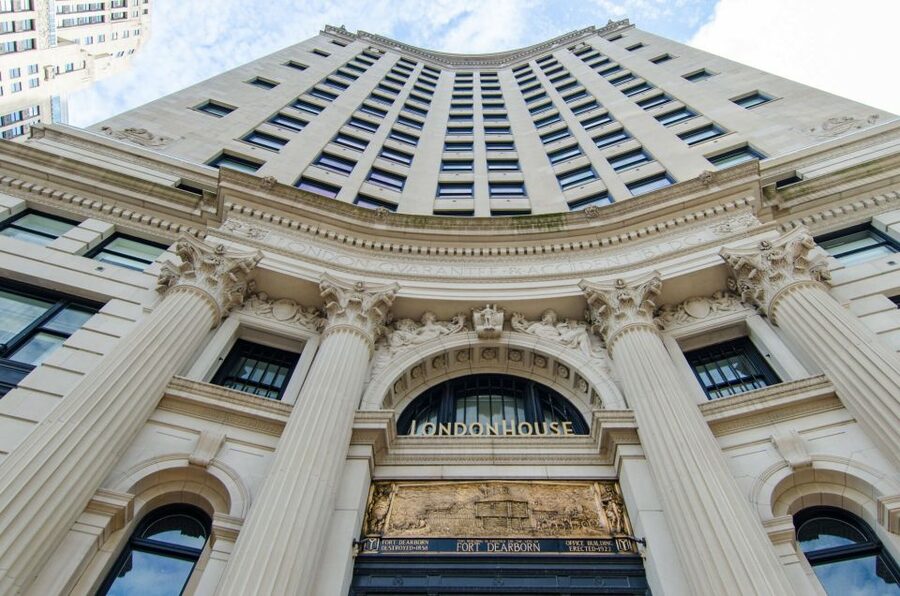
The early part of the route introduces the city through buildings from the 1890s and the famous 19th-century Commercial style. The value here is not just seeing old stone or brick. You begin to notice how commercial buildings were designed for business, movement, light, and a growing city.
Your guide explains the links between past and present rather than treating each building as an isolated object. That connection is the heart of the experience. A historic façade can help you understand why a later glass tower looks the way it does, or why a modern architect may choose to echo older proportions while using completely different materials.
This is also where a good guide makes a real difference. Kathy, who had lived in Chicago for more than 40 years, found Teresa’s explanations useful even with long local experience. That is a telling detail. The tour is not only for first-time visitors who have never looked closely at downtown. It can also sharpen the eye of someone who already knows the city.
You will hear stories and facts about each building, but the guide also answers questions. Ron was praised for his historical detail and for bringing a notebook of extra facts. That suggests a tour with room for the small surprises that are easy to miss when you walk alone.
Beaux-Arts details and the city’s formal side
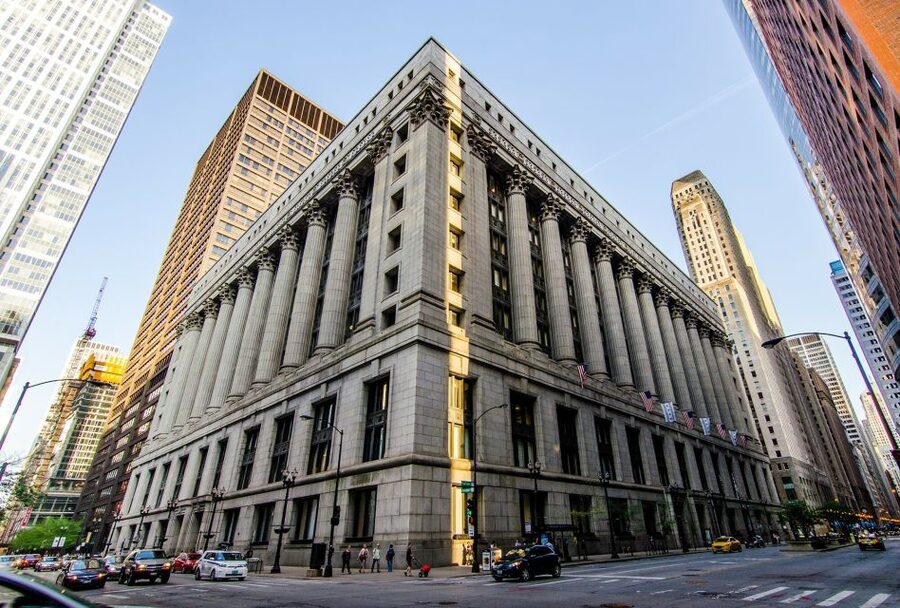
One of the seven stops features Beaux-Arts architecture. This style gives the tour a different visual language from the more practical commercial buildings. You might find yourself looking at symmetry, ornament, monumental entrances, and the sense of ceremony these structures create.
The point is not to memorize a style label for a quiz. It is to learn a useful way of reading a building. Once your guide points out the visual signals, you can begin to compare the formal Beaux-Arts approach with the cleaner lines of later modern design.
The seven-stop format keeps the pace moving. You will not spend an hour inside one building or get bogged down in technical terminology. That works well if you want a broad introduction, but it also means the tour cannot cover every detail of every structure. If you already have a favorite building in the area, ask about it when there is time. The guide’s answers may add more value than a fixed script.
Mid-Century Modern and a change in priorities
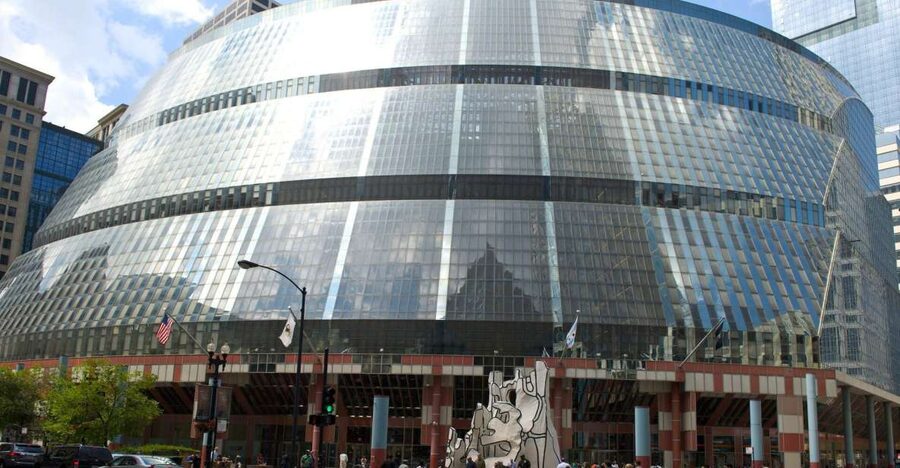
The route also covers Mid-Century Modern buildings, showing how Chicago’s design priorities changed over time. This part of the walk helps you see the difference between architecture that announces tradition and architecture that favors restraint, function, and a more modern visual order.
The guide’s job is to connect those choices to the city around them. You are encouraged to compare old and new buildings side by side instead of treating modern architecture as a clean break from the past. That is one of the tour’s most useful ideas: design changes, but it responds to earlier buildings, available technology, business needs, and public expectations.
You will not need an architecture background. The tour is built around observation and explanation, not specialist training. Still, anyone who enjoys design will get more from it by looking up at details, watching how a building meets the sidewalk, and noticing how different structures occupy the same downtown blocks.
More guided tours in Chicago:
- Chicago River: 1.5-Hour Guided Architecture Cruise
★ 4.8 · 8,046 reviews - Chicago River: Guided Sunset Cocktail & Architecture Tour
★ 4.6 · 203 reviews - Chicago River: 1.5-Hour Guided Architecture Riverboat Tour
★ 4.7 · 93 reviews - Chicago: Guided Tour with Architecture River Cruise
★ 4.5 · 20 reviews
Postmodern buildings and the pleasure of contrast
Postmodern architecture adds another turn in the story. Compared with Mid-Century Modern restraint, Postmodern buildings can play more openly with historical references, shape, and visual surprise. A downtown walk is an ideal setting for this comparison because the styles are not separated into neat museum rooms. They sit beside one another, compete for attention, and sometimes borrow from each other.
The tour asks you to compare and contrast. That makes the experience more active than simply listening to a timeline. You may begin by asking what a building looks like, then move toward why its designer made those choices and how the structure relates to its neighbors.
This is also where the tour’s broad time span pays off. In 90 minutes, you move from 19th-century commercial design through Beaux-Arts, Mid-Century Modern, Postmodern work, and current architecture. You get a city-sized lesson in changing taste without committing to a full-day architecture program.
Gehry, Piano, Smith, and Chicago today
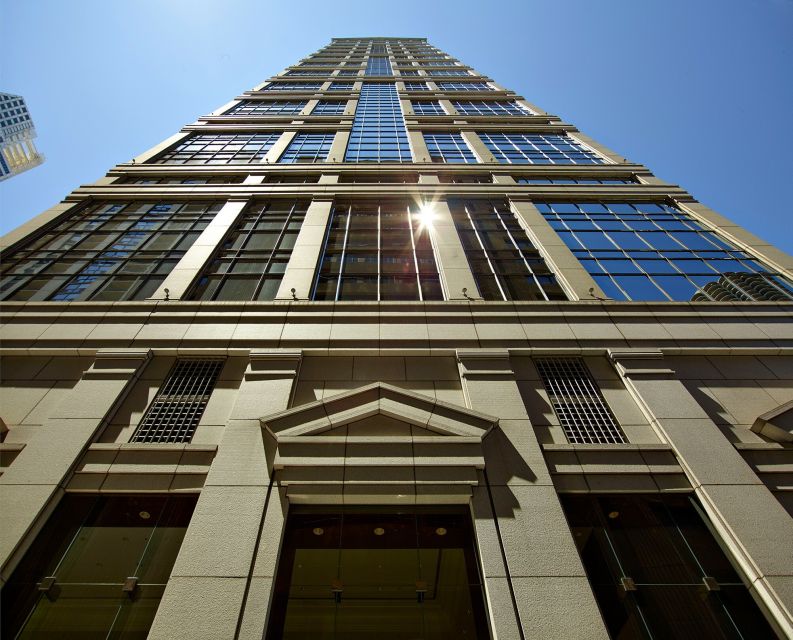
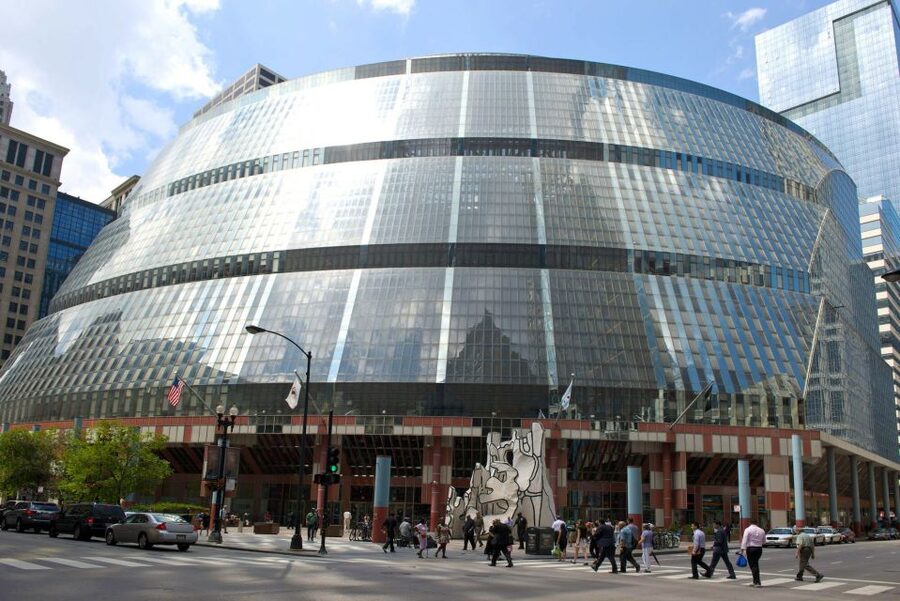
The final section brings the story into the present with architecture associated with Frank Gehry, Renzo Piano, and Adrian Smith. These names help frame the question of what inspires design today. You hear about newer ideas while still looking back at the older buildings that define downtown.
The tour does not present modern design as automatically better or more important. Instead, it gives you a way to compare new skyline additions with older structures. That balance is valuable in Chicago, where historic buildings and ambitious new work share a tight urban setting.
You might find this part especially useful if you have already seen photographs of Chicago’s skyline but have not considered how the pieces fit together. From street level, scale and context become clearer. A building may look dramatic from a distance but reveal a different relationship with the sidewalk, neighboring structures, or public space when you are standing near it.
The guide’s stories keep the subject grounded. Teresa was praised for explaining architectural meaning and context, while Ron was praised for historical detail. Those are the qualities to look for in this kind of tour. The best information is not a list of architects. It is an explanation of why a building matters in its particular place.
Ending among art and architecture in Millennium Park
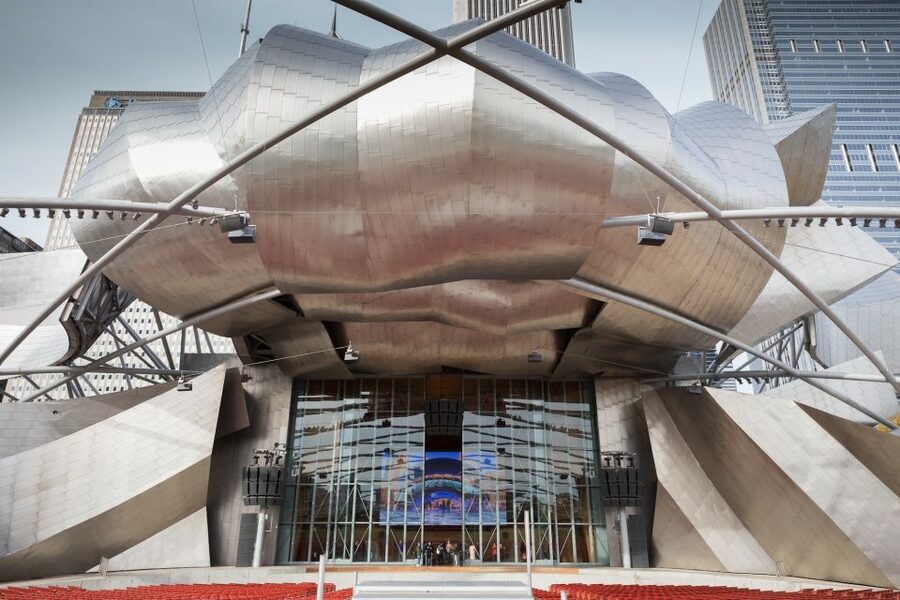
The walk finishes in Millennium Park, a fitting last stop because the park brings buildings, public art, and open space together. After spending most of the tour examining individual structures, you get to consider how architecture works at an urban scale.
This ending gives the tour a change of rhythm. You are no longer looking only at façades or towers. You are thinking about how people move through a public place, how art changes the feel of a city block, and how new design can create a meeting point between the skyline and the street.
It is a strong finish, though you should not expect a long guided visit to every part of the park. The stated route ends with a visit to Millennium Park, so the exact amount of time spent there may depend on the guide and the day. Plan to explore more on your own if the park is high on your list.
What the 90-minute format does well
Ninety minutes is long enough to build a clear story but short enough to fit around other Chicago plans. You can take the tour in the morning, before an afternoon museum visit, or use it as a way to get oriented on your first day downtown.
The compact length also keeps the experience from becoming a lecture. You walk, look, listen, and move on. The tradeoff is depth. Seven stops over 90 minutes means you may not spend much time at any one building, and questions could reduce the time available for the remaining route.
I would choose this tour if you want a strong first look at Chicago architecture. If you want extensive interior access, a building-by-building technical study, or a long specialist discussion, you may need a longer program. The supplied experience does not promise entry into the featured buildings, though the Chicago Architecture Center galleries are included.
Pacing appears to be one of its strongest features. Teresa was specifically appreciated for keeping a comfortable pace and answering questions. That matters on a walking tour. A rushed guide can turn a good route into a march, while a slow lecture may leave you watching the clock. Here, the available feedback points to a useful middle ground, although your exact experience depends on the guide assigned that day.
Price, practical limits, and the value of the ticket
The listed price is $35 per group up to one person. Because that wording is unusual, check the final booking screen carefully to confirm how the price applies to your party. At that rate, the value depends on what you want from a guide.
You are paying for a certified professional guide, the structured route, the explanations at seven stops, and admission to the Chicago Architecture Center galleries. You are also helping support the center’s nonprofit work. Ticket revenue funds education and community projects, including Girls Build!, Teen Fellows, the Newhouse Architecture + Design Competition, and efforts connected with keeping Open House Chicago free.
That community connection gives the ticket more weight than a simple sightseeing charge. It does not replace the need for a good tour, of course. The practical question is whether the guide’s context will help you see more than you would alone. For most first-time visitors interested in buildings, the answer is likely yes.
Food and drinks are not included. There is no hotel transfer, and no storage for luggage or strollers. These are minor issues for a properly planned downtown walk, but they can become awkward if you arrive with bags or a young child’s stroller.
Free cancellation is available up to 24 hours before the tour for a full refund. You can also reserve and pay later, which is helpful when your Chicago schedule may shift. The tour operates rain or shine, so do not assume poor weather will cancel it.
Who will get the most from this walk
I would recommend this experience to a first-time Chicago visitor who wants context before exploring the city alone. It is also a good fit for an architecture fan who wants to compare several major styles without giving up an entire day.
You do not need to know architectural terms in advance. The guide supplies the framework, and the route gives you plenty to look at. The experience also suits repeat visitors. Kathy’s long familiarity with Chicago did not make the tour redundant, and Teresa’s explanations added meaning to places she already knew.
Families and mixed-interest groups may appreciate the 90-minute limit. Architecture lovers get a focused subject, while companions who are less interested can manage a short walk more easily than a long specialist tour. Wheelchair accessibility is listed, though the walk still takes place outdoors and in changing weather.
I would think twice if you dislike walking in bad weather, need luggage storage, or want a tour in another language. The tour is in English only, and it is not designed as a private vehicle-based sightseeing trip.
Should you book the Chicago Icons walking tour?
Book it if you want a compact, well-organized introduction to the way Chicago’s architecture developed from the 1890s to today. The strongest reasons are the range of styles, the seven-stop structure, the links between old and new design, and the chance to finish in Millennium Park.
Go in with realistic expectations. This is a street-level overview, not an interior tour of every landmark, and rain will not stop the walk. If those limits suit your plans, the combination of professional guidance, useful context, and support for Chicago Architecture Center programs makes the $35 listing worth considering. Guides such as Teresa and Ron have shown how much a thoughtful explanation can add, even to someone who already knows the city.
FAQ
Where does the Chicago Icons Guided Architecture Walking Tour begin?
It begins at the Chicago Architecture Center, 111 E Wacker Drive, Chicago, Illinois 60601.
How long does the walking tour last?
The tour lasts 90 minutes.
What architectural styles are included?
The route features 19th-century Commercial, Beaux-Arts, Mid-Century Modern, and Postmodern architecture, along with newer work associated with Frank Gehry, Renzo Piano, and Adrian Smith.
Does the tour finish at Millennium Park?
Yes. The route ends with a visit to Millennium Park, where art and architecture come together in a public urban setting.
Is the tour wheelchair accessible?
Yes, the activity is listed as wheelchair accessible.
What happens if it rains, and can I bring luggage or a stroller?
The tour runs rain or shine. Storage for luggage or strollers is not available.
Just added around Chicago
- Private Chicago Architecture Tour★ 5.0 · 5 reviews
- Chicago Luxury Minibus City Tour and Architecture River Cruise★ 4.5 · 8 reviews
- Private Frank Lloyd Wright Architectural Tour by Luxury Vehicle★ 3.5 · 7 reviews
- Small Group History And Architecture Walking Tour of Chicago★ 4.5 · 8 reviews
- Private Chicago Architecture Walking Tour★ 5.0 · 6 reviews
- Chicago History and Architecture Walking Tour with Boat Cruise★ 4.5 · 10 reviews
- Chicago: Evolution of the Skyscraper Walking Tour★ 4.9 · 10 reviews
- Chicago’s Modern Skyscrapers Guided Walking Tour★ 5.0 · 6 reviews
Walking Tours, compared.
The Official Art Deco Walking Tour by The Miami Design Preservation League
Read our review →
Barcelona: Gothic Quarter Ghosts and Legends Walking Tour
Read our review →
Barcelona: Old Town and Gothic Quarter Walking Tour
Read our review →
Lecce: Baroque Architecture and Underground Walking Tour
Read our review →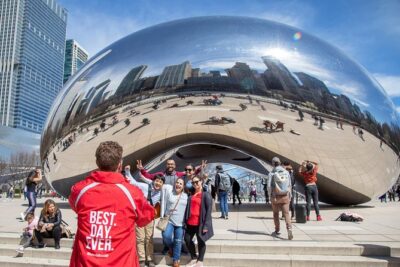
Chicago in a Day: Food, History & Architecture Walking Tour
Read our review →
Ramblas, Old Town, Gothic and Gaudi Architecture Walking Tour
Read our review →
Chicago’s Secret Interiors Architectural Walking Tour
Read our review →Browse the lists this tour appears in