
Review · ROME
Guided Walking Tour of Rome: Top Sights & Baroque Treasures
Rome’s center is best understood on foot, where an ordinary street can open onto a baroque square or a church with a ceiling that seems to float above you. This tour connects Trevi Fountain, the Pantheon, and Piazza Navona in about two hours, while adding smaller historical details that are easy to miss on your own.
I like the small maximum group of 15, which makes it easier to hear a guide in crowded streets. I also like the stop inside St. Ignatius of Loyola, a quiet surprise among Rome’s hundreds of churches. The main drawback is that the Pantheon is viewed from outside, and its entrance fee is not included.
Key points to know
- Two hours on foot: A compact introduction to Rome’s historic center, with plenty of walking and photo stops.
- A useful first-day tour: The route helps you get your bearings so you can return later to places that deserve more time.
- Strong guide feedback: Dan, Anna, Domenica, Paulina, Sila, Vlad, and others are praised for clear storytelling, art knowledge, humor, and crowd management.
- A memorable church interior: St. Ignatius is included for a short visit, with its famous painted ceiling and clever illusion.
- Top sights without major entrance time: Most stops are outdoor landmarks, so the route keeps moving.
- Check the meeting point carefully: One person reported a last-minute location change and trouble finding the group.
Why this two-hour Rome walk works
At $30.25 per person, this is priced as an accessible introduction rather than a full museum tour. You are paying for a local guide, a planned route, and context at several major sights. You are not paying for Pantheon admission, museum entry, food, or transportation.
That distinction matters. Rome’s center is packed with landmarks, but the stories do not always explain themselves. A guide can point out how ancient, Renaissance, and baroque Rome overlap within a few blocks. You get a useful framework, then can return to the Pantheon, Trevi Fountain, or Piazza Navona later.
The route is also efficient. It covers a relatively small part of central Rome, so two hours gives you a solid introduction without taking up half a day. You should still expect steady walking. One visitor described it simply as a good overview with lots of walking and strong photo opportunities.
I would book it early in a Rome visit. Several people found it useful as a first-day activity because it showed them which sights deserved a longer return visit. With an average booking lead time of 47 days, popular dates may fill before your trip.
More Baroque architecture tours in Rome:
- Borghese Gallery Max 6 People Tour: Baroque & Renaissance in Rome
★ 5.0 · 185 reviews - Rome’s Baroque Art Walking Tour: Who Killed Caravaggio?
★ 5.0 · 27 reviews - Renaissance Rome and Baroque Rome
★ 5.0 · 19 reviews
Starting near Palazzo Venezia and Italy’s royal story
The walk begins at Piazza d’Aracoeli, near Via di S. Venanzio. The early part of the route brings in Palazzo Venezia from the outside, along with a piece of Venetian architecture in the middle of Rome.
You also hear about the king connected with the unification of Italy. The exact presentation can vary with the guide, but this part gives you political and architectural context before the route reaches the big fountains and piazzas.
Another exterior stop involves a vast palace described as covering 110,500 square meters, making it one of the world’s largest by area. Since these buildings are viewed from outside, you should think of this section as street-level orientation rather than an interior palace visit.
That is a fair trade for a short walking tour. Rome offers more major buildings than any two-hour route can enter. Seeing them from the street keeps the pace moving and leaves you with a list of places to explore later.
Trevi Fountain: a photo stop with a famous ritual
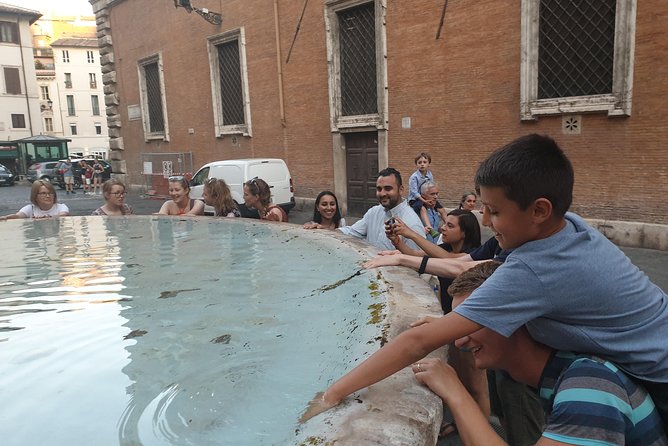
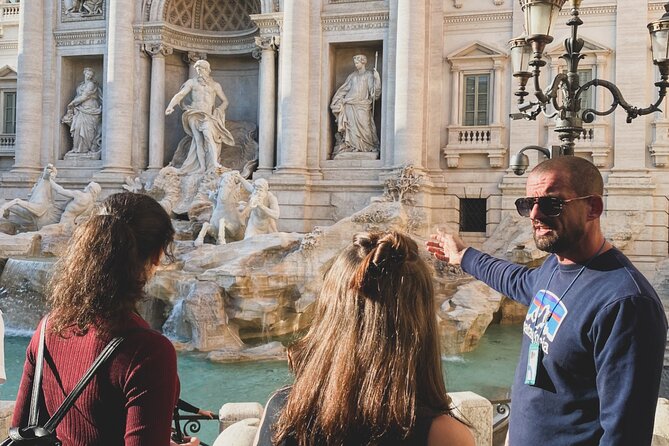
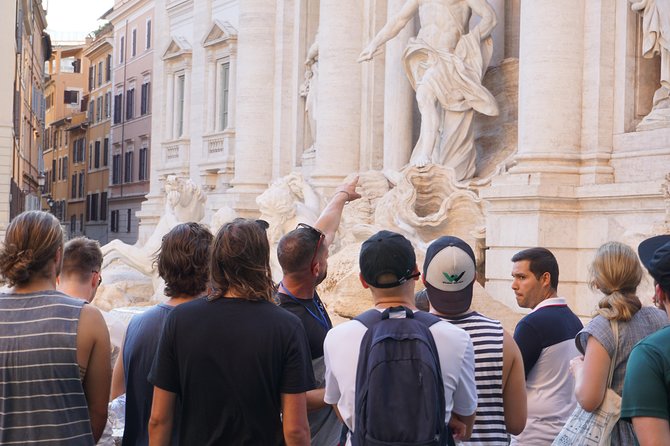
Trevi Fountain receives about 20 minutes, with free admission and time for photographs and the traditional coin toss. This is the kind of stop where a guide helps you appreciate more than the water and crowds.
You can expect a busy scene. The fountain is one of Rome’s best-known landmarks, so your guide’s ability to keep the group together matters. Sila was praised for handling crowds and helping the group move through busy areas, while Sushi was noted for speaking clear English and making sure everyone could hear.
Twenty minutes is enough to see the fountain, take pictures, and learn its basic story. It is not enough for a long architectural discussion or a relaxed pause at the edge of the basin. If you want quiet photographs, you will need to return on your own at another hour.
Still, Trevi works well early in the route. You see a major Roman landmark, learn the essential background, and keep moving before the stop begins to feel crowded and tiring.
St. Ignatius of Loyola and Rome’s painted illusion
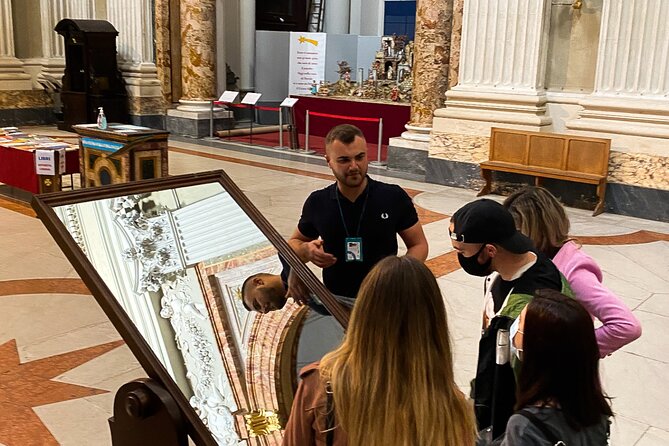
The Church of St. Ignatius of Loyola is one of the most appealing parts of this experience. The group spends about five to ten minutes inside, which may sound brief, but the church rewards a quick look upward.
Its ceiling fresco creates the illusion of architecture extending into the sky. The painting uses perspective to make a flat surface appear open and three-dimensional. You do not need an art degree to enjoy the effect. A guide who knows where to direct your eyes makes the visit much better.
This stop also shows why a walking tour can be more useful than a checklist of famous monuments. Rome has more than 900 churches, and only a small number receive attention on a short route. St. Ignatius earns its place because the interior offers something different from the fountains and ancient stone outside.
Guides such as Domenica and Sila received special praise for explaining art and architecture without burying the group in facts. That is the right approach here. You want the story behind the illusion, then enough time to look around.
More architecture walks in Rome:
- City Walk with Architect: Private walking tour of Rome
★ 5.0 · 22 reviews - Rome Baroque: Fountains and Squares Private Walking Tour
★ 5.0 · 7 reviews - Moonlight Walking Tour in the Heart of the Imperial & Baroque Rome
★ 5.0 · 5 reviews - Rome: Renaissance & Baroque Walking Tour
★ 5.0 · 2 reviews
The Pantheon from outside
The Pantheon is given roughly 30 minutes, the longest scheduled stop. You see the building from outside, and the entrance fee is not included.
That limitation is important. If entering the Pantheon is high on your list, budget extra time and the admission cost separately. This tour does not replace an interior visit.
Even from the piazza, the building makes a strong impression. The ancient structure is associated with Emperor Hadrian, and its vast dome remains one of Rome’s great architectural achievements. The central opening, the heavy portico, and the contrast between the ancient building and the surrounding square give your guide plenty to explain.
Thirty minutes lets you understand the basic design and take photographs without rushing. It also gives the guide time to explain why the dome has fascinated architects for centuries. You may leave with more questions than answers, which is a good reason to return inside later.
The Pantheon stop is especially useful for first-time visitors. You get historical context while standing in the heart of the city, rather than simply passing the building and wondering what makes it important.
A story about rivalry near the baroque center
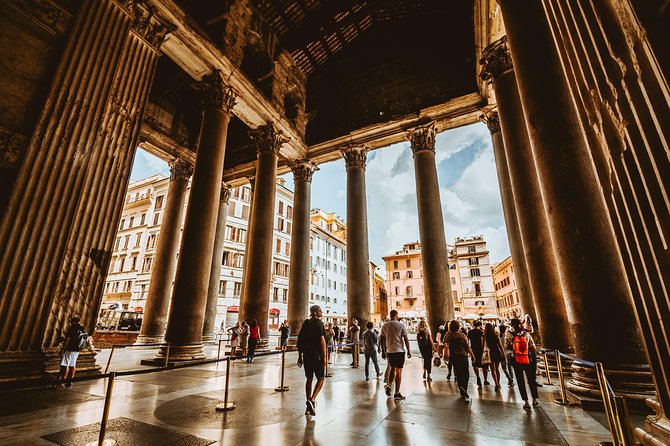
The route includes a brief explanation of a feud between artists connected with a beautiful church. This is the sort of small story that gives Rome’s baroque monuments a human edge.
The city’s fountains and facades can seem like a parade of grand names. Rivalries, competing commissions, and artistic egos make the period easier to follow. Instead of seeing a church only as decoration, you begin to notice how ambition and competition shaped the city.
The exact details depend on the guide and the pace of the group. Guides praised for art history, including Sila and Dan, appear well suited to this part of the walk. Dan was also praised for combining historical information with Italian culture and practical suggestions for places to eat and visit afterward.
Bernini’s Four Rivers Fountain
At Fontana dei Quattro Fiumi, the group spends about 10 minutes seeing Gian Lorenzo Bernini’s work. The fountain sits in the center of Piazza Navona and is one of the clearest examples of Rome’s baroque style.
Ten minutes is enough for an explanation and photographs. Look for the drama of the figures, the movement of the sculpted forms, and the way the fountain works as the square’s visual center. Your guide can also explain how the work fits into the rivalry between leading artists of the period.
This is a short stop, but it connects several threads from the walk: public art, papal Rome, competition, engineering, and spectacle. That is where the tour earns its modest price. You are not only seeing a fountain. You are learning how to read it.
Piazza Navona finishes the route
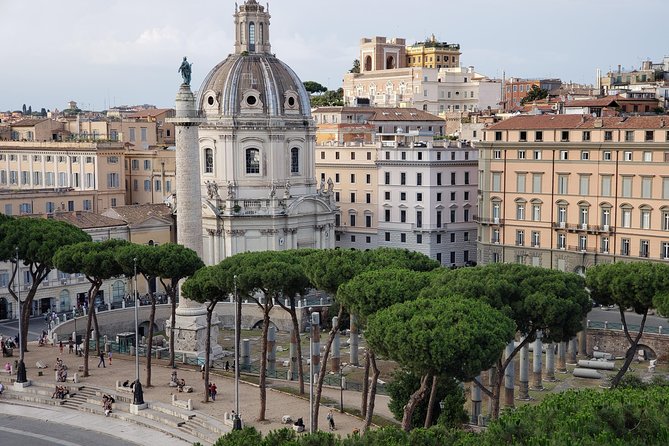
The tour ends at Piazza Navona, with about 20 minutes to admire its fountains and baroque buildings. The square is long, open, and easy to remember, making it a useful endpoint after the tighter streets around Trevi and the Pantheon.
The group focuses on the square’s famous fountains, including Bernini’s Four Rivers Fountain. You should have time for pictures and a final explanation before the tour ends.
Piazza Navona is also a practical place to finish. Restaurants, bars, and rooftop venues surround the square, though a view comes with a price and not every nearby restaurant offers the best value. The guide can point you toward places to eat and drink, which is useful after a walking route.
From here, you can continue exploring central Rome or return to one of the earlier stops. Ending at Piazza Navona gives you options instead of leaving you beside a transit hub with nothing nearby.
The guides shape the experience
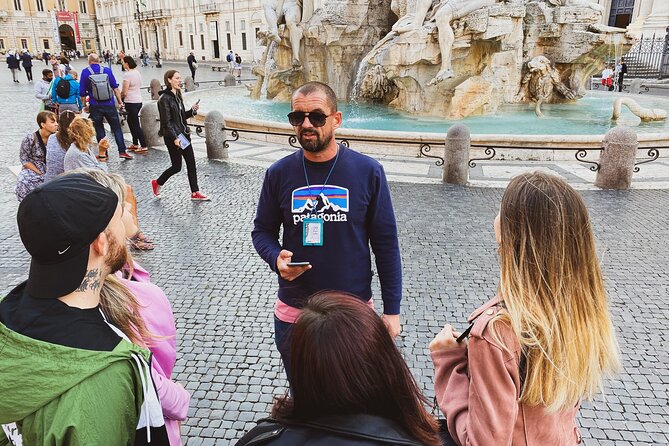
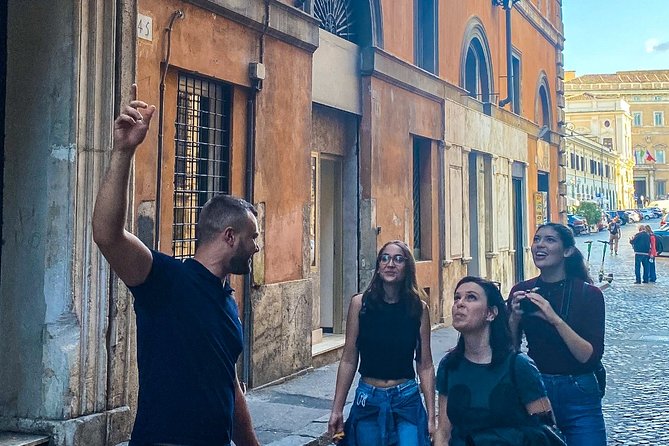
The guide is the most important variable on a short walking tour. The strongest feedback centers on clear explanations, humor, flexibility, and a real interest in Roman art and history.
Dan is praised for strong storytelling, passion for Italian art, and suggestions for later meals and visits. Anna is described as patient with questions and thorough without losing the group. Domenica earned praise for explaining sights before reaching noisy areas, a small but smart habit that helps everyone hear.
Paulina is praised for flexibility with a large family group and for making the city’s stories feel magical. Sila is noted for art history, crowd awareness, and practical tips. Vlad receives praise for explaining the background behind iconic landmarks, while Éléonora is associated with well-paced storytelling and a suitable amount of historical information.
Names can vary by departure, so you should not book on the assumption that one particular guide will lead your tour. The pattern is still useful: this experience depends heavily on the person carrying the story. The available feedback points to guides who can adjust their pace, answer questions, and keep a group moving.
Group size, pace, and practical comfort
The maximum group size is 15. That is small enough to feel more personal than a large coach-style walk, but it is not a private tour. You may still need to stay close to the guide in busy streets and piazzas.
A good pair of walking shoes is essential. The route includes several outdoor squares and central streets, and one direct assessment notes lots of walking. The tour is offered in English and has a mobile ticket, which keeps the booking process simple.
The experience requires good weather. If poor weather cancels it, you are offered another date or a full refund. Rain does not always ruin Rome, but wet stone, crowded umbrellas, and reduced visibility can make a walking tour less pleasant. One guide still received praise for keeping the experience enjoyable in rain, but you should check the forecast and dress sensibly.
Service animals are allowed, the route is near public transportation, and most people can participate. The information does not provide detailed step-free access, so if you need specific mobility arrangements, ask before booking.
Pay close attention to the meeting point. The stated start is Piazza d’Aracoeli, Via di S. Venanzio 8. One person had trouble after a last-minute meeting-point change and found the instructions unclear. That appears to be an exception, but I would still check your confirmation on the day and arrive early.
Who should book this Rome walk?
I would recommend it to a first-time visitor who wants the city’s central sights explained in one compact outing. It is also a good choice if you enjoy history, architecture, church interiors, and stories about artists competing for attention.
Families can benefit from the short format, especially if the guide keeps the pace lively. The small group also helps a large family stay organized. People who ask many questions should appreciate guides who are willing to stop and explain.
This is less suitable if you want long interior visits, museum access, or a slow photography walk. The Pantheon is exterior only, and the church visit is brief. You will also need to accept the pace of a group route.
Should you book it?
Book this tour if you want a low-cost orientation to central Rome with a strong mix of ancient buildings, fountains, churches, and baroque stories. At $30.25, it offers good value for a two-hour introduction, especially when the guide adds practical suggestions for the rest of your stay.
Skip it if you already know the historic center well or want to spend serious time inside the Pantheon and other monuments. For most first visits, though, the route makes sense: take the walk early, note the places that deserve a second visit, then return at your own pace.
Free cancellation is available until 24 hours before the start time. Within 24 hours, the fee is not refunded, and late changes are not accepted.
FAQ
How long is the Guided Walking Tour of Rome?
The tour lasts approximately two hours.
What sights are included?
The route includes exterior views of Palazzo Venezia and other historic buildings, Trevi Fountain, the Church of St. Ignatius of Loyola, the Pantheon from outside, Fontana dei Quattro Fiumi, and Piazza Navona.
Is admission to the Pantheon included?
No. The tour views the Pantheon from outside, and entrance is not included.
Is the church of St. Ignatius included?
Yes. The group spends about five to ten minutes inside the Church of St. Ignatius of Loyola.
What language is the tour offered in?
The tour is offered in English.
How large is the group?
The maximum group size is 15 people.
Where does the tour end?
The tour ends in Piazza Navona.
Is the tour suitable in poor weather?
The experience requires good weather. If it is canceled because of poor weather, you can choose a different date or receive a full refund.
What is the cancellation policy?
You can cancel at least 24 hours before the start time for a full refund. Cancellations or changes made within 24 hours are not accepted and are not refunded.
Just added around Rome
- Vatican: Exclusive Baroque Evening With Aperitivo & Dinner★ 3.1 · 2 reviews
- Rome Pantheon Highlights From Ancient Rome to Baroque★ 5.0 · 5 reviews
- Borghese Gallery Private Tour: The Greatest Baroque Masterpieces★ 5.0 · 6 reviews
- Private Baroque Tour: Discover Bernini & Caravaggio’s Best Works★ 5.0 · 3 reviews
- Private Personalized Architecture Tour of Rome with an Architect★ 5.0 · 5 reviews
- New Year’s Baroque Concert at Doria Pamphilj Palace★ 5.0 · 2 reviews
- Rome Baroque: Fountains and Squares Private Walking Tour★ 5.0 · 7 reviews
- Renaissance Rome and Baroque Rome★ 5.0 · 19 reviews
Baroque Architecture Tours, compared.
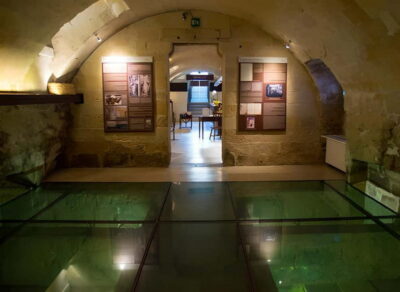
Lecce: Baroque Architecture and Underground Walking Tour
Read our review →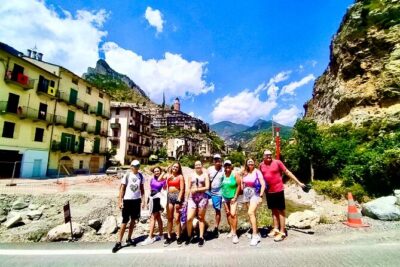
Train Exp. through the Alps (Royal Baroque Route from Nice)
Read our review →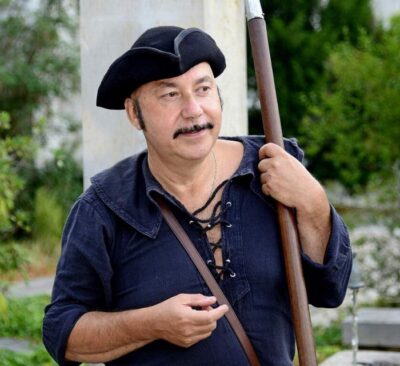
Dresden: Tour of the Baroque Quarter with a Night Watchman
Read our review →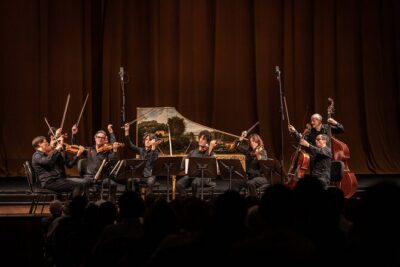
Interpreti Veneziani Ensemble Baroque Concert in Venice Ticket
Read our review →
Borghese Gallery Max 6 People Tour: Baroque & Renaissance in Rome
Read our review →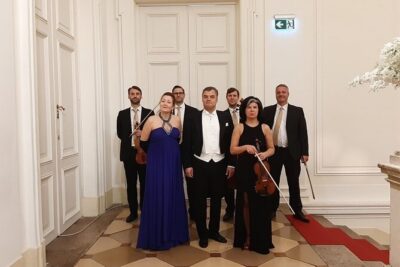
Concert at the Palais Schönborn-Batthyány by the Vienna Baroque Orchestra
Read our review →
Noto, Modica and Ragusa: The Baroque Tour from Catania
Read our review →
Catania: Noto, Modica and Ragusa Ibla Baroque Tour
Read our review →Browse the lists this tour appears in