
Review · ROME
Private Baroque Tour: Discover Bernini & Caravaggio’s Best Works
Rome’s Baroque art is often hiding in plain sight. This three-hour private walk leads you from the Spanish Steps through churches, squares, and fountains where Bernini, Caravaggio, Raphael, and Michelangelo shaped the city’s artistic character. The painted dome at St. Ignatius is the tour’s great visual trick, while the Caravaggio paintings near Piazza Navona give the walk real artistic weight.
I like the flexible morning or afternoon start, and I like having one guide for a small private group rather than trying to make sense of church art alone. Guides named Chiara, Laura, and Marzia have led this experience, with praise focused on clear explanations, kind attention, and a well-paced route. The main catch is the price, $332.14 per person, which makes the tour best value for a group that wants personal attention rather than a budget introduction to Rome.
Key points to know before booking
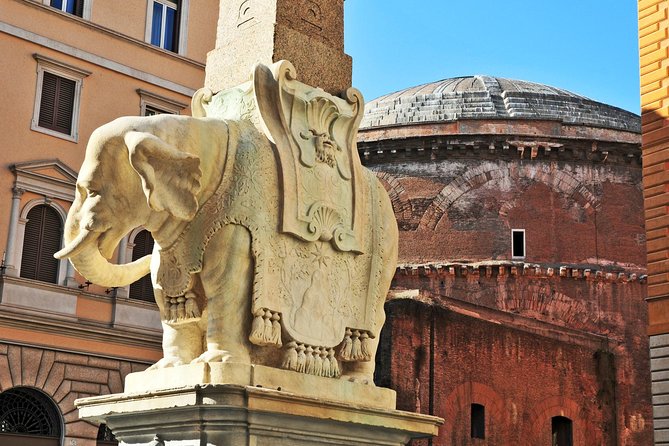
- Bernini appears in unexpected places: Look for his angels at Sant’Andrea delle Fratte, the elephant near Santa Maria sopra Minerva, and the Fountain of the Four Rivers in Piazza Navona.
- St. Ignatius offers the tour’s best visual surprise: Its painted ceiling creates the illusion of a full dome.
- Caravaggio is a major focus: The Church of St. Louis of the French contains some of his most important Roman works.
- The route is a walking tour, not a museum visit: You move between churches and public squares, with no food or drinks included.
- Dress rules matter: Knees and shoulders must be covered for entry into places of worship and selected museums.
- The private format costs more: You get a flexible, personal experience, but the price is high compared with a standard group walk.
Why this private Baroque walk works in Rome
Ancient Rome gets most of the attention, but central Rome is also an open-air lesson in Renaissance and Baroque art. The useful part of this tour is the way it connects works that you might otherwise see as separate stops. A guide can explain why Bernini’s sculpture, Caravaggio’s dramatic painting, and a church’s architecture belong to the same larger story of Roman art.
I like the fact that the route uses ordinary city streets and active public squares. You do not spend three hours in one museum. Instead, you walk from the Spanish Embassy near the Spanish Steps toward the Trevi Fountain, St. Ignatius, Santa Maria sopra Minerva, and Piazza Navona.
The private setup should also help if you want to ask questions. Guides such as Chiara, Laura, and Marzia have been praised for a warm manner and strong explanations. That matters in churches, where the most important details may be easy to miss: a sculpted gesture, a painted illusion, or the location of a Caravaggio canvas in a side chapel.
The route lasts about three hours. That is enough time for a solid introduction, but not enough for long visits at every stop. You should think of it as a focused walking tour with art stops, not a slow study tour for specialists.
More Baroque architecture tours in Rome:
- Borghese Gallery Max 6 People Tour: Baroque & Renaissance in Rome
★ 5.0 · 185 reviews - Guided Walking Tour of Rome: Top Sights & Baroque Treasures
★ 5.0 · 155 reviews - Rome’s Baroque Art Walking Tour: Who Killed Caravaggio?
★ 5.0 · 27 reviews
Starting at the Spanish Steps and Piazza di Spagna
You meet your guide at Piazza di Spagna, in front of the Spanish Embassy by the Spanish Steps. The available start times are 9am and 2:30pm, so you can fit the walk around a morning or afternoon plan.
The Spanish Steps are one of Rome’s busiest meeting areas, and the exact meeting point matters. Give yourself enough time to identify the Spanish Embassy and avoid arriving at the base of the steps without knowing where to go.
Your guide sets the artistic theme here: Michelangelo, Raphael, Bernini, and Caravaggio. The walk is not limited to one period, even though Baroque Rome is the main subject. You will hear about the Renaissance foundations that shaped the later work.
The starting area is convenient for public transportation, and the tour ends near Piazza Navona. That makes it easy to continue sightseeing afterward. You are not returned to the starting point, so plan your day around finishing in central Rome rather than near the Spanish Steps.
Trevi Fountain adds a classic Roman pause
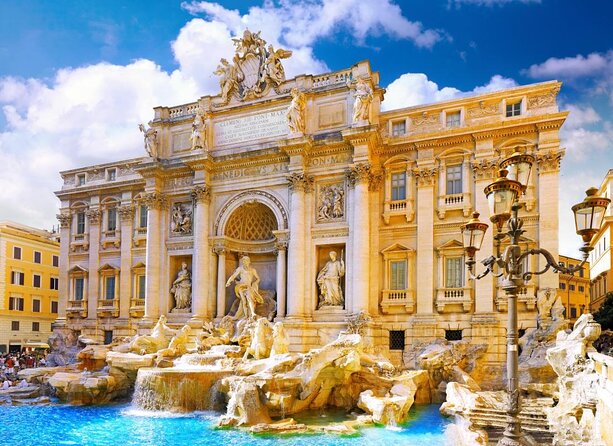
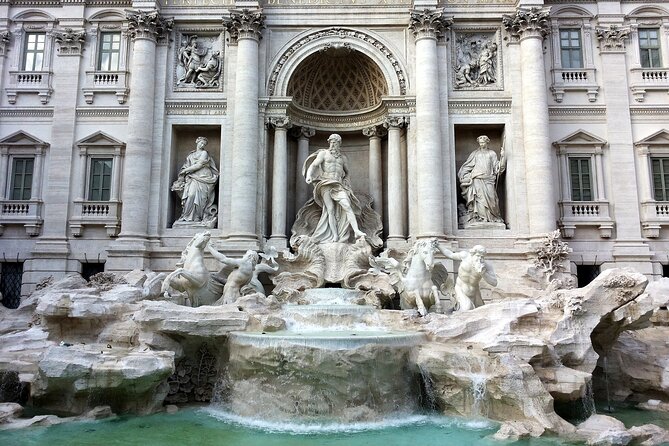
The walk continues to the Trevi Fountain, one of Rome’s most familiar sights. The fountain is not the main art stop of the tour, but it gives the route a change of pace between churches.
You will have time to look at the fountain and hear the familiar coin-toss custom. The planned stop is about 20 minutes, which is enough for a look and some photographs, though the area can feel crowded.
I see this stop as a useful piece of orientation rather than a reason to book the experience. If you have already spent time at Trevi, your guide can help connect the fountain to Rome’s grand public art tradition, but the churches later in the walk are more distinctive.
St. Ignatius and the painted dome illusion
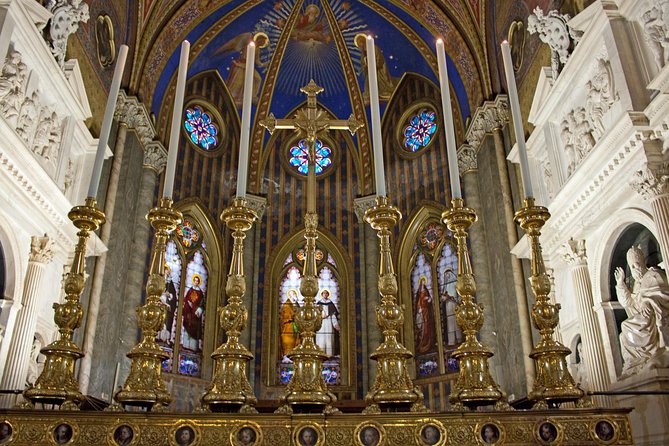
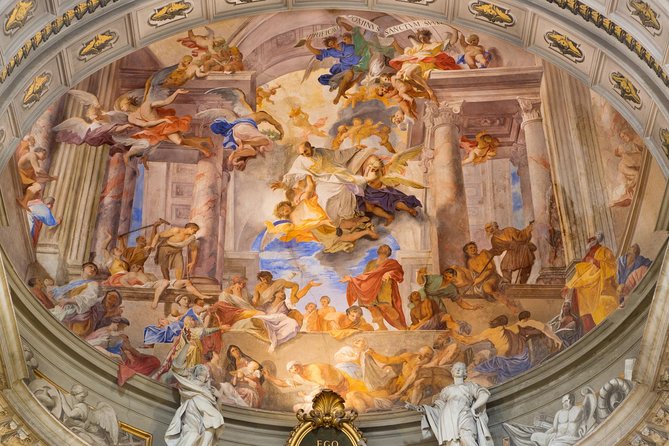
The Church of St. Ignatius of Loyola is the tour’s most memorable architectural trick. Its ceiling uses painted perspective to create the appearance of a dome, even though the effect is not what your eyes first assume.
This is a good example of why a guide helps. If you simply walk into the church, you may see a grand ceiling but miss how the perspective works. Your guide can direct your attention to the viewpoint and explain how the illusion changes as you move.
The church is paired with nearby Piazza Sant’Ignazio. The square gives you a chance to look at the church from outside and understand its setting. The stop is listed at about 20 minutes, so expect a focused explanation rather than a long architectural study.
I especially like this part for visitors who are not art experts. You do not need a technical background to appreciate a clever visual effect. It is immediate, surprising, and easy to remember after the tour ends.
More private architecture tours in Rome:
- City Walk with Architect: Private walking tour of Rome
★ 5.0 · 22 reviews - Rome: Caravaggio and Baroque Art Private Guided Tour
★ 4.4 · 11 reviews - Rome Baroque: Fountains and Squares Private Walking Tour
★ 5.0 · 7 reviews - Borghese Gallery Private Tour: The Greatest Baroque Masterpieces
★ 5.0 · 6 reviews
Santa Maria sopra Minerva and Bernini’s elephant
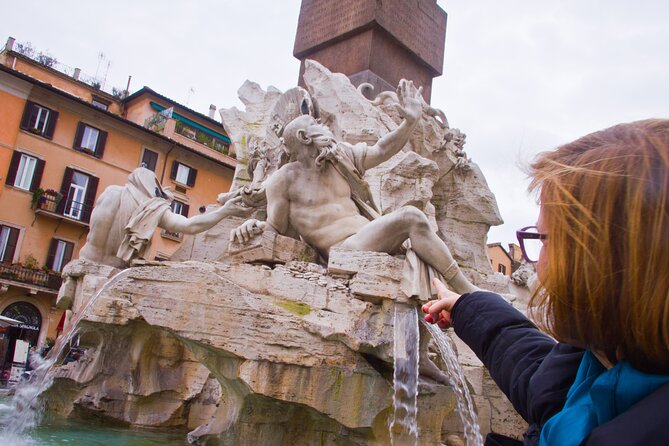
The route next reaches Santa Maria sopra Minerva and the square in front of it. Here, the small elephant sculpture by Bernini is the star. The elephant supports an ancient Egyptian obelisk, creating one of Rome’s oddest and most charming public monuments.
This stop shows Bernini in a different mood from the grand fountains and theatrical sculptures often associated with him. The elephant is playful, but it also carries a serious ancient object. Your guide can help you read the relationship between the animal, the obelisk, and the church behind it.
The church itself is included in the route, with its art and architecture forming part of the visit. As with the other churches, entry depends on the building being open and on your clothing meeting the required dress code.
The nearby square is a pleasant place to pause, but do not expect a long break. The schedule gives roughly 20 minutes here. You will see the key feature and receive context before moving on.
Caravaggio at St. Louis of the French
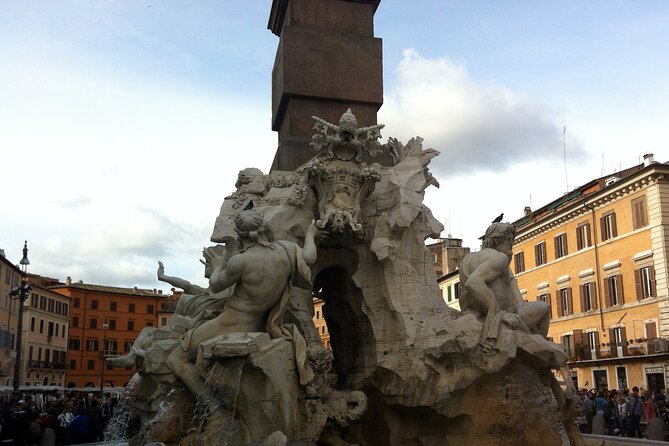
For many people, the strongest artistic section comes at the Church of St. Louis of the French near Piazza Navona. This church is associated with Caravaggio, and the tour highlights his paintings along with works by other major artists encountered along the way.
Caravaggio’s Roman paintings are valued for their forceful light, direct human figures, and dramatic scenes. You should allow yourself a quiet moment here, even if the guide is explaining the work. The paintings reward close looking, and a short visit can still leave a lasting impression.
This is also where the tour’s focus becomes more than a checklist of famous names. Caravaggio’s work feels different from Bernini’s sculpture and St. Ignatius’s optical illusion. A private guide can compare those approaches and show how each artist created drama through a different medium.
The church is a working place of worship, not a private gallery. Entry can be affected by services or unexpected closures. The provider says a similar highlight may replace a closed site, but you should not book this expecting every interior to be guaranteed at every hour.
Piazza Navona and the Fountain of the Four Rivers
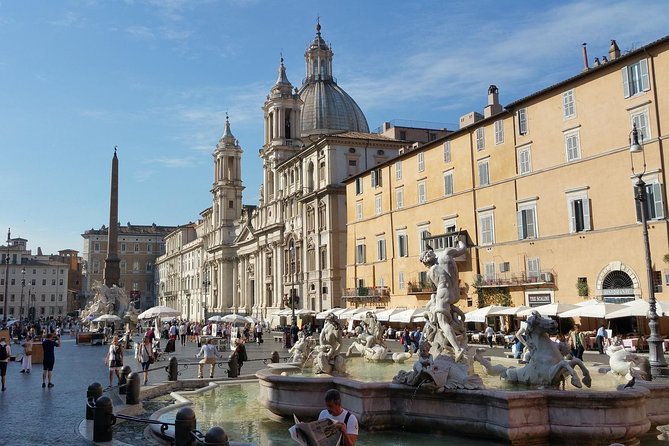
The walk ends at Piazza Navona, one of Rome’s most famous squares. Its central Fountain of the Four Rivers is another major Bernini work and gives the tour a strong finish.
Piazza Navona is large, open, and full of visual detail. The fountain’s figures and rock forms are best understood with some explanation, especially if you want to know how Bernini used movement and symbolism in a public monument.
Ending here is practical. You can remain in the square, find food nearby, or continue toward other central sights. The guide does not provide food or drinks, so plan your own refreshment before or after the walk.
The listed route also includes the Church of St. Andrew of the Fratte, where you can see Bernini-sculpted angels. Since the detailed stop list emphasizes the Spanish Steps, Trevi, St. Ignatius, Santa Maria sopra Minerva, St. Louis of the French, and Piazza Navona, ask at booking how the church fits into the exact route on your chosen date.
What the private format is worth
At $332.14 per person, this is not a low-cost way to see central Rome. The value depends on your group size and your priorities.
For one or two people, the cost is substantial. For a larger private group, the personal format may make more sense, especially if the price changes with group discounts. You should confirm the exact total before booking.
The strongest value comes from the guide’s attention. You can ask about a painting, pause at a sculpture, or request more detail on architecture without waiting for a large group. The route also remains more flexible than a fixed group outing.
Still, the tour covers many stops in three hours. If you want long periods inside each church or time to sketch, photograph, or study every painting, this will feel rushed. I would choose it for interpretation and range, not for exhaustive art inspection.
Entrance fees are not included if any are requested, although the listed churches and public squares are generally presented as the main stops. Food and drinks are also not included. The tour is offered in all weather, so comfortable shoes and suitable clothing are sensible.
Walking, clothing, and church access
You need a moderate level of fitness. The route involves a fair amount of walking through central Rome, with no promise of a return vehicle to the starting point. Anyone with limited mobility should consider this carefully before booking.
The churches require respectful clothing. Your knees and shoulders must be covered, for both men and women, and shorts or sleeveless tops can lead to refused entry.
This rule is easy to overlook in warm weather. I would carry a light layer or scarf rather than risk missing one of the most important interiors. The clothing requirement applies to places of worship and selected museums, not just one church.
Churches can close without notice for religious reasons. If a stop is unavailable, the provider says it may be replaced with a similar highlight. That is a practical safeguard, but it cannot guarantee access to a particular Caravaggio, Bernini sculpture, or interior on your date.
The guide makes the biggest difference
The strongest praise for this experience centers on the guides. Chiara has been described as insightful, kind, and highly informed. Laura is associated with a well-paced walk that explains art and sculpture without turning the visit into a lecture. Marzia has been praised for expressing genuine joy and feeling for each work.
Those details help set expectations. You are not simply being led from one address to another. The guide’s role is to turn a group of churches into a connected story.
Because this is private, guide quality matters even more. A good guide will adjust the pace and explain the details that interest you. If you care most about Caravaggio, tell the guide early. If you prefer architecture, ask for more attention to perspective, church design, and public squares.
The guides named above may not be assigned to every departure. Their inclusion gives you useful examples of the tone and skill associated with the experience, but you should not assume a particular guide unless the provider confirms it.
Who should book this Rome art tour
I would recommend this walk to you if you enjoy art but do not want to spend an entire day in museums. It works especially well for a first visit to Rome when you want to see famous public sights and lesser-known church interiors in one outing.
It also suits couples, families with older children, and small groups who value flexibility. The route offers enough variety to keep the walk moving, while the private format lets you ask questions along the way.
Art and architecture fans will get the most from it, particularly if Bernini and Caravaggio are high on your list. You will also appreciate it if you want to understand how Renaissance and Baroque artists shaped central Rome.
I would hesitate if you dislike walking, need a guaranteed schedule inside every church, or want a cheap overview. The price is hard to justify if you only want photographs of the Trevi Fountain and Piazza Navona. Those sights are free to see on your own.
My booking advice
I would book this tour if you want a focused, personal introduction to Rome’s church art and can afford the private price. The painted dome at St. Ignatius, Bernini’s elephant, the Caravaggio works at St. Louis of the French, and the final walk through Piazza Navona make a strong three-hour route.
Before paying, confirm the group discount, the exact church schedule, and how Sant’Andrea delle Fratte fits into your departure. Wear clothing that covers your shoulders and knees, and arrive ready for a moderate amount of walking.
If you prefer a slower visit, plan to return later to the churches that interest you most. This tour gives you the map, the context, and the key works. It is up to you to decide which ones deserve a second look.
FAQ
How long does the private Baroque tour last?
The tour lasts approximately three hours.
What start times are available?
You can choose a 9am or 2:30pm start.
Where does the tour begin?
The meeting point is Piazza di Spagna, in front of the Spanish Embassy near the Spanish Steps.
Where does the tour end?
The tour ends in Piazza Navona in central Rome.
Is the tour private?
Yes. Only your group participates in the private tour.
What should I wear to enter the churches?
Your knees and shoulders must be covered. Shorts and sleeveless tops are not allowed, and you may be refused entry if you do not follow the dress requirements.
Are food, drinks, and entrance fees included?
Food and drinks are not included. Entrance fees are also not included if any are requested.
Just added around Rome
- Vatican: Exclusive Baroque Evening With Aperitivo & Dinner★ 3.1 · 2 reviews
- Rome Pantheon Highlights From Ancient Rome to Baroque★ 5.0 · 5 reviews
- Borghese Gallery Private Tour: The Greatest Baroque Masterpieces★ 5.0 · 6 reviews
- Private Personalized Architecture Tour of Rome with an Architect★ 5.0 · 5 reviews
- New Year’s Baroque Concert at Doria Pamphilj Palace★ 5.0 · 2 reviews
- Rome Baroque: Fountains and Squares Private Walking Tour★ 5.0 · 7 reviews
- Renaissance Rome and Baroque Rome★ 5.0 · 19 reviews
- Moonlight Walking Tour in the Heart of the Imperial & Baroque Rome★ 5.0 · 5 reviews
Baroque Architecture Tours, compared.
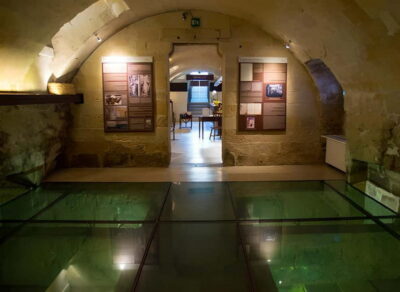
Lecce: Baroque Architecture and Underground Walking Tour
Read our review →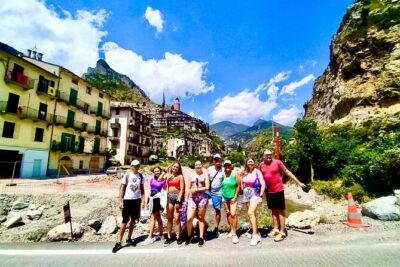
Train Exp. through the Alps (Royal Baroque Route from Nice)
Read our review →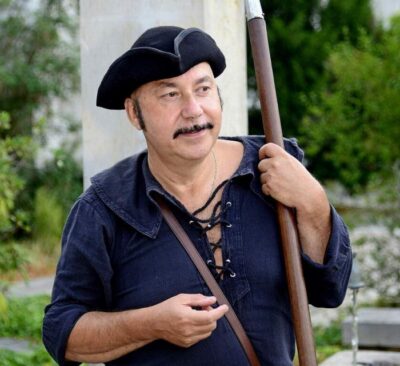
Dresden: Tour of the Baroque Quarter with a Night Watchman
Read our review →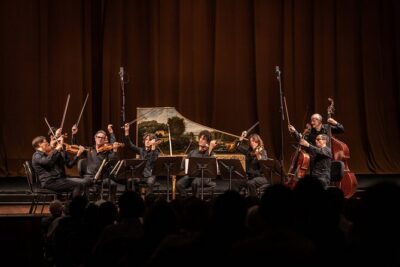
Interpreti Veneziani Ensemble Baroque Concert in Venice Ticket
Read our review →
Borghese Gallery Max 6 People Tour: Baroque & Renaissance in Rome
Read our review →
Concert at the Palais Schönborn-Batthyány by the Vienna Baroque Orchestra
Read our review →
Guided Walking Tour of Rome: Top Sights & Baroque Treasures
Read our review →
Noto, Modica and Ragusa: The Baroque Tour from Catania
Read our review →Browse the lists this tour appears in