
Review · ROME
Private Personalized Architecture Tour of Rome with an Architect
Rome’s best architecture is not confined to one ancient ruin. It appears in a painted church ceiling, a Baroque fountain, a theater reused as a medieval home, and a Roman temple still standing in the middle of a modern street. This private tour gives you an architect’s view of that long story, with guide Bado leading the way in English.
I like the personal route and the chance to ask questions without a large group moving you along. I also like the mix of famous stops and less obvious ones, especially the Portico of Octavia, Teatro di Marcello, and Santa Maria in Aracoeli. The main consideration is that the advertised route needs clarification: the tour says Colosseum admission is included, yet the itinerary says you will not enter it.
Key points to know before booking
- Architect-led and private: Your guide can adjust the emphasis to your interests, with Bado praised for his architectural and historical expertise.
- A wide Roman sweep: In one outing, you cover the Spanish Steps, Pantheon, Trevi Fountain, ancient theaters, churches, and the Colosseum.
- Church architecture matters here: The route includes Sant’Ignazio, Santa Maria in Aracoeli, and Santa Maria in Trastevere, so this is not only an ancient-Rome tour.
- Pantheon entry costs extra: The interior visit is optional, and the admission price is listed as €5, with possible waiting time.
- The Colosseum arrangement is unclear: The inclusions list an €18 entrance ticket and €2 reservation fee, while the stop description says there is no arena entry.
- Good for a tight schedule: The planned experience lasts about 3 hours and 40 minutes, ending near major transport links at the Colosseum.
Why an architect’s view changes Rome
A standard Rome sightseeing walk can leave you with a stack of famous names and a blur of dates. An architect can help you notice how a building works, why a church seems larger than it is, or how an ancient theater later became part of a private residence.
That focus suits Rome unusually well. The city is a pileup of building eras, often in the same block. A Roman monument may have a medieval alteration, a Renaissance church nearby, and a Baroque façade across the street. Your guide’s specialist interest in church architecture is useful here, especially inside Sant’Ignazio and the two basilicas.
The private format is important. You and your group can ask for more detail about construction, decoration, or urban planning instead of listening to a fixed speech meant for a mixed crowd. You can also shape the balance. If churches are your priority, say so. If ancient engineering matters more, ask for extra attention at the Pantheon, Teatro di Marcello, and Colosseum.
The tour is offered in English and costs $113.56 per person. That price makes the most sense for a small private group that wants expert attention. For one person, it is a significant fee. For several people sharing the experience, the value improves, especially since the tour is tailored rather than a basic point-to-point walk.
More private architecture tours in Rome:
- City Walk with Architect: Private walking tour of Rome
★ 5.0 · 22 reviews - Rome: Caravaggio and Baroque Art Private Guided Tour
★ 4.4 · 11 reviews - Rome Baroque: Fountains and Squares Private Walking Tour
★ 5.0 · 7 reviews
Starting above the Spanish Steps
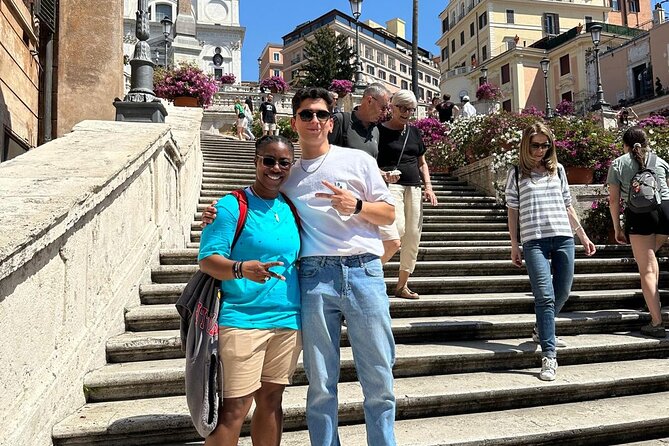
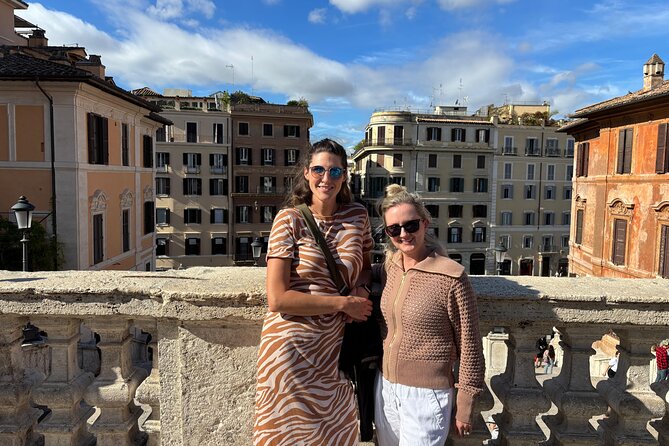
The meeting point is Piazza di Spagna, with the tour beginning at the Spanish Steps. You climb toward Trinità dei Monti, where the raised position gives you clear views over central Rome and a good chance to take photographs.
The opening stop lasts about 20 minutes and requires no admission ticket. That is enough time to get your bearings and hear why the steps and church matter, but not enough for a long architectural study. If you have mobility concerns, note that the first activity includes ascending the steps, and the tour is primarily a walking experience.
Starting here is practical. The Spanish Steps are easy to recognize, and the area connects naturally to the Pantheon, Trevi Fountain, and other central sights. Pickup is also offered, though the meeting instructions ask you to contact the guide using the provided phone number and email. Confirm the exact pickup arrangement before the day of the tour.
The Pantheon, with one important ticket detail
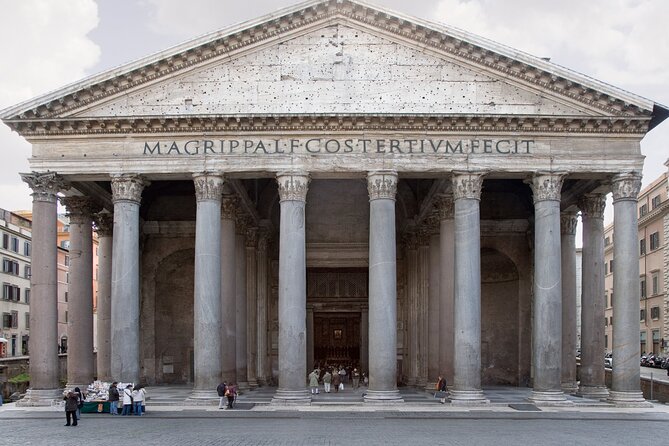
The Pantheon is the first major interior stop. This is where an architect’s explanation can add real value. The building’s scale, structure, and famous opening in the dome are easier to appreciate when someone points out how the parts relate instead of giving you only a date and a name.
The planned visit lasts about 20 minutes. That is short, particularly if there is a queue. The tour information warns that you may face a long wait, and the admission fee is not included. It lists the Pantheon ticket at €5, paid at the ticket area.
I would settle the Pantheon plan before setting out. Ask if the guide will wait while you enter, and ask how a long line affects the rest of the route. If your priority is the building’s interior, the visit may take more than the scheduled 20 minutes. If you prefer to keep moving, you can focus on the exterior and use the guide’s explanation from the square.
Sant’Ignazio and Rome’s trick of the eye
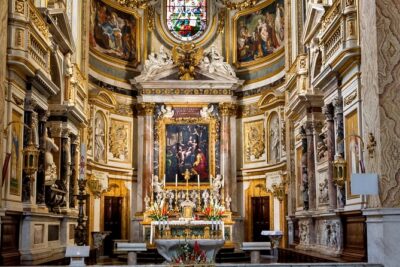
Chiesa di Sant’Ignazio di Loyola receives about 10 minutes, with free admission. The church is included for its decoration and architectural interest, as well as a famous mirror that makes a popular photo and video point.
The mirror can have a line, so the time here may be tight. It is worth understanding that this stop is not simply a quick church entrance. Sant’Ignazio is one of the places where Rome plays with perspective and visual space, making a flat painted surface appear far deeper than it really is.
This is also the clearest sign that the tour leans toward church design. If you want a route built mainly around ruins and imperial monuments, tell Bado at the start. If you enjoy interiors, painted ceilings, and unusual architectural effects, this short visit may be one of the most memorable parts.
A few more architecture tours around Rome worth a look
- Discover Coppedè in Rome: Liberty architecture, symbols, and jewels
★ 5.0 · 2 reviews - Chicago Architecture River Cruise
★ 5.0 · 15,756 reviews - Chicago River 90-Minute Architecture Tour
★ 4.5 · 9,629 reviews - Chicago River: 1.5-Hour Guided Architecture Cruise
★ 4.8 · 8,046 reviews
Trevi Fountain and the cost-free classic
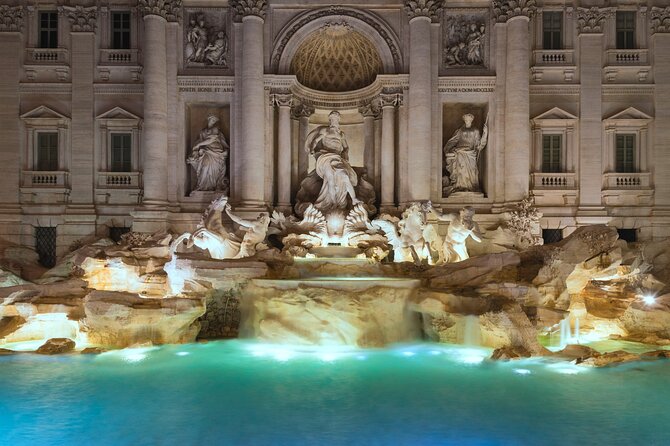
The Trevi Fountain gets about 10 minutes and has no admission fee. You will see the sculpted figures, cascading water, and curved Baroque design, with time for the familiar coin-tossing tradition and photographs.
Ten minutes is enough for an introduction, not a leisurely visit. The area can be crowded, and the fountain is a place where you may need to move aside quickly for other people. Your guide can point out the main design features, but the stop is not built for a long lecture.
I like having this famous sight in the route because it breaks up the heavier architectural material. You get a short, lively pause before the larger monuments later in the day. Keep personal belongings secure in crowded areas, and do not expect much quiet time here.
Vittorio Emanuele II Monument and the city’s grand scale
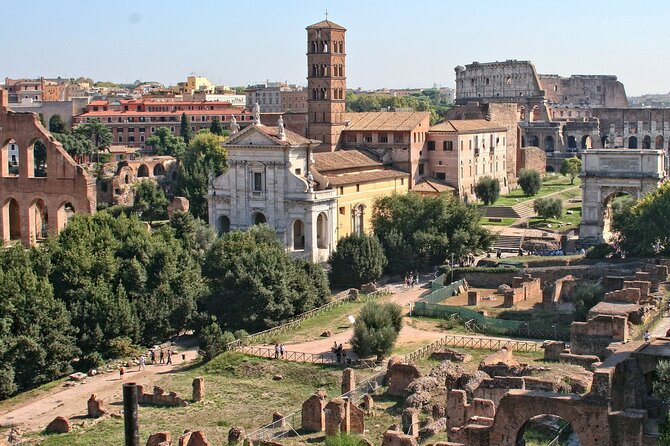
At Piazza Venezia, the Monumento a Vittorio Emanuele II offers a sharp change in style. The 20-minute stop looks at the monument’s large columns, sculptures, and connection to Italy’s first king. It also gives you broad views across one of Rome’s central traffic and civic areas.
The monument is often described in strong terms by visitors, but the useful question is what it tells you about modern Italy. Its size and formal design reflect national ambition rather than the intimate scale of Rome’s older streets. An architect’s reading can help you understand why this building feels so different from the Pantheon or a medieval church.
Admission is free for this stop. You should have time for photographs and an exterior explanation, though the itinerary does not promise a long interior visit or access to every part of the monument.
The Colosseum, and what your booking includes
The Colosseum stop is scheduled for about 30 minutes. The guide will explain its arches, columns, ancient use, and place in Roman history, but the stop description says you will not enter the arena on this tour. That makes it an exterior viewing point rather than a full Colosseum visit.
Here is the point that deserves a direct question before you pay. The included features list a Colosseum entrance ticket valued at €18 per person and a €2 reservation fee. The itinerary, however, says the tour will not enter the arena and that a separate tour is available for interior access.
Those details do not fully agree. Contact the guide and ask whether the €20 worth of Colosseum admission and reservation is actually used on this experience, or if it applies only to another arrangement. Do not assume you will walk inside simply because the inclusion list names an entrance ticket.
Even from outside, the Colosseum is a worthwhile architectural lesson. Its repeated arches show how the Romans handled weight, movement, and crowds. A half-hour explanation can give you a strong framework for a later interior visit, if you choose to book one separately.
Portico of Octavia and the old Jewish Ghetto
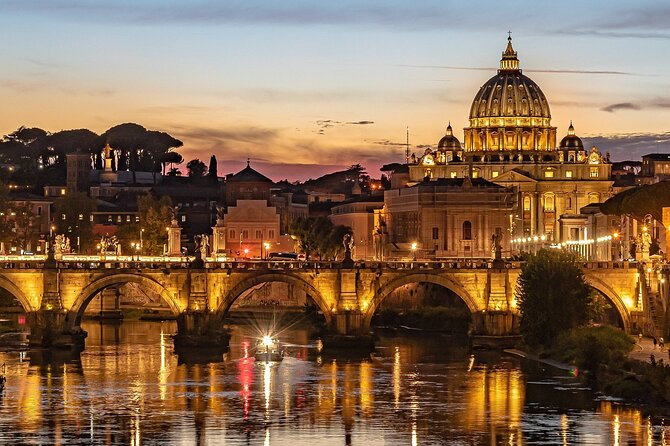
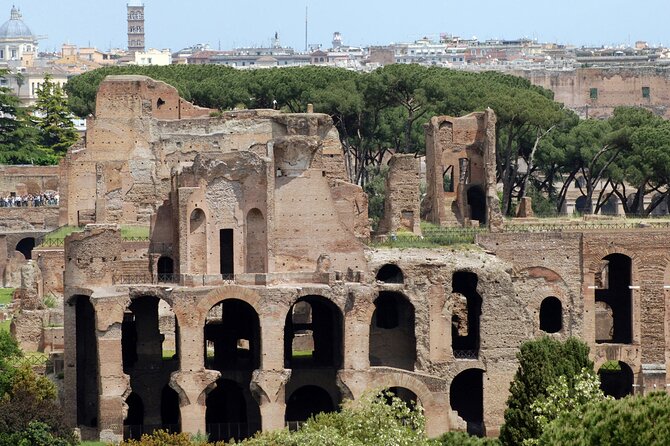
The Portico of Octavia is one of the most interesting stops on this route because it is less familiar than the Colosseum but packed with layers. The monument dates to the second century BC and once marked the entrance to a grand temple complex.
The 20-minute visit focuses on the ancient Corinthian columns, the original role of the portico, and the marketplace that later operated here. You will also hear about the site’s place in the medieval Jewish Ghetto. That combination makes the stop useful for understanding how Rome repeatedly reused old structures instead of clearing them away.
No ticket is required. I would give this stop your full attention. The surviving columns and fragments can look modest beside Rome’s giant monuments, but they reward a guide who explains what has disappeared and what remains.
Teatro di Marcello, a theater turned home
Teatro di Marcello follows with another strong example of reuse. Built under Julius Caesar and Augustus, this open-air theater predates the Colosseum and helped shape the later design of Rome’s most famous arena.
The scheduled time is 20 minutes. You will look at the curved arches and learn how the building once hosted performances before becoming a medieval residence. That later use is especially revealing. Ancient Rome did not vanish neatly; its structures were adapted, occupied, and folded into everyday life.
The stop is free and primarily exterior. If you care about how buildings change over centuries, this may be more rewarding than another standard imperial monument. It also gives you a better basis for comparing Teatro di Marcello with the Colosseum.
Santa Maria in Aracoeli on Capitoline Hill
Santa Maria in Aracoeli is scheduled for 20 minutes and is free to enter. The church sits on Capitoline Hill and brings together ancient Roman foundations, medieval religious architecture, frescoes, and the revered Santo Bambino statue.
This is another place where Bado’s church-architecture specialty should be useful. Look beyond the devotional objects and notice how the church occupies a site with much older Roman associations. The result is not a single-period building but a layered place shaped by different eras.
The visit will suit you if you like churches with art and architectural changes rather than grand ruins alone. If you are more interested in the city’s street life, 20 minutes may feel long compared with the brief Trevi stop. The private format lets you say so.
Santa Maria in Trastevere and the route’s unusual ending
The final listed sight is Basilica di Santa Maria in Trastevere, one of Rome’s oldest churches. The 20-minute visit centers on its golden mosaics, early Christian origins, Romanesque form, and quieter interior atmosphere.
This church is a strong finish for an architecture-focused outing. Its mosaics and structure show a different Rome from the imperial monuments, and the Trastevere setting gives you a change of mood after the central sites.
There is one practical issue: the listed stops do not form a simple walk from the Spanish Steps to the Colosseum. Santa Maria in Trastevere appears after the Capitoline and ancient theater stops, while the stated end point is the Colosseum. Ask how this portion is handled and confirm the final order on the day.
The tour ends at Piazza del Colosseo, close to plenty of transport options. That is convenient if you plan to continue sightseeing, return to your lodging, or catch a train or taxi. The published duration is approximately 3 hours and 40 minutes, although the listed stop times add up to less than that, leaving room for walking, explanations, and possible delays.
Who will get the most from this tour
This experience is a good match for you if you want:
- A private guide rather than a large scheduled group
- Architecture explained in plain language
- A mix of churches, ancient sites, fountains, and national monuments
- A flexible route shaped around your interests
- A compact introduction to central Rome
- An English-language guide with a specialist interest in church architecture
It is less suitable if you want a full interior tour of the Colosseum, a long visit inside the Pantheon, or a slow photographic walk at each stop. The itinerary covers a lot of ground, so the time at individual sights is often brief.
Families and most able participants can join, and service animals are allowed. The tour is near public transportation, but you should be ready for substantial walking and stairs at the Spanish Steps. Group discounts are available, and the private setup means only your party takes part.
Price, flexibility, and the cancellation rule
At $113.56 per person, the cost buys a private, customized experience lasting about 3 hours and 40 minutes. The value is strongest when several people share the booking or when you care enough about architecture to want an informed conversation rather than a basic orientation walk.
Meals are not included. The Pantheon fee is extra at €5, and the Colosseum ticket details need confirmation. Those extra costs are small compared with the tour price, but they affect your expectations and should be clear before departure.
You can cancel for a full refund if you do so at least 24 hours before the local start time. Changes or cancellations inside that window are not accepted for a refund. Booking confirmation arrives at the time of booking, and the guide plans to contact you one day and one hour before pickup.
Should you book it?
Book this tour if you want Rome explained through buildings, design, and religious art, and if you value having Bado adjust the conversation to your interests. The strongest features are the private format, the church expertise, and the unusual combination of famous sights with Portico of Octavia and Teatro di Marcello.
Before booking, get a clear answer about the Colosseum ticket and the route through Trastevere. If interior Colosseum access is essential, this may not be the right product unless the guide confirms it in writing. If you are happy with an exterior Colosseum explanation and want a focused architectural introduction to Rome, the tour offers a thoughtful use of half a day.
FAQ
How long does the private architecture tour last?
The experience lasts approximately 3 hours and 40 minutes.
Where does the tour start?
The stated meeting point is Piazza di Spagna, at the Spanish Steps in Rome.
Where does the tour end?
The published end point is the Colosseum at Piazza del Colosseo, 1. The area has many nearby transportation options.
Is the Pantheon entrance included?
No. Pantheon admission is listed as €5, paid at the ticket area. A wait may be required, and the tour information warns that the line can be long.
Will I enter the Colosseum?
The stop description says the tour does not enter the arena and presents the Colosseum from outside. However, the inclusions mention an €18 entrance ticket and a €2 reservation fee, so you should confirm the arrangement with the guide before booking.
Can I cancel for a full refund?
Yes. You can cancel at least 24 hours before the experience start time for a full refund. Cancellations or changes made less than 24 hours before the start are not refunded or accepted.
Just added around Rome
- Vatican: Exclusive Baroque Evening With Aperitivo & Dinner★ 3.1 · 2 reviews
- Rome Pantheon Highlights From Ancient Rome to Baroque★ 5.0 · 5 reviews
- Borghese Gallery Private Tour: The Greatest Baroque Masterpieces★ 5.0 · 6 reviews
- Private Baroque Tour: Discover Bernini & Caravaggio’s Best Works★ 5.0 · 3 reviews
- New Year’s Baroque Concert at Doria Pamphilj Palace★ 5.0 · 2 reviews
- Rome Baroque: Fountains and Squares Private Walking Tour★ 5.0 · 7 reviews
- Renaissance Rome and Baroque Rome★ 5.0 · 19 reviews
- Moonlight Walking Tour in the Heart of the Imperial & Baroque Rome★ 5.0 · 5 reviews
Rome Architecture Tours, compared.

Borghese Gallery Max 6 People Tour: Baroque & Renaissance in Rome
Read our review →
Guided Walking Tour of Rome: Top Sights & Baroque Treasures
Read our review →
Rome’s Baroque Art Walking Tour: Who Killed Caravaggio?
Read our review →
City Walk with Architect: Private walking tour of Rome
Read our review →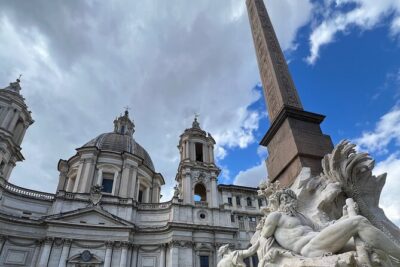
Rome: Caravaggio and Baroque Art Private Guided Tour
Read our review →Browse the lists this tour appears in