
Review · ROME
Discover Coppedè in Rome: Liberty architecture, symbols, and jewels
Coppedè is one of Rome’s great surprises: a compact district where frogs, bees, spiders, and other animals turn architecture into a kind of visual puzzle. This two-hour walk with Laura Galloppo adds an unusual second layer, linking those symbols to the lions, panthers, and snakes used by major jewelry houses.
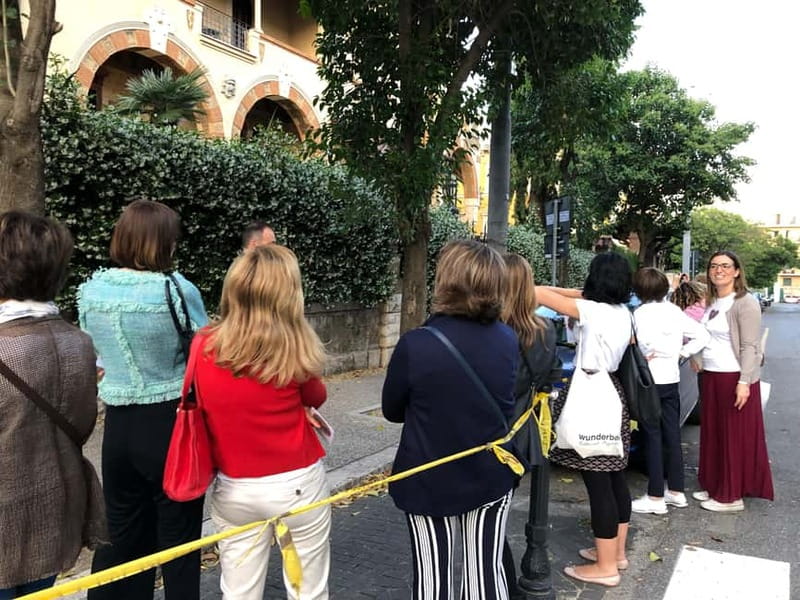
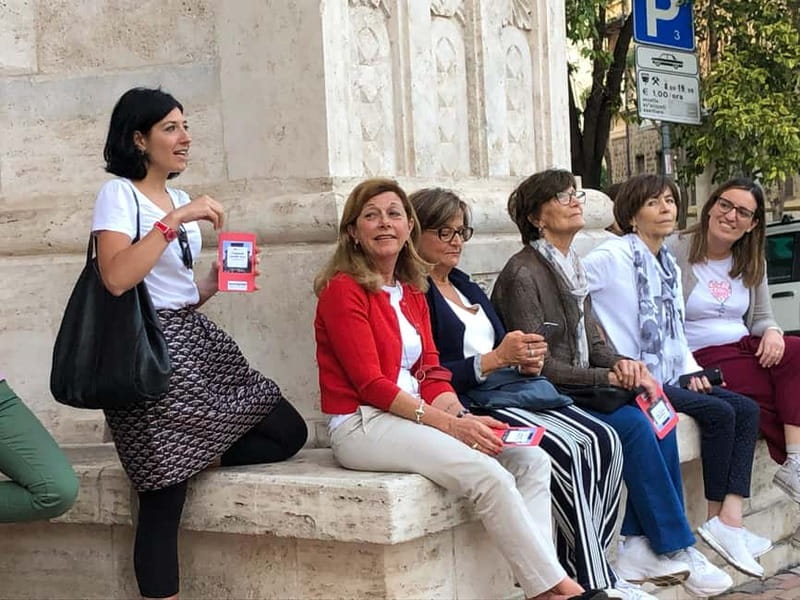
I like the tour’s fresh mix of architecture and jewelry, and I like the way Laura keeps the walk active with stories, visual details, creative material, and conversation. The small group, limited to eight people, should also make it easier to ask questions and keep your attention on details you might otherwise miss.
The main consideration is the subject itself. Coppedè is a niche stop, not a grand Roman monument, so this tour suits you best if you enjoy unusual neighborhoods, symbols, design, and ideas that cross from one art form into another.
Key points to know before you book
- Coppedè’s animals guide the story: Look for the frogs at Piazza Mincio, bees carved into stone, and the protective spider connected to the Palazzo degli Ambasciatori.
- Architecture leads into jewelry: Laura connects Gino Coppedè’s symbols with famous motifs from Chanel, Cartier, Bulgari, and other jewelry brands.
- A genuinely small group: With no more than eight participants, the walk should feel personal rather than like a street lecture.
- A flat, two-hour route: The walk is suitable for everyone and requires no previous knowledge or experience.
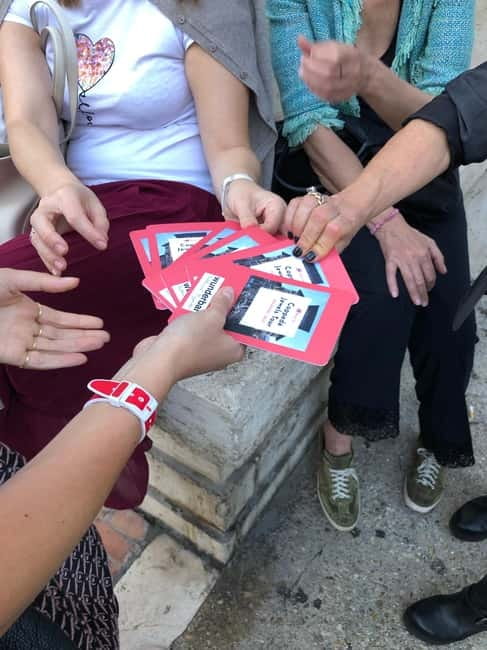
- A tour with its own materials: You receive tour materials, creative content, and a free souvenir postcard.
- Good value for a specialist walk: At $35 per person, the price is reasonable if you want a focused explanation rather than a quick photo stop.
Why Coppedè feels unlike the rest of Rome
Rome is full of ancient ruins, Baroque churches, and Renaissance palaces. Coppedè offers something different. It is a district shaped by Florentine architect Gino Coppedè, who rejected neat architectural rules and created a style of his own.
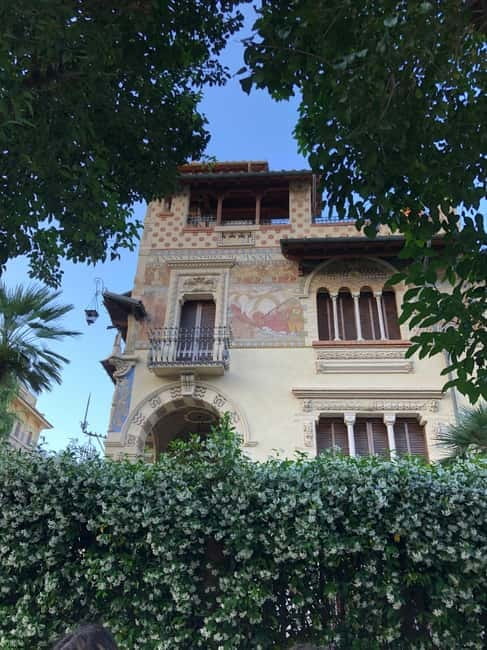
The result is a neighborhood that feels theatrical. Palaces and villas sit around Piazza Mincio, with arches, carved details, animals, and decorative forms competing for your attention. You do not simply walk past a building and hear its construction date. You look for clues.
That makes this tour a good choice if you have already seen Rome’s main sights and want to spend time with a smaller, more focused subject. It is also useful if you like architecture but prefer a story with imagination and symbols rather than a list of dates.
I would not choose it as your only Rome tour. It does not cover ancient Rome, the Vatican, or the city’s major artistic landmarks. Instead, it gives you two hours in one distinctive quarter and shows you how to read what you see.
A few more architecture tours around Rome worth a look
- City Walk with Architect: Private walking tour of Rome
★ 5.0 · 22 reviews - Private Personalized Architecture Tour of Rome with an Architect
★ 5.0 · 5 reviews - Chicago Architecture River Cruise
★ 5.0 · 15,756 reviews
Meeting beneath Coppedè’s monumental arch
The tour begins at Via Tagliamento on the corner of Via Dora, under the monumental arch marking the entrance to the Coppedè district. This is a practical meeting point because the arch immediately places you inside the architectural world you are there to study.
The starting location also sets up the central idea of the walk. The district is not just a collection of buildings. It has a designed mood, with architecture meant to surprise you before you even reach the square.
Laura guides the tour in Italian or English. Some material is shown in its original language, so you should be comfortable with that possibility. The group is limited to eight people, which matters here because the details are easy to miss if you are pushed along in a large crowd.
There is no entrance ticket to organize. The area is public, and the cost covers the guided walk rather than admission to a museum or monument.
Piazza Mincio and the frogs in the fountain
One of the first important details is the fountain in Piazza Mincio, topped by frogs. These are not random decorations placed around a pretty square. They are part of the visual language that gives Coppedè its strange, playful character.
Laura uses the frogs to begin a wider conversation about animal symbols. You will hear how creatures in architecture can suggest ideas such as protection, transformation, fortune, or mystery. The exact meaning may depend on the setting, but the point is to make you look at the district with more care.
This is where the tour’s method becomes clear. You are not only hearing about Gino Coppedè’s work. You are also being encouraged to notice patterns and connect them with a larger human habit: giving animals symbolic power.
The fountain is also one of the walk’s useful photo stops. The tour does not require you to rush through a long route, so you should have time to look, take pictures, and listen. Since the full itinerary is listed as a two-hour walk, the pace is likely to be measured rather than hurried, though you should still wear comfortable shoes.
Bees, stonework, and the small details you might miss
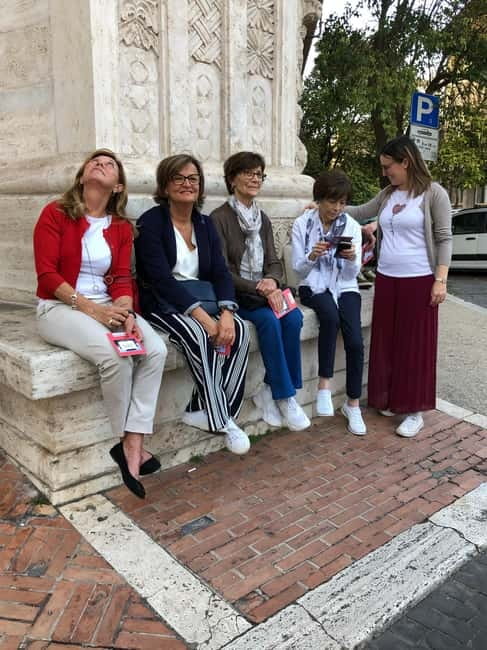
The next layer comes from bees carved into rock and other decorative details found around the buildings and villas. These are the kinds of features that reward a guide. Without an explanation, you might see an ornate surface. With the story, you begin to ask why a particular animal appears and what it was meant to communicate.
I like this part of the experience because it turns an ordinary walk into a visual search. You are not waiting for the next major monument. You are scanning walls, fountains, arches, and carved surfaces.
The tour’s creative content and supplied materials support this approach. You receive material to consult during or around the walk, along with a free postcard. The postcard is a small extra, but it gives you something physical connected to a neighborhood many people pass without understanding.
There is also a practical limit here. Decorative details are usually best appreciated by people who enjoy looking closely. If you want a fast tour with a famous landmark every few minutes, the pace and subject may feel too specialized.
Same city, a completely different century:
- Borghese Gallery Max 6 People Tour: Baroque & Renaissance in Rome
★ 5.0 · 185 reviews - Guided Walking Tour of Rome: Top Sights & Baroque Treasures
★ 5.0 · 155 reviews - Rome’s Baroque Art Walking Tour: Who Killed Caravaggio?
★ 5.0 · 27 reviews - Renaissance Rome and Baroque Rome
★ 5.0 · 19 reviews
The protective spider and Coppedè’s fanciful world
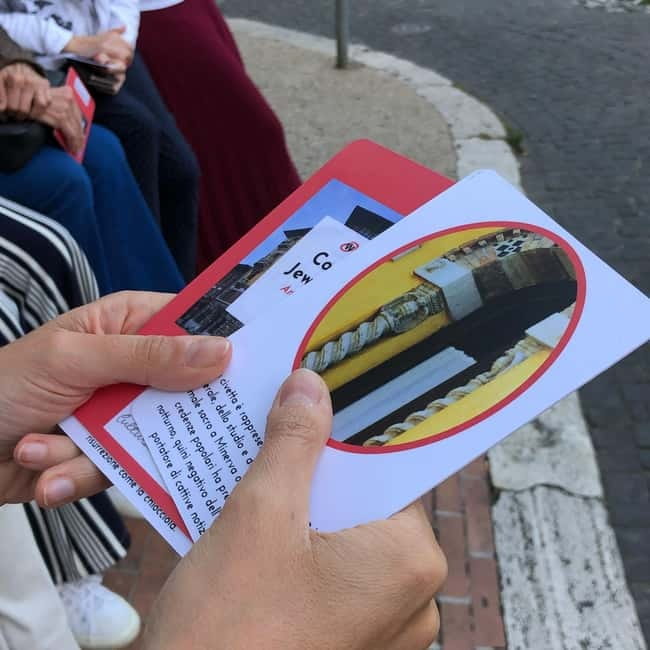
Another central image is the protective spider connected with the Palazzo that bears Coppedè’s name. The spider brings the tour’s main themes together: architecture, storytelling, symbolism, and emotional response.
A creature that many people find unsettling can take on a protective role when it is placed on a building. That change in meaning is part of the fun. Architecture does not only tell you what a building is. It can suggest how you should feel when you approach it.
Laura blends fact and legend as she explains the district. This is an important detail for anyone who prefers clear categories. The tour is not presented as a dry architectural survey. It allows room for stories, imaginative readings, and the legends that have grown around Coppedè.
That approach should suit you if you enjoy interpretation. If you want every point separated into documented fact and later folklore, ask questions as you go. The tour’s description makes clear that both reality and legend are part of the storytelling.
From architectural animals to famous jewelry symbols
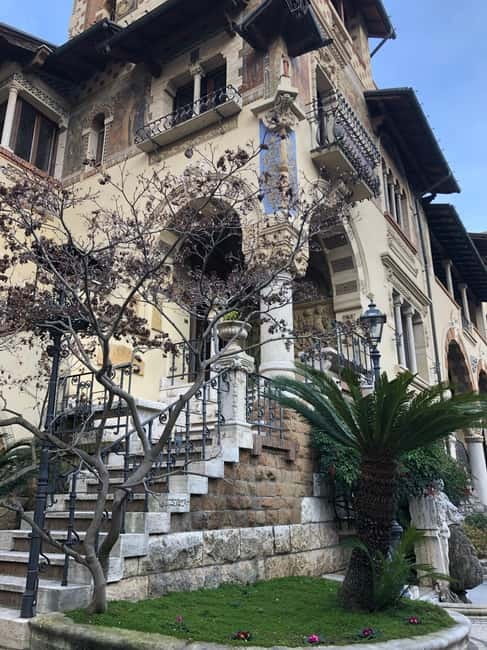
The most unusual part of the walk is its move from buildings to jewelry. Laura explains that the same animals and symbolic ideas seen in Coppedè have a place in jewelry design.
You will hear about Chanel’s lion, Cartier’s panther, Bulgari’s snake, and other animal symbols used by major brands. The connection is not simply that both architecture and jewelry show animals. It is that both can turn a creature into a personal sign of power, protection, status, identity, or style.
This gives the tour a clear purpose beyond sightseeing. You begin with public art, then move toward objects people wear close to the body. A building can shape the mood of a square, while a ring, necklace, or bracelet can become part of someone’s identity.
The discussion also includes the historical origin of precious stones and why people form lasting emotional bonds with jewelry. That makes the subject broader than brand names. You are looking at how materials and symbols gain meaning over time.
I find this cross-disciplinary format the strongest reason to book. Plenty of architecture walks explain buildings. Plenty of jewelry tours discuss famous houses. Fewer experiences ask you to compare the two and consider why certain images remain powerful.
A lively format instead of a standard architecture lecture
The walk is designed to be interactive and dynamic. That matters because Coppedè’s details are spread through the public streets rather than gathered inside one museum room.
You can expect the guide to move between visual observation, stories, symbolism, and jewelry references. The supplied tour materials and creative content give the discussion something to work with, while the small group allows for questions and reactions.
Laura’s enthusiasm is central to the experience. Her way of presenting the subject has been praised as both informative and fun, with enough energy to keep a niche topic moving. That is useful here. A subject this specific could become overly academic in the wrong hands.
You should still understand that the tour is guide-led rather than self-directed. The value comes from Laura’s interpretation and the connections she makes. If you prefer to wander alone with an audio guide, this is probably not the right format.
What the $35 price includes
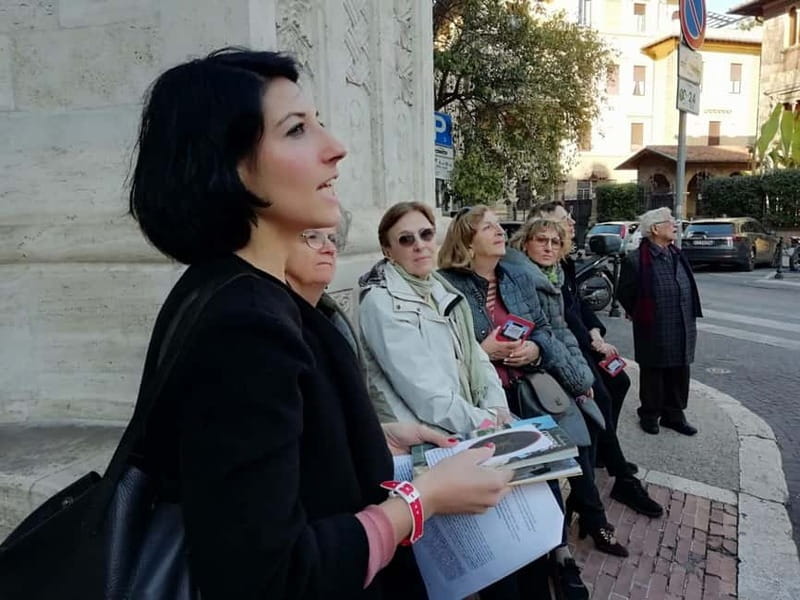
At $35 per person, this is a moderate price for a two-hour guided walk. You are paying for a specialist subject, a live guide, small-group attention, and original supporting material.
The value depends on what you want from Rome. If you only want to see Coppedè and take a few pictures, you could visit the public area without paying for a tour. The buildings and streets do not require an admission ticket.
If you want to understand the animals, the architectural style, the legends, and the link with jewelry brands, the fee makes more sense. You are paying for interpretation, not access.
The free postcard and tour materials are useful extras, but they should not be the reason you book. The real benefit is the way Laura joins several subjects into one compact walk. For anyone interested in design, fashion, architecture, or symbolic imagery, that is a fair use of $35.
Timing, comfort, and access
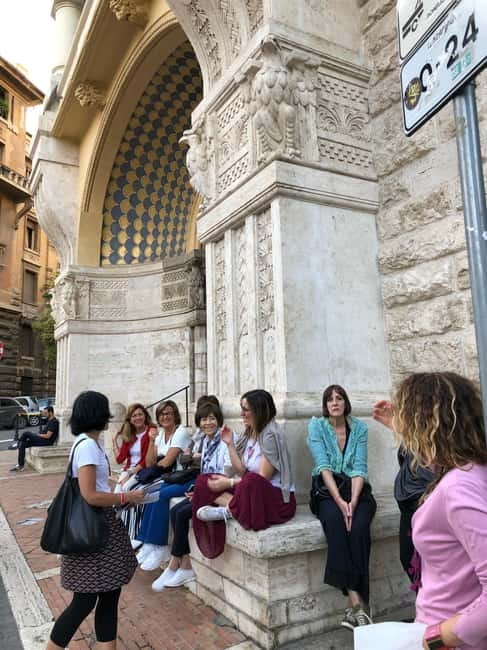
The experience lasts two hours and takes place on flat terrain. No previous experience or specialist knowledge is required, so you can arrive with only a general interest in Rome’s buildings.
The walk is listed as wheelchair accessible. That is helpful, though individual comfort can still depend on the exact street conditions and the group’s pace. If you need a specific accommodation, confirm details when booking.
Because the tour is outdoors, practical clothing and comfortable shoes are sensible. The information provided does not specify weather arrangements, restrooms, or transport between stops, so plan the tour as a continuous neighborhood walk.
The meeting point is easy to identify by the monumental arch at Via Tagliamento and Via Dora. There are no ticket queues or indoor entry procedures to slow the start.
You can cancel up to 24 hours before the tour for a full refund, and you can reserve now while paying later. Those options are useful if your Rome schedule may change.
Who will enjoy this Coppedè walk most
I would recommend this experience to you if you like:
- Unusual corners of Rome beyond the major sights
- Art Nouveau and Liberty architecture
- Visual symbols and animal imagery
- Jewelry, fashion houses, and precious stones
- Small groups and guide-led discussion
- Tours that connect different subjects in unexpected ways
It should work well for adults and older children who enjoy looking closely and asking why a design choice was made. The route is flat and does not require prior knowledge, so the subject is accessible even if architecture is not your usual interest.
I would think twice if your Rome visit is very short and you have not yet seen the city’s essential sights. Coppedè is a specialist choice. It is also not ideal if your main goal is to enter famous monuments, since no indoor attraction or admission ticket is part of the walk.
The experience is strongest for curious people who enjoy a story with several layers. You may arrive expecting a neighborhood tour and leave thinking about why a panther, snake, frog, or spider can carry such a strong emotional charge.
Should you book this tour?
Book it if you want a two-hour break from Rome’s standard sightseeing route and enjoy architecture with a playful edge. Laura Galloppo’s focus on animals, symbolism, and jewelry gives the walk a clear identity, while the small group keeps it personal.
Skip it if your priority is the Colosseum, Vatican Museums, or a broad introduction to Rome. Coppedè is a narrow subject, but it is an original one. At $35, it is a sound choice for design-minded visitors who would rather understand one unusual district than hurry through another list of famous sights.
FAQ
Where does the Coppedè tour begin?
The meeting point is under the monumental arch of the Coppedè district, at Via Tagliamento on the corner of Via Dora.
How long does the tour last?
The guided walking tour lasts two hours.
What language is the tour offered in?
The tour is available in Italian and English. Some content is shown in its original language.
How large is the group?
The tour is limited to eight participants.
Is the route suitable for wheelchair users?
The activity is listed as wheelchair accessible and takes place on flat terrain suitable for everyone.
Do I need previous knowledge of architecture?
No. The tour requires no previous experience or specialist knowledge.
Are admission tickets included?
No admission ticket is needed because the tour takes place in a public area. There are no entrance tickets to include.
What is included in the price?
The price includes the guided walking tour, tour materials to consult, creative content, and a free souvenir postcard.
Can I cancel the booking?
Yes. You can cancel up to 24 hours in advance for a full refund. You can also reserve now and pay later.
Just added around Rome
- Vatican: Exclusive Baroque Evening With Aperitivo & Dinner★ 3.1 · 2 reviews
- Rome Pantheon Highlights From Ancient Rome to Baroque★ 5.0 · 5 reviews
- Borghese Gallery Private Tour: The Greatest Baroque Masterpieces★ 5.0 · 6 reviews
- Private Baroque Tour: Discover Bernini & Caravaggio’s Best Works★ 5.0 · 3 reviews
- Private Personalized Architecture Tour of Rome with an Architect★ 5.0 · 5 reviews
- New Year’s Baroque Concert at Doria Pamphilj Palace★ 5.0 · 2 reviews
- Rome Baroque: Fountains and Squares Private Walking Tour★ 5.0 · 7 reviews
- Renaissance Rome and Baroque Rome★ 5.0 · 19 reviews
Rome Architecture Tours, compared.
Borghese Gallery Max 6 People Tour: Baroque & Renaissance in Rome
Read our review →
Guided Walking Tour of Rome: Top Sights & Baroque Treasures
Read our review →
Rome’s Baroque Art Walking Tour: Who Killed Caravaggio?
Read our review →
City Walk with Architect: Private walking tour of Rome
Read our review →
Rome: Caravaggio and Baroque Art Private Guided Tour
Read our review →Browse the lists this tour appears in