
Review · ITALY
Scicli: Guided Walking Tour in Baroque City Center
Scicli’s best surprise is how much beauty is packed into a small town. This two-hour walk moves from San Bartolomeo’s rock-cut setting to Baroque churches, noble palaces, old artisan shops, and streets familiar from Inspector Montalbano.
I like the clear focus on art and architecture, and I like that the route includes both famous buildings and smaller details, such as the old Cartia Pharmacy and the rare Christ of Burgos painting. The main caution is the guiding language: English service should be confirmed carefully, since one group was asked to rely on Italian speakers for translation.
Key points to know before you book
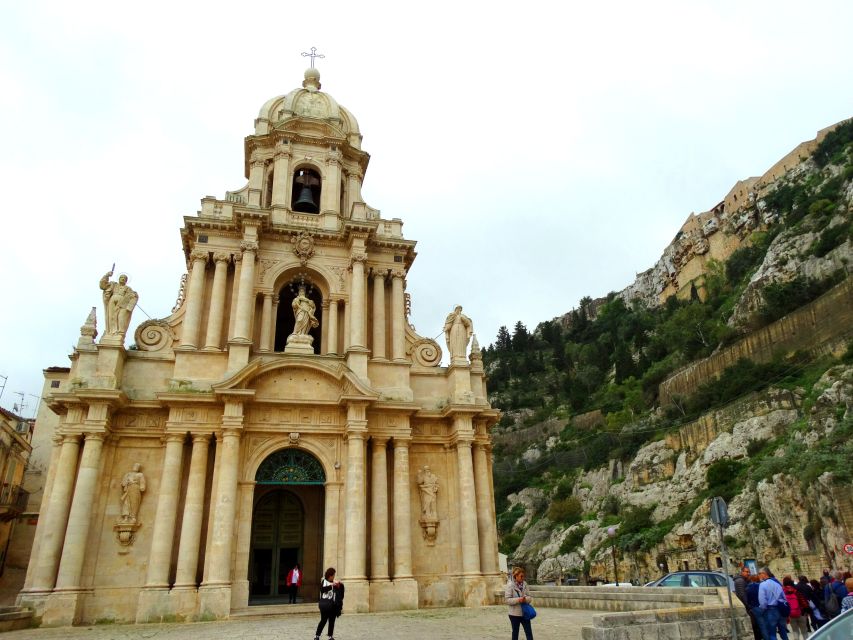
- San Bartolomeo is the visual opening act: The church rises against rock and cave homes, with Baroque and Rococo decoration inside.
- Scicli’s Montalbano connection is woven into the walk: The Town Hall serves as the fictional Vigata police station, while Cartia Pharmacy appeared in the series.
- The Christ of Burgos painting is unusual: San Giovanni shows Christ on the cross wearing a white garment that resembles a skirt.
- This is a private group tour: The listed rate is $351.18 for up to 20 people, so the value improves sharply with a larger party.
- The route ends where it begins: Meet near San Bartolomeo, then return there after the two-hour walk.
- Guide quality matters: Mara has been praised for patience, humor, and a personalized approach, but English communication has not been equally consistent with every guide.
Why Scicli makes a fine walking tour
Scicli is one of the towns in southeastern Sicily rebuilt or reshaped in the Baroque period after the earthquake of 1693. Here, the setting matters as much as the decoration. Rock walls, narrow streets, churches, palaces, and old river routes fit together in a compact center.
That makes a guided walk useful. You can certainly stroll Scicli on your own, but the details are easy to miss. A carved face on a balcony, a former monastery beneath a civic building, or a peculiar Spanish painting may look like background scenery until someone explains why it matters.
The route is also a practical choice if you have only a short time in town. It does not attempt to cover every church or museum. Instead, it builds a tidy story around several key sights, then returns to the starting point.
You should expect a walking tour through historic streets rather than a bus ride or a series of separate attraction visits. The guide leads a private group, speaks Italian or English, and explains the places along the way. Museum and attraction tickets are not included, so any interior visit with an admission charge would cost extra.
More Baroque architecture tours in Italy:
- Lecce: Baroque Architecture and Underground Walking Tour
★ 4.6 · 1,248 reviews - Interpreti Veneziani Ensemble Baroque Concert in Venice Ticket
★ 4.5 · 403 reviews - Borghese Gallery Max 6 People Tour: Baroque & Renaissance in Rome
★ 5.0 · 185 reviews
Starting at San Bartolomeo among the cave homes
The meeting point is near the entrance to the Church of San Bartolomeo. Look for the guide’s clearly visible license badge around the neck. Since the church and nearby rock formations are the opening focus, arrive with enough time to identify the correct entrance and gather your group.
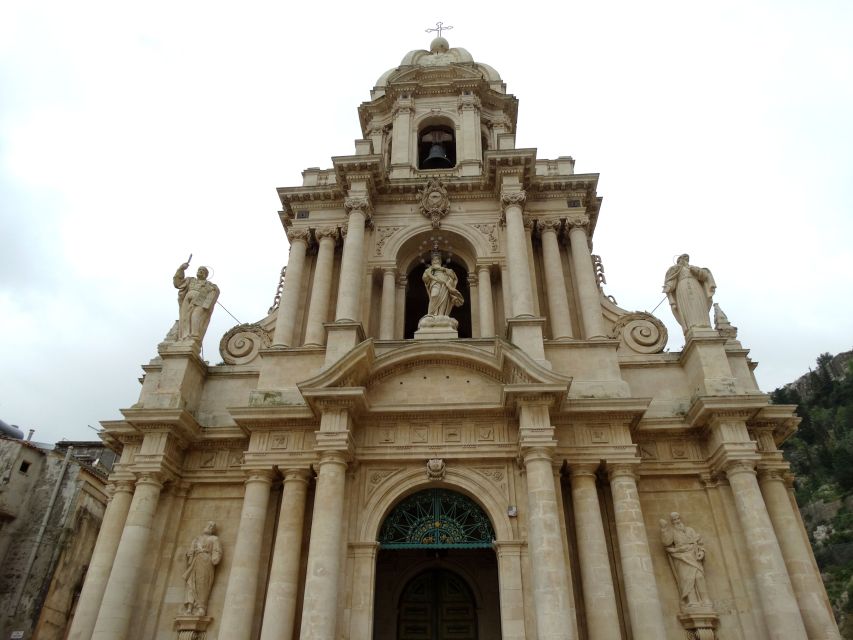
San Bartolomeo is a strong place to begin because it gives you Scicli in one glance. The church is set against rock, and nearby homes are carved into the stone. The scene can remind you of Matera, though the rest of the tour is firmly Sicilian in character.
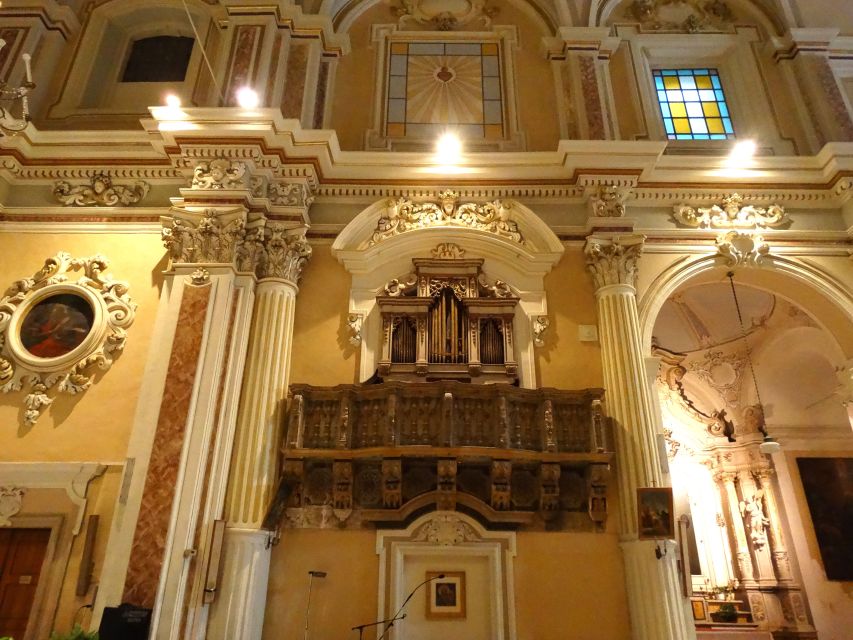
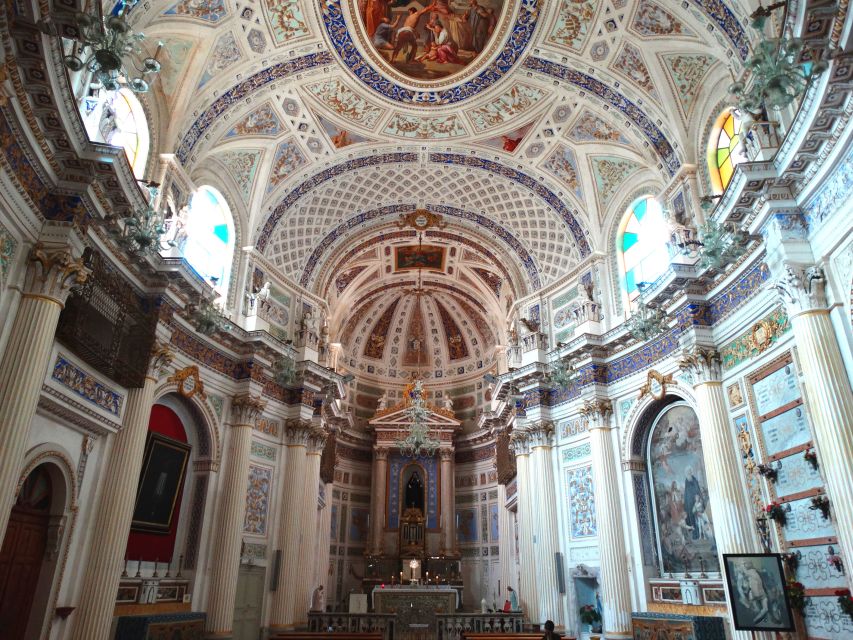
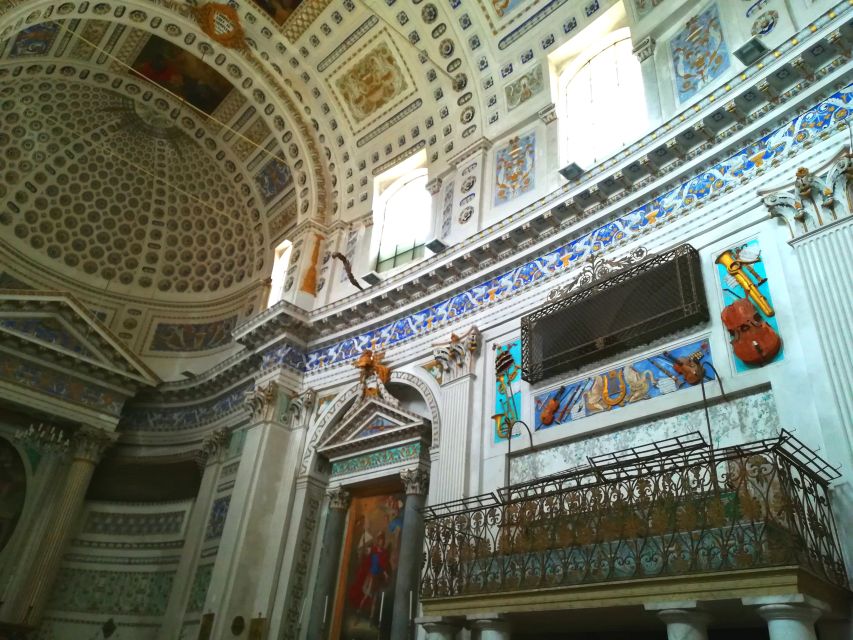
Inside, the church survived the devastating earthquake of 1693. Its Baroque and Rococo decoration includes stuccoes, frescoes, statues, and sculptures. The interior is not simply a pretty shell. It is the sort of place where the guide’s explanation helps you sort out the different layers of decoration and understand why the church is considered one of Scicli’s artistic highlights.
Look also for the eighteenth-century Neapolitan-school wooden nativity scene. That is a more intimate detail than the grand architecture, and it gives the visit a human scale. You are not just ticking off a church. You are seeing the devotional objects that helped make these buildings active religious spaces.
The rock setting is the special feature here, but it can also make the first stop feel visually dense. There is a lot to take in at once: stone, church façade, cave homes, interior decoration, and views across the town. A good guide should help you pause and separate those elements rather than rushing through them.
Via Penna and the old Cartia Pharmacy
From San Bartolomeo, the walk continues into the historic center and along Via Penna. This is one of Scicli’s most elegant streets, lined with noble Baroque buildings. The route is especially good for showing how the town’s grand architecture works at street level.
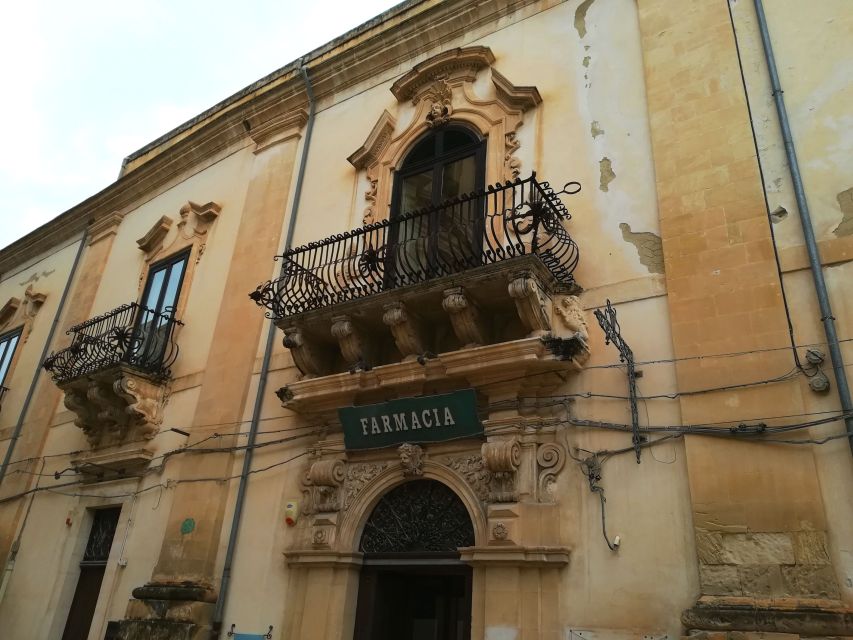
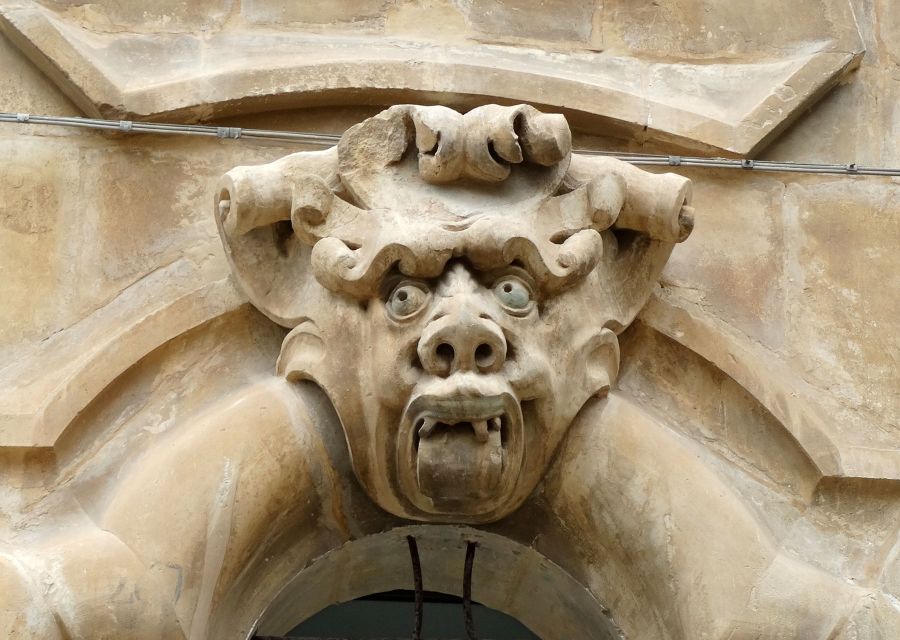
In Sicily, the most striking details are often above your head. Watch the balconies, carved stonework, and decorative faces on façades. The tour description points to the area’s noble palaces, so this is a good stretch for looking beyond the main church fronts.
The Ancient Cartia Pharmacy adds a different note. It dates from the early twentieth century and retains original wooden furniture and Liberty-style decorations. This is a useful contrast after the heavy Baroque churches. Instead of sacred art and aristocratic façades, you get a preserved commercial interior tied to everyday town life.
Cartia Pharmacy also appeared in Inspector Montalbano. If you follow the series, this stop will have extra appeal. If you do not, it still offers a glimpse of an older pharmacy design and the kind of small urban detail that can disappear under modern renovations.
Admission to museums and attractions is not included in the tour price. The supplied details do not specify a separate ticket for the pharmacy, so ask the guide or operator about access if entering the interior is important to you. The walk itself is built around the streets and principal sights, but not every interior should be assumed to be included.
Beneventano Palace and Sicilian Baroque detail
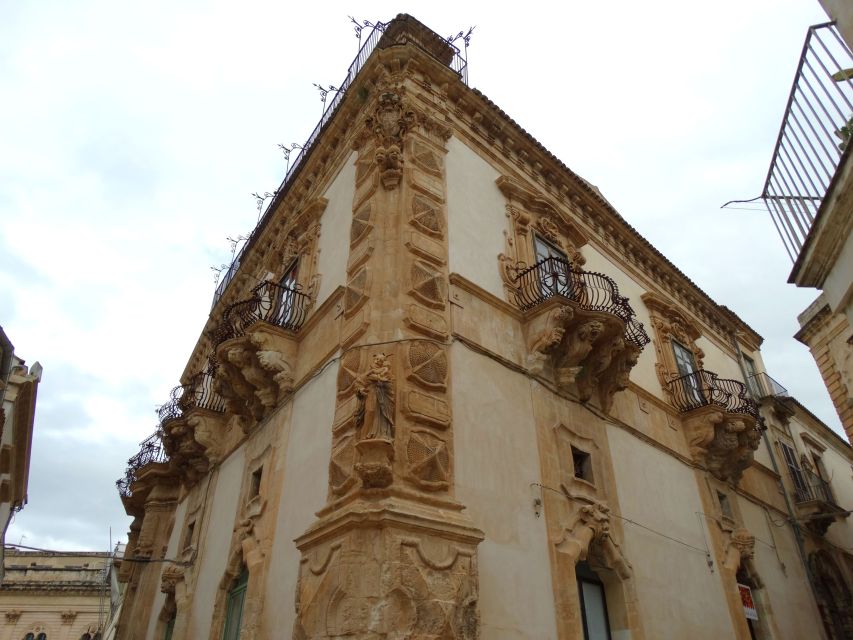
Near Via Penna, you see Beneventano Palace, one of Scicli’s most striking Baroque buildings. Its façade is crowded with carved stone figures, Moorish heads, and balconies decorated with Baroque masks.
This is the kind of building that rewards a guide’s commentary. At first, you may simply see an elaborate façade. Then you begin to notice the faces, heads, and figures arranged across it. The decoration is theatrical, playful, and a little strange, which is part of the pleasure.
Beneventano Palace also helps explain the difference between a grand Baroque church and a grand Baroque residence. Churches use decoration to frame sacred images and altars. Palaces use it to display status, taste, and money. Seeing both on the same short route gives you a better feel for how Scicli was shaped.
The palace is viewed as part of the walking route, and the provided details do not promise an interior visit. That is worth keeping in mind if you expect to tour palace rooms. The façade alone is a substantial stop, especially if your interest is architecture rather than indoor collections.
More architecture walks in Italy:
- Experience Florence’s Art and Architecture on a Walking Tour
★ 5.0 · 318 reviews - Guided Walking Tour of Rome: Top Sights & Baroque Treasures
★ 5.0 · 155 reviews - Palermo: Art and Architecture Walking Tour
★ 4.7 · 136 reviews - 3-hour walking tour Discovering Ragusa Baroque
★ 5.0 · 51 reviews
The Town Hall as Inspector Montalbano’s Vigata police station
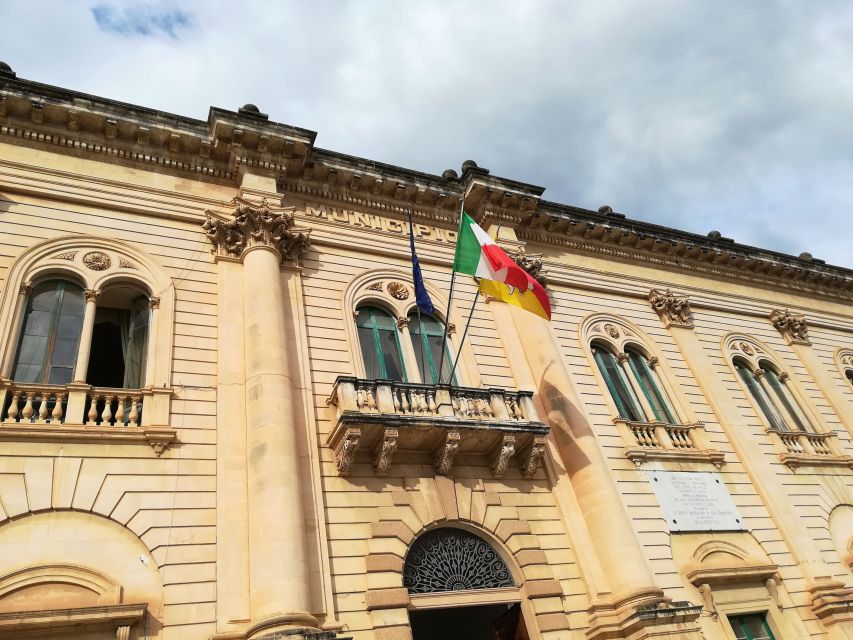
The walk returns to the main street and the center of town, where the Town Hall becomes the next major landmark. The building was constructed on the site of an old Benedictine monastery, adding another layer to its story.
For television fans, this is the stop that turns Scicli into fictional Vigata. The Town Hall serves as the police station in Inspector Montalbano, the television character based on Andrea Camilleri’s novels. The series has brought many people to southeastern Sicily, and this building is one of the clearest links between the real town and the screen world.
Even if you have never watched Montalbano, the Town Hall is worth seeing for its civic role and central position. If you have watched the series, you will probably want a moment to compare the real façade with the fictional setting you know.
The Montalbano material is best treated as an addition, not the whole reason to book. The tour has enough art and architecture to work for someone who has no interest in the show. Fans, however, get a welcome extra layer and may recognize other street views along the route.
San Giovanni and the Christ of Burgos
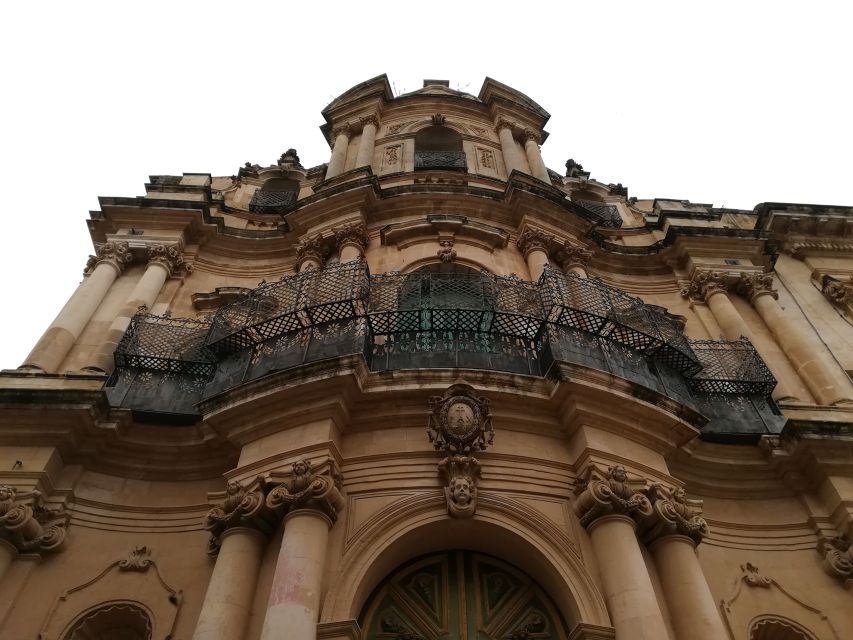
Next to the Town Hall is the Church of San Giovanni Evangelista. Inside, columns and stuccoes continue Scicli’s Baroque theme, but the church’s main talking point is a painting from Spain known as the Christ of Burgos.
The image is unusual in Italy because Christ is shown on the cross wearing a white garment that looks like a skirt. This eighteenth-century form of religious imagery is rare here, and it gives the stop a clear purpose beyond another ornate church interior.
I especially like this part of the route because it offers a detail you are unlikely to predict from the outside. San Bartolomeo gives you the rock setting and grand decoration. San Giovanni gives you an image with an immediately curious visual difference. Those contrasting stops keep the two-hour walk from becoming a parade of similar façades.
As with other churches and attractions, confirm what interior access is included and whether any admission applies. The listed price includes the licensed guide, not museum or attraction tickets.
The final views, old river, and local shops
The tour ends by showing more views across Scicli’s center, including the old river that once crossed the town. This helps you read Scicli as more than a collection of monuments. Its streets and buildings developed around changing routes, water, trade, worship, and civic life.
The final stretch also includes local artisan shops. That is a pleasant way to finish because it brings the walk back to present-day Scicli. After churches and aristocratic buildings, you see places where local work and small commerce still shape the center.
The activity returns to the meeting point near San Bartolomeo. That is helpful if you have left a car nearby or need to continue your own sightseeing from a known place. The walk lasts two hours, so you should still have time afterward for lunch, shopping, or a separate visit.
How the private format affects the price
The cost is $351.18 for a private group of up to 20 people. That price is hard to judge without knowing your group size.
For a full group of 20, the cost works out to about $17.56 per person. At that level, a private walk with a licensed guide can be good value, especially for a family reunion, school group, wedding party, or organized club.
For two people, the same total is a much larger expense. You are paying for privacy, a planned route, and live explanation rather than simply buying entrance to a sight. If you want a guide focused on your interests, that can justify the cost. If you prefer to walk independently and read information as you go, it may not.
The private format also gives you a chance to ask questions and set the pace within the two-hour limit. The guide can explain Montalbano locations, church art, or architectural details according to your interests. The actual quality depends heavily on who leads the group and how well the requested language is handled.
Guide language and meeting-point advice
Italian and English are listed as the tour languages. That makes the experience suitable for English-speaking visitors, but I would confirm the language arrangement before booking if no one in your group speaks Italian.
One English-speaking group had a problem when the guide switched away from English after discovering that a few Italian speakers could translate. That is not a small issue on a tour built around explanation. You should expect the guide to conduct the tour in the language you requested, not leave members of your group to interpret.
Meeting-point clarity also matters. The starting point is near the entrance to San Bartolomeo, and the guide should wear a visible license badge. Still, the old center can make precise positioning tricky. Bring the exact meeting information with you, and if you do not see the guide, check the nearby part of the location rather than assuming the group is in the wrong town.
Guide Mara has received particular praise for patience, humor, answers to questions, and an individualized approach. You cannot select her based on the information provided, but her style gives you a useful picture of what a strong version of this tour can offer.
Free cancellation is available up to 24 hours before the start, and you can reserve now while paying later. Those policies make the booking less rigid, but the main decision remains the price and the guide-language question.
Who should book this Scicli walk?
I would choose this tour if you want a short, organized introduction to Scicli’s main Baroque sights. It suits first-time visitors who want context, television fans looking for Montalbano locations, and groups that prefer a private guide rather than a large shared outing.
It is also a good fit if you care about details that are easy to miss on your own, such as the Neapolitan nativity scene, Cartia Pharmacy’s original furnishings, Beneventano Palace’s carved heads, or the Christ of Burgos painting.
I would think twice if you are traveling as only one or two people and are sensitive to price. I would also confirm English guiding before paying, since the experience can lose much of its value if explanations are not delivered in the language your group needs.
Should you book it?
Book it if your group can share the $351.18 cost, you want a licensed guide, and you like the mix of churches, architecture, Montalbano locations, and unusual art. The two-hour route is focused and returns to its starting point, making it easy to fit into a day in Scicli.
Before booking, confirm the guide language and ask about any entrance arrangements for interiors. With a strong guide such as Mara, this can be a personal and rewarding way to understand Scicli. With unclear language service, the same walk becomes much less useful.
FAQ
Where does the Scicli walking tour begin?
The tour begins near the entrance to the Church of San Bartolomeo. The guide will wear a clearly visible license badge around the neck.
Where does the tour end?
The walk ends back at the meeting point near San Bartolomeo.
How long is the tour?
The guided walk lasts two hours. Starting times depend on availability.
What languages are available?
The tour is offered in Italian and English.
Is this a private tour?
Yes. It is a private group activity for up to 20 people.
What is included in the price?
The price includes a licensed tour guide.
Are museum and attraction tickets included?
No. Tickets for museums and attractions are not included.
What major churches does the tour visit?
The route includes the Church of San Bartolomeo and the Church of San Giovanni Evangelista.
Can I cancel for a full refund?
Yes. You can cancel up to 24 hours in advance for a full refund. You can also reserve now and pay later.
Just added around Italy
- Vicenza: discovering the city of Palladio by e-bike★ 5.0 · 4 reviews
- Vicenza: Palladian Architecture Private Walking Tour★ 3.3 · 3 reviews
- Turin: Art Nouveau Walking Tour with Coffee★ 5.0 · 11 reviews
- Vatican: Exclusive Baroque Evening With Aperitivo & Dinner★ 3.1 · 2 reviews
- Venice Music Project – Baroque Autumn – Season 2025★ 4.5 · 7 reviews
- Walking tour in Venice with an architect★ 5.0 · 16 reviews
- Palladio. A wonderful live tale through time&soul, from Ve/Pd/Vr★ 5.0 · 7 reviews
- Turin, Art Nouveau walking tour and coffee break★ 4.0 · 7 reviews
Baroque Architecture Tours, compared.
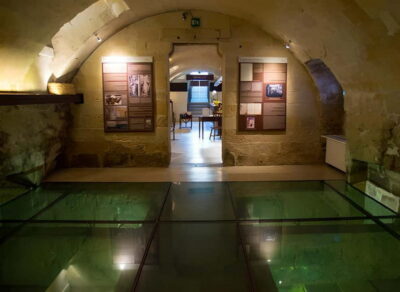
Lecce: Baroque Architecture and Underground Walking Tour
Read our review →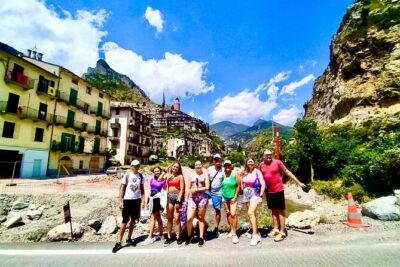
Train Exp. through the Alps (Royal Baroque Route from Nice)
Read our review →
Dresden: Tour of the Baroque Quarter with a Night Watchman
Read our review →
Interpreti Veneziani Ensemble Baroque Concert in Venice Ticket
Read our review →
Borghese Gallery Max 6 People Tour: Baroque & Renaissance in Rome
Read our review →
Concert at the Palais Schönborn-Batthyány by the Vienna Baroque Orchestra
Read our review →
Guided Walking Tour of Rome: Top Sights & Baroque Treasures
Read our review →
Noto, Modica and Ragusa: The Baroque Tour from Catania
Read our review →Browse the lists this tour appears in