
Review · CHICAGO
Chicago: Prohibition-Era Culture & Architectural Treasures
Chicago’s Prohibition story is only part of the fun here. This 3-mile walk uses crime, politics, journalism, and architecture to explain how central Chicago took shape, moving from the Chicago Theatre to the Riverwalk and ending beneath the shiny Bean.
I like the small-group format, capped at 16 people and often closer to 12, and I like that the tour includes interior architecture at the Chicago Cultural Center rather than keeping you on the pavement. The popcorn tasting is a cheerful local touch.
The main catch is the pace. Two and a half hours on city sidewalks can feel long, especially near the end. Wear good shoes, and remember that the walk runs in rain, snow, or shine.
Key points to know before you book
- Chicago history with a clear Prohibition-era thread: Crime and changing laws are tied to the city’s buildings, business growth, and public life.
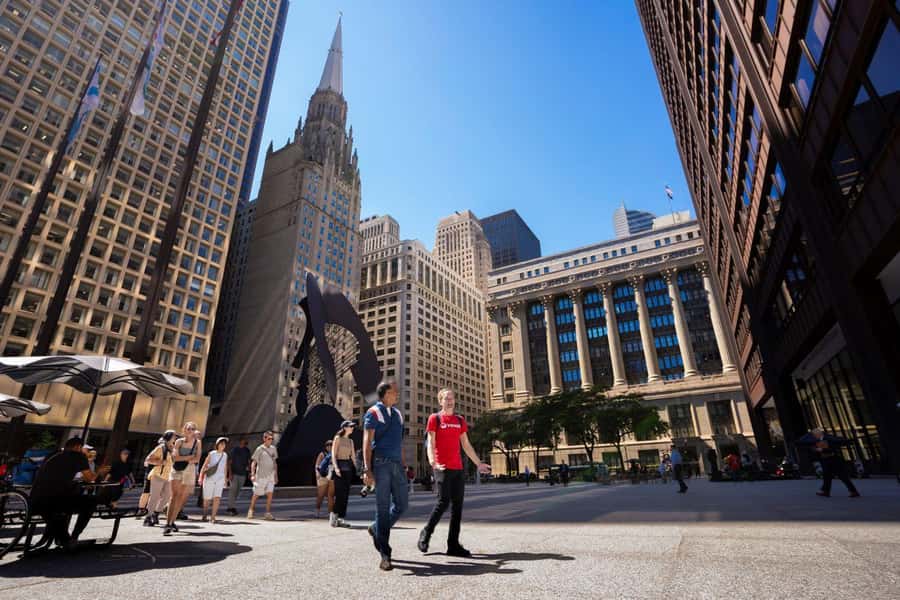
- A useful downtown route: The walk links the Chicago Theatre, Riverwalk, Du Sable Bridge, Cultural Center, and Millennium Park.
- Architecture from outside and in: You see Art Deco details at London House and the Du Sable Bridge, then step into the Chicago Cultural Center.
- A small-group experience: The usual group is limited to 12, with a maximum of 16, so it is easier to ask questions.
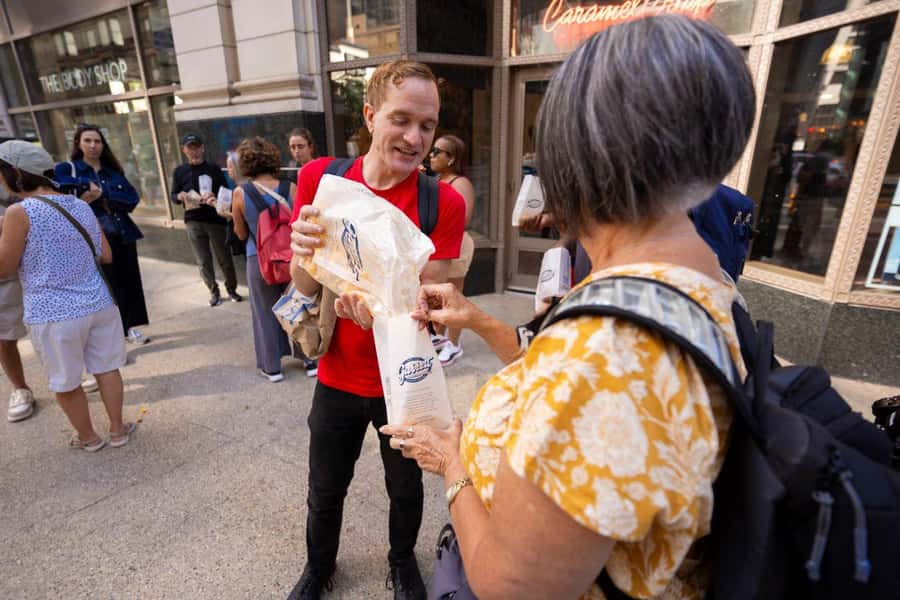
- A local snack included: Chicago-style popcorn breaks up the walking and gives the tour a light, distinctly local flavor.
- A good first-day orientation: Your guide finishes with suggestions for lunch and more places to see.
From the Chicago Theatre into Prohibition-era Chicago
Meet beneath the marquee of the Chicago Theatre at 175 North State Street. It is a practical starting point in the center of the action, and the bright sign makes the meeting spot easy to identify.
From here, the guide sets up the main idea: Prohibition was not just a story about illegal drinking. It was part of a larger period when money, crime, politics, media, and ambitious construction all pushed Chicago forward in complicated ways.
I like this approach because it gives the buildings a reason to matter. Instead of simply pointing out a handsome tower, your guide can connect its design and location to the city’s changing ambitions. The experience is meant to show how Chicago’s public image and physical form grew alongside its rougher reputation.
The exact storytelling style depends on the guide. Dash has been praised for bringing architectural details and lesser-known corners to life, while Kevin was noted for supplying a steady stream of interesting facts and stories. Bash and Wallach have also led walks described as warm, clear, and easy to follow. If your guide is Dash, expect an especially personal feel, since he is known for speaking with clear affection for the city.
The opening section is likely to feel strongest if you enjoy context rather than a simple list of dates. You will hear about people and events that shaped Chicago, but the focus stays on how those forces show up in the streets around you.
A few more architecture tours around Chicago worth a look
- Chicago Architecture River Cruise
★ 5.0 · 15,756 reviews - Chicago River 90-Minute Architecture Tour
★ 4.5 · 9,629 reviews - Chicago River: 1.5-Hour Guided Architecture Cruise
★ 4.8 · 8,046 reviews
The Riverwalk and Chicago’s famous vertical skyline
The route continues toward the Chicago Riverwalk, where the city’s architecture becomes easier to read. Water, bridges, office towers, and busy streets come together here, giving you a compact view of Chicago’s talent for building upward and outward.
You will learn about Marina Towers, Willis Tower, and the Jewelers Building. These are not just postcard stops. Together, they help show different stages of Chicago’s growth, from unusual residential design to the bold height of the modern skyline and the commercial character of downtown.
Willis Tower is a major visual reference, even when you are not going inside it. The tour uses the building as part of a wider explanation of Chicago’s race for height and the city’s changing business center. If you want a ticket to an observation deck, this walk does not include one, so consider it a street-level companion rather than a substitute.
Marina Towers gives the guide a chance to discuss a different kind of urban building. Its distinctive form is easy to spot, and it helps break up the focus on glass office blocks. The Jewelers Building adds another layer, linking downtown design with trade and business.
The Riverwalk section is also where the city’s scale can become clear. You are not looking at isolated monuments. You are watching the river divide and connect the downtown core, with towers rising close together around it.
Art Deco details at London House and Du Sable Bridge
Next comes a closer look at Art Deco design, especially around London House and the Du Sable Bridge. This is one of the best parts of the walk for anyone who likes ornament, geometry, and the small clues that make a building more than a box.
Your guide points out design details and explains how they fit the period. Art Deco works well with the Prohibition theme because it carries the mood of a confident, modern city. The style can look sleek, theatrical, and eager to announce success.
The Du Sable Bridge is also a useful place to pause and consider Chicago’s relationship with the river. You get architecture at eye level, not only distant skyline views. That distinction matters. A boat cruise gives you a broad sweep of the city, while this walk lets you stop, look closely, and hear why a particular detail was chosen.
One practical note: downtown sidewalks and bridge approaches can be busy. Keep your attention on the guide when the group moves, and do not expect long quiet pauses at every stop. This is a walking tour through an active city, not a museum visit with controlled spaces.
Inside the Chicago Cultural Center
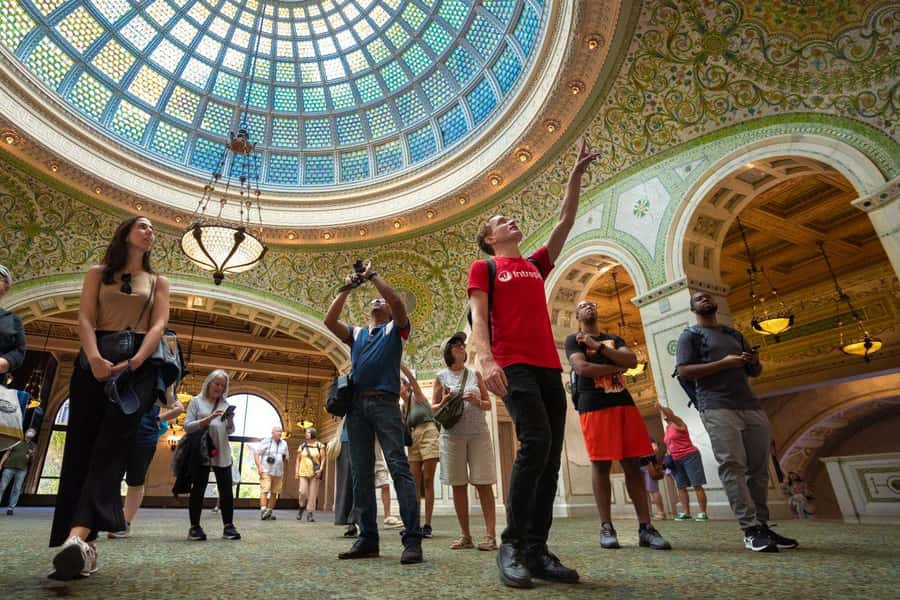
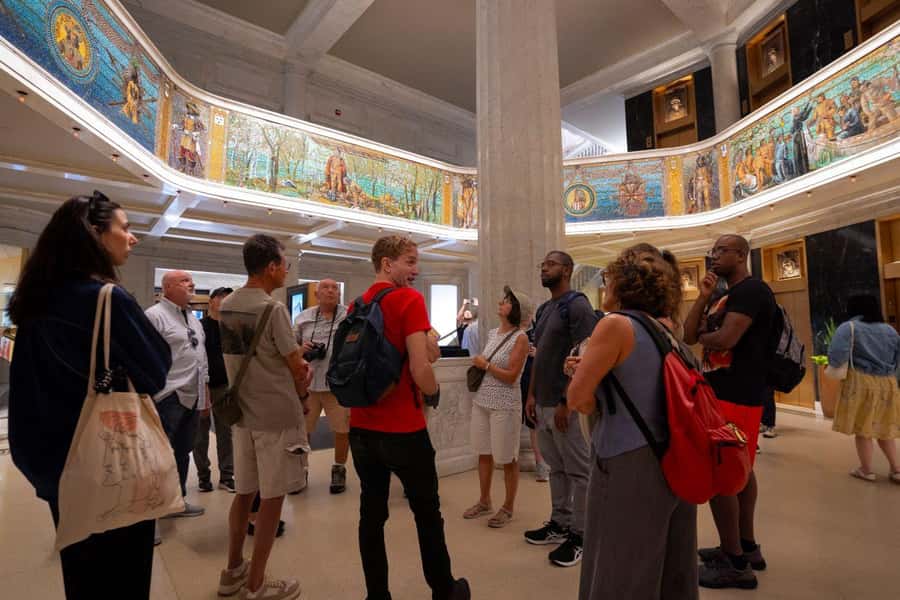
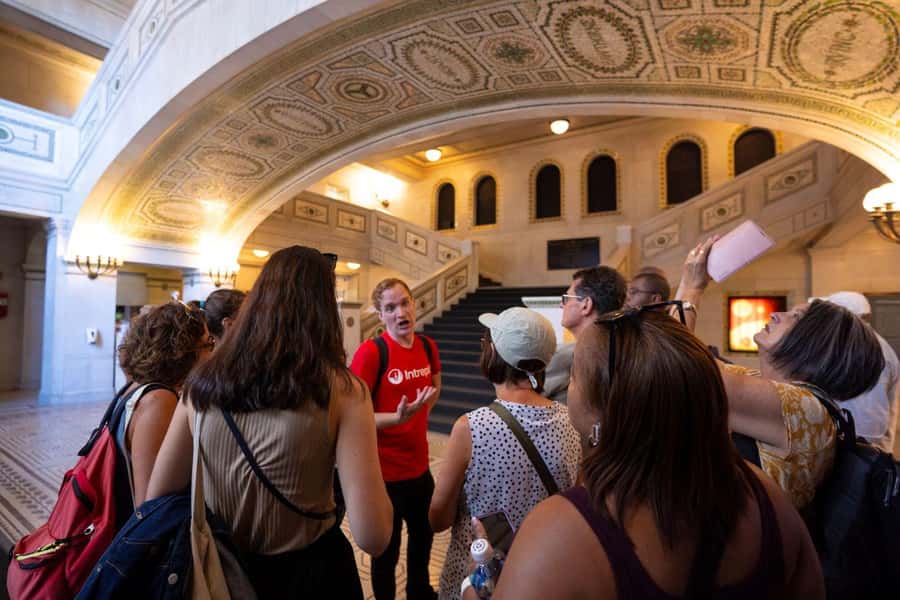
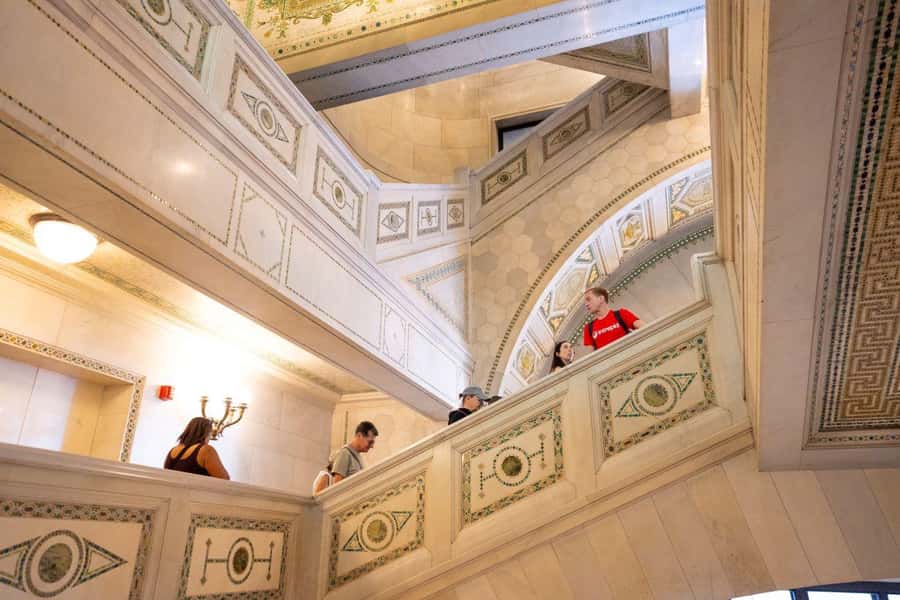
The Chicago Cultural Center is a welcome change from the outdoor sections. Its interior architecture gives you a chance to see the city’s civic side, with ornate spaces that feel very different from the steel and glass towers nearby.
The visit is valuable because it shows how Chicago invested in public buildings as symbols of learning, culture, and civic pride. After hearing about crime, business, and skyscraper competition, you get a more thoughtful view of the city’s identity.
Interior access is one of the stronger reasons to choose this tour over a simple street walk. You can study the building’s decoration and scale without having to rely only on the guide’s description. It is also a useful break if the weather is poor.
The schedule allows for a Chicago-style popcorn tasting here or along the route. Do not expect a full food tour. The snack is a small sample, but it adds a bit of local character and gives the group a short pause.
Vegetarian requests can be accommodated if you notify the operator in advance. Other food allergies and dietary preferences cannot be accommodated, so plan carefully if that affects you.
Same city, a completely different century:
- Chicago Architecture Center River Cruise aboard First Lady
★ 5.0 · 5,536 reviews - Chicago: Architecture River Cruise Skip-the-Ticket Line
★ 4.8 · 4,325 reviews - Chicago River 45-Minute Architecture Tour from Magnificent Mile
★ 4.5 · 2,924 reviews - Chicago Lake and River Architecture Tour
★ 4.5 · 2,308 reviews
The Wrigley Building, Tribune Tower, and the power of print
The walk also covers the Wrigley Building and Tribune Tower, two landmarks that help explain Chicago’s connection to journalism and public debate.
The Wrigley Building is one of the city’s most recognizable landmarks, while Tribune Tower brings the newspaper world into the story. Together, they show how newspapers helped shape the way Chicago presented itself and how the city’s most powerful institutions competed for attention.
This part makes the Prohibition theme feel broader. Illegal bars and organized crime are only one piece of the era. Newspapers reported on crime, helped create public figures, influenced civic arguments, and gave grand buildings a role in the city’s daily drama.
I especially like this section for first-time visitors because it ties several familiar names together. You are not simply collecting photos of famous facades. You are learning why these buildings mattered to the people who worked in and around them.
The guide’s personality matters here. A strong guide can turn a newspaper headquarters or office tower into a story about ambition and influence. Several guides, including Dash and Bash, have been praised for making Chicago’s people and past feel approachable rather than dry.
Finishing at Millennium Park and the Bean
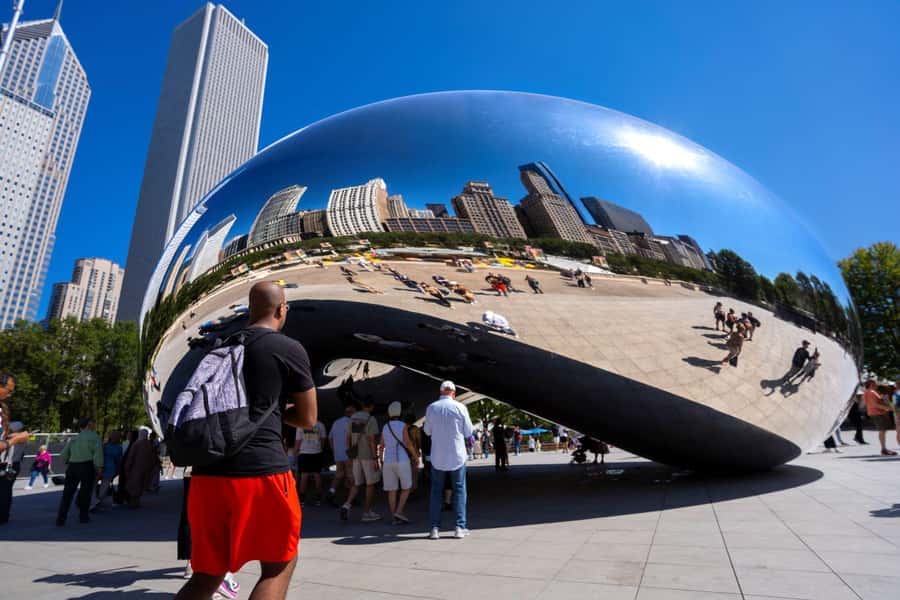
The final stop is Millennium Park, home of the Bean, officially known as Cloud Gate. Ending here makes practical sense. It gives you a major downtown sight at the close of the walk and leaves you in a useful spot for lunch or more sightseeing.
The Bean is an easy place to photograph, but the tour does more than deliver you to the sculpture. After seeing older civic buildings, Art Deco details, newspaper towers, and historic bridges, you can compare those styles with the polished public art of modern Chicago.
Your guide can also offer suggestions for lunch and additional sights. That closing advice is useful if this is your first few hours in the city. You can ask what to see next, how to build an afternoon around Millennium Park, or which nearby attractions fit your interests.
Do not expect the tour to end with transportation back to the starting point. The route is designed as a one-way walk, ending at Millennium Park. Plan your next stop from there.
How much walking, and how hard is it?
The tour covers about 4.8 kilometers, or 3 miles, over two and a half hours. The pace is suitable for all ages and fitness levels, and children under six can join free of charge.
Still, suitable for all fitness levels does not mean effortless. You will spend most of the time on your feet, with city traffic, weather, and short standing periods at each stop. One person found the experience about 30 minutes too long because of fatigue, so take that warning seriously if you tire easily.
Comfortable shoes are essential. Dress for the forecast, but also prepare for surprises. The tour runs in rain, snow, or shine, and there is no promise of perfect weather.
The guide may offer chances for breaks, restrooms, and snacks. Even so, use the facilities before meeting if possible, and bring water. A small group makes it easier to speak up when you need a pause.
Is the $49 price a good deal?
At $49 per person, this is fairly priced for a 2.5-hour guided walk that includes a local snack and a small group. You are paying for interpretation, not admission to a major attraction, transportation, or a meal.
The value is strongest if you want a human guide to connect Chicago’s architecture with its social and political past. You also get several well-known sights in one route, plus the Cultural Center’s interior and a finish at Millennium Park.
It is less compelling if your priority is simply seeing the skyline from the water or going inside observation decks. A river cruise will give you wider architectural views with less walking. A crime-focused tour will likely spend more time on gangsters and individual cases.
This experience works especially well as a first Chicago activity. It gives you a map in your head, introduces major downtown landmarks, and helps you decide what deserves a longer visit later.
The tour is carbon neutral and operated by a B Corp certified company. That does not change the route itself, but it may matter to you when choosing between similar city walks.
Who should book this Chicago walking tour?
I would choose this tour if you:
- Want architecture explained in plain language rather than simply photographed
- Like city history that includes crime, journalism, design, and business
- Are visiting Chicago for the first time
- Prefer a small group to a large bus tour
- Want a guide who can suggest what to do after the walk
- Enjoy seeing both outdoor landmarks and an impressive interior
I would think twice if you dislike long walks, need a fully sheltered activity, or want a tour focused only on Prohibition crime. The subject is broader here. Prohibition is the thread, but Chicago’s buildings and civic life receive equal attention.
Should you book it?
Book it if you want a well-shaped introduction to central Chicago, especially if this is your first visit. The route covers a lot without feeling like a checklist, and the mix of Riverwalk views, Art Deco details, the Cultural Center, popcorn, and Millennium Park gives the morning or afternoon a good rhythm.
Skip it if you already know downtown well and mainly want a specialized mob tour or a river cruise. For most people who want history, architecture, and practical orientation in one outing, the $49 price is sensible. Just wear sturdy shoes and leave room in your schedule for a full three miles on foot.
FAQ
Where does the tour start?
The meeting point is beneath the marquee of the Chicago Theatre at 175 N. State Street, Chicago, Illinois 60601.
Where does the tour end?
The walk ends at Millennium Park, near the Bean sculpture.
How long is the experience?
The tour lasts 2.5 hours.
How far do you walk?
The route covers about 4.8 kilometers, or 3 miles.
What language is the tour conducted in?
The live tour guide speaks English.
How many people are in the small group?
The small group usually has 12 participants, with a maximum of 16 passengers.
Can children join the tour?
Yes. The walk is child-friendly, and children under six are permitted to join free of charge.
What should you bring?
Bring comfortable shoes and clothing suited to the weather. The tour operates in rain, snow, or shine.
Just added around Chicago
- Private Chicago Architecture Tour★ 5.0 · 5 reviews
- Private Frank Lloyd Wright Architectural Tour by Luxury Vehicle★ 3.5 · 7 reviews
- Chicago Luxury Minibus City Tour and Architecture River Cruise★ 4.5 · 8 reviews
- Chicago History and Architecture Walking Tour with Boat Cruise★ 4.5 · 10 reviews
- Small Group History And Architecture Walking Tour of Chicago★ 4.5 · 8 reviews
- Private Chicago Architecture Walking Tour★ 5.0 · 6 reviews
- Chicago: Evolution of the Skyscraper Walking Tour★ 4.9 · 10 reviews
- Chicago’s Modern Skyscrapers Guided Walking Tour★ 5.0 · 6 reviews
Chicago Architecture Tours, compared.
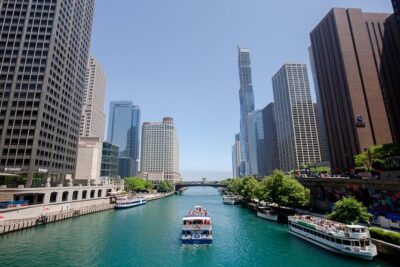
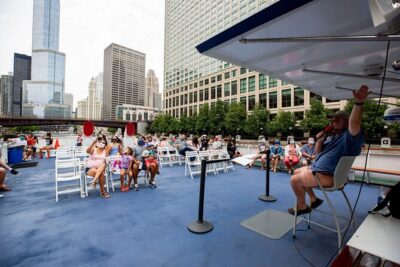
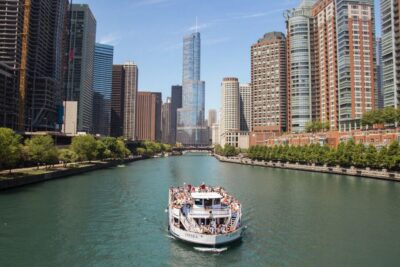
Chicago River: 1.5-Hour Guided Architecture Cruise
Read our review →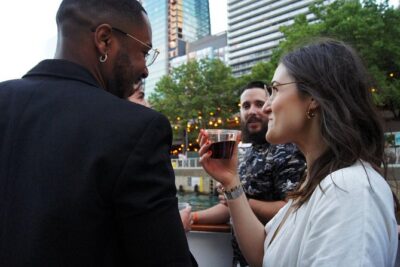
Chicago Architecture Center River Cruise aboard First Lady
Read our review →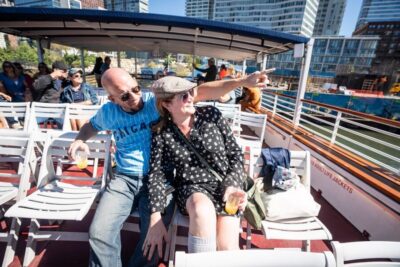
Chicago: Architecture River Cruise Skip-the-Ticket Line
Read our review →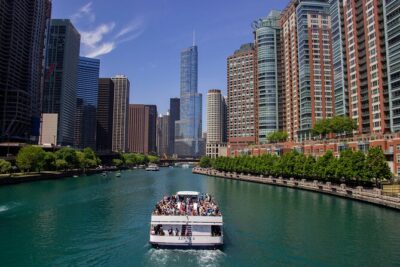
Chicago River 45-Minute Architecture Tour from Magnificent Mile
Read our review →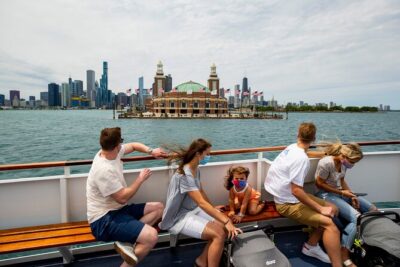
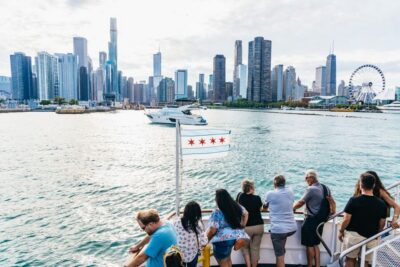
Chicago: 1.5-Hour Lake and River Architecture Cruise
Read our review →Browse the lists this tour appears in