
Review · LECCE
LECCE: AMONG ARCHITECTURAL TREASURES IN THE LECCE BAROQUE
Lecce’s great pleasure is seeing how warm local stone turns an entire city center into a work of art. This two-hour walk begins at Porta Napoli, moves through Baroque lanes and Piazza del Duomo, then finishes among Roman remains and ornate churches at Piazza Sant’Oronzo.
I like the route’s clear historical shape, from the sixteenth-century gateway to ancient Roman Lecce, and I like that Federica Manzi can guide you in Italian or Spanish. The main thing to consider is that church entry fees are not included, so the tour focuses on exteriors unless you choose to pay separately.
Key Points
- Porta Napoli sets the scene: Begin beneath a sixteenth-century city gate built in Lecce stone and linked to Charles V of Habsburg.
- Piazza del Duomo feels enclosed and theatrical: See the cathedral, bishop’s palace, and seminary palace in one rare closed square.
- Roman and Baroque Lecce meet: The route moves from ancient streets and an amphitheater to highly decorated churches.
- Santa Croce is the visual high point: Its elaborate facade is one of Salento’s best-known symbols.
- Federica Manzi leads in two languages: The live tour is offered in Italian and Spanish, with a guide praised for clear explanations and flexible answers.
- The price works best for a small group: At $147.27 for up to five people, the cost becomes more reasonable when shared.
Why Lecce Works So Well on Foot
Lecce is compact enough for a walking tour, yet its story has several layers. Roman streets run beneath a city known for its Baroque churches and palaces. Local limestone gives the buildings a pale, honey-colored look, and the route lets you see how one period gave way to another without leaving the historic center.
I like tours that give a city a shape you can remember. This one does that neatly: start at a major gateway, move through the ceremonial heart at Piazza del Duomo, follow the old Roman center, and end at Lecce’s busiest landmark square, Piazza Sant’Oronzo.
The two-hour length is useful. You get a focused introduction without giving up half a day. It is long enough to place the main sights in context, but short enough to fit before lunch, after arrival, or alongside a separate visit to the churches.
The tradeoff is pace. Lecce has plenty of carved details to study, and you may want more time than the tour allows. If you enjoy lingering over every facade or stepping into every church, plan an independent return visit.
More Baroque architecture tours in Italy:
- Lecce: Baroque Architecture and Underground Walking Tour
★ 4.6 · 1,248 reviews - Interpreti Veneziani Ensemble Baroque Concert in Venice Ticket
★ 4.5 · 403 reviews - Borghese Gallery Max 6 People Tour: Baroque & Renaissance in Rome
★ 5.0 · 185 reviews
Starting at Porta Napoli and Charles V’s Lecce
The meeting point is Porta Napoli, a sixteenth-century gateway built in Lecce stone. It was created in memory of Charles V of Habsburg and gives the tour a strong opening: you enter the old city through a monument that points to Lecce’s political and architectural past.
This is more than a convenient meeting point. A city gate helps you understand the old urban boundary. From here, the walk moves into the historic center, where churches and palaces appear close together along Via Giuseppe Palmieri.
I would pay attention to the stone from the first minutes. Lecce’s Baroque style depends heavily on the local material, which could be carved into intricate decoration. The soft, pale stone helps explain why facades here can carry such elaborate figures, foliage, columns, and frames.
Federica Manzi guides in Italian or Spanish. If you want to ask questions as you go, that matters. A guide can point out details you might otherwise pass without noticing, and the supplied information about Federica emphasizes her ability to answer questions and adjust to what the group wants to know.
Via Giuseppe Palmieri and the Baroque City Center
From Porta Napoli, the route follows Via Giuseppe Palmieri. This section links the city gate with the grander spaces ahead and gives you a first look at Lecce’s concentration of churches and Baroque palaces.
The pleasure here is not one single monument. It is the steady change in scale and decoration as you walk. Narrow streets open toward larger buildings, and religious architecture shares the scene with aristocratic palaces. You get a sense of a city designed to impress, but on a walkable human scale.
The tour is described as both historical and cultural, with a gastronomic angle as well. The supplied details do not promise food tastings, restaurant stops, or included samples, so you should not book it expecting a meal. The food connection is better understood as part of Lecce’s wider local culture, something your guide may place in context while showing you the city.
If you are interested in architecture, this is one of the strongest parts of the route. If your main goal is shopping or food, the walk gives you an introduction rather than a dedicated food tour.
Piazza del Duomo, Lecce’s Enclosed Stage
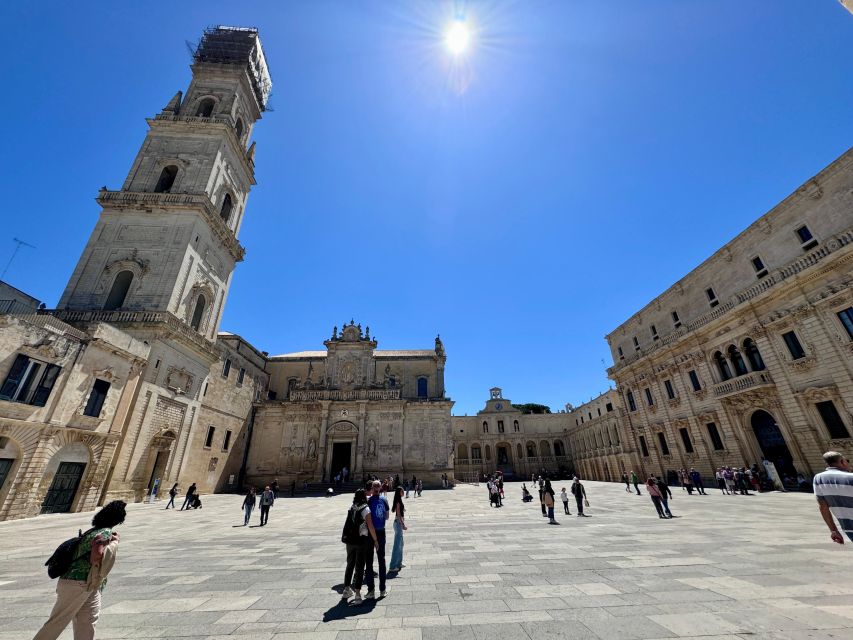
Piazza del Duomo is one of the tour’s most important stops. It is described as a rare example of a closed square, meaning the surrounding buildings create an enclosed setting rather than a broad open plaza.
That design changes the way you see the buildings. The cathedral, bishop’s palace, and seminary palace work together as a single architectural scene. You can turn your attention from one facade to another without the visual interruption of a wide road or scattered modern development.
I especially like this kind of square because it makes architecture easier to read. Instead of seeing a church as an isolated building, you see how it relates to the institutions around it. The cathedral carries religious importance, while the bishop’s and seminary palaces complete the formal setting.
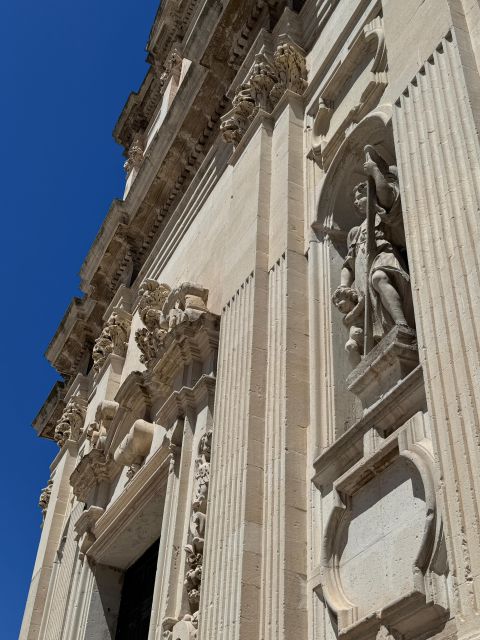
The square is also a good place to let the guide explain how Lecce’s Baroque style operates. Look for the relationship between structure and decoration. The buildings are not simply covered in ornament. Their doorways, windows, columns, and carved details are arranged to create a sense of ceremony.
Church admission is not included. That point matters here and at the later stops. The walk can show you the exteriors and explain their importance, but you may need a separate ticket if you want to enter any church. Since no individual admission prices are provided, keep your plans flexible rather than assuming entry is part of the $147.27 group price.
A few more architecture tours around Italy worth a look
- Experience Florence’s Art and Architecture on a Walking Tour
★ 5.0 · 318 reviews - Palermo: Art and Architecture Walking Tour
★ 4.7 · 136 reviews - Caprarola: Villa Farnese, masterpiece of Renaissance architecture
★ 4.5 · 28 reviews - Best of Bologna in one day : Food, architecture, art and history
★ 5.0 · 27 reviews
Roman Lecce Beneath the Baroque Surface
After Piazza del Duomo, the route winds through streets of the ancient Roman city. This transition is one of the tour’s best features because it prevents Lecce from becoming only a Baroque postcard.
You move from ornate facades to an older urban layer. The Roman connection gives the city more depth, showing that Lecce was not created in one grand burst of church building. Its later architecture grew around an older city.
The tour does not list a separate Roman museum or archaeological site entry. Instead, the Roman element appears through the streets and the major remains encountered later. That makes the experience a city walk rather than a ticketed archaeology visit.
I would use this part of the route to ask Federica how the Roman and Baroque periods relate to one another. The guide is specifically described as able to respond to questions, and this is the point where a conversation can make the changing architecture easier to follow.
Piazza Sant’Oronzo and the Roman Amphitheater
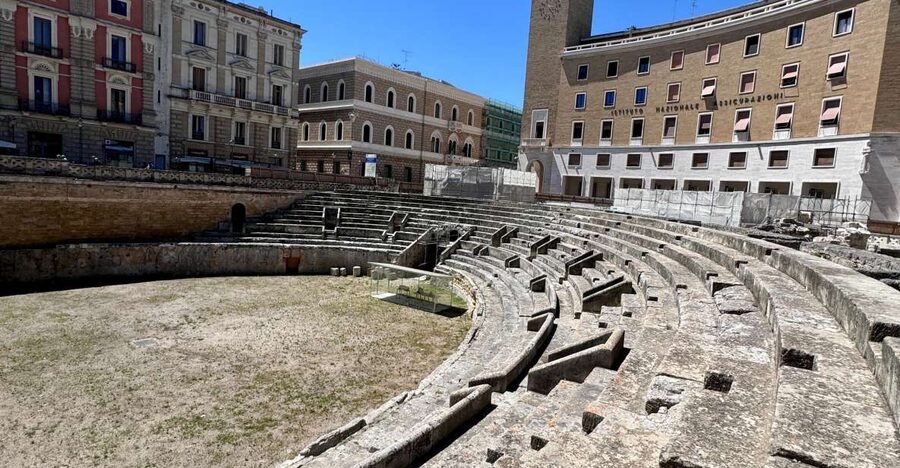
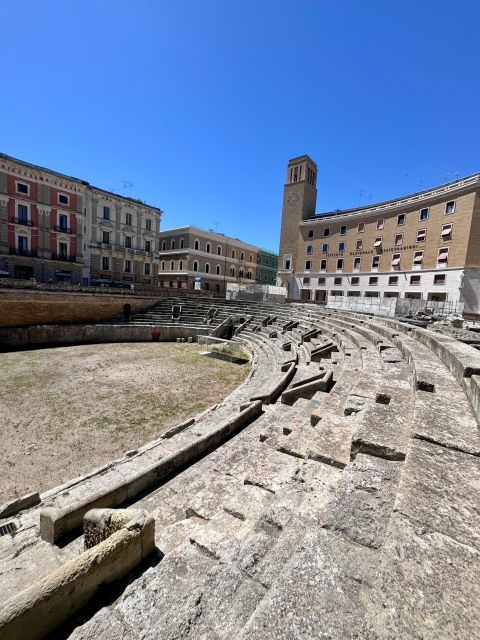
The main street leads to Piazza Sant’Oronzo, the tour’s finishing point. This square is home to two of Lecce’s most recognizable sights: the Roman amphitheater and the Roman column topped by a statue of Sant’Oronzo, the city’s protector.
The amphitheater shifts the mood again. After the polished Baroque churches and palaces, you encounter a large reminder of Roman public life. Its presence in the modern city makes Lecce feel layered rather than neatly divided into old and new sections.
The Roman column adds another kind of story. It connects an ancient monument with the city’s religious identity through the statue of its protector. That pairing makes Piazza Sant’Oronzo a fitting end point: Roman Lecce and Christian Lecce share the same public space.
Finishing here is practical, too. Piazza Sant’Oronzo gives you a central place from which to continue exploring. The tour ends here rather than returning to Porta Napoli, so remember that your walk back, onward plans, and any later church visits begin from this square.
Baroque Churches and the Basilica of Santa Croce
The last part of the route includes evocative Baroque churches and the Basilica of Santa Croce, one of Salento’s most recognizable symbols. Santa Croce is likely to be the visual high point for anyone drawn to sculpted stone and elaborate church facades.
The basilica deserves time because its appeal is in the details. The supplied information does not specify which interior areas are visited or whether the guide’s route includes entry, so treat the church as a major exterior stop unless you confirm otherwise. Admission is not included in the tour price.
I like that Santa Croce comes late in the walk. By then, you have already seen the city gate, palaces, cathedral square, Roman streets, and amphitheater. The basilica becomes part of a larger story about Lecce rather than a single isolated photo stop.
Still, this is where the tour’s limits are clearest. Two hours can introduce the churches, but it cannot give every facade and interior the attention it deserves. If Santa Croce is your top priority, note its location and return after the guided walk if you want extra time.
What the $147.27 Group Price Means
The listed price is $147.27 per group of up to five people. That is not a per-person rate, so the value changes sharply with group size.
For five people, the cost works out to about $29.45 each. For two people, it is about $73.64 each. A solo participant would pay the full group price, making the tour much harder to justify on cost alone.
The best value comes when you are traveling with family or a small group that wants a private-feeling cultural walk. You are paying for a live guide, a focused route through Lecce’s major historic areas, and the ability to ask questions in Italian or Spanish.
Entry to the churches is not included. That keeps the base price clear, but it also means you should budget separately if you want to go inside. Since the tour itself lasts two hours, you can combine it with independent church visits afterward.
The reserve-now-and-pay-later option adds flexibility, and cancellation is free up to 24 hours before the activity for a full refund. Those terms are useful if your Puglia plans are still shifting.
Language, Accessibility, and Who Will Enjoy It Most
The tour is offered in Italian and Spanish. Federica Manzi is the named guide, and the available feedback highlights her Spanish, her command of Italian art and culture, and her willingness to answer questions and adapt the walk without rushing.
That makes this a good choice if you prefer a human explanation over a recorded audio guide. It also suits visitors who want to ask about architecture, history, or the meaning of what they are seeing instead of simply collecting photographs.
The activity is wheelchair accessible. The information provided does not describe exact street surfaces, slopes, restroom access, or church interiors, so you should confirm any specific mobility needs before booking. The route stays within Lecce’s historic center, but historic areas can still require practical planning.
I would recommend it most for:
- First-time visitors who want a clear introduction to Lecce
- Small groups of up to five people
- Italian- or Spanish-speaking visitors
- Architecture and history fans
- Anyone with only a short window in the city
- Families or friends who prefer a private group price
It is less suitable if you want a food tasting, a long church interior visit, or a full archaeological tour. The experience is a guided city walk with cultural and historical focus.
Practical Tips for Making the Two Hours Count
Arrive ready to walk and begin at Porta Napoli, not Piazza Sant’Oronzo. The route is one way, ending at the square named for Lecce’s protector, so avoid leaving a bag or meeting arrangement at the starting point unless you have a plan to return.
Wear comfortable shoes. The walk is only two hours, but the historic center is best enjoyed slowly, and you will spend much of the time looking upward at facades. A small group can also make it easier to hear explanations and ask questions.
If you want to enter churches, treat the guided walk as your orientation. Note the buildings that interest you, then return on your own if admission is available. The tour price does not cover entry.
Finally, use the guide’s flexibility. The strongest personal detail available about Federica is not simply that she knows the material, but that she can answer questions and adapt to what the group requests. Come with one or two topics you care about, such as Roman Lecce, Baroque sculpture, or local religious traditions.
Should You Book This Lecce Walk?
Book it if you want a compact, guide-led introduction to Lecce’s best-known historic areas, especially if you can share the $147.27 group price with several people. The route has a satisfying progression from Porta Napoli to Piazza del Duomo, Roman streets, Piazza Sant’Oronzo, and Santa Croce.
Skip it if you need included church admissions, food tastings, or a longer visit focused on interiors. For most first visits, though, the walk offers a useful foundation. You will leave knowing where Lecce’s main sights fit together, which makes independent exploring afterward much easier.
FAQ
Where does the tour begin?
The tour begins at Porta Napoli, a sixteenth-century gateway in Lecce’s historic center.
Where does the tour finish?
The tour finishes at Piazza Sant’Oronzo.
How long does the guided tour last?
The guided tour lasts two hours.
What languages does the guide speak?
The live guide provides the tour in Italian or Spanish.
Who is the guide?
The named experience provider and guide is Federica Manzi.
Is the tour wheelchair accessible?
Yes, the activity is listed as wheelchair accessible.
Are church entry fees included?
No. Entry to the churches is not included in the tour price.
How much does the tour cost?
The listed price is $147.27 per group of up to five people.
Can I cancel for a refund?
Yes. You can cancel up to 24 hours in advance for a full refund.
Just added around Italy
- Vicenza: discovering the city of Palladio by e-bike★ 5.0 · 4 reviews
- Vicenza: Palladian Architecture Private Walking Tour★ 3.3 · 3 reviews
- Turin: Art Nouveau Walking Tour with Coffee★ 5.0 · 11 reviews
- Vatican: Exclusive Baroque Evening With Aperitivo & Dinner★ 3.1 · 2 reviews
- Walking tour in Venice with an architect★ 5.0 · 16 reviews
- Venice Music Project – Baroque Autumn – Season 2025★ 4.5 · 7 reviews
- Palladio. A wonderful live tale through time&soul, from Ve/Pd/Vr★ 5.0 · 7 reviews
- Turin, Art Nouveau walking tour and coffee break★ 4.0 · 7 reviews
Baroque Architecture Tours, compared.
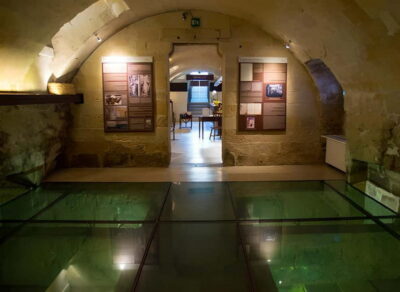
Lecce: Baroque Architecture and Underground Walking Tour
Read our review →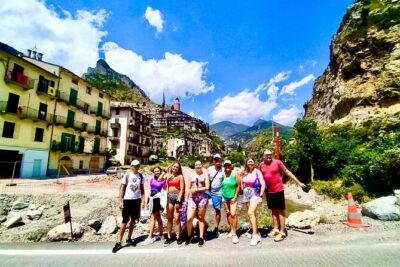
Train Exp. through the Alps (Royal Baroque Route from Nice)
Read our review →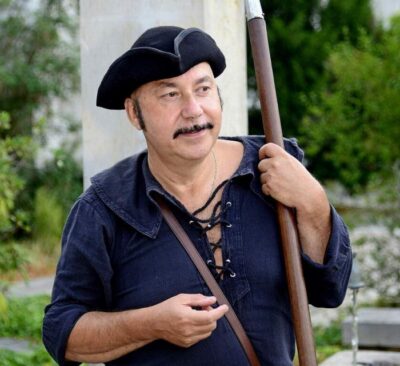
Dresden: Tour of the Baroque Quarter with a Night Watchman
Read our review →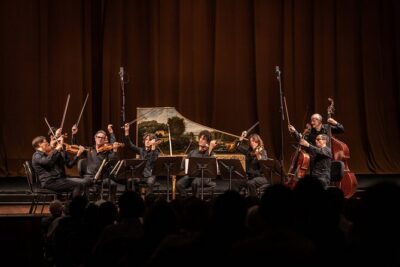
Interpreti Veneziani Ensemble Baroque Concert in Venice Ticket
Read our review →
Borghese Gallery Max 6 People Tour: Baroque & Renaissance in Rome
Read our review →
Concert at the Palais Schönborn-Batthyány by the Vienna Baroque Orchestra
Read our review →
Guided Walking Tour of Rome: Top Sights & Baroque Treasures
Read our review →
Noto, Modica and Ragusa: The Baroque Tour from Catania
Read our review →Browse the lists this tour appears in