
Review · ITALY
Caprarola: Villa Farnese, masterpiece of Renaissance architecture
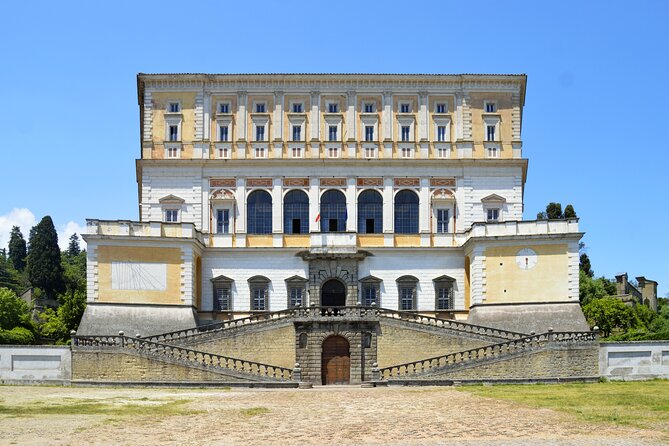
Palazzo Farnese in Caprarola is not a polite little country house. It is a pentagonal Renaissance palace, built with the force of a fortress and decorated inside with room after room of painted walls and ceilings. Vignola designed the building, and the Farnese family used it to display power, learning, and money on a grand scale.
I like two things especially: the frescoes are the real star, and the visit includes the gardens, fountains, statues, chestnut woods, and cypress trees above the town. I also like that a private English-language guide can explain the stories behind the paintings, including Serena, whose clear historical commentary has earned especially warm praise.
The main drawback is practical: this tour is in Caprarola near Viterbo, not Rome. The palace is about 60 kilometers from Rome, and Caprarola’s narrow streets can make arrival stressful if you have not planned your route carefully. The price is also high at $138.16 per person, so you should value personal guiding and not just admission.
Key points to know before you book
- Vignola’s pentagonal design: The palace looks like a military fortress from outside, then reveals a highly polished Renaissance interior.
- Frescoes fill nearly every major room: Expect classical subjects, religious scenes, maps, decorative grotesques, and painted ceilings rather than a furnished historic home.
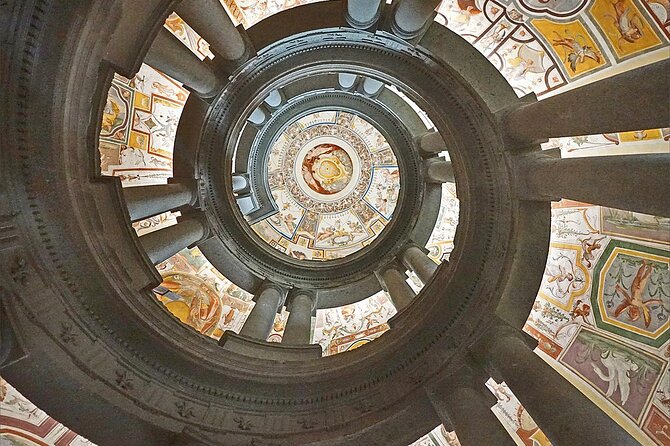
- The Scala Regia is a highlight: This grand staircase led Cardinal Alessandro Farnese toward the main apartments.
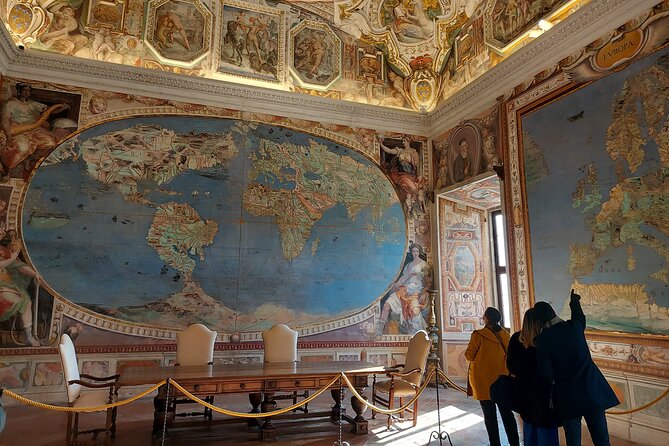
- The map room rewards close attention: Paintings from around 1573 show how Renaissance popes and cardinals understood the known world.
- The visit ends in the gardens: You can see fountains, statues, woods, cypress trees, and the upper garden area, though some sections or water features may be under restoration or not operating.
- Location matters: The meeting point is Via Filippo Nicolai 1 in Caprarola, Viterbo province, and the tour does not begin in Rome.
Why Palazzo Farnese feels different from a normal villa
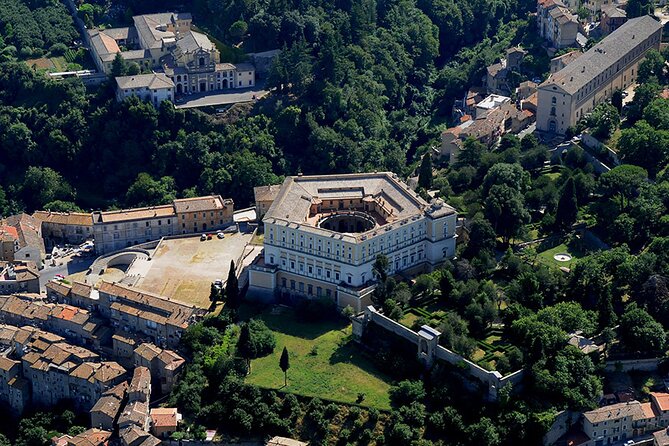
Many Italian villas are graceful country residences. Palazzo Farnese is more commanding. Its five-sided form gives it the look of a defensive stronghold, but the purpose was not simply protection. The building was also a public statement by the Farnese family, a powerful dynasty connected with cardinals and popes.
That contrast makes the visit memorable. You first read the palace as a fortress, with its strong geometric shape and dominant position above Caprarola. Inside, the message changes. The walls and ceilings become a display of art, politics, religion, science, mythology, and family ambition.
I would not come expecting furniture, tapestries, or rooms arranged like a lived-in palace. The interior is largely empty of furnishings. That can feel austere if you prefer decorated period rooms, but it also leaves the paintings exposed. Your eye goes straight to the frescoes, the painted architecture, the tiled floors, and the unusual shapes of the rooms.
The palace is particularly rewarding if you enjoy looking at buildings as much as paintings. The rooms are not merely containers for art. Their design, stairways, courtyards, wall decorations, and views work together as one grand project.
A few more architecture tours around Italy worth a look
- Lecce: Baroque Architecture and Underground Walking Tour
★ 4.6 · 1,248 reviews - Experience Florence’s Art and Architecture on a Walking Tour
★ 5.0 · 318 reviews - Palermo: Art and Architecture Walking Tour
★ 4.7 · 136 reviews
Meeting in Caprarola, not Rome
The most important booking detail is the address. You meet at Via Filippo Nicolai 1, 01032 Caprarola VT, Italy. The palace is near Viterbo and in the Caprarola area of Lazio, not in central Rome.
This sounds obvious from the name of the experience, but the distinction matters. One unfortunate booking ended with the visitor at the wrong place after confusing Caprarola with Rome. The tour provider had sent messages before the visit, but the meeting point still caused a missed appointment. Read the address carefully, check your route before departure, and allow time for the narrow streets around the town.
The supplied information describes Caprarola as most accessible by car. That makes this a better choice for a self-drive day than for someone relying on an easy walk from a Rome hotel. No transportation to Caprarola is included in the stated price, so you need to arrange your own way there.
The setting is part of the appeal. Palazzo Farnese dominates the town and looks across the surrounding countryside. Even before entering, you get a sense of why the Farnese chose this site. It was not hidden away in a flat suburban setting. The palace was meant to be seen.
The first sight: a fortress with a Renaissance purpose
The outside gives you the palace’s basic idea. Its pentagonal plan is unusual and immediately sets it apart from more conventional Italian villas. The shape began with a defensive concept, but Vignola adapted it into a residence designed for ceremony and display.
As you approach, the building feels imposing rather than cozy. That is useful context for the rooms inside. The palace was not built as a casual retreat. It was created for a major family whose political and religious influence needed a fitting setting.
The entrance and terraces also provide views over Caprarola and the surrounding scenery. One account describes the double staircase at the entrance leading toward a terrace with a fine panorama. Take a moment here before moving indoors. The palace makes more sense when you see its position above the town.
Vignola’s Scala Regia and the route through the palace
One of the early highlights is the Scala Regia, the grand staircase associated with Cardinal Alessandro Farnese. The staircase was designed for an important approach to the main apartments, not just for moving people from one floor to another.
The decoration helps turn a practical feature into a ceremonial statement. Painted surfaces, architectural detail, and the scale of the staircase announce that you are entering a world where movement itself could be theatrical.
A guide is particularly useful here. Without some explanation, you can admire the staircase and still miss why it matters. Serena, the English-speaking guide connected with this experience, has been praised for explaining both the details and the larger setting in clear language. That sort of guidance can help you notice how architecture served power.
The route continues through a succession of state rooms and reception spaces. The exact order may follow the palace’s one-way visitor path, but the overall rhythm is consistent: one decorated room gives way to another, with each space presenting a different subject or visual scheme.
Same city, a completely different century:
- Florence: Cathedral & Brunelleschi’s Dome Ticket & Audio App
★ 4.4 · 6,973 reviews - Florence: Brunelleschi’s Dome Climb Entry Ticket & Duomo
★ 4.5 · 3,815 reviews - Florence: Brunelleschi’s Dome Reserved Entry Ticket & Duomo
★ 4.6 · 2,216 reviews - Florence Skip-the-Line Duomo Tour with Guide & Brunelleschi Dome
★ 5.0 · 1,176 reviews
Frescoes that replace the furniture
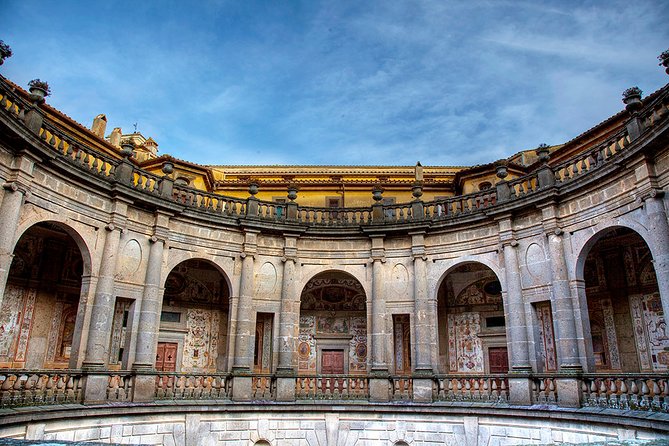
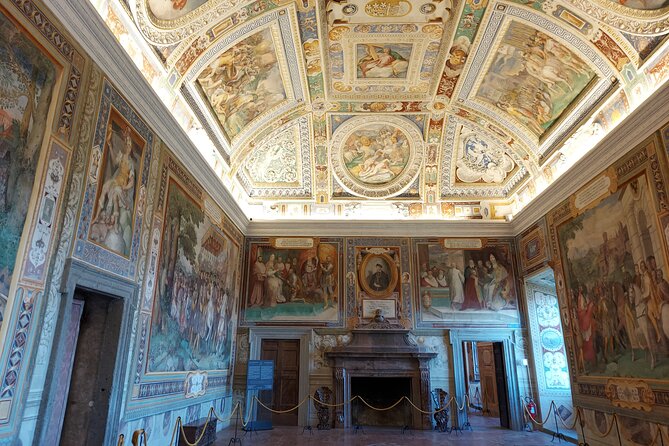
The palace’s painted decoration is its greatest reward. Frescoes cover walls and ceilings with scenes drawn from classical and religious subjects, along with decorative grotesques and painted architectural effects. The colors remain strong enough to make the rooms feel active even though the original furnishings are largely gone.
You may find yourself looking upward as often as forward. Some ceilings are as important as the walls, and the decoration can make a room appear taller, grander, or more complex than its physical structure alone would suggest.
The subject matter is broad. You might see references to ancient mythology beside religious themes, symbols of learning, and images tied to the Farnese family’s public role. This is not art arranged for quiet contemplation only. It is art with an argument: the family wanted to present itself as cultured, devout, powerful, and connected to the wider world.
That is where the guide earns the cost. A label may identify a scene, but it may not explain why that scene was chosen, how it fits the room, or what it said to a sixteenth-century audience. Serena is specifically praised for providing historical context without requiring you to arrive with advanced art knowledge.
The Hall of the Angels and its famous echo
The Sala degli Angeli, or Hall of the Angels, is one of the more unusual stops. Its echo is part of the experience. The room’s shape and surfaces create a noticeable acoustic effect, giving you a small physical demonstration of how architecture can shape sound.
Do not treat it as a gimmick. The echo adds another layer to a palace already designed to impress through sight. You are not only looking at decoration. You are also noticing how the room behaves.
The hall is one reason a guided visit can feel more complete than walking through with a quick admission ticket. Your guide can point out the room’s acoustic character and connect it to the palace’s ceremonial purpose. Even a short explanation can change how you pay attention.
The Globe and map rooms: Renaissance geography on the walls
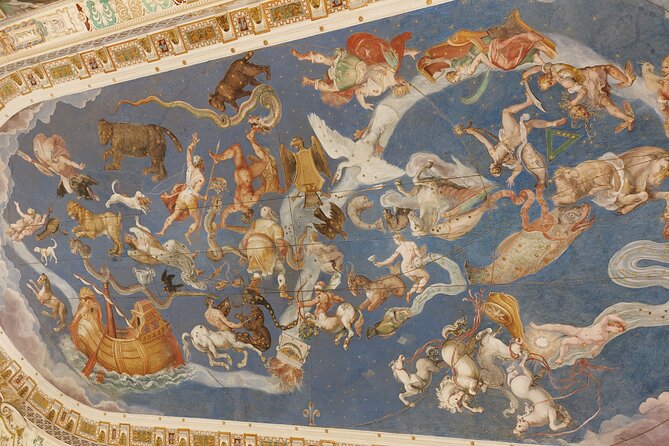
Among the most memorable rooms is the map room, decorated around 1573. The painted maps show the geographical knowledge of the period and offer a glimpse into how popes and cardinals understood the wider world.
I would give this room extra time. It is easy to glance at old maps and move on, but the room becomes much more interesting when you remember that geography was also a measure of political power and intellectual reach. The maps reflect what was known, what was believed, and what remained uncertain.
The globe room is also frequently singled out as a highlight. The palace’s painted floors and ceilings add to the effect, making the room feel like a complete design rather than a simple gallery.
You should not expect modern accuracy. The value lies in seeing the world as Renaissance patrons saw it. The maps show an age when geography, exploration, religion, and political ambition were closely linked.
The gardens and the climb above the palace
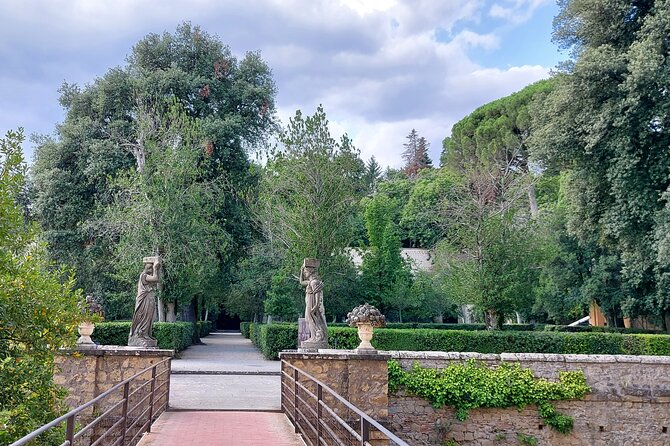
The indoor route ends in the Renaissance gardens. This is a welcome change after the concentration of the frescoed rooms. The grounds include statues, fountains, chestnut woods, and cypress trees, with an upper garden area and a smaller villa or hunting lodge reached by a climb.
The walk upward is worth considering if you have enough time and are comfortable with the effort. The upper section gives the visit a different pace and helps you understand the palace as a complete estate, not just a decorated block of rooms.
The gardens are not perfect. Some areas may be closed for restoration, and fountains or water features may not be operating. Maintenance of statues and outdoor details can also be uneven. If you expect every fountain to be running and every garden area open, you may be disappointed.
Still, I would not skip the grounds. The exterior setting helps balance the heavily decorated interior. You move from painted walls to open air, trees, terraces, and views over Caprarola. The transition is one of the strongest parts of the visit.
Is $138.16 a fair price?
At $138.16 per person, this is not a cheap palace admission. The stated inclusion is entry to Palazzo Farnese, while the real added value appears to be the private English-language guiding. You are paying for interpretation as much as for access.
That price makes sense for a visitor who wants the art explained, prefers a private activity, and has already planned a day in the Caprarola or Viterbo area. It is harder to justify if you only want to enter the palace, walk through quickly, and read the posted information yourself.
For comparison, an independent admission has been described as costing about 10 euros, though prices and benefits can change. That sharp difference is important. The experience is not good value simply because the building is beautiful. It becomes better value if the guide helps you understand the program of paintings, the Farnese family, Vignola’s design, and the role of the palace.
The private format also matters. Only your group participates, which can make it easier to ask questions and control the pace. The advertised duration is about 1 hour and 30 minutes, though one guided visit with Serena lasted more than two hours. You should treat 90 minutes as the basic expected time and allow longer if you plan to explore the gardens carefully.
Who will enjoy this visit most?
I would recommend it most strongly to people who enjoy Renaissance art, architecture, painted interiors, or Italian political history. It is also a good choice if you have a car and want an excursion away from Rome’s standard sights.
Families can take part, since most people can participate, but the appeal will depend on your children. The palace has no furnishings to touch or hands-on displays, so younger children may tire during the fresco rooms. The gardens and unusual echo in the Hall of the Angels may help keep the visit varied.
This is a strong choice for repeat visitors to Italy. If you have already seen the major sights in Florence or Rome, Palazzo Farnese offers a different kind of experience. It has the scale and ambition of a major Renaissance monument without the same crowds associated with Italy’s best-known museums.
You should be comfortable with stairs and a possible climb toward the upper garden. The information provided does not give a detailed accessibility assessment, so contact the operator before booking if mobility is a concern.
Practical booking advice
The tour is offered in English and confirmation is normally sent at booking. If you book within two days of the visit, confirmation may arrive within 48 hours and remains subject to availability.
This is a private activity, and group discounts are available. The mobile ticket is useful, but it does not replace careful route planning. Save the full address, check that your navigation is set to Caprarola in Viterbo province, and read any messages from Blue Cat Tours before departure.
Free cancellation is available until 24 hours before the start time. Changes or cancellations made inside that 24-hour period are not accepted for a refund, and the cut-off follows local time.
Should you book Palazzo Farnese in Caprarola?
Book it if you want more than a quick look at a historic building. The palace offers an unusual combination of fortress-like architecture, huge fresco programs, the Scala Regia, the echoing Hall of the Angels, Renaissance map rooms, and formal gardens above a small Italian town.
I would book the guided version if the price fits your budget and you care about understanding what you see. The empty rooms and occasional garden maintenance issues are fair cautions, but the art and architecture remain the reason to come.
Skip it if you need a Rome-based activity, do not want to arrange transport, or only want low-cost admission. For everyone else, especially visitors with a car and an interest in Renaissance Italy, Caprarola is a worthwhile detour with a palace that deserves far more attention than it usually gets.
FAQ
Where is Palazzo Farnese in Caprarola?
It is at Via Filippo Nicolai 1, 01032 Caprarola VT, Italy, near Viterbo in Lazio. It is not in Rome, and the provider states that it is about 60 kilometers from Rome.
How long does the tour last?
The advertised duration is approximately 1 hour and 30 minutes. Some visits may last longer, especially if you spend additional time in the gardens.
What is included in the price?
Entry tickets to Palazzo Farnese in Caprarola are included. The experience is offered as a private activity for your group.
Is the tour offered in English?
Yes. The tour is offered in English, and an English-speaking guide is provided for the experience.
What will I see inside the palace?
You will see Vignola’s architecture, the Scala Regia, frescoed state rooms, reception spaces, the Hall of the Angels, and rooms decorated with classical, religious, and geographical subjects.
Are the gardens included?
Yes. The tour ends in the Renaissance gardens, which include statues, fountains, chestnut woods, and cypress trees. Some areas may be closed for restoration, and water features may not always be operating.
What is the cancellation policy?
You can cancel up to 24 hours before the start time for a full refund. Cancellations or changes made less than 24 hours before the start time are not accepted for a refund.
Just added around Italy
- Vicenza: discovering the city of Palladio by e-bike★ 5.0 · 4 reviews
- Vicenza: Palladian Architecture Private Walking Tour★ 3.3 · 3 reviews
- Turin: Art Nouveau Walking Tour with Coffee★ 5.0 · 11 reviews
- Vatican: Exclusive Baroque Evening With Aperitivo & Dinner★ 3.1 · 2 reviews
- Venice Music Project – Baroque Autumn – Season 2025★ 4.5 · 7 reviews
- Walking tour in Venice with an architect★ 5.0 · 16 reviews
- Palladio. A wonderful live tale through time&soul, from Ve/Pd/Vr★ 5.0 · 7 reviews
- Turin, Art Nouveau walking tour and coffee break★ 4.0 · 7 reviews
Italy Architecture Tours, compared.
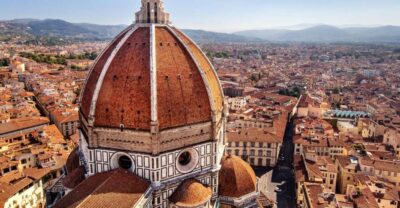
Florence: Cathedral & Brunelleschi’s Dome Ticket & Audio App
Read our review →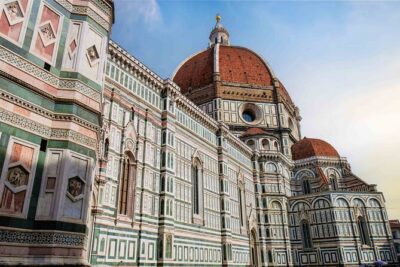
Florence: Brunelleschi’s Dome Climb Entry Ticket & Duomo
Read our review →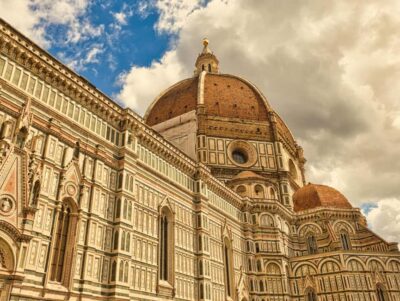
Florence: Brunelleschi’s Dome Reserved Entry Ticket & Duomo
Read our review →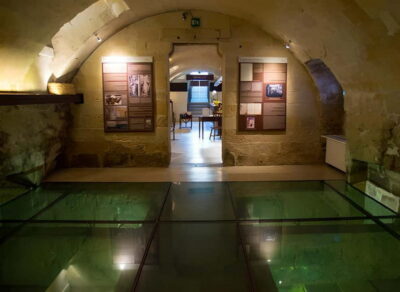
Lecce: Baroque Architecture and Underground Walking Tour
Read our review →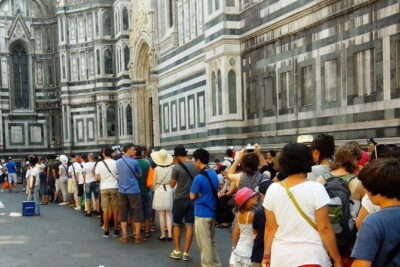
Florence Skip-the-Line Duomo Tour with Guide & Brunelleschi Dome
Read our review →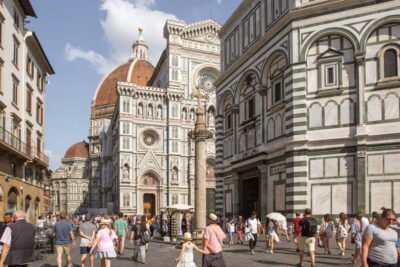
Florence: Duomo Area Tour and Brunelleschi Dome Climb Ticket
Read our review →
Florence: Brunelleschi’s Dome Climb and Duomo Complex Pass
Read our review →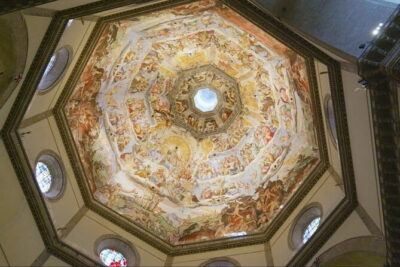
Florence in a Day: David, Cathedral & City Highlights Guided Tour
Read our review →Browse the lists this tour appears in