
Review · MIAMI
Miami: History through Architecture Private Tour with Transport
Miami makes more sense when you see its neighborhoods as chapters in one fast-moving story. This private, four-hour ride links South Beach’s Art Deco buildings, Wynwood’s street art, downtown landmarks, Brickell’s financial district, and Coral Gables architecture without making you piece the city together on your own.
I like the one-on-one format and the included hotel or port transport. I also like the range of subjects: architecture is the main thread, but the tour can touch on Cuban immigration, Native American heritage, environmental issues, marine life, and Miami’s art scene. The main drawback is time. Four hours lets you see a lot, but most stops are brief, and many sights are drive-bys rather than interior visits.
Key points at a glance
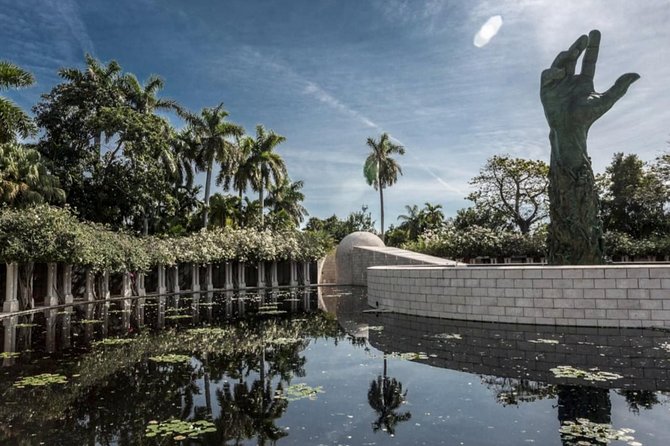
- South Beach in a short, useful introduction: See Ocean Drive, pass the Versace Mansion, and stop briefly at the post office and Holocaust Memorial.
- Wynwood beyond the famous murals: The route reaches the edges of the district, helping you understand how the area changed from graffiti walls to museum-quality street art.
- A private guide who can follow your interests: Jon is praised for handling questions about neighborhoods, Cuban immigration, art, ecology, and marine animals.
- A citywide route with little parking stress: Hotel pickup and drop-off are included at selected hotels, and port pickup can be arranged.
- A broad architectural sweep: The route takes in downtown concert halls, Freedom Tower, Brickell, Vizcaya, Coconut Grove, Coral Gables, the Biltmore Hotel, and Miracle Mile.
- Best for orientation, not lengthy sightseeing: You get the big picture and plenty of context, but only about four hours and several quick stops.
Why this tour works for first-time Miami visitors
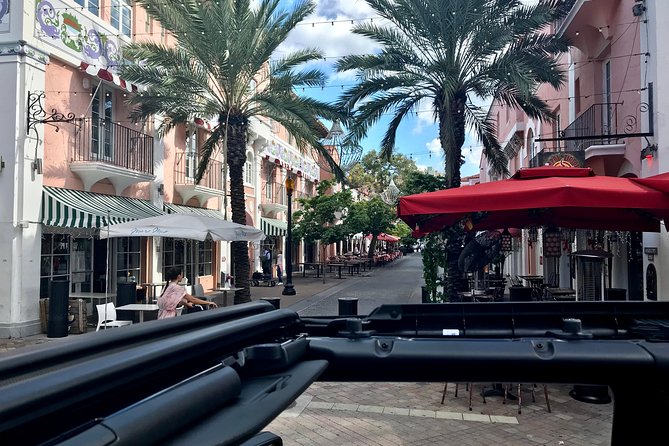
Miami is not one city in the usual sightseeing sense. It is a string of districts with different origins, moods, and building styles. South Beach feels unlike Brickell. Wynwood tells a different story from Coral Gables. Biscayne Bay connects them, but the city’s shape can be hard to grasp if you are moving around without local direction.
This tour gives you that framework in one private ride. You are not tied to a large group or a fixed commentary track. You can ask why a neighborhood looks the way it does, how Miami’s Cuban population shaped the city, or what you are seeing across the bay. The guide’s ability to switch topics matters here because Miami’s story is not only about buildings.
The format is especially useful if you have a short stay, a free morning before a cruise, or family members who do not want a long walking tour. You cover a lot of ground while staying in air-conditioned transport. Bottled water is included, but food and other drinks are not, so plan around the four-hour schedule.
More history tours in Miami:
- Award-winning Art Deco & History Walking Tour in Miami Beach
★ 5.0 · 138 reviews - Miami Beach Art Deco & History Bike Tour with Design Enthusiast
★ 5.0 · 135 reviews - Award-winning Art Deco & History Walking Tour
★ 5.0 · 28 reviews
South Beach: Art Deco, Ocean Drive, and brief stops
South Beach is the natural opening act. The route includes Ocean Drive and a pass by the Versace Mansion, with about ten minutes in the area. You get the famous beach district quickly, then move on before the tour turns into a long architectural walk.
The appeal here is visual. Ocean Drive brings together pastel façades, curved corners, porthole windows, and streamlined details associated with Miami’s Art Deco identity. The tour is called an architecture experience, so your guide can give these buildings a place in the city’s larger story rather than treating them as colorful backdrops.
You also pass Lincoln Road, one of Miami Beach’s best-known pedestrian areas. Since it is a pass-by rather than a dedicated shopping or dining stop, do not expect time to browse. Think of it as a quick orientation to another major part of Miami Beach.
Two short stops add a more serious side to the district. The post office stop lasts about five minutes, and the Holocaust Memorial also receives about five minutes. Those pauses are brief, but they keep the tour from presenting Miami Beach as only nightlife, palm trees, and decorative façades.
The limitation is clear: if your main aim is to study Art Deco buildings on foot, this will feel too quick. You will see and discuss the district, but you will not have much time for detailed photography, interiors, or a slow architectural walk. I would treat this as a smart introduction and return later if South Beach is your main interest.
Wynwood: from graffiti walls to major street art
Wynwood gets about ten minutes, but the route has an interesting advantage. It does not only stop at the best-known cultural landmark. It also reaches the edges of the neighborhood, allowing you to see more of how the district developed.
That wider view matters. Wynwood is often reduced to a few famous painted walls and photo stops. Here, the guide can explain the shift from graffiti to street art with museum-level ambition. The result is a better sense of the district as a changing part of Miami, not just a colorful outdoor gallery.
The tour lists admission as included, though the supplied details do not specify a separate indoor museum visit. You should expect a guided look at the area and its art rather than a long gallery session. Ten minutes is enough for an introduction, not enough to inspect many walls at leisure.
I like this stop because it adds a cultural layer to the architecture theme. Miami’s identity is built not only from preserved or grand buildings. It also comes from public art, changing neighborhoods, and the people who reshape older districts.
If Wynwood is high on your list, ask the operator about the exact plan when booking. The route and timing suggest a short overview, and a private tour may allow some flexibility, but no extra time is promised.
Downtown Miami: culture, civic history, and the bayfront
Several central sights are seen from the vehicle. These include the Opera House, Knight Concert Hall, Museum Park, the basketball arena, Freedom Tower, Bayside Marketplace, and Bayfront Park.
This section is useful because it connects Miami’s cultural and civic center. The Opera House and Knight Concert Hall point to the city’s performing arts scene. Museum Park places major cultural institutions along the bay. The basketball arena reflects Miami’s sports identity, while Freedom Tower brings an older and more historic note to the route.
Bayside Marketplace and Bayfront Park help you understand downtown’s relationship with the water. You may get strong views as the vehicle moves through the area, but these are drive-by sights. There is no listed museum entry, arena visit, or extended park walk.
That is both a strength and a weakness. You can cover a large part of central Miami without spending time looking for parking. At the same time, anyone hoping to enter several buildings will need a separate plan. This tour is best at showing how the pieces fit together.
More private architecture tours in Miami:
- Miami Art Deco Private Walking Tour
★ 5.0 · 48 reviews - Miami Beach Art Deco Private Tour With Cocktails
★ 5.0 · 10 reviews - Sagrada Familia & Gaudi Tour Private or Small Group with Tickets
★ 4.5 · 1,188 reviews - Barcelona: Sagrada Familia, Park Guell & Tapas Private Tour
★ 5.0 · 903 reviews
Brickell Avenue Bridge and Miami Circle
The Brickell section brings together modern finance and much older human history. You drive through the financial district and pass Miami Circle, associated with Native American heritage. The listed stop is about five minutes.
Brickell is now closely linked with offices, high-rise buildings, and a polished urban feel. The contrast with Miami Circle gives the guide a chance to explain that the area’s story did not begin with modern towers. Even a short stop can help you notice the layers beneath the present-day district.
This is another place where interpretation is more important than admission time. There is no entry ticket listed, and the visit is brief. You are not getting an archaeological tour. You are getting a concise reminder that Miami’s past reaches far beyond the better-known twentieth-century neighborhoods.
Causeway views, water, and Miami’s ecology
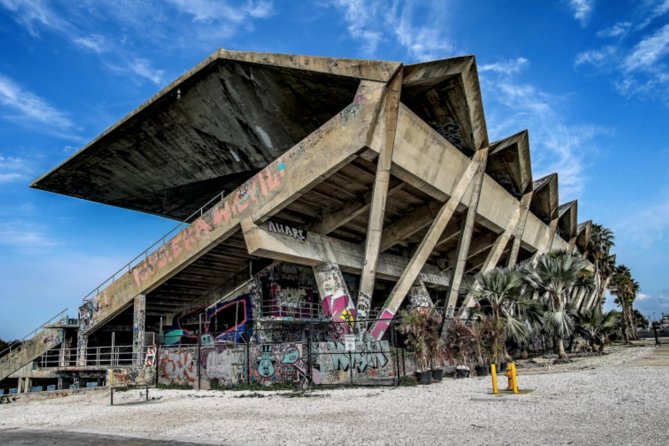
The route includes a drive over an iconic causeway, with views across the city and water. The exact causeway is not named in the supplied details, so you should not expect a guaranteed specific landmark or walking stop. The value comes from seeing Miami from the roadway and hearing about the area’s history and ecology.
This is one of the moments when a private guide can add more than a standard sightseeing loop. You can ask about the bay, the city’s relationship with the water, or marine animals. One of the strongest guide descriptions centers on answers about marine life and environmental issues, so this part may be especially rewarding if you are interested in the natural side of Miami.
The route moves on quickly, though. Views depend on traffic, weather, and the exact road used. Still, a causeway crossing helps you understand Miami physically: mainland districts, coastal neighborhoods, islands, bridges, and water are all part of the city’s daily shape.
Vizcaya, Coconut Grove, and the cultural south
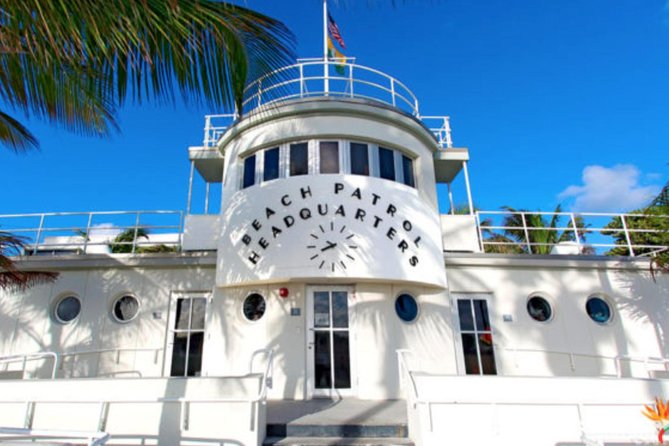
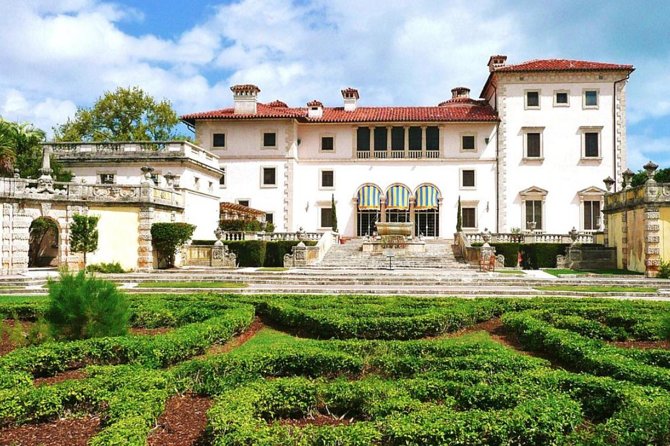
The vehicle then passes Vizcaya Museum and Gardens, Kennedy Park, Cocowalk, the Playhouse, and Plymouth Congregational.
Vizcaya is one of the most important architectural names on the route. The property is known for its historic house and gardens, but this experience only lists a drive-by. You should not assume entry or time to explore the grounds. Instead, the guide can point out its place within Miami’s older architectural and cultural story.
Kennedy Park and Coconut Grove add a different setting. Cocowalk represents the neighborhood’s shops and dining area, while the Playhouse points to local culture. Plymouth Congregational adds another architectural reference. Taken together, these sights show why a city tour is useful here: one short section can move from historic property to neighborhood life to religious architecture.
The trade-off remains time. If you want to visit Vizcaya inside, allow a separate half-day or another block of time, since this tour does not include admission in the supplied inclusions. The drive-by is useful for orientation, not a substitute for the museum.
Coral Gables, the Biltmore Hotel, and Miracle Mile
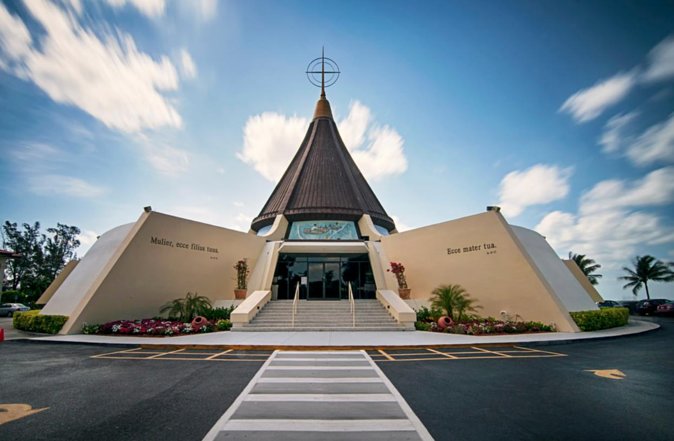
The final section reaches the Gables Waterway, International Villages, the Biltmore Hotel, and Miracle Mile. This is a strong finish for anyone interested in planned neighborhoods and architectural character.
Coral Gables feels distinct from both South Beach and downtown. The route gives you a look at its waterways, named village areas, grand hotel, and commercial center. The Biltmore Hotel is one of the most recognizable architectural sights in the area, while Miracle Mile offers a different view of how the district functions as a shopping and dining corridor.
Again, these are drive-by sights. You are not promised entry to the Biltmore Hotel or time to shop on Miracle Mile. The benefit is seeing these places in sequence, with a guide explaining how they relate to the wider city.
I especially like this part for people who think Miami begins and ends with South Beach. Coral Gables adds a more planned and formal side to the city. It gives the tour a useful final contrast and rounds out the architectural range.
Guide quality and the value of a private vehicle
The private setup is the central selling point. Only your group participates, and the guide’s full attention is available throughout the ride. That matters when your interests are specific or when you need a slower pace.
Jon is the guide named in the strongest feedback, and the details are unusually broad. He is described as able to move easily between Miami geography, neighborhoods, Cuban immigration, art beyond Wynwood, environmental concerns, and marine animals. He also received praise for being considerate of three older adults with limited mobility.
That does not guarantee that Jon will lead your departure, so confirm the guide at booking if his experience is important to you. The tour may also be operated by a multilingual guide. The practical point is that your guide is expected to provide interpretation, not merely drive between photo stops.
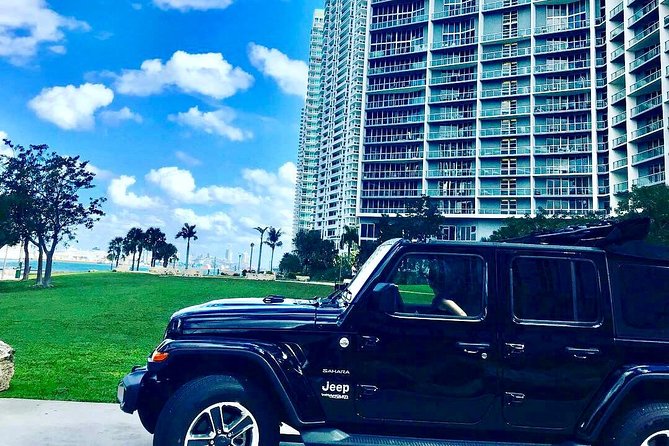
Groups of up to four use a full-size SUV or a four-door or soft-top Jeep Wrangler, depending on availability. Groups of five to twelve use a full-size SUV or passenger van. Ask about the vehicle before booking, particularly if your party has luggage, mobility needs, or a strong preference for open-air seating.
Hotel pickup and drop-off are included at selected hotels. Hotel and port pickup are also listed, but airport and cruise ship port arrangements may require special contact with the operator. Call or email Tons of Fun Tours and Rentals after booking if your pickup involves the airport or port.
Is $293 per person a fair price?
At $293 per person, this is not a budget city sightseeing ride. The price makes more sense for a small group that values private transport, a flexible conversation, and door-to-door service.
For one person or a couple, the cost is harder to justify if you only want quick photo stops. Several attractions are drive-bys, and the tour does not include food, drinks beyond bottled water, or stated admissions to places such as Vizcaya. You are paying mainly for the guide, vehicle, route, and saved planning time.
For a group of four, the private format becomes more attractive because you are sharing the cost while avoiding a large coach. It can also be good value for a family or older group that wants to see many districts without walking long distances or changing transportation.
The strongest value comes from the guide’s range. If you ask questions and use the private format well, the tour can become a moving conversation about Miami’s buildings, immigration, art, ecology, and neighborhoods. If you remain quiet and only want landmarks, you may not get as much from the premium price.
Who should book it?
I would choose this tour for a first Miami visit, a short stay, a pre-cruise or post-cruise day, or a family group with mixed mobility. It also suits anyone who wants to compare South Beach, Wynwood, downtown, Brickell, Coconut Grove, and Coral Gables in one outing.
I would not choose it as the only plan if your priority is spending hours inside museums, walking every Art Deco block, or exploring Wynwood’s art at length. The tour gives you a strong citywide framework, then you can return to the places that interest you most.
Free cancellation is available if you cancel at least 24 hours before the start time. Changes or cancellations within 24 hours are not accepted for a refund, so keep that cutoff in mind.
Should you book this Miami architecture tour?
Book it if you want a private overview with real local context, especially when your group values comfort and direct attention. The route covers an impressive range of Miami, and the guide can connect architecture with immigration, art, Native American heritage, and the natural world.
Skip it if you want long visits at individual attractions or a low-cost hop-on, hop-off experience. At four hours, this is an orientation tour with a premium private price. Used that way, it can be an excellent first look at Miami and a practical way to decide where to spend the rest of your time.
FAQ
How long does the private Miami architecture tour last?
The tour lasts approximately four hours.
What areas of Miami does the tour visit?
The route includes Miami Beach, Wynwood, downtown Miami, Brickell, Coconut Grove, and Coral Gables, along with views from a causeway and several bayfront areas.
Is hotel pickup included?
Hotel pickup and drop-off are included at selected hotels. Hotel and port pickup and drop-off are also listed, but airport and cruise ship port pickups may require special arrangements.
What vehicle is used for the tour?
Groups of up to four are transported in a full-size SUV or a four-door or soft-top Jeep Wrangler, depending on availability. Groups of five to twelve use a full-size SUV or passenger van.
Is this a private tour?
Yes. Only your group participates in the activity.
Is food included?
Food and drinks are not included unless specifically stated. Bottled water is included.
Can I cancel for a full refund?
Yes, if you cancel at least 24 hours before the experience start time. Cancellations or changes made within 24 hours are not refunded or accepted.
Just added around Miami
- South Beach Food Tour- Culinary & Art Deco & History★ 5.0 · 22 reviews
- Miami Beach Art Deco Segway Tour★ 4.5 · 17 reviews
- Miami Beach Art Deco Bike Tour★ 5.0 · 6 reviews
- Miami Beach Bar Tour: Art Deco & Neon Lights by Local Historian★ 5.0 · 5 reviews
- Miami Beach Art Deco Private Tour With Cocktails★ 5.0 · 10 reviews
- Self-Guided Audio Tour – Miami Art Deco★ 3.0 · 7 reviews
- Miami Beach like a Local with Food & Drinks Tasting★ 5.0 · 8 reviews
- South Beach Art Deco Highlights and The Wolfsonian Museum Tour★ 5.0 · 5 reviews
Historical Tours, compared.
Chicago in a Day: Food, History & Architecture Walking Tour
Read our review →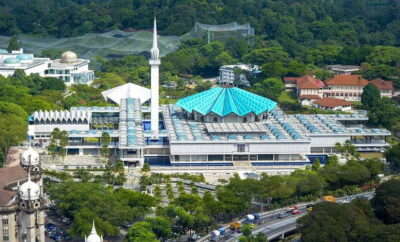
Kuala Lumpur: Batu Caves & Historic Buildings Tour
Read our review →
Charleston’s Best Highlights: History, Culture & Architecture
Read our review →
Palm Springs Modernism Architecture & History Bike Tour
Read our review →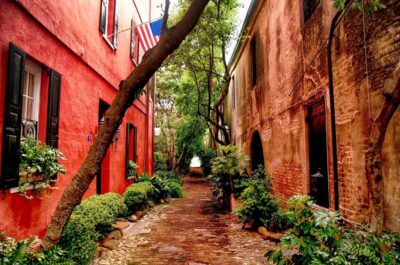
Charleston: History and Architecture Guided Walking Tour
Read our review →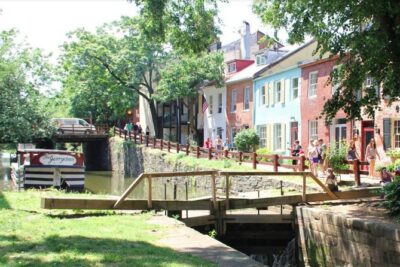
Historic Georgetown: History, Gossip, & Architecture Walking Tour
Read our review →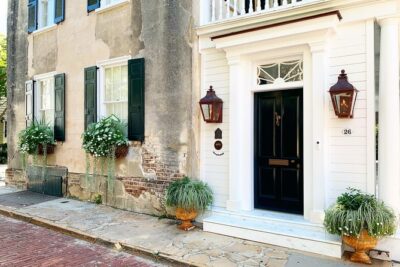
Charleston History, Homes, and Architecture Guided Walking Tour
Read our review →
Browse the lists this tour appears in