
Review · FLORENCE
Cooking Art Brunelleschi with Unlimited Wine
The best part of this Florence cooking class is that you do not simply watch a chef make pasta. You work the dough yourself, shape ravioli, tortelli, and pappardelle, then sit down to eat the results with Tuscan sauces and unlimited wine. The setting, a medieval tower dating from the 1200s, gives the lesson a memorable sense of place.
I like the class for two clear reasons: you learn useful techniques you can repeat at home, and the food you make becomes your lunch or dinner. Chefs including Valentino, Andrea, Arturo, Eduardo, and Giordano are repeatedly singled out for patience, humor, and clear instruction. The main drawback is practical: some participants find the room plain, warm, crowded, or noisy, and you may spend much of the session standing.
Key points to know before booking
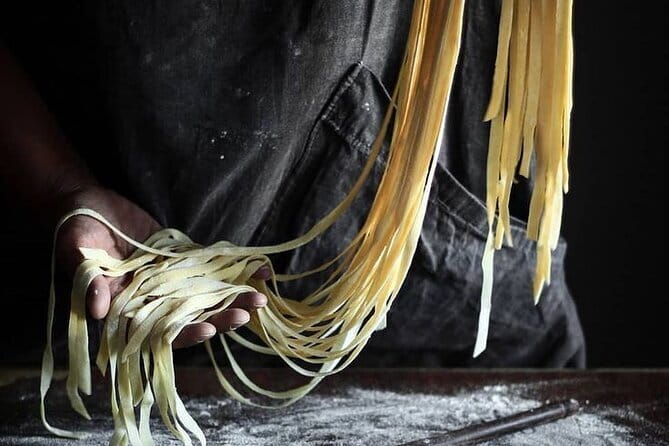
- Three pastas in one class: Make ravioli, tortelli, and pappardelle by hand rather than focusing on only one shape.
- Sauces are prepared alongside the pasta: Expect butter and sage, arrabbiata, and old-fashioned Tuscan ragù.
- A medieval setting: The class takes place inside a tower dating from the 1200s, though the interior may feel simple rather than polished.
- Wine is part of the lesson: Tuscan wine and soft drinks are included, with wine served throughout the cooking and meal.
- About three hours: The pace leaves time for instruction, hands-on work, cooking, and eating what you prepare.
- Good value at $35.07: The price includes lunch, ingredients, equipment, a professional chef, wine, and soft drinks.
Making pasta in a medieval Florence tower
The class meets at Via de’ Bardi, 23 r, in Florence. The address is near public transportation, but finding the entrance may take a little patience because signage is not always obvious. I would arrive early and keep the address ready on your phone rather than expecting a large, easy-to-spot storefront.
The setting is one of the experience’s unusual touches. You are told to expect a medieval tower from the 1200s, connected with the era of the Medici and Renaissance Florence. That does not mean a grand dining room with elaborate decoration. One participant found the room plain and hard to hear in, with no air conditioning. Think practical cooking space first, historic shell second.
That tradeoff matters. The tower gives the class a story and a strong Florence connection, but the room is built for cooking, not sightseeing. If you are choosing this activity mainly for beautiful interiors, you may be disappointed. If you want to spend an afternoon doing something hands-on in an old building, the setting adds a worthwhile layer.
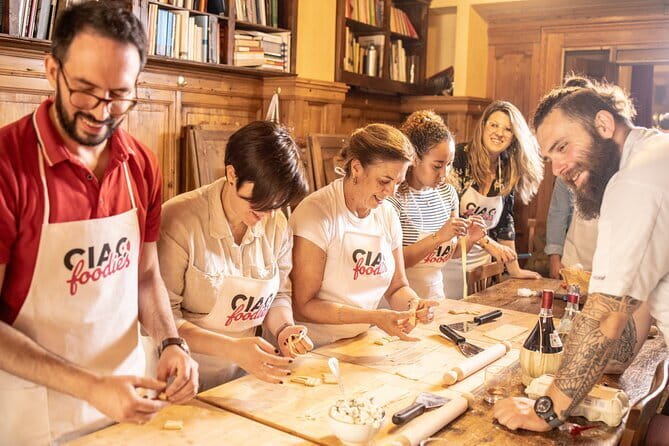
The group can reach as many as 19 people. That is large enough to create a social atmosphere, but it also means the class may feel busy at the start. A large booking may be divided into smaller working groups, and the chef keeps the activity moving from one task to the next.
More dome climbs in Florence:
- Florence: Brunelleschi’s Dome Climb Entry Ticket & Duomo
★ 4.5 · 3,815 reviews - Florence: Brunelleschi’s Dome Reserved Entry Ticket & Duomo
★ 4.6 · 2,216 reviews - Florence Skip-the-Line Duomo Tour with Guide & Brunelleschi Dome
★ 5.0 · 1,176 reviews
Flour, water, and the first pasta dough
The class starts with the foundation of fresh pasta: flour and dough. You do not need to bring equipment. Ingredients, boards, tools, and other supplies are provided, so you can arrive ready to work.
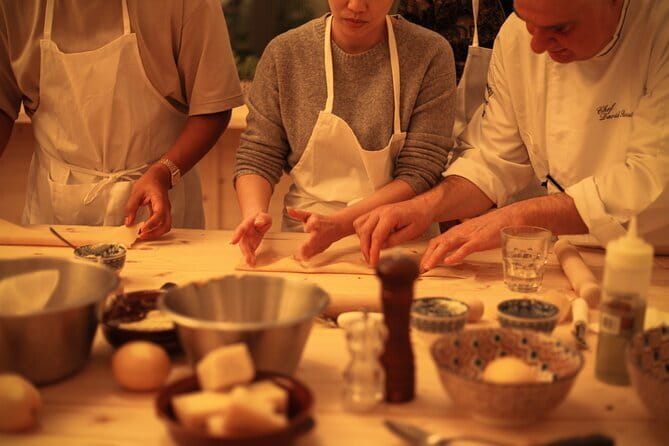
This is not a polished demonstration where you sit back and take notes. You handle the dough and follow the chef’s method. The chefs are used to first-timers, and the instruction is designed to be approachable even if your previous pasta-making experience begins and ends with opening a package from a supermarket.
That hands-on format is the real value. You learn how the dough feels when it is coming together, how to shape it, and how different pasta forms require different handling. A good chef can correct small mistakes before they become a plate of torn or overfilled pasta. Valentino, Andrea, Arturo, Eduardo, Giordano, Francesca, Niccolo, and other named instructors have all been praised for patient, encouraging teaching.
You may also receive recipes or written instructions to take home. That is useful because the class moves quickly, and it is hard to remember every proportion while you are mixing, shaping, talking, and drinking wine.
Three pasta shapes, three different skills
The menu centers on three fresh pastas:
- Ravioli with butter and sage
- Tortello with arrabbiata
- Pappardelle with Tuscan ragù
Ravioli and tortelli teach you to work with filled pasta. You need to manage the filling, seal the dough, and avoid trapping too much air. The shapes are similar in spirit but give you different chances to practice folding and cutting.
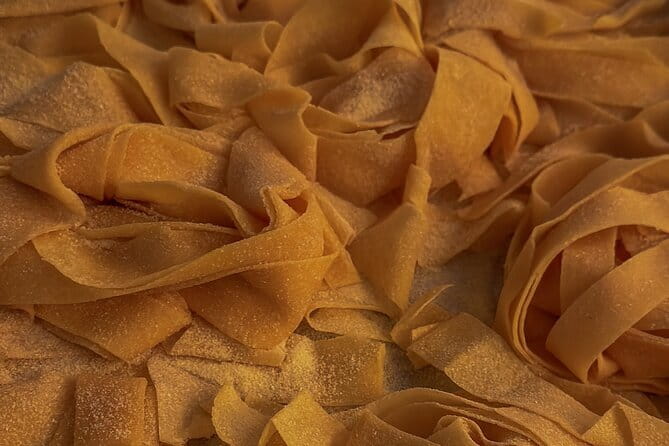
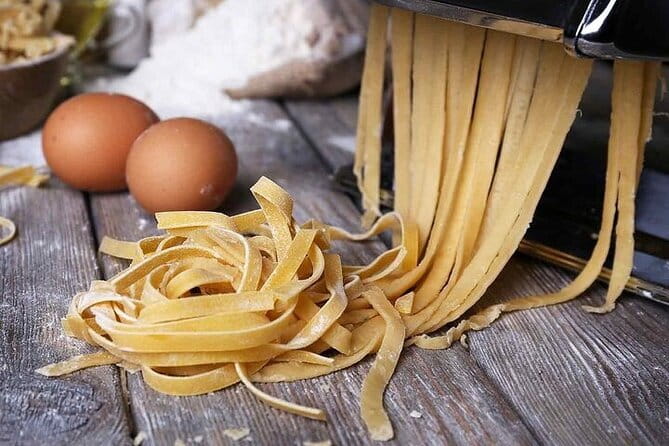
Pappardelle is wider and simpler in appearance, but it still shows why fresh pasta is different from dried pasta. The broad ribbons hold a hearty sauce well, especially the slow-cooked Tuscan ragù prepared by the chef.
I like this three-part menu because it gives you variety without turning the class into a long technical course. You leave having practiced filled pasta and ribbon pasta, which are far more useful skills than learning one decorative shape and nothing else.
The class is also suitable for mixed groups. Parents and teenagers can work side by side, and a family celebrating a 16th birthday found the format a good fit. Children or inexperienced cooks may need help with the more delicate shaping, but the chefs are there to guide the process.
The sauces make the meal feel complete
While you work on the pasta, the chef prepares the sauces. The planned pairings are butter and sage, arrabbiata, and old-fashioned Tuscan ragù.
This division of labor keeps the class flowing. You focus on pasta while the chef handles the parts that benefit from professional timing, such as simmering and seasoning the ragù. You also get to see how a simple pasta dish is built around a suitable sauce rather than treating the sauce as an afterthought.
Butter and sage is a restrained pairing that lets delicate filled pasta speak for itself. Arrabbiata adds tomato and heat to the tortello. The Tuscan ragù gives the pappardelle a heavier, more traditional finish.
The chef explains the sauces as they are prepared, including what goes into them and how they are matched with each pasta. That makes the meal more educational than a generic pasta workshop. You are not only learning how to make dough. You are learning why certain pasta shapes work with certain sauces.
More wine stops in Florence:
- Barcelona Gothic Quarter Tapas & Taverns Food & Wine Tour
★ 5.0 · 1,470 reviews - Barcelona: El Born and Gothic Quarter Wine & Tapas Bar Tour
★ 4.8 · 674 reviews - Barcelona Gothic Quarter VIP Tapas & Wine Tour
★ 5.0 · 276 reviews - Architectural Rioja Small Group Wine Tour with Lunch from Bilbao
★ 5.0 · 128 reviews
Eating what you made, with Tuscan wine
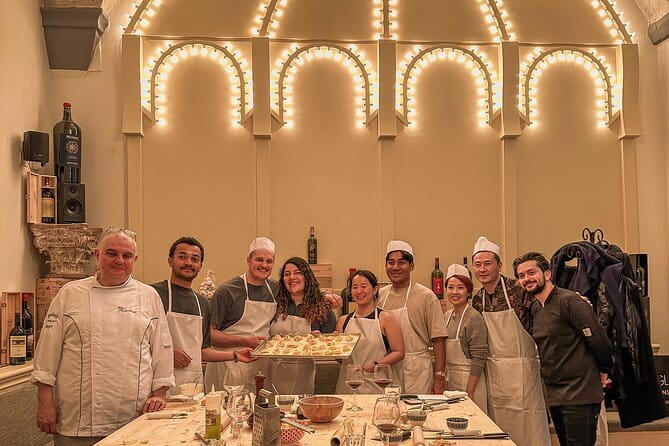
At the end, the class becomes lunch or dinner. The kitchen cooks the pasta, adds the sauces, and serves the dishes you helped prepare. This is an important feature because you can judge the dough and fillings immediately, while the process is still fresh in your mind.
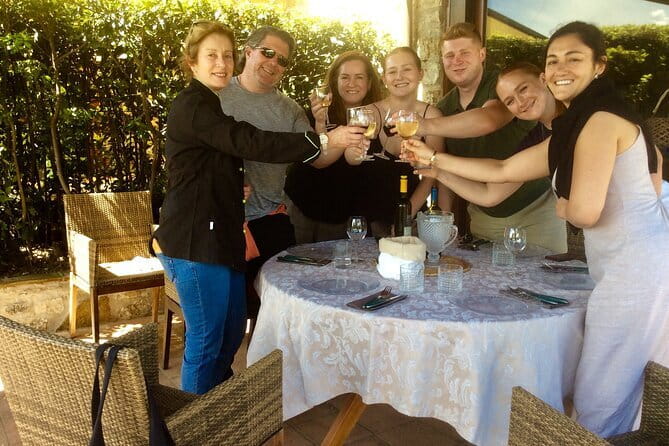
Tuscan wine and unlimited soft drinks are included. Wine is available during the cooking and meal, not only as a single glass placed beside your plate. That helps explain why the activity feels social and relaxed, but you should pace yourself. Three hours of standing, cooking, eating, and drinking can catch up with you.
The wine also changes the tone of the class. It is less like a formal culinary school and more like a shared meal built around a practical lesson. You may arrive with people you know and leave having chatted with participants from several countries.
The amount of food is generous. Some participants have had enough pasta left over for another meal, though the exact portion will vary with the group and service. You should not book this as a light snack before a late dinner. It is intended to function as the meal.
What the chefs do well
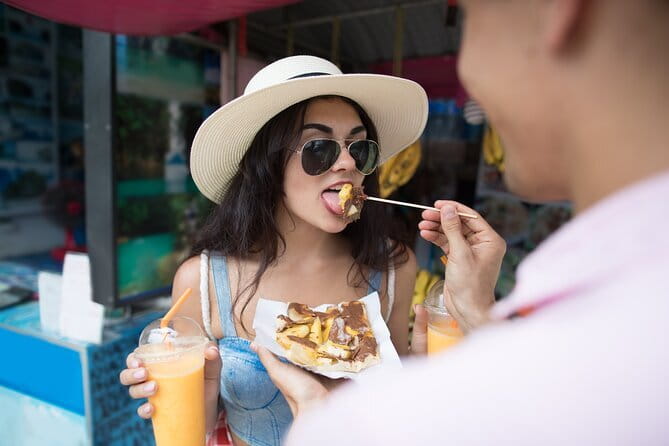
The individual chef matters here. Names associated with the class include Valentino, Andrea, Arturo, Eduardo, Giordano, Francesca, Niccolo, Eno, and Jon Marco. The strongest pattern is not a single cooking style, but a consistent teaching approach: friendly correction, clear demonstrations, and plenty of humor.
Valentino is often described as funny and inclusive, correcting mistakes without making beginners uncomfortable. Andrea is praised for patient explanations, especially when a technique proves difficult. Arturo’s instruction is clear enough to leave participants feeling confident about making pasta at home. Eduardo is noted for creating a relaxed, educational session.
That style suits a class with mixed ability levels. You do not need to arrive knowing how to knead dough or fold tortelli. You will still need to pay attention and take part, but the atmosphere is forgiving.
There are limits. The quality of the experience depends partly on the chef assigned to your session and the size of your group. A class of 8 to 10 may feel easier to follow than a full group of 19. If you want personal, one-to-one instruction, this is not that kind of class.
Group size, noise, and comfort
The maximum group size is 19, which is reasonable for a social cooking lesson but not truly small. Large groups may initially gather outside or in a common area before being divided into smaller working groups. Check-in can feel hectic, especially if a big private family group arrives at the same time.
One participant described being placed with a large family group and feeling uncomfortable at first. The issue improved once the class settled and the smaller group became more welcoming. This is a useful warning: the first few minutes may be less organized than the main lesson.
The room may also feel crowded. You will likely stand for much of the dough preparation, and one participant found the music too loud. Another reported difficulty hearing because of the room’s bare walls. If you have hearing, balance, or mobility concerns, contact the provider before booking.
A family reported that the class was accessible for a father using a wheelchair, but accessibility details are not guaranteed for every person or situation. Confirm the arrangements directly if this is important to you.
There is also a comfort issue in warm weather. One account noted that the space had no air conditioning. Florence can be hot, and cooking over several hours is not the same as sitting in a cool museum. Wear comfortable clothes and shoes, and keep that possible heat in mind when choosing a summer time slot.
Is $35.07 good value?
At $35.07 per person, this is one of the better-value food activities in Florence if you want both instruction and a full meal. The fee includes the chef, ingredients, equipment, three pasta preparations, sauces, lunch, Tuscan wine, and unlimited soft drinks.
Compare that with paying separately for a meal and a cooking lesson, and the price looks strong. You also gain a skill you can use at home. The recipes and techniques have practical value beyond the afternoon.
The price does not buy an intimate private lesson or a refined dining room. You are paying for a lively group class in a working room. Music, noise, standing, and a simple interior are part of the tradeoff.
The rating is 4.9 from 448 ratings, and 98 percent of participants recommend it. Those figures support the idea that the experience delivers what it promises, but they should not hide the small complaints about signage, heat, sound, and crowded conditions.
Who will enjoy this most?
I would recommend the class to couples, families, solo visitors who enjoy meeting people, and anyone who wants a break from museums and churches. It is especially good for a first or second night in Florence because it gives you an immediate introduction to Italian food and provides a complete meal.
It also works well for a family activity across age groups. Teenagers can take part instead of simply watching, and adults do not need advanced kitchen skills. A group of friends can make the wine and shared table part of the evening.
You may want a different experience if you are looking for a quiet, highly polished cooking school, private attention, or a deep focus on one regional pasta technique. You should also think twice if you dislike standing for long periods or are sensitive to heat and noise.
Book ahead if your Florence dates are fixed. The experience averages booking about 29 days in advance, which suggests that popular dates can fill early. Free cancellation is available up to 24 hours before the start time, but changes or cancellations inside that window are not refunded.
Should you book Cooking Art Brunelleschi?
I would book it if you want a practical, social, good-value Florence activity where you make a real meal rather than watch a staged demonstration. The combination of three pastas, three sauces, a medieval tower, and unlimited Tuscan wine gives the class a lot for $35.07.
Go in with realistic expectations. The room may be plain, the class may be busy, and you will probably stand for much of the preparation. But if you can accept those limits, the payoff is strong: you learn pasta techniques, eat what you make, and leave with a meal and recipes you can try again at home.
FAQ
How long does the cooking class last?
The experience lasts approximately three hours.
Where does the class meet?
The meeting point is Via de’ Bardi, 23 r, 50100 Firenze FI, Italy. The activity ends back at the same meeting point.
What types of pasta will I make?
You will prepare three types of fresh pasta: ravioli, tortelli, and pappardelle.
Which sauces are included?
The planned sauces are butter and sage, arrabbiata, and old-fashioned Tuscan ragù.
Is wine included in the price?
Yes. Tuscan wine and unlimited soft drinks are included.
Do I need to bring cooking equipment?
No. All ingredients and equipment for the fresh pasta class are provided.
What is the cancellation policy?
You can cancel up to 24 hours before the experience start time for a full refund. Cancellations or changes made less than 24 hours in advance are not accepted for a refund.
More Cooking Classes in Florence
- Cooking Art Brunelleschi
★ 5.0 · 356 reviews
Just added around Florence
- Florence : Brunelleschi’s Dome Climb Entry Ticket & Duomo★ 4.0 · 12 reviews
- Florence Brunelleschi’s Dome and Cathedral Complex Entry Tickets★ 4.0 · 14 reviews
- Florence Private tour Cathedral, Brunelleschi’s Dome, Museum, Baptistery★ 5.0 · 3 reviews
- Architectural Florence: Private Tour with a Local Expert★ 5.0 · 3 reviews
- Brunelleschi’s Dome Climb and Cathedral Museum Guided Tour★ 4.0 · 3 reviews
- Brunelleschi’s Dome – Private Tour★ 5.0 · 5 reviews
- Brunelleschi’s Dome 1-Hour Guided Tour with Pre-Climb Explanation★ 4.0 · 3 reviews
- Brunelleschi’s Dome Climb VIP Guided Tour★ 4.5 · 3 reviews
Duomo and Dome Climbs, compared.
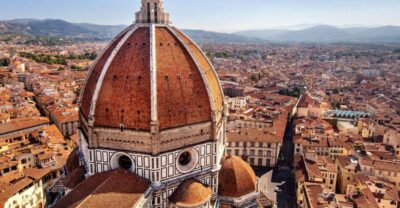
Florence: Cathedral & Brunelleschi’s Dome Ticket & Audio App
Read our review →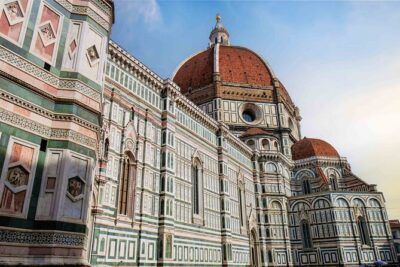
Florence: Brunelleschi’s Dome Climb Entry Ticket & Duomo
Read our review →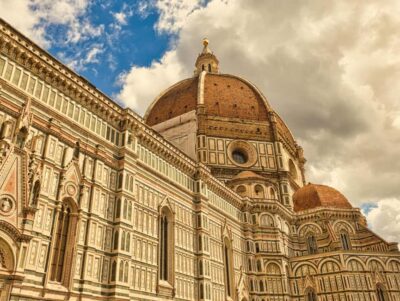
Florence: Brunelleschi’s Dome Reserved Entry Ticket & Duomo
Read our review →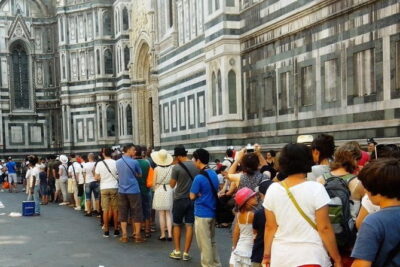
Florence Skip-the-Line Duomo Tour with Guide & Brunelleschi Dome
Read our review →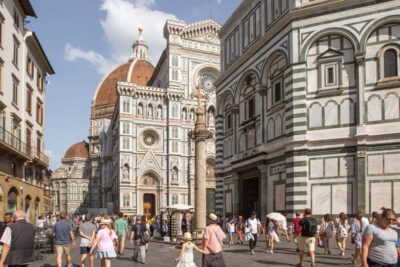
Florence: Duomo Area Tour and Brunelleschi Dome Climb Ticket
Read our review →
Florence: Brunelleschi’s Dome Climb and Duomo Complex Pass
Read our review →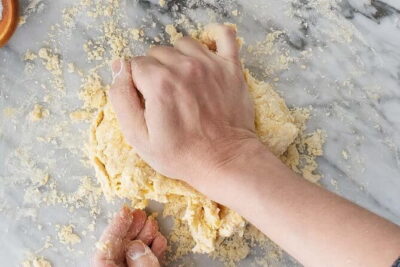
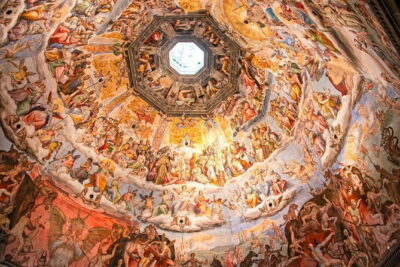
Brunelleschi’s Dome and Cathedral Complex Reserved Ticket
Read our review →Browse the lists this tour appears in