
Review · BARCELONA
Barcelona: Gothic Quarter’s Deepest Secrets Tour and Sangria
Barcelona’s oldest center comes alive on this walking tour, not through a checklist of grand monuments but through stories about politics, war, religion, art, and local life. You move from Plaça Catalunya into narrow medieval lanes, with the Barcelona Cathedral, Roman remains, Civil War memories, and curious corners along the way.
I especially like the route’s range. It links famous places such as Las Ramblas and the cathedral with quieter spots including Plaça Sant Felip Neri and the Bishop’s Bridge. I also like the relaxed finish: a glass of sangria with time for practical advice on food and sightseeing. The main consideration is timing. The activity is advertised as two hours, while the guided portion is also described as two and a half hours, so confirm the exact schedule before booking.
Key points at a glance
- Stories beyond the postcard view: Hear about Catalonian culture, the Spanish Civil War, political intrigue, religion, art, and local customs.
- A useful first look at Barcelona: The route covers Plaça Catalunya, Las Ramblas, the Gothic Quarter, Barceloneta, and the port.
- Roman and medieval layers: See the Roman Cemetery, Augustus Temple, Barcelona Cathedral, and the Archive of the Crown of Aragon.
- Quiet corners amid famous streets: Plaça Sant Felip Neri, Petritxol Street, the Bishop’s Bridge, and George Orwell Square add variety.
- Sangria and local tips: The walk ends with complimentary sangria and recommendations for places to eat and things to see.
- A bilingual experience: Tours are offered in English or Spanish, with guides including Valentina and Juliana praised for warmth and energy.
Why this walk works as a Barcelona introduction
I like this tour best as an early activity in your stay. It gives you a mental map of central Barcelona while explaining why the city feels like several periods pressed together: Roman foundations, medieval lanes, religious power, modern politics, and popular culture.
The route is also broad. You are not confined to one square or one monument. You begin at Café Zurich in Plaça Catalunya, cross toward Las Ramblas, wind through the Gothic Quarter, and finish at Restaurant Pasa Tapas in Barceloneta. That makes the experience useful for orientation, especially if Barcelona is new to you.
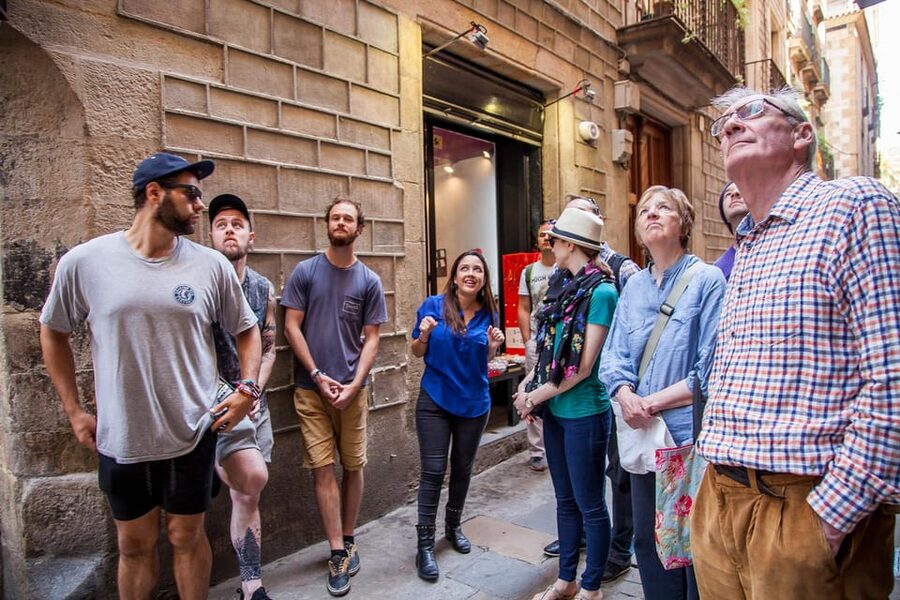
The guide speaks English or Spanish and leads a small-group walk. No group size is specified, so do not assume an especially tiny party. Still, a walking tour in these lanes benefits from a guide who can keep the group together and explain details that are easy to miss.
The strongest part is the storytelling. You hear about Catalonian identity, local traditions, artists, food, religion, and the Spanish Civil War rather than only receiving dates and building names. That mix makes the old center easier to understand and gives you better questions to ask during the rest of your visit.
More Gothic quarter walks in Barcelona:
- Barcelona all included: Sagrada, Park Güell, Montjuic & Gothic
★ 5.0 · 2,169 reviews - Barcelona Gothic Quarter Tapas & Taverns Food & Wine Tour
★ 5.0 · 1,470 reviews - Barcelona: Old Town and Gothic Quarter Walking Tour
★ 4.8 · 1,393 reviews
Starting at Plaça Catalunya and Las Ramblas
Meet outside Café Zurich in Plaça Catalunya, in front of the metro station. Look for the guide wearing a purple name tag. This is a busy meeting area, so arrive with enough time to locate the café and station frontage without rushing.
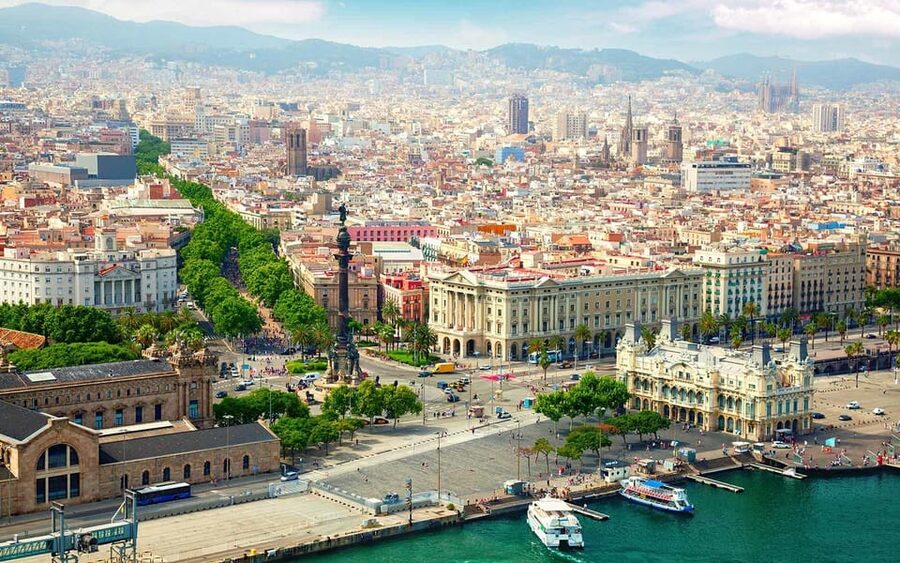
Plaça Catalunya is a practical starting point because it sits between the newer central city and the old quarter. From here, the walk heads toward Las Ramblas and the Canaletas Fountain. The fountain is a small but famous city landmark, and it gives the guide a chance to introduce local traditions before the route turns into the narrower streets.
Las Ramblas is one of Barcelona’s best-known avenues. It can feel crowded and commercial, but it remains an important link between Plaça Catalunya and the waterfront. A good guide helps you read the street instead of treating it as a photo stop. Pay attention to how quickly the broad avenue gives way to much older lanes.
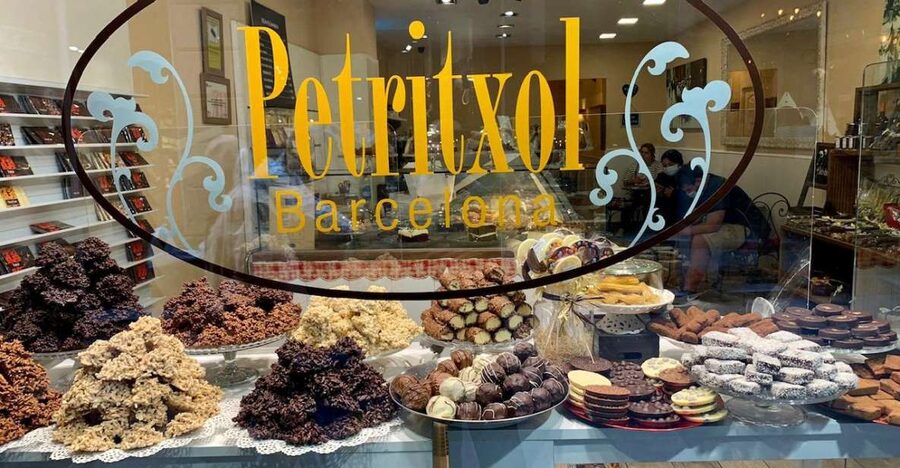
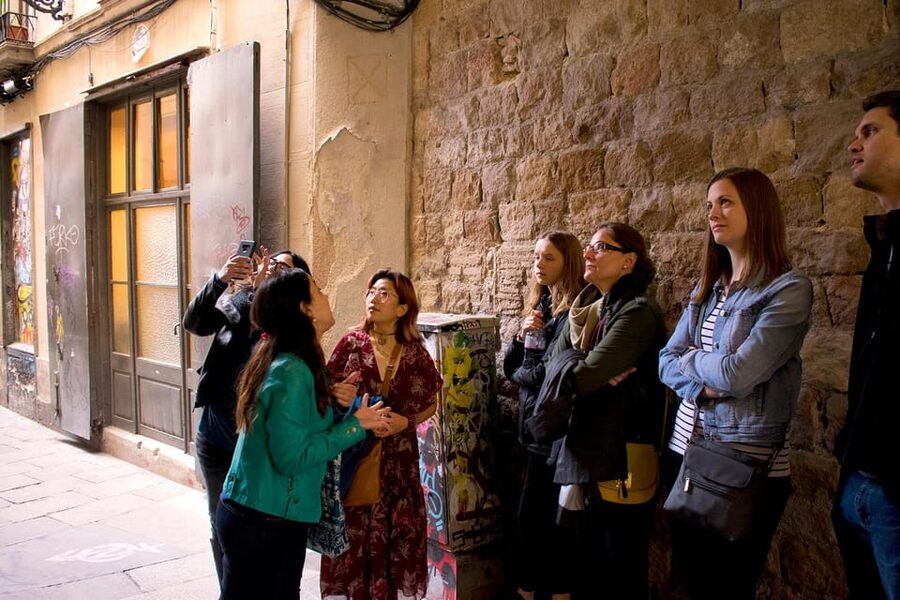
The route also includes Petritxol Street, a narrow passage with a distinct old-city feel. The contrast matters. You move from a major public avenue into a more intimate part of central Barcelona, where the walk becomes slower and more focused on buildings, stories, and local character.
Roman remains beneath the Gothic Quarter
Barcelona’s Gothic Quarter is not only medieval. Roman traces appear along the way, including the Roman Cemetery and the Temple of Augustus. These remains give the district a useful second layer.
The Roman Cemetery helps explain how the city changed around its earliest settlements. The Temple of Augustus is especially valuable because it shows that the quarter’s ancient past is not gone, even when much of what you see around it looks medieval or later.
You do not pay for a separate archaeological visit as part of this tour, and the experience is primarily a guided street walk. That is both a strength and a limitation. You get context while moving through the city, but you should not expect a long museum-style presentation or extended time at every site.
I find this approach good for first-time visitors. You see enough to recognize the city’s age and complexity, then you can decide if a later, more focused visit to a monument or museum deserves space in your schedule.
Barcelona Cathedral and the medieval lanes
Barcelona Cathedral is one of the main landmarks on the route. The tour takes you through the area around the cathedral, but cathedral entry is not included. If you want to go inside, plan that as a separate visit and check opening arrangements for your date.
The cathedral area is a natural point for discussing religion, medieval Barcelona, and the power held by the church. The surrounding lanes are just as important as the façade. Their tight turns and irregular layout create the feeling of an older city built for foot traffic rather than cars.
This is where a guide can add real value. You could walk these streets alone and enjoy their atmosphere, but you might miss the meaning of a doorway, bridge, square, or scarred wall. The tour promises attention to political intrigue, local customs, and lesser-known stories, so expect the route to focus as much on explanation as on photography.
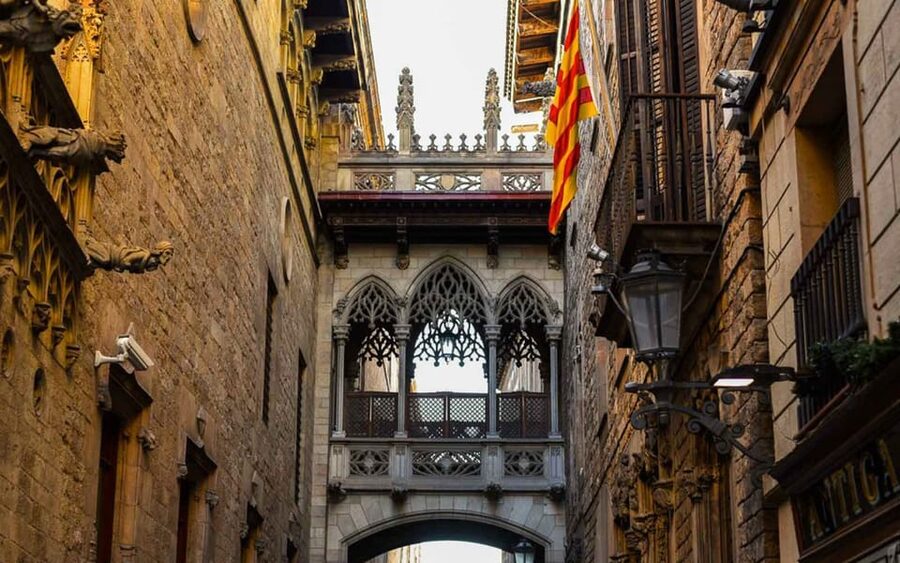
The Archive of the Crown of Aragon appears along the way as another reminder that Barcelona was a political center as well as a trading city. The tour connects this location with Government Square and the Bishop’s Bridge, giving you a look at how authority was represented in the old center.
Same city, a completely different century:
- Barcelona: Sagrada Familia Entry Ticket with Audio Guide
★ 4.6 · 105,312 reviews - Barcelona: Casa Batlló Entry with Self-Audioguide Tour
★ 4.7 · 25,359 reviews - Barcelona in 1 Day: Sagrada Familia, Park Guell,Old Town & Pickup
★ 5.0 · 13,541 reviews - Barcelona: Sagrada Familia Skip-the-Line Entry Ticket & Tour
★ 4.8 · 12,789 reviews
Plaça Sant Felip Neri and the city’s harder stories
Plaça Sant Felip Neri is one of the most affecting stops on this route. It is quieter than the main tourist streets, and its history gives the walk a more serious tone.
The tour includes stories about the Spanish Civil War, so this square becomes part of a larger discussion about Barcelona’s difficult twentieth century. The point is not simply to admire old stone. You are asked to consider how conflict and politics left marks on the city and on the people who lived there.
That balance is important. Barcelona can be presented as architecture, food, beaches, and nightlife, but the city also carries painful memories and strong political feeling. A guide who handles those subjects clearly can help you understand why Catalonian identity remains such a visible part of public life.
The tour also passes Ferran Street, the School of Arts, and George Orwell Square. These stops widen the story beyond medieval religion and Roman ruins. You hear about artists, public life, modern politics, and the shifting character of the city.
George Orwell Square is an interesting inclusion because it signals that the walk is not limited to conventional heritage sites. The route uses names, places, and political associations to show how Barcelona has been interpreted by residents and outsiders alike.
What the guide adds to the walk
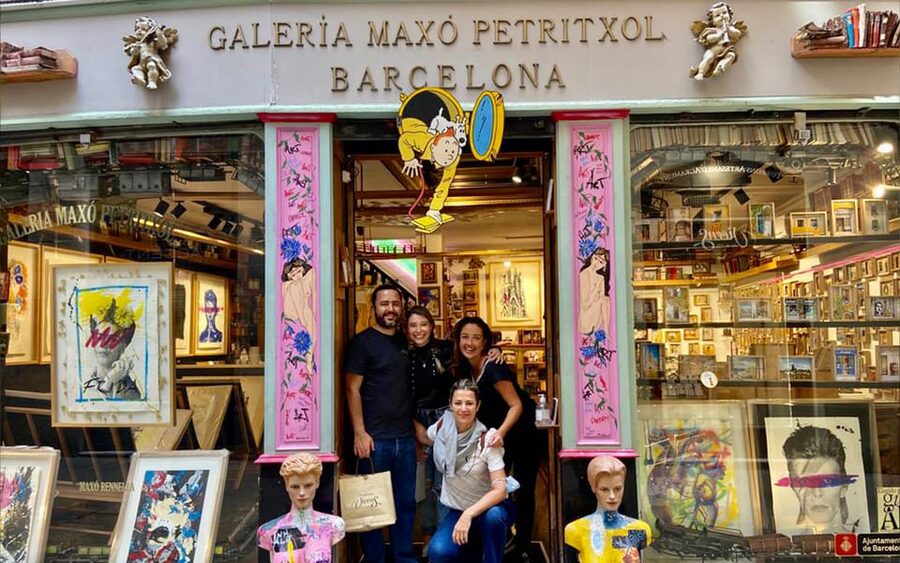
The guide is the heart of this experience. The supplied details name Valentina and Juliana in connection with particularly warm feedback, with Valentina praised for professionalism and Juliana described as a strong guide during a wider trip. Those names may not apply to every departure, so do not assume which guide you will meet.
What you can expect is a live guide in English or Spanish, with a tone that aims to be social as well as informative. The strongest praise focuses on guides who are fun, personable, and able to make the walk feel less formal. That matters in the Gothic Quarter, where a dry list of dates would quickly become tiring.
I would choose this tour if you like asking questions and hearing local context. It suits people who want more than a photograph at the cathedral or a quick pass through Las Ramblas. It may be less suitable if you prefer silent sightseeing, a fixed lecture, or a tour devoted to only one subject.
The wording suggests a small-group format, but the exact number is not given. If group size is a major concern, ask before booking. Narrow lanes are easier with a manageable party, and a smaller group usually gives you more room to speak with the guide.
From the old center toward Barceloneta
The finish at Restaurant Pasa Tapas in Barceloneta gives the walk a clear change of scene. The route moves from medieval streets toward the waterfront district and port area, linking the old center with one of Barcelona’s best-known coastal neighborhoods.
Barceloneta and the port add a practical sense of place. Barcelona is not only an inland historic center. Its connection to the sea has shaped trade, food, work, and daily life. Including the port helps you see how the city’s geography connects its old streets with its modern identity.
The restaurant is the stated endpoint, not a full meal stop included in the price. Food after the tour is not included, so budget separately if you want to eat there or nearby. The included drink is sangria, served at the end of the experience.
This final section also means you should wear comfortable shoes and be ready to walk continuously. The route crosses several districts and includes uneven historic streets. No special footwear is specified, but practical walking shoes are the sensible choice.
Sangria, recommendations, and the real value
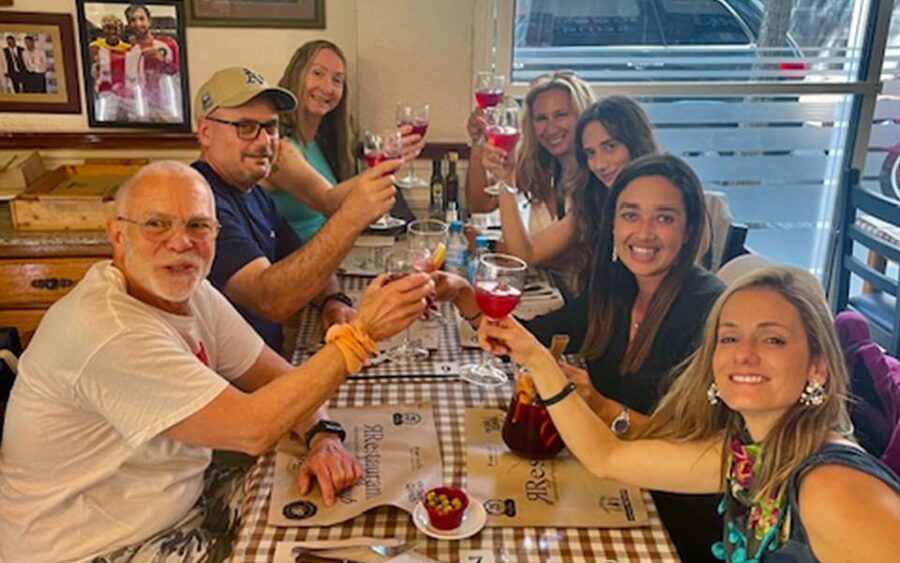
The complimentary sangria is more than a sweet finish. It gives you a few minutes to sit down, talk with the guide, and ask the questions that often come up after seeing the city. You can ask where to eat, what to visit next, and which parts of Barcelona deserve more of your time.
That advice may be the most useful part of the ending. A guide who knows your interests can point you toward food, culture, or additional sightseeing. The tour does not promise a full meal or a tasting menu, so do not book it as a food tour. Think of the sangria as a social close to a history and orientation walk.
At $64 per person, the value depends on how much you use the guide’s context. The price is not only paying for a drink and a stroll through streets you could visit for free. It covers a bilingual guide, a planned route across several parts of central Barcelona, background on complicated subjects, and personal recommendations at the end.
Still, the cost is higher than walking the same streets independently. You should book if you want interpretation and conversation. If your priority is simply seeing the cathedral, Las Ramblas, and the Roman remains at your own pace, a self-guided route will cost less.
The five available ratings are all five stars, and the written praise repeatedly centers on the guides’ warmth, energy, and ability to make the walk feel personal. That is a useful signal, but the sample is small. I would place more weight on the tour’s subject mix and route than on the perfect rating alone.
Timing, access, and booking details
The activity is listed as two hours, while the guided itinerary is also described as two and a half hours. Treat the timing as approximate until you confirm the departure details. That difference can affect dinner plans, museum reservations, or a later evening activity.
The tour is wheelchair accessible according to the supplied information. The route passes through historic streets, so you may still want to confirm the exact accessibility arrangements for the current departure if that is important for your group.
You can cancel up to 24 hours in advance for a full refund. A reserve-now-and-pay-later option is also offered, which can help if your Barcelona plans are still moving around. These policies make it easier to place the tour near the start of your stay without locking in every detail immediately.
Who should book the Gothic Quarter walk?
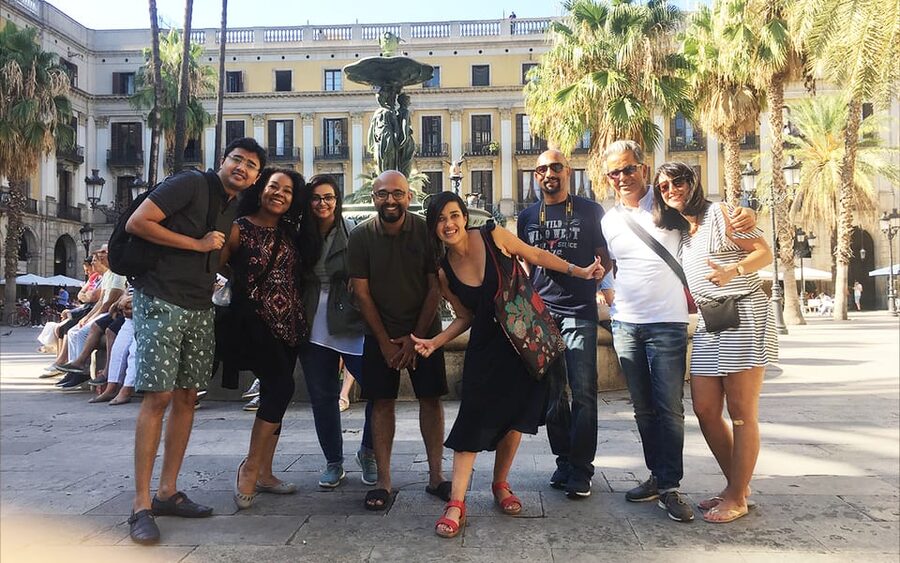
I would recommend this experience to first-time visitors who want a broad introduction with real historical weight. It is particularly useful if you want to connect Roman Barcelona, the medieval center, Catalonian culture, the Civil War, modern politics, and the waterfront in one outing.
It also suits couples, friends, and solo visitors who enjoy a conversational guide. The sangria finish adds a friendly social note, and the food recommendations can help you make better choices during the rest of your stay.
Families may appreciate the short format, though the subject matter includes war and political conflict. The tour is also a reasonable choice for anyone who has limited time and wants a fast orientation before exploring on their own.
I would skip it if you mainly want cathedral entry, a dedicated food tasting, or a long visit inside historical sites. Those are not included. I would also confirm the duration before booking if your day is tightly planned.
Should you book this Barcelona tour?
Book it if you want the Gothic Quarter explained by a lively guide rather than simply photographed. The route covers a lot, from Plaça Catalunya and Las Ramblas to Roman remains, the cathedral, Civil War stories, George Orwell Square, Barceloneta, and the port.
The strongest reason to go is the guide-led storytelling, especially if Valentina or Juliana is leading your departure. The sangria and local advice make the ending pleasant, but the real value is the way the walk connects Barcelona’s many eras and political stories.
At $64, it is best for you if context matters and you want help choosing what to do next. Confirm the two-hour versus two-and-a-half-hour timing, remember that cathedral entry and food are extra, and arrive at Café Zurich with comfortable shoes and a little patience for busy Plaça Catalunya.
FAQ
Where does the tour begin?
Meet your guide outside Café Zurich in Plaça Catalunya, in front of the metro station. The guide will be wearing a purple name tag.
Where does the tour finish?
The tour finishes at Restaurant Pasa Tapas in Barceloneta.
How long does the tour last?
The activity is listed as two hours, while the guided portion is also described as two and a half hours. Check the available starting time and confirm the exact duration before booking.
Which languages are available?
The live tour guide speaks English or Spanish.
Is sangria included?
Yes. Complimentary sangria is included at the end of the walking tour.
Is food included after the tour?
No. Food after the tour is not included.
Is entry to Barcelona Cathedral included?
No. The tour passes by Barcelona Cathedral, but cathedral entry is not included.
Can I cancel the booking?
Yes. You can cancel up to 24 hours in advance for a full refund. A reserve-now-and-pay-later option is also available.
Just added around Barcelona
- Love in the Gothic Quarter Barcelona: Self-Guided Romantic Walk★ 4.5 · 9 reviews
- Walking tour of the Gothic Quarter of Barcelona + Cathedral★ 5.0 · 8 reviews
- Wine tasting with a view of the Sagrada Familia★ 4.5 · 13 reviews
- Visit to the Modernist houses of the Americans★ 5.0 · 2 reviews
- Barcelona Jewish & Gothic Tour★ 5.0 · 18 reviews
- Roman & Gotic & Gaudi in Barcelona: private walking tour★ 4.5 · 2 reviews
- Self-Guided Audio Tour-The Surrealist Barcelona of Dalí and Gaudí★ 3.5 · 8 reviews
- Barcelona Gaudi Tour: Sagrada Familia, Casa Batllo & Casa Mila★ 5.0 · 4 reviews
Gothic Quarter Tours, compared.
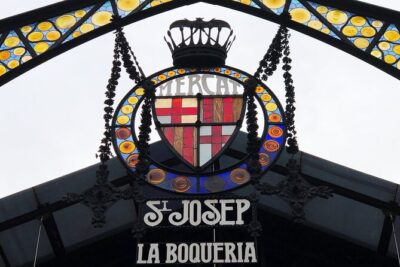
Barcelona all included: Sagrada, Park Güell, Montjuic & Gothic
Read our review →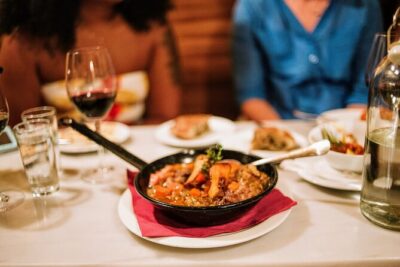
Barcelona Gothic Quarter Tapas & Taverns Food & Wine Tour
Read our review →
Barcelona: Gothic Quarter Ghosts and Legends Walking Tour
Read our review →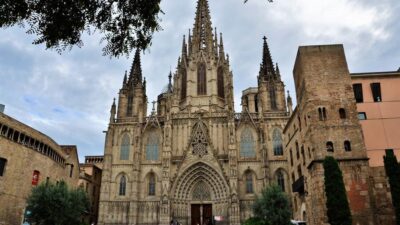
Barcelona: Old Town and Gothic Quarter Walking Tour
Read our review →
Barcelona Old Town & Gothic Quarter Small Group Tour
Read our review →
Ramblas, Old Town, Gothic and Gaudi Architecture Walking Tour
Read our review →
Barcelona: El Born and Gothic Quarter Wine & Tapas Bar Tour
Read our review →
Kids and Family Gothic Quarter Walking Tour in Barcelona
Read our review →Browse the lists this tour appears in