
Review · BARCELONA
Barcelona: Gothic Quarter Walking Tour
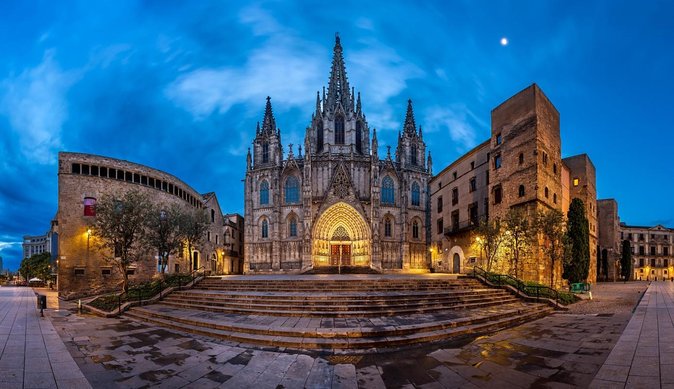
Barcelona’s Gothic Quarter is best understood on foot, one crooked lane and small square at a time. This German-language tour traces the city from Roman water systems to medieval power struggles, the Jewish Quarter, the Inquisition, the Spanish Civil War, and the maritime world of Santa Maria del Mar.
I like the story-driven route, which gives ordinary stones, chapels, palace walls, and narrow lanes a reason to matter. I also like the practical touch: guide Johannes has brought photos and offered useful advice on restaurants, shopping, and local specialties.
The main consideration is pace and scope. Three and a half hours on old paving stones can feel tiring, and this is mainly an exterior walk. You will not get a full museum tour or extended interior visits.
Key points at a glance
- Roman beginnings: See how ancient water systems and a Roman settlement shaped Barcelona’s oldest streets.
- Medieval power: Follow the rise of the Crown of Aragon and Barcelona’s growth into a maritime force.
- Jewish and royal Barcelona: Learn about the lost Jewish community, the Inquisition, royal fears, and Columbus.
- Legends in stone: Hear the stories behind dragons, a dancing egg, a half house, and Santa Maria del Mar.
- A walk, not a race: The route allows time for photographs, brief rests, and a bathroom stop.
- German-language guidance: The tour is conducted in German and is offered as a private group experience.
Starting at Plaça de Catalunya
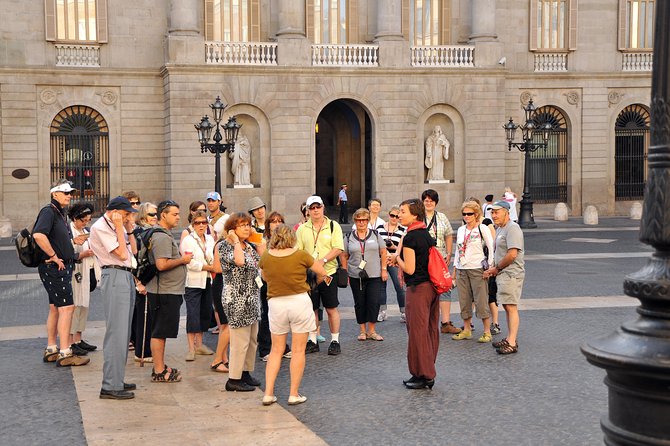
Meet in front of Hotel Olivia Plaza at Plaça de Catalunya, 19. This is a sensible starting point because you begin at the broad modern edge of central Barcelona and then move into the older quarters where the streets tighten and the past becomes easier to read.
The first few minutes matter. Plaça de Catalunya is not a medieval square, so it gives you a clear before-and-after view of the city. From here, the walk heads toward the Gothic Quarter, where large avenues give way to small lanes and enclosed plazas.
I like a starting point near this major square because it is easy to identify. You are not searching for a tiny doorway in the old quarter while trying to spot your guide. Still, arrive ready to walk. The route ends in El Born, so you do not return to the starting point.
The tour lasts about three and a half hours, though the itinerary also describes roughly three hours of city touring. That difference is not a concern, but it is worth allowing the full three and a half hours in your plans. With stops, photographs, explanations, and a relaxed pace, this is not a quick orientation stroll.
More Gothic quarter walks in Barcelona:
- Barcelona all included: Sagrada, Park Güell, Montjuic & Gothic
★ 5.0 · 2,169 reviews - Barcelona Gothic Quarter Tapas & Taverns Food & Wine Tour
★ 5.0 · 1,470 reviews - Barcelona: Old Town and Gothic Quarter Walking Tour
★ 4.8 · 1,393 reviews
Roman Barcelona beneath the medieval city
The tour begins far earlier than the Gothic label suggests. You will hear about Roman luxury and flowing water used for a convalescent colony, a reminder that Barcelona was already a settled place with infrastructure and status long before its medieval churches appeared.
This is one of the more useful parts of the walk because the Roman layer can be easy to miss. Medieval walls and later buildings often receive all the attention, while the older foundations sit quietly below or beside them. A guide helps connect those fragments to the larger story.
The route does not promise interior archaeology displays or a museum visit. Instead, you learn from what is visible in the streets and squares. That keeps the walk moving, but it also means you should not expect a long look at excavated objects or a formal Roman site presentation.
The guide’s task here is to show how Barcelona kept building over itself. Roman settlement, medieval government, religious institutions, royal ambitions, and modern city life all occupy the same compact area. It is a useful way to read the old city without treating it as a frozen museum piece.
Narrow lanes, holy places, and the birth of a nation
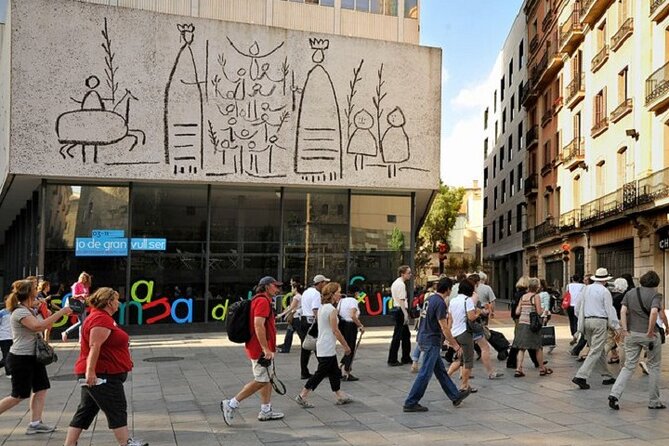
As you enter the Barrio Gotico, the streets become the main attraction. The route takes you through winding alleys and picturesque squares, with stories tied to the people who once lived, prayed, governed, traded, and fought here.
Several subjects add bite to what could otherwise be a pleasant but shallow old-town walk. You will hear about the rise of a holy city, the birth of a nation, and the unpleasant violence behind political change. The history is not softened into a string of pretty buildings.
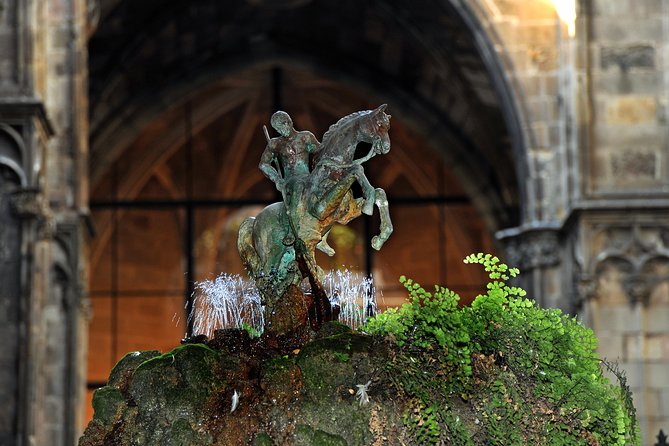
One story concerns how the dragon came to Barcelona. Another follows a young girl in the pines and a French soldier’s bayonet. These sound like local legends at first, but they help show how memory, religion, conflict, and civic identity become attached to specific places.
I like this approach because it gives you something to look for after the guide has finished speaking. A carved figure, a street name, or an odd architectural detail can carry a story forward. The risk is that the amount of material can feel dense, especially if you prefer only the major landmarks.
The walk is conducted in German, and that language choice is central to the experience. If you are comfortable in German, you can expect a detailed spoken account rather than a guide who simply points out façades. If you are not comfortable in German, choose another tour.
The Jewish Quarter and the cost of religious power
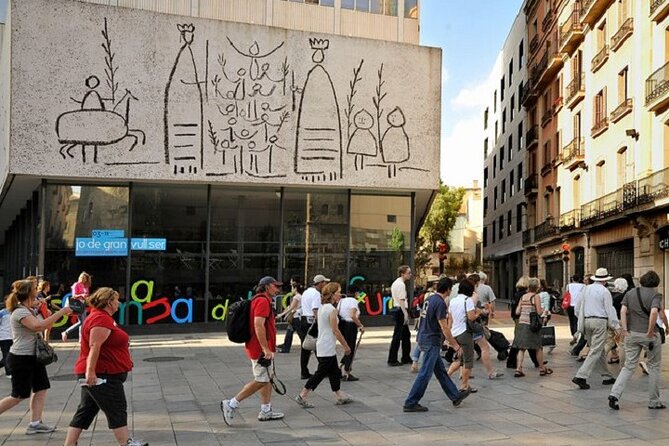
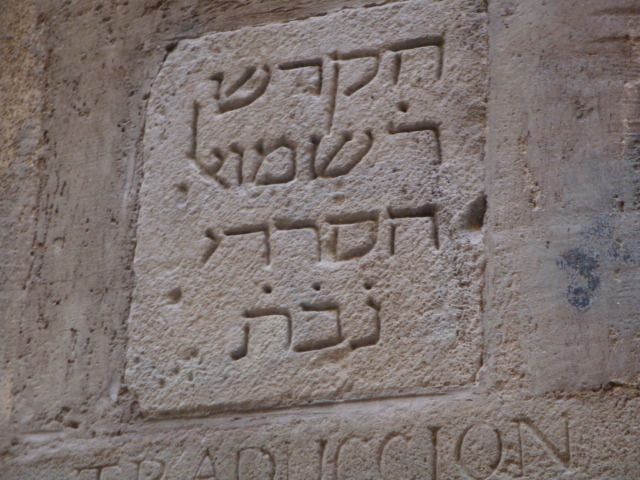
The old Jewish Quarter is one of the most important parts of the route. Here, the guide addresses the remains of a lost world, then moves into the Inquisition and the religious pressures that shaped life in medieval Barcelona.
The value is not just in seeing a few old lanes. The Jewish Quarter helps you understand that the Gothic city was once made up of different communities with their own institutions, homes, work, and traditions. The route also shows how little can remain visible after persecution and forced change.
The Inquisition section adds a darker edge. The tour includes a story involving the hound kings, along with a warning that praise was not harmless in that world. The precise details will depend on the guide’s presentation, but the larger point is clear: royal and religious power could carry serious consequences.
This is not a polished parade of royal success. You will encounter fear, violence, exclusion, and political failure along with architecture and civic pride. I consider that a strength, especially for anyone who wants Barcelona’s past presented with its rough edges intact.
The walk remains outside for the most part. You should think of the Jewish Quarter as a place of streets, walls, and clues rather than a museum stop with a long indoor explanation.
More architecture walks in Barcelona:
- Ramblas, Old Town, Gothic and Gaudi Architecture Walking Tour
★ 5.0 · 723 reviews - Kids and Family Gothic Quarter Walking Tour in Barcelona
★ 5.0 · 465 reviews - Barcelona Gothic Quarter Walking Tour
★ 4.5 · 456 reviews - Barcelona: Gothic Quarter Walking Tour with 10+ Attractions
★ 5.0 · 369 reviews
The Crown of Aragon and a city looking to the sea
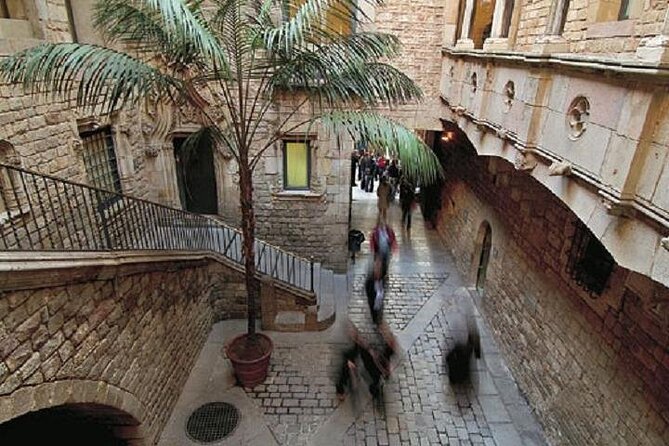
Barcelona’s medieval story expands when the route reaches the Crown of Aragon. The tour follows the change from a smaller city into a maritime power, linking local streets to trade, government, and the wider Mediterranean.
You will also hear about the advice of the hundreds and the general, along with the death of King Martin and the beginning of the end of shared political power. These are not simple sightseeing facts. They show how decisions made in royal and civic rooms affected the shape of Barcelona.
For me, this is where the walk becomes more than an architecture lesson. A palace wall is easier to remember when you know it belonged to a city arguing over who should rule and how much power ordinary institutions should have.
The tour’s storytelling style seems designed for visitors who enjoy connected episodes rather than a list of dates. Still, expect names and political developments. If you have little background in Spanish or Catalan history, some of the material may require concentration.
The guide may also use photographs to clarify what has changed. Johannes, one guide associated with this experience, has used extra images to help explain places that no longer look as they once did. That is especially useful in a quarter where later buildings can hide older arrangements.
Royal fears, Columbus, and the strange logic of old buildings
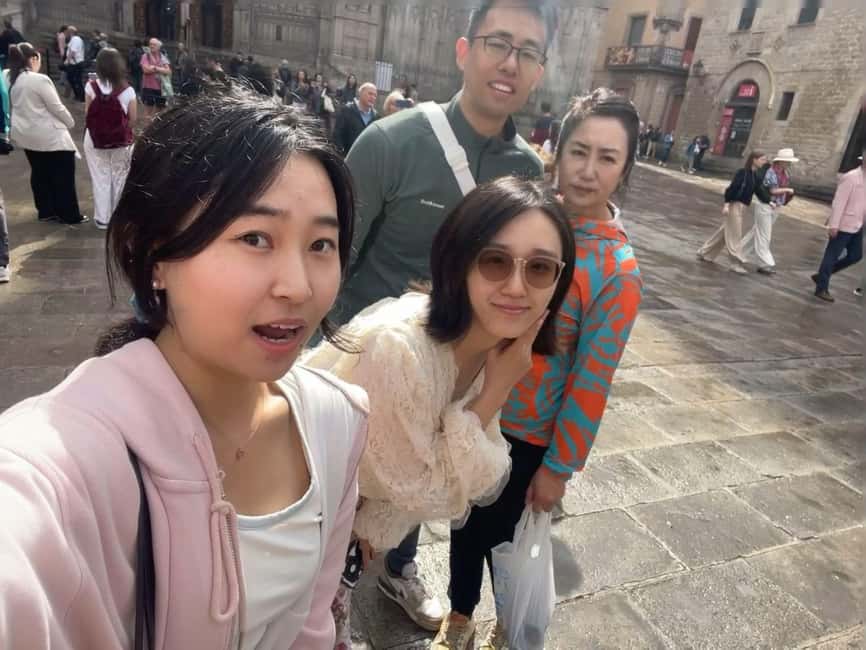
The royal palace section brings personal drama into the political story. You will hear about King Fernando fighting his fears and about Columbus not being received at home. The point is not simply to attach famous names to a building. It is to show that royal power was made up of people with anxieties, rivalries, and imperfect judgment.
The Gothic Quarter also includes one of the tour’s more unusual ideas: a Gothic theme park where houses move, stone by stone. This subject helps explain that old cities are not always as untouched as they appear. Buildings can be altered, relocated, or reworked for practical, political, or decorative reasons.
That is a valuable warning for anyone who treats every old façade as an unchanged survivor. Barcelona’s past has been preserved, edited, reconstructed, and sometimes rearranged. A good guide can help you separate genuine age from later presentation.
The route also includes the dancing egg, a local tradition that gives the walk a lighter moment. It is a useful change of tone after the darker stories of war, persecution, and political loss. You should not expect every unusual feature to be available as a full indoor attraction, but you will hear why it matters to the city.
Santa Maria del Mar and the working city
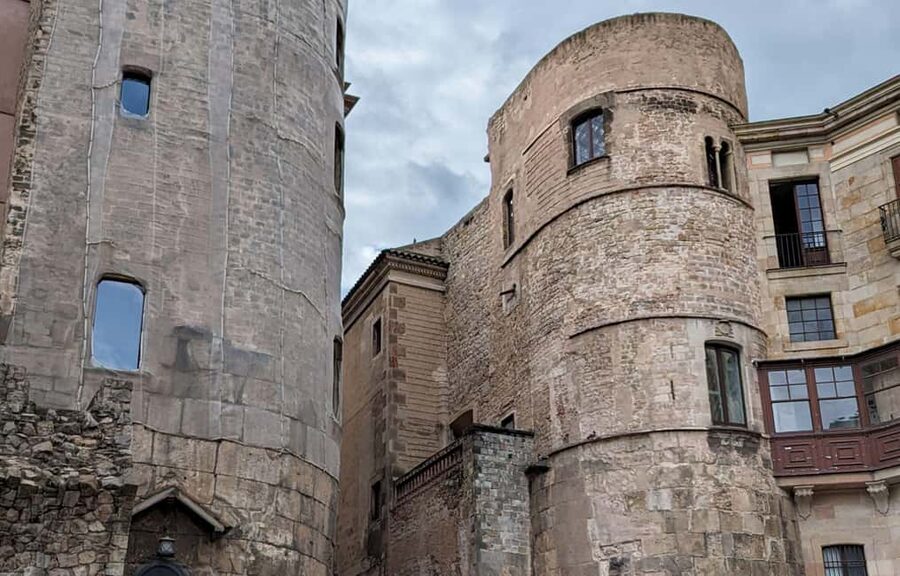
The route continues toward Santa Maria del Mar and El Born, where religious ambition meets the effort of ordinary people. The church is presented as the first collaborative project, with legends and heroes tied to its story.
This is an important contrast to the royal palace. Santa Maria del Mar is associated with a broader civic and communal effort, not only with kings and nobles. The tour uses it to show how Barcelona’s residents could shape an important building together.
The itinerary focuses on the exterior, so you should not book this walk expecting a detailed interior examination of the church. You will see the building in its urban setting and hear the stories that give it meaning. If the church interior is a priority, plan a separate visit.
The final stretch includes the mulberry grave, the vengeance of the Bourbon kings, and the head of a general. These stories bring the walk into the political damage left by later struggles. The route does not stop at a romantic medieval vision. It follows the scars left by conquest and centralized power.
A half house and the song of the knife-grinder add another layer of everyday Barcelona. These details help keep the old city from becoming only a stage for kings and saints. You also get glimpses of street life, work, local memory, and the odd little facts that make a walking tour stick in your mind.
What the pace and access are really like
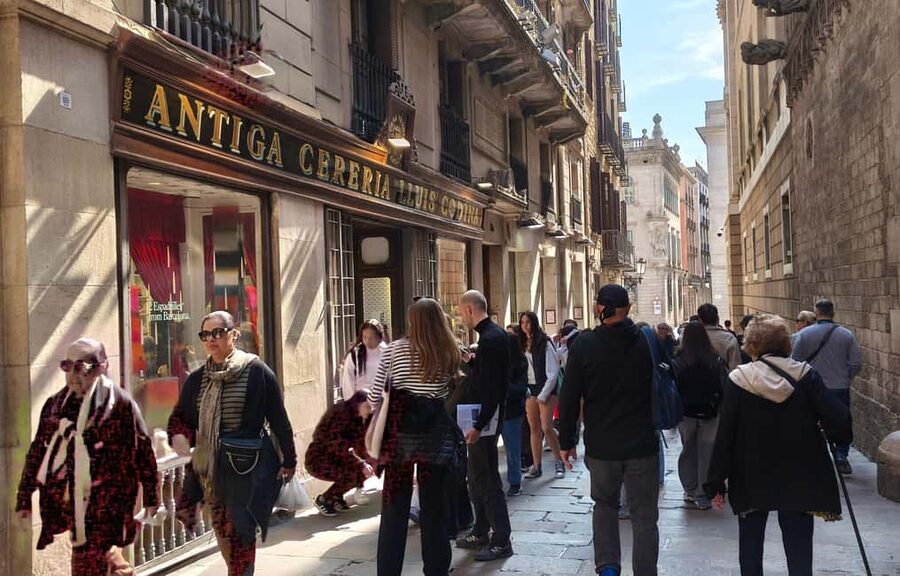
This is described as a relaxed walk, with time for photographs and a bathroom break. That does not mean effortless. One direct comment calls the experience tiring while still rating it very highly, which makes sense for a long route through historic streets.
Old paving can be uneven, and the schedule keeps you outside in changing weather. The tour runs in sun, rain, wind, and strong showers. In summer, bring a hat, sunglasses, sunscreen, and a small bottle of water. In winter, a jacket or light coat should be enough according to the tour guidance.
The activity is wheelchair accessible, but you should still consider the practical demands of an old quarter with narrow streets and historic surfaces. The provided information identifies the tour as accessible, though it does not describe every surface or restroom arrangement.
If the route includes a cloister visit, wear clothing that reaches at least the knees and covers the shoulders. This is an easy detail to miss, and packing a light layer can save you a problem.
The walk is best for people who enjoy listening while moving. It is less suitable if you want frequent indoor seating, long museum stops, or a short list of only Barcelona’s most famous sights.
What $212 means for a group of four
The price is $212 per group of up to four people. For a full group, that works out to about $53 per person for three and a half hours. For two people, the per-person cost is higher, but you are paying for a private group format rather than joining a large crowd.
That distinction matters. A private walk can make it easier to ask questions, pause for photos, request practical advice, and adjust the amount of detail to your interests. The experience also includes live German-language guidance, which may be difficult to find in the exact same format.
The value is strongest if you have three or four people and want a serious history walk. It is less compelling if you mainly want to see the quarter quickly from the outside and plan to use a free map or brief orientation instead.
You are not paying for entry tickets, and interior visits are not included. Budget separate admission costs if you want to explore churches, museums, or other attractions from inside. The tour’s value comes from interpretation, route planning, and the connection between places.
The experience has a 4.9 rating from 383 reviews, and the praise centers on useful detail, clear structure, personal attention, and practical advice. That matches the design of the walk: it aims to explain Barcelona rather than simply move you past it.
Who will get the most from this Gothic Quarter walk
I would choose this tour if you want Barcelona’s old city explained in German and prefer a private group to a large public walk. It suits history-minded visitors who enjoy Roman beginnings, medieval institutions, Jewish heritage, royal politics, legends, and the effects of war.
It also works well early in a Barcelona visit. The route ends near Passeig del Born, so you finish in a useful area for continuing your day. Practical suggestions about restaurants, shopping, and local specialties can help you make decisions during the rest of your stay.
Families and mixed-age groups may appreciate the stories about dragons, the dancing egg, moving houses, and the knife-grinder. The darker subjects mean this is not a purely cheerful outing, but the range of topics keeps the walk from feeling like one long lecture.
I would skip it if you need a fully indoor activity, dislike historical detail, or want to spend most of the time inside monuments. I would also think twice if walking for three and a half hours is difficult, even though the pace is described as relaxed.
Should you book it?
Book this Gothic Quarter tour if a German-speaking guide, private format, and detailed storytelling are important to you. The strongest reasons are the broad time span, the unusual local stories, the attention to Jewish and political history, and the useful advice that can carry into the rest of your Barcelona visit.
The main tradeoff is clear: you get a thoughtful exterior walk, not a package of museum entries. Bring sensible shoes, water, weather protection, and patience for a long route. For a small group that wants to understand how Roman, medieval, royal, religious, and modern Barcelona occupy the same streets, the price can be fair.
FAQ
Where does the Barcelona Gothic Quarter tour begin?
It begins in front of Hotel Olivia Plaza at Plaça de Catalunya, 19, 08002 Barcelona.
Where does the tour finish?
The tour finishes at Passeig del Born, 22, 08003 Barcelona.
How long does the walking tour last?
The activity lasts about 3.5 hours. The city tour itself is also described as approximately three hours within that schedule.
What language is the tour conducted in?
The live tour guide conducts the experience in German.
Are museum entries and interior visits included?
No. Entry fees and interior visits are not included. The tour mainly visits monuments and historic places from the outside, with a couple of possible exceptions.
Is the tour wheelchair accessible?
Yes. The activity is listed as wheelchair accessible. It is also a walking tour through historic streets and squares, so you should consider the practical demands of old-city surfaces.
Just added around Barcelona
- Love in the Gothic Quarter Barcelona: Self-Guided Romantic Walk★ 4.5 · 9 reviews
- Walking tour of the Gothic Quarter of Barcelona + Cathedral★ 5.0 · 8 reviews
- Wine tasting with a view of the Sagrada Familia★ 4.5 · 13 reviews
- Visit to the Modernist houses of the Americans★ 5.0 · 2 reviews
- Barcelona Jewish & Gothic Tour★ 5.0 · 18 reviews
- Roman & Gotic & Gaudi in Barcelona: private walking tour★ 4.5 · 2 reviews
- Barcelona Gaudi Tour: Sagrada Familia, Casa Batllo & Casa Mila★ 5.0 · 4 reviews
- Self-Guided Audio Tour-The Surrealist Barcelona of Dalí and Gaudí★ 3.5 · 8 reviews
Gothic Quarter Tours, compared.
Barcelona all included: Sagrada, Park Güell, Montjuic & Gothic
Read our review →
Barcelona Gothic Quarter Tapas & Taverns Food & Wine Tour
Read our review →
Barcelona: Gothic Quarter Ghosts and Legends Walking Tour
Read our review →
Barcelona: Old Town and Gothic Quarter Walking Tour
Read our review →
Barcelona Old Town & Gothic Quarter Small Group Tour
Read our review →
Ramblas, Old Town, Gothic and Gaudi Architecture Walking Tour
Read our review →
Barcelona: El Born and Gothic Quarter Wine & Tapas Bar Tour
Read our review →
Kids and Family Gothic Quarter Walking Tour in Barcelona
Read our review →Browse the lists this tour appears in