
Review · BARCELONA
Barcelona: first steps (from Sagrada Familia to Rambla)
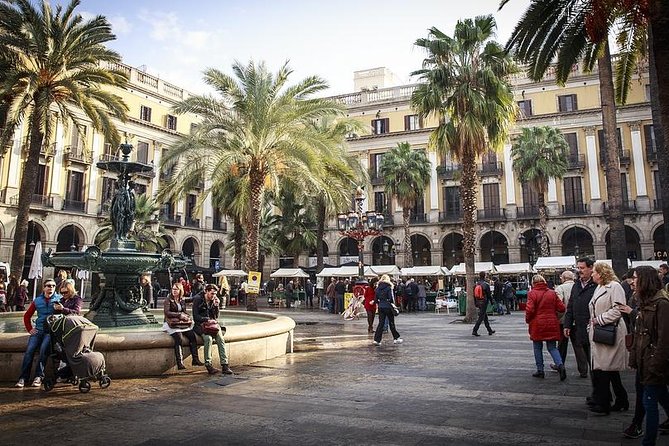
Barcelona’s story comes in three clear chapters on this walk: Roman foundations, medieval Barcelona, and the Modernist city shaped by architects such as Gaudí. Starting near Sagrada Familia and finishing at Catalunya Square, the route gives you a useful first map of the city rather than focusing on one monument alone.
I like the small group limit of 12, which should leave room for questions, and I like the local advice on Catalan food, fiestas, vermut, cigaló, and getting around. The main caution is that the route ends on La Rambla, where food and drinks can cost more than they should. Walk a block or two away before choosing a restaurant.
Key points
- Three eras in one walk: Roman Barcelona, the medieval city, and the Modernist period are explained as connected parts of one place.
- A practical start near Sagrada Familia: The meeting point is a Petrol station on Av. de Gaudí, 1, close to one of Barcelona’s best-known landmarks.
- Small groups of up to 12: You get a more personal walk and a better chance to ask questions.
- Catalan life, not just monuments: The guide covers local customs, popular fiestas, food, vermut, and cigaló.
- Useful finish at Catalunya Square: The guide can suggest places to eat and ways to continue around Barcelona after the tour.
- Indoor market stop worth noting: An indoor market along the route is specifically worth making time for, but busy La Rambla restaurants deserve caution.
From Sagrada Familia to Catalunya Square in three hours
This is a city orientation walk with a clear historical frame. You meet at 10:00 am near Sagrada Familia, then move through Barcelona toward Catalunya Square, linking the city’s Roman, medieval, and Modernist periods along the way.
The route is not designed as a full visit inside Sagrada Familia. The stated meeting point is a Petrol station near the basilica, so treat the church as your starting landmark rather than assuming admission is part of the tour. If you want to see the interior, plan a separate visit.
The three-hour length is useful for a first morning in Barcelona. You get enough time to hear the city’s story and ask questions without giving up an entire day. The walk ends in a central spot, so you can continue sightseeing, stop for lunch, or use the city’s transport from there.
The exact Roman, medieval, and Modernist monuments are not individually listed. That matters if you are looking for a fixed checklist of famous sights. The experience is better understood as a guided route through connected periods, with the guide choosing the buildings, squares, and monuments that best explain the city.
More Sagrada Familia tours in Barcelona:
- Barcelona: Sagrada Familia Entry Ticket with Audio Guide
★ 4.6 · 105,312 reviews - Barcelona in 1 Day: Sagrada Familia, Park Guell,Old Town & Pickup
★ 5.0 · 13,541 reviews - Barcelona: Sagrada Familia Skip-the-Line Entry Ticket & Tour
★ 4.8 · 12,789 reviews
Roman Barcelona gives the city its oldest layer
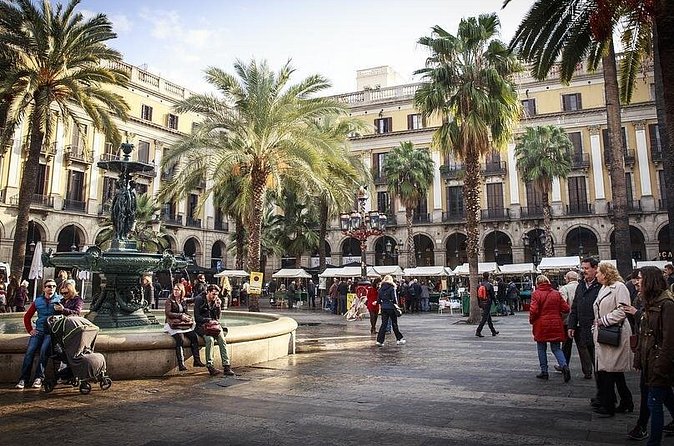
The first historical chapter is Roman Barcelona. The walk explains how the Roman city forms the oldest base beneath the modern streets and why that early settlement still matters to the city you see today.
You will not simply be looking at old stones as isolated objects. The point is to understand how Barcelona developed from its early Roman beginnings into a medieval Mediterranean center and later into a Modernist capital. That wider connection is one of the strongest reasons to choose this tour.
The information provided does not name the Roman stops, so you should not book this expecting a detailed archaeological tour of every surviving wall or excavation. Instead, expect the guide to place Roman Barcelona within the larger city story.
This part should suit you if you like context before detail. A guide can help you notice how old and new parts of Barcelona sit close together, even when the streets look thoroughly modern.
Medieval Barcelona connects trade, faith, and daily life
The second chapter covers medieval Barcelona. The city’s medieval period is presented as another building block in its identity, not as a separate story that ended before the modern city began.
The tour promises monuments, buildings, and squares shaped by centuries of life on the Mediterranean shore. It also looks at the people who influenced Barcelona in different periods. That human focus gives the walk more purpose than a list of dates.
The medieval section should be especially helpful if you want to understand why Barcelona has such a strong local identity. Catalan traditions, habits, and fiestas are part of the discussion, so the city is treated as a living place rather than an outdoor museum.
You should keep expectations sensible. No detailed list of churches, lanes, or medieval buildings is provided, and admission to any attraction is not included. The value here lies in the guide’s explanation and the way the route links places together.
Modernist Barcelona explains the route’s famous opening
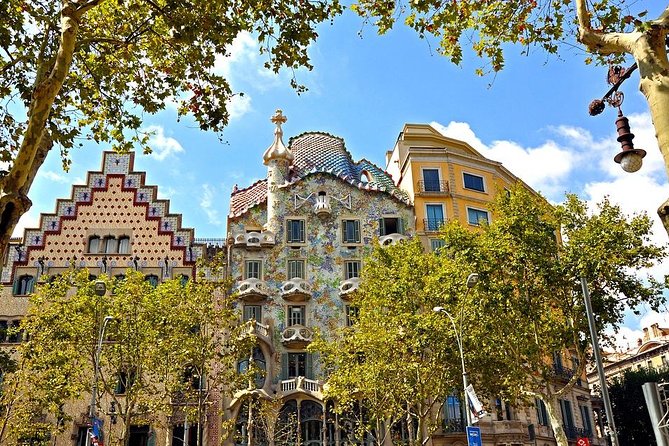
The Modernist period is the third major chapter, and Sagrada Familia gives the walk an obvious starting point. Barcelona’s Modernist architecture is one of the city’s major draws, but this experience aims to explain why the period happened and how it relates to the earlier Roman and medieval city.
That connection is useful. You may already know that Barcelona is associated with Gaudí and unusual buildings, but the tour places Modernism inside the city’s longer development. The result should give you a better sense of why Barcelona looks the way it does.
The walk does not include a stated interior visit or entry ticket to Sagrada Familia. You are paying for a guided outdoor city experience, historical explanation, and local conversation, not for admission to a monument.
If Modernist architecture is your main reason for coming to Barcelona, this tour may work best as an introduction. You may want a separate architectural tour or timed entry for a closer study of particular buildings.
Same city, a completely different century:
- Barcelona: Casa Batlló Entry with Self-Audioguide Tour
★ 4.7 · 25,359 reviews - Fast Track Sagrada Familia Guided Tour
★ 4.5 · 8,795 reviews - Park Guell and Sagrada Familia Tour with Skip the Line Tickets
★ 5.0 · 6,384 reviews - Barcelona: Park Güell and Gaudí House Museum Entry Ticket
★ 4.5 · 6,326 reviews
Catalan customs make the walk more useful
A good city walk teaches you how to read a place. This one also tries to explain how to act in Barcelona, with discussion of local traditions, gastronomy, habits, and popular fiestas.
The guide may explain vermut, the local custom of enjoying vermouth, and cigaló, a coffee drink made with liquor. These details help turn a sightseeing walk into a practical introduction to Catalan life. Food and drinks are not included, so any tasting or café order comes at your own cost.
I like this part because it gives you something to use after the tour. Knowing what a local drink is, how a festival fits into the culture, or which food habits are common can make later meals and neighborhood walks feel less random.
The guide also answers questions after the tour and can suggest places to eat and ways to get around. That follow-up matters in Barcelona, where a quick local recommendation may save you from choosing an expensive restaurant on the busiest stretch of La Rambla.
La Rambla is a finish, not necessarily your lunch stop
The walk ends at Catalunya Square, after covering La Rambla. This is a convenient finish in central Barcelona, but it is also the point where you need to use your judgment.
La Rambla is worth walking at least once. It is a major downtown avenue and an easy route between central sights. An indoor market along the way is specifically worth stopping for, and you should allow time to look inside rather than rushing past it.
The warning is simple: do not assume the restaurants directly on La Rambla offer the best value. Patio restaurants on the avenue can charge high prices for beer and food, and service may feel indifferent. I would use the street as a route, then turn one or two blocks away before sitting down.
You can also head toward the beach area if you want a different setting, but the important point is to compare menus and prices away from the most obvious frontage. The tour’s local food advice is most useful here.
What the small group and mobile ticket mean
The group limit is 12 people. That is small enough to make questions practical and should feel less anonymous than a large coach-style walking tour.
The guide is local and conducts the experience in English. No guide names are supplied, so you cannot choose a particular guide in advance. The guide is expected to cover Barcelona’s eras, Catalan culture, food, customs, and transport, then stay available for questions after the walk.
Your ticket is mobile, which keeps the booking simple. Confirmation is sent at booking, and you do not need printed material for entry to a named attraction because no attraction admission is listed.
Free Barcelona maps are included. That sounds basic, but it is useful on a first morning, especially when the tour ends somewhere different from where it began. You can mark down restaurant suggestions, transport routes, and places you want to revisit.
Is $32.82 a fair price?
At $32.82 per person, the value depends on what you want from a walking tour. The price covers about three hours with a local guide, a maximum group of 12, a map, historical explanation, and time for questions after the formal walk.
That is reasonable if you want orientation and local context in one package. You are not paying for museum tickets, meals, drinks, or transport, so the cost is mainly for the guide’s time and the structure of the route.
The price is less compelling if you only want to see Sagrada Familia or La Rambla on your own. Both areas are easy to reach, and independent sightseeing costs less if you do not need historical explanation or recommendations.
The strongest value comes early in your stay. Take the walk near the beginning of a Barcelona visit, then use the guide’s suggestions for later meals and sightseeing. If you book it on your final morning, you lose some of the benefit of the practical advice.
Children under 10 do not pay. That makes the tour more appealing for families, although every participant still needs to manage a three-hour walk at a moderate physical level.
Prepare for weather and a steady walk
The experience operates in all weather conditions. Wear clothing suitable for the forecast and bring what you need for sun, rain, or changing conditions. The details do not specify a stop for changing clothes or shelter, so it is best to be ready from the start.
A moderate physical fitness level is required. You should expect to walk for about three hours, with time spent standing while the guide explains buildings and squares. Comfortable shoes are a sensible choice, though no special equipment is listed.
The 10:00 am start is practical. Barcelona can become crowded and hot later in the day, and an early start gives you a full afternoon afterward. It also places you near Sagrada Familia at the beginning, when you may still want to explore the area on your own.
Be careful with the meeting point. It is the Petrol station near Sagrada Familia at Av. de Gaudí, 1, 08025 Barcelona, not simply the basilica entrance. The tour returns to Catalunya Square, so plan your morning around that one-way route.
Who should book this Barcelona walk?
I would choose this experience if you are visiting Barcelona for the first time and want a clear introduction before tackling individual museums and monuments. It suits people who enjoy city history but also want help with food, customs, public transport, and local habits.
It is also a good fit for families with children under 10, since those children do not pay. The three-hour length gives you a useful orientation without committing the whole day.
You may want something else if your priority is entering Sagrada Familia, studying Modernist architecture in detail, or visiting a specific list of Roman and medieval sites. Those needs call for a more focused tour with named stops and admission details.
The limited rating information, 3.5 from two reviews, does not offer enough detail to make a strong judgment about guide quality. The practical information is clearer: the group is small, the route is broad, and the food advice at La Rambla deserves attention.
Cancellation and booking details
You can cancel for a full refund up to 24 hours before the experience starts. Cancellations or changes made within 24 hours are not refunded or accepted, and the cut-off uses Barcelona local time.
The tour is offered in English and uses a mobile ticket. The booking allows a maximum of 12 people, and confirmation arrives when you book.
Should you book this tour?
Book it if you want a three-hour introduction to Barcelona’s main historical periods with practical Catalan advice added in. The small group, central finish, free map, and post-tour questions make it more useful than a simple walk between famous streets.
Skip it if you need detailed monument interiors, a fixed list of named archaeological sites, or included food and drinks. For most first-time visitors, the best plan is to take this walk early, listen closely to the restaurant advice, and save your La Rambla meal for a side street.
FAQ
Where does the tour start?
The tour starts at 10:00 am at the Petrol station near Sagrada Familia, at Av. de Gaudí, 1, 08025 Barcelona, Spain.
Where does the tour finish?
The tour returns to Catalunya Square.
How long does the tour last?
The tour lasts approximately three hours.
What language is the tour offered in?
The tour is offered in English.
How many people can join the tour?
The maximum group size is 12 participants.
Is Sagrada Familia admission included?
No admission ticket to Sagrada Familia is listed as included. The meeting point is near the basilica.
Are food and drinks included?
No. Food and drinks are not included unless specifically stated, and souvenirs are also excluded.
Are children under 10 charged?
Children under 10 years old do not pay.
What happens if I need to cancel?
You can receive a full refund if you cancel at least 24 hours before the experience start time. Cancellations or changes made less than 24 hours in advance are not accepted and are not refunded.
Just added around Barcelona
- Love in the Gothic Quarter Barcelona: Self-Guided Romantic Walk★ 4.5 · 9 reviews
- Walking tour of the Gothic Quarter of Barcelona + Cathedral★ 5.0 · 8 reviews
- Wine tasting with a view of the Sagrada Familia★ 4.5 · 13 reviews
- Visit to the Modernist houses of the Americans★ 5.0 · 2 reviews
- Barcelona Jewish & Gothic Tour★ 5.0 · 18 reviews
- Roman & Gotic & Gaudi in Barcelona: private walking tour★ 4.5 · 2 reviews
- Self-Guided Audio Tour-The Surrealist Barcelona of Dalí and Gaudí★ 3.5 · 8 reviews
- Barcelona Gaudi Tour: Sagrada Familia, Casa Batllo & Casa Mila★ 5.0 · 4 reviews
Sagrada Familia Tours, compared.
Barcelona: Sagrada Familia Entry Ticket with Audio Guide
Read our review →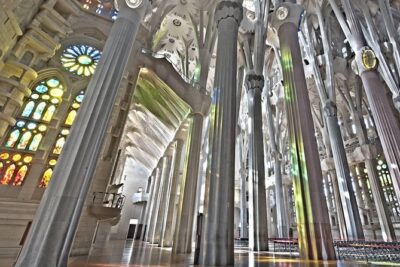
Barcelona in 1 Day: Sagrada Familia, Park Guell,Old Town & Pickup
Read our review →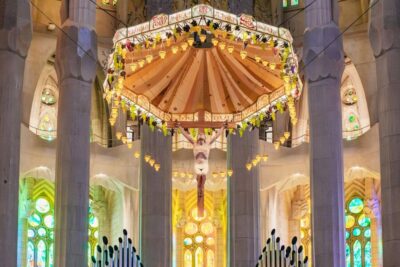
Barcelona: Sagrada Familia Skip-the-Line Entry Ticket & Tour
Read our review →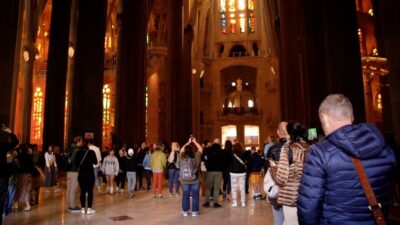
Barcelona: Sagrada Familia Skip-the-Line Guided Tour
Read our review →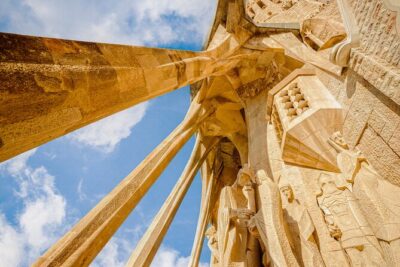
Barcelona: Sagrada Familia Priority Access Guided Tour
Read our review →
Barcelona: Sagrada Familia Tour & Optional Tower Visit
Read our review →
Barcelona: Sagrada Familia Guided Tour with Tower Access
Read our review →Barcelona: Sagrada Familia Skip-the-Line Guided Tour
Read our review →Browse the lists this tour appears in