
Review · CATANIA
Catania: Noto, Modica and Ragusa Ibla Baroque Tour
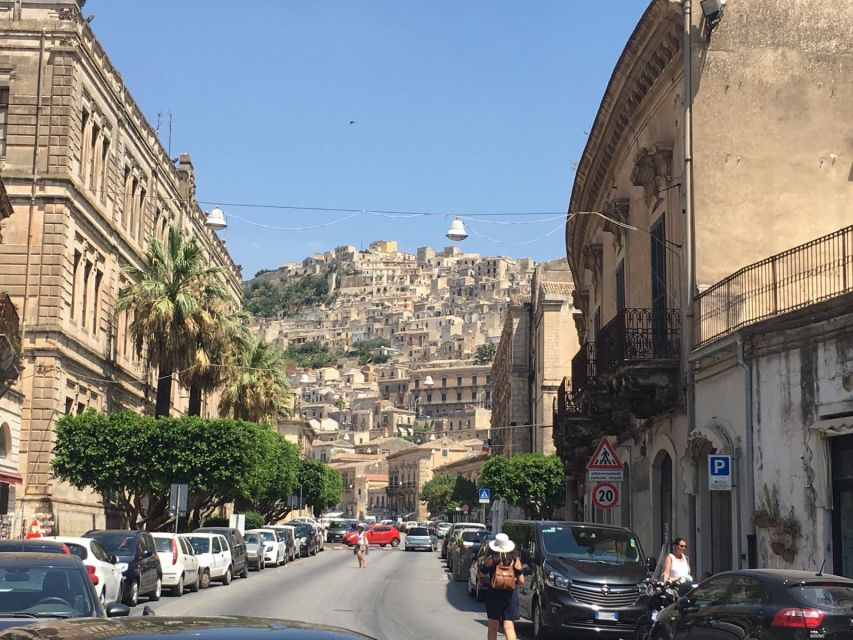
The most striking thing about this day trip is the sheer concentration of Sicilian Baroque. Ragusa Ibla, Modica, and Noto were rebuilt after the earthquake of 1693, and their churches, balconies, masks, and carved stone details give the towns a shared visual language without making them feel identical.
I like two things in particular: you see three important towns without arranging several train or bus connections, and the Modica chocolate tasting adds a welcome food stop to what could otherwise be a very architecture-heavy day. The main drawback is the long amount of time in the van, with one vehicle report noting poor air conditioning and rough suspension.
Key points to know
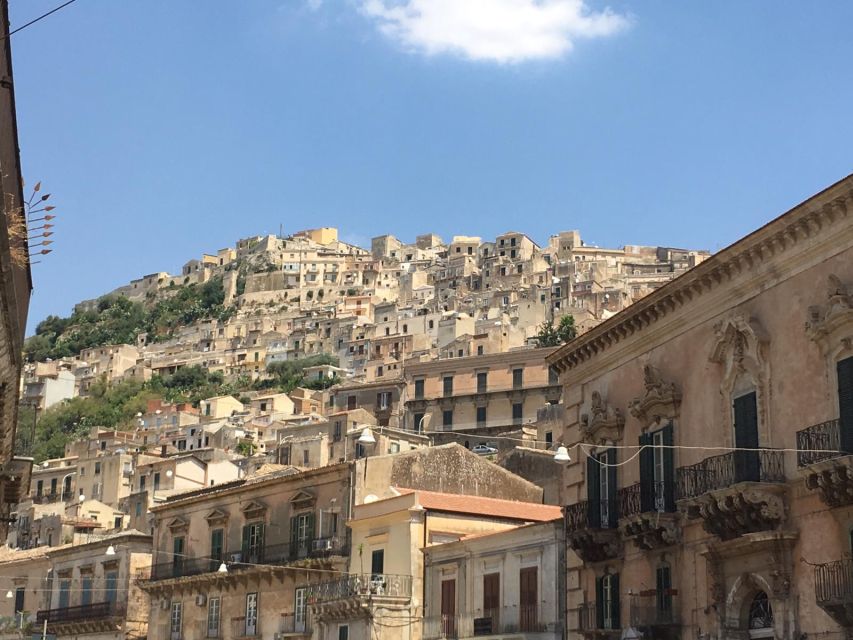
- Three Baroque towns in one day: Visit Ragusa Ibla, Modica, and Noto with guided walks of about 1.5 hours in each place.
- A useful Catania base trip: Pickup and drop-off are included at accommodations in Catania and the surrounding city area.
- Modica chocolate is part of the route: Taste different varieties of the town’s famous chocolate rather than simply passing through.
- The guide matters: Silvia, Andrea, Lorenzo, Giuseppe, and Dan are among the guides praised for clear explanations and careful pacing.
- Expect a full road day: The planned driving totals about four hours, so comfortable clothing and patience with van travel help.
- Flexible booking: You can cancel up to 24 hours before departure for a full refund and reserve without paying immediately.
Why the Val di Noto is worth your day
Sicily is full of ancient Greek, Roman, Arab, Norman, and Spanish traces. The towns in southeastern Sicily offer something different: a coordinated Baroque world created after one of Europe’s most destructive earthquakes.
The earthquake of 1693 damaged or destroyed towns across the Val di Noto. Reconstruction followed in the style of the time, with broad streets, theatrical church fronts, curling stonework, carved figures, and balconies supported by strange-looking masks. Local limestone gives the buildings a warm honey color that changes with the sun.
You do not need to be an architecture specialist to enjoy this route. Your guide can point out the ghostly faces, elaborate carvings, and decorative flourishes that are easy to miss when you walk alone. The towns are also part of a UNESCO World Heritage area, giving the day more weight than a simple collection of pretty streets.
I would choose this excursion if you are staying in Catania and want to see southeastern Sicily without changing hotels. It is also a good fit if you prefer someone else to handle the driving and parking. If you want a slow day with long café stops, though, three towns in eight hours will feel brisk.
More Baroque architecture tours in Italy:
- Lecce: Baroque Architecture and Underground Walking Tour
★ 4.6 · 1,248 reviews - Interpreti Veneziani Ensemble Baroque Concert in Venice Ticket
★ 4.5 · 403 reviews - Borghese Gallery Max 6 People Tour: Baroque & Renaissance in Rome
★ 5.0 · 185 reviews
Ragusa Ibla and its winding alleys
Ragusa is divided into two distinct parts, and the tour visits Ragusa Ibla, the older and more atmospheric section. Its characteristic alleys, churches, grand buildings, and Iblei gardens make it a strong opening to the Baroque theme.
The town rewards slow looking. A plain wall may turn into a carved doorway, while a balcony reveals decorative stone supports beneath it. The details are not always grand from a distance. Up close, they explain why southeastern Sicily has such a strong architectural identity.
Your guided walk lasts about 1.5 hours. That is enough time to get an introduction to the principal sights and understand how the rebuilt town fits together, but it is not enough for every side street or interior. Keep your attention on the route and save a little energy for the other two towns.
Ragusa Ibla is also a good place to notice the setting of the towns among the Iblei hills. The views help explain why the reconstruction was not simply a matter of replacing buildings. The rebuilt cities were laid out and shaped into dramatic urban spaces.
One practical advantage is that the guide can drop you close to the main sights. That saves time, especially on a day when parking and walking between distant points could easily eat into your visit. Guides Dan and Giuseppe were especially praised for clear explanations and attentive help, while other highly rated guides on this route include Silvia, Andrea, and Lorenzo.
Modica combines stonework and chocolate
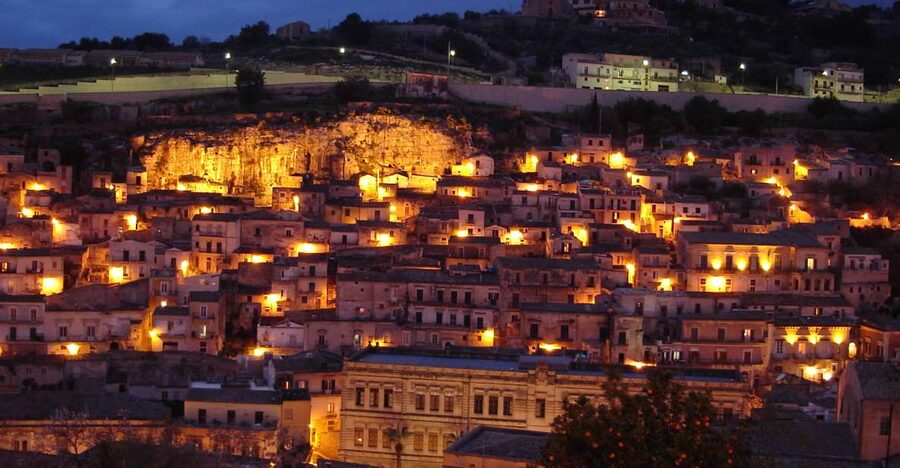
Modica brings a different note to the day. It has ancient origins, a strong culinary tradition, and a Baroque center built into a hilly setting. The town’s architecture is impressive, but the chocolate tasting gives your visit a more direct local flavor.
The tasting includes different varieties of Modica chocolate. This is not just a quick photo stop. It gives you a chance to connect the town’s identity with something you can taste, compare, and remember after the tour.
The chocolate has a distinctive reputation and is known well beyond Sicily. The activity details do not specify exactly how many varieties you will sample or whether purchases are included, so treat the tasting as part of the guided visit rather than planning it as a full food tour.
Modica’s slopes and alleys can make the walking feel more demanding than a flat historic center. Wear shoes that are comfortable for uneven streets and do not assume that a short distance on the map means an easy walk. The guided portion lasts about 1.5 hours, which gives you a useful introduction without turning the stop into an all-day climb.
This is where the tour’s balance works well for me. Ragusa Ibla and Noto focus heavily on stone, churches, and urban design. Modica gives you a sensory break and a chance to enjoy one of Sicily’s best-known specialties.
Noto, the Baroque capital
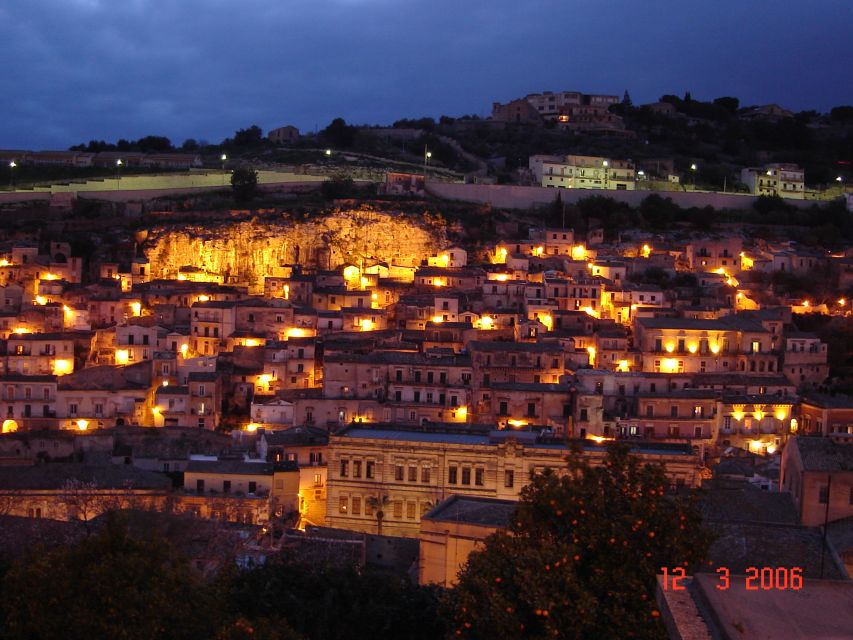
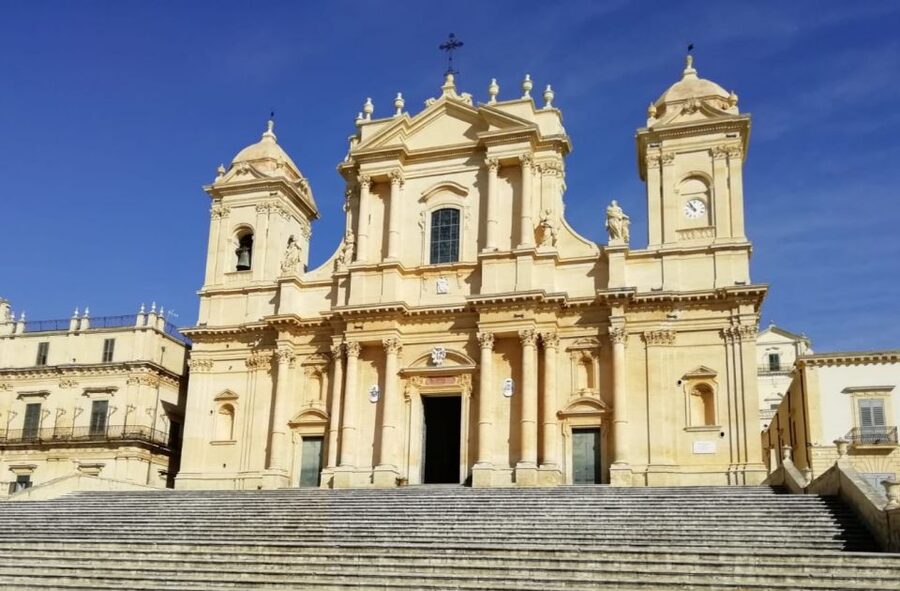
Noto is often described as the capital of Sicilian Baroque, and it makes a fitting final stop. The town is sometimes called a garden of stone because of its elegant buildings and carefully shaped decorative details.
Look for the movement in the façades. Columns curve, balconies project outward, doorways carry carved figures, and church fronts rise in layers. The effect is theatrical, but it is not random. The town’s streets and buildings create a strong visual rhythm, especially when you move along the central avenues.
The guided visit lasts about 1.5 hours. Your guide will help you read the masks and carvings rather than simply photograph them. That context is valuable because Noto can otherwise become a parade of attractive façades with little sense of how they relate to one another.
The town also shows the ambition of the rebuilding that followed the earthquake. Noto was not restored as a rough copy of what had been lost. Its Baroque design created a new civic identity, and the result is one of the clearest expressions of the period in Sicily.
Because Noto comes after Ragusa Ibla and Modica on the stated route, you may arrive with your eye already trained to notice Baroque details. That sequence works nicely: you begin with winding lanes, move through Modica’s food tradition, and finish with Noto’s grand architectural statement.
Same city, a completely different century:
- Florence: Cathedral & Brunelleschi’s Dome Ticket & Audio App
★ 4.4 · 6,973 reviews - Florence: Brunelleschi’s Dome Climb Entry Ticket & Duomo
★ 4.5 · 3,815 reviews - Florence: Brunelleschi’s Dome Reserved Entry Ticket & Duomo
★ 4.6 · 2,216 reviews - Florence Skip-the-Line Duomo Tour with Guide & Brunelleschi Dome
★ 5.0 · 1,176 reviews
A long but efficient eight-hour route
The activity lasts eight hours, with pickup in Catania usually around 9 to 9:15 in the morning. You are asked to be ready at your accommodation at the assigned time. Pickup and return are included for accommodations in Catania and the surrounding city area.
The planned driving sections are substantial:
- About 105 minutes between Catania and the first stop
- About 30 minutes between Ragusa Ibla and Modica
- About 45 minutes between Modica and Noto
- About 75 minutes returning to Catania
That adds up to roughly four hours on the road, leaving the rest of the day for the three guided visits. I see this as the tradeoff for covering so much ground in one day. You gain access to towns that are awkward to combine independently from Catania, but you give up the freedom to linger.
A guide may also be handling driving duties, depending on the day’s arrangement. One practical suggestion from the experience is that a separate driver could make parking and timing easier. The route still functions well as a one-day overview, but you should not expect a relaxed, open-ended schedule.
The vehicle is worth considering before you book. One account described a van with no air conditioning, weak suspension, and loose wiring near a rear interior light. Another noted that open windows made it harder to hear the guide while driving. This may not describe every departure, but it is a fair reason to ask about the vehicle when you confirm your booking, especially in hot weather.
The guides make the history easier to follow
The strongest part of this experience is the human explanation. The route is visually rewarding on its own, but the masks, carved figures, rebuilding plans, and church façades mean more when someone points out what you are seeing.
Silvia was praised for her care and command of the area, while Andrea was credited with taking time to show the main sights and explain their background without rushing. Lorenzo was also singled out for a calm pace and a generous amount of information. Giuseppe was described as attentive and helpful at each stop, and Dan was praised for clear English and strong knowledge of the route.
Those names do not guarantee which guide you will receive. The tour operates in English, French, Italian, and Spanish, so select the language that works best for you when checking availability.
A good guide is especially useful in Noto and Ragusa Ibla, where a short walk can contain many layers of decoration. You will get more from the visit if you listen for the reasons behind the style instead of treating the stops as photo backdrops.
What the $101.50 price means
At $101.50 per person, this is not the cheapest way to see one Sicilian town. It is a reasonable package if you value convenience and want all three towns in a single day.
The price includes accommodation pickup and drop-off, transport between stops, and a multilingual guide. You are paying for the route planning as much as for the vehicle. Reaching Ragusa Ibla, Modica, and Noto independently from Catania would require careful coordination, and the return journey could become awkward if buses or trains do not line up.
The value is strongest for a first visit to Sicily, a short stay, or anyone without a rental car. It is less compelling if you already have a car and prefer to spend several hours in one town. Driving yourself would give you more control, but it would also leave you responsible for parking, directions, and the long return to Catania.
The chocolate tasting adds another small point in the tour’s favor. This is not a full culinary excursion, but it prevents the day from feeling like eight straight hours of churches and façades.
How to prepare for the day
Wear shoes suited to alleys, slopes, and historic paving. The route includes guided walks in all three towns, and Modica in particular is not the place for footwear that becomes uncomfortable after an hour.
Bring water and any personal snacks you need for a full day away from Catania. The supplied details do not list a meal, so do not book this expecting lunch to be included.
A light layer is useful because the day alternates between outdoor walking and time in the van. In warm weather, ask about air conditioning before departure. In any season, sit where you can hear the guide clearly during the driving portions if the group arrangement allows it.
The schedule begins in the morning and returns to Catania after the Noto visit. Keep your evening plans flexible. Road conditions, parking, and the pace of the group can affect the exact return time, even when the planned duration is eight hours.
The cancellation terms are practical: you can cancel up to 24 hours in advance for a full refund. You can also reserve now and pay later, which helps if you are still arranging your Catania schedule.
Who should book this Catania day trip
I would recommend it to you if you want a broad introduction to southeastern Sicily and prefer a guide to explain what you see. It is particularly useful for:
- First-time visitors based in Catania
- Anyone interested in architecture and town design
- People who do not want to rent a car
- Couples or small groups looking for a structured day
- Visitors who want both sightseeing and a taste of Modica chocolate
I would hesitate if your priority is unhurried exploration. The three 1.5-hour walks give you a solid look at each town, but not enough time for every church, museum, shop, or side street. You also need to accept a long day in a van and the possibility that the vehicle may not be ideal.
Should you book it?
Book this tour if your Sicily plans include Catania as a base and you want to see the Baroque towns of the Val di Noto without managing the transport yourself. The combination of Ragusa Ibla’s alleys, Modica’s chocolate, and Noto’s grand façades gives you a well-rounded day.
Skip it if you want to settle into one town and explore at your own speed. Also ask about the van before paying if you are sensitive to heat, rough roads, or limited air conditioning. For most people with only one free day, though, the route offers a sensible way to reach three of southeastern Sicily’s most distinctive towns.
FAQ
How long does the tour last?
The tour lasts eight hours, including transport from Catania, guided visits, and the return journey.
Where does pickup take place?
Pickup and drop-off take place at your accommodation in Catania and the surrounding city area. Pickup is usually around 9 to 9:15 in the morning.
Can I book pickup from another city in Catania Province?
You can contact the activity provider about a transfer service from another city in Catania Province. That transfer is not included in the tour price.
Which towns does the tour visit?
The route visits Ragusa Ibla, Modica, and Noto.
How long do the guided visits last?
The planned guided visit lasts about 1.5 hours in Ragusa Ibla, 1.5 hours in Modica, and 1.5 hours in Noto.
Is chocolate tasting included?
The tour includes tasting different varieties of Modica chocolate.
Which languages are available?
The live guide service is available in English, French, Italian, and Spanish.
Can I cancel for a refund?
Yes. You can cancel up to 24 hours in advance for a full refund. You can also reserve now and pay later.
Just added around Italy
- Vicenza: discovering the city of Palladio by e-bike★ 5.0 · 4 reviews
- Vicenza: Palladian Architecture Private Walking Tour★ 3.3 · 3 reviews
- Turin: Art Nouveau Walking Tour with Coffee★ 5.0 · 11 reviews
- Vatican: Exclusive Baroque Evening With Aperitivo & Dinner★ 3.1 · 2 reviews
- Walking tour in Venice with an architect★ 5.0 · 16 reviews
- Venice Music Project – Baroque Autumn – Season 2025★ 4.5 · 7 reviews
- Palladio. A wonderful live tale through time&soul, from Ve/Pd/Vr★ 5.0 · 7 reviews
- Turin, Art Nouveau walking tour and coffee break★ 4.0 · 7 reviews
Baroque Architecture Tours, compared.
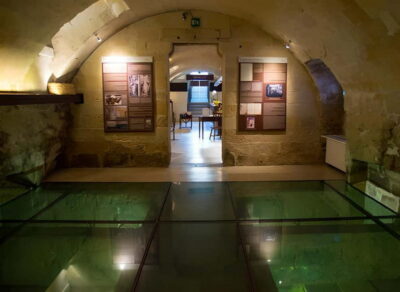
Lecce: Baroque Architecture and Underground Walking Tour
Read our review →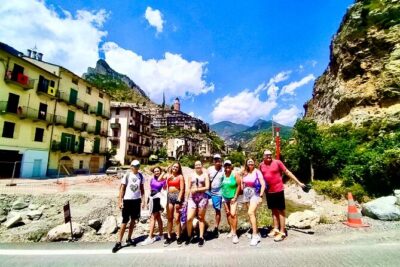
Train Exp. through the Alps (Royal Baroque Route from Nice)
Read our review →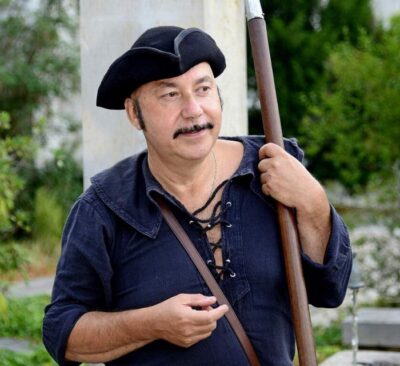
Dresden: Tour of the Baroque Quarter with a Night Watchman
Read our review →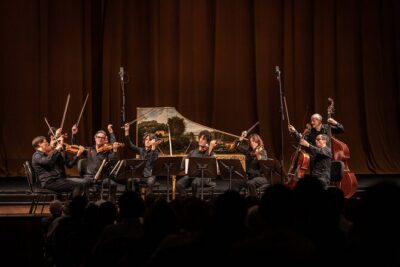
Interpreti Veneziani Ensemble Baroque Concert in Venice Ticket
Read our review →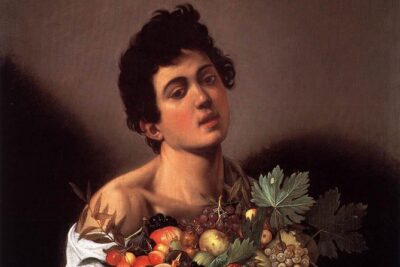
Borghese Gallery Max 6 People Tour: Baroque & Renaissance in Rome
Read our review →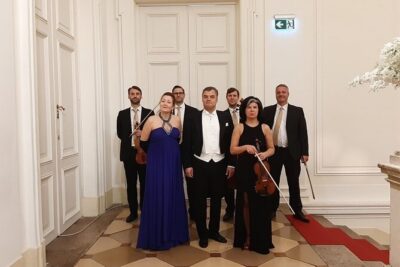
Concert at the Palais Schönborn-Batthyány by the Vienna Baroque Orchestra
Read our review →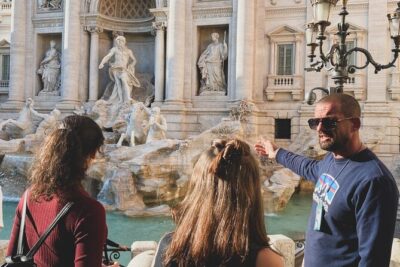
Guided Walking Tour of Rome: Top Sights & Baroque Treasures
Read our review →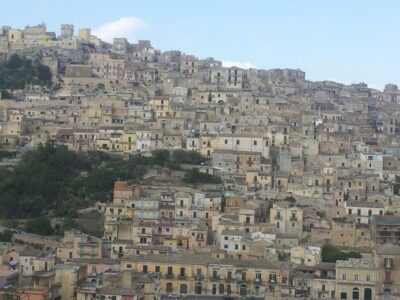
Noto, Modica and Ragusa: The Baroque Tour from Catania
Read our review →Browse the lists this tour appears in