
Review · CATANIA
Noto, Modica and Ragusa: The Baroque Tour from Catania
Sicily’s southeast is a showcase of late Baroque towns, rebuilt after the great earthquake of 1693. This day trip links Noto, Modica, and Ragusa without asking you to face Sicily’s traffic, steep streets, or complicated parking on your own. I like the way it pairs grand churches and palaces with something more down-to-earth: a stop at Modica’s historic chocolate maker.
I also like the small group limit of eight people. Guides such as Alessio, Carmelo, and Rustian have been praised for safe driving, clear explanations, and giving people time to wander instead of pushing everyone from one photo stop to the next. The main drawback is simple: three towns in one day means you get an introduction to each, not a full visit. Several stops can feel short, especially Noto.
Key points to know before booking
- Three UNESCO-linked Baroque towns in one day: See Noto, Modica, and Ragusa without renting a car.
- Modica chocolate is part of the route: Stop at Antica Dolceria Bonajuto, described as Sicily’s oldest chocolate factory, with tastings available.
- Small group travel: The van carries no more than eight participants, making hotel pickup and schedule changes easier.
- Strong guide and driver element: Alessio, Carmelo, and Rustian are praised for safe driving, local history, and a friendly approach.
- Long day with substantial road time: The route includes about four hours of listed driving, so expect a full day rather than a relaxed city walk.
- Bring money for extras: Meals and entrance tickets are not included in the $124.61 price.
Why this route matters in southeastern Sicily
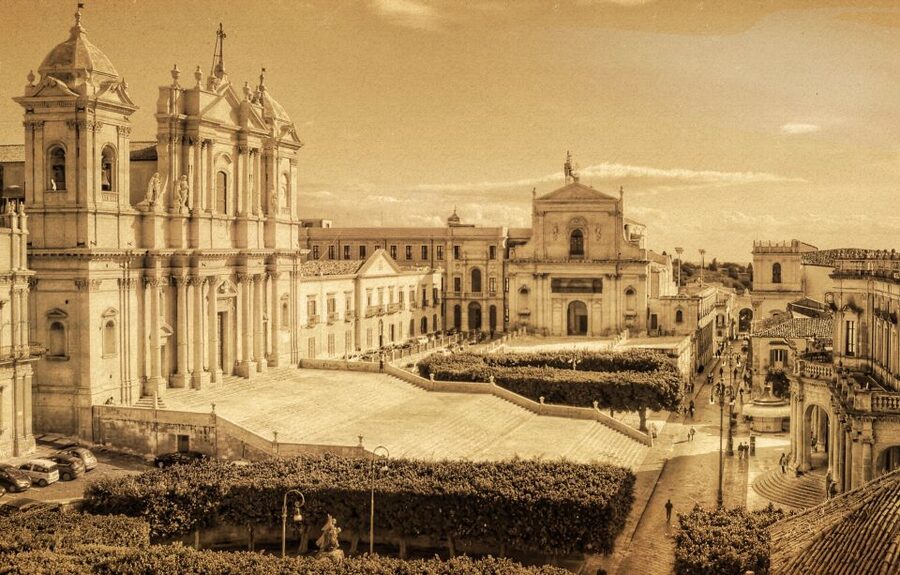
The earthquake of 1693 reshaped the towns of southeastern Sicily. Noto was rebuilt on Meti Hill, while Modica and Ragusa developed their own versions of the late Baroque style. The result is not one uniform town, but three different ways of seeing the same period.
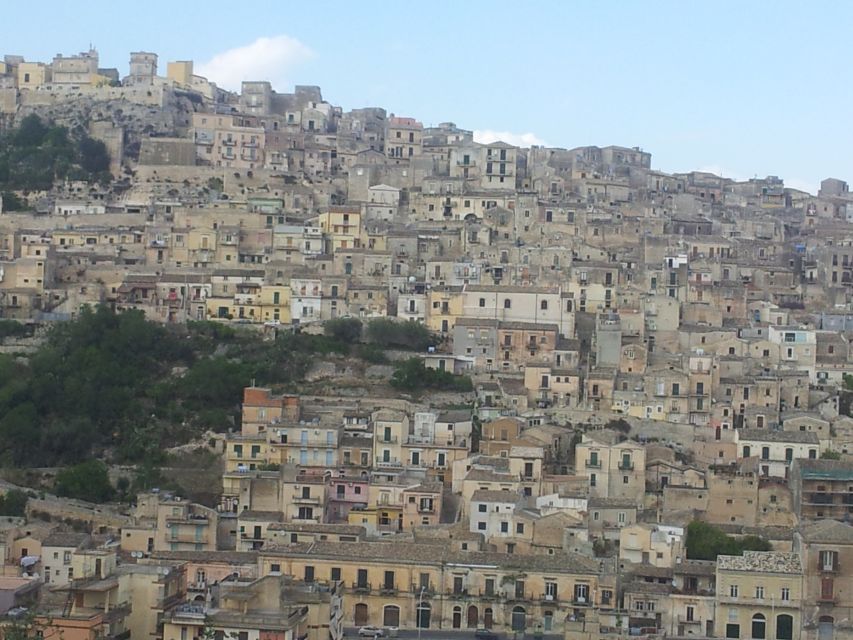
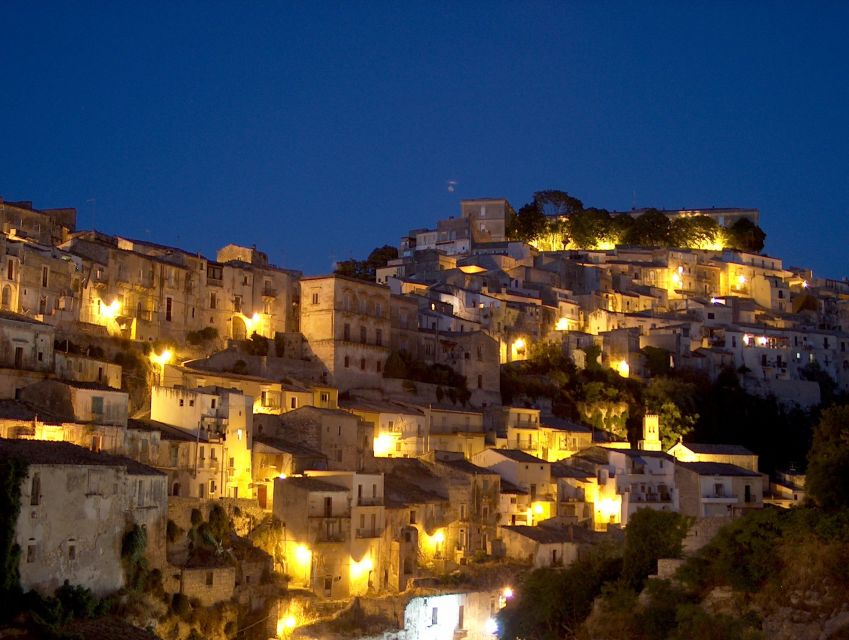
Noto is famous for its warm-colored stone and carefully planned streets. Modica is more dramatic and layered, with churches and buildings climbing the hillsides. Ragusa offers another contrast, especially in its old quarter, Ragusa Ibla, where Baroque churches and palaces fill a compact historic setting.
The towns are part of the UNESCO World Heritage area recognized for their late Baroque monuments. That designation matters, but you do not need to be an architecture expert to enjoy the day. Your guide can point out the repeated shapes, curved facades, grand staircases, carved stonework, and theatrical church fronts that make this style easy to recognize.
More Baroque architecture tours in Italy:
- Lecce: Baroque Architecture and Underground Walking Tour
★ 4.6 · 1,248 reviews - Interpreti Veneziani Ensemble Baroque Concert in Venice Ticket
★ 4.5 · 403 reviews - Borghese Gallery Max 6 People Tour: Baroque & Renaissance in Rome
★ 5.0 · 185 reviews
The journey from Catania to Noto
Pickup is offered from your accommodation or port of call within Catania territory. Aci Castello and Catania are listed as pickup and drop-off areas. If your accommodation sits on a pedestrian street or near a street market, the operator arranges a nearby meeting point instead.
The first drive lasts about 75 minutes. That is a useful trade-off for anyone who does not want to rent a car. The roads between these towns take time, and parking near historic centers can be awkward. Your driver handles fuel, tolls, parking fees, and the route while you watch the countryside pass by.
You should provide a full phone number with international code, plus the exact name and address of your hotel or bed-and-breakfast. The operator contacts you the day before, so replying promptly helps avoid pickup confusion.
Noto: stonework, churches, and the first taste of Baroque Sicily
Noto is the first major stop and receives about 90 minutes with a guided visit. Known as the Garden of Stone, it is the most immediately polished-looking town on this route. The city’s Early Bronze Age origins are much older than its current appearance, which largely reflects the rebuilding after the 1693 earthquake.
I would pay close attention to the local stone. Sunlight brings out the honey and gold tones, and the carved details become especially clear around church doors, balconies, and palace fronts. Noto rewards a slow look upward, even when the schedule does not allow a long wander.
The guide can help connect the architecture to the town’s rebuilding. You are not simply seeing pretty facades. You are seeing a planned response to disaster, shaped by the taste and ambition of the late Baroque period.
The 90-minute stop is enough for a strong introduction, photographs, and a short independent walk. It is not enough to inspect every church or settle into a long café break. This is the point in the day when time pressure is most noticeable, so keep your walking route focused.
Several guides have been praised for parking near important churches and bringing the group to viewpoints where the town can be photographed from a distance. That extra bit of positioning matters. Noto looks impressive from street level, but the broader view helps you understand its plan and setting.
Modica: chocolate and a town built on hills
After Noto, the van travels about 45 minutes to Modica. The visit includes a guided stop of roughly 90 minutes, with time for a break. Modica is not as orderly in appearance as Noto. Its streets, churches, and buildings rise across a more complex hillside setting, giving the town a stronger sense of height and movement.
The architectural highlights include the cathedrals of San Giorgio and San Pietro, along with Palazzo Polara and Palazzo Napolino-Tommasi Rosso. Even if you do not enter every building, the exteriors show how much attention went into carving and shaping the local stone.
The chocolate stop adds a welcome change of pace. Antica Dolceria Bonajuto is identified as the oldest chocolate factory in Sicily. The visit includes tastings, but you should not expect a full demonstration of the chocolate-making process. The experience is more about sampling Modica’s distinctive dry-style chocolate and browsing the historic shop.
That distinction is useful when planning your expectations. If you want a factory tour with machinery and a long production explanation, this may feel brief. If you enjoy trying a local specialty and taking home a food souvenir, it fits the day well.
Lunch is not included. The schedule allows a break in Modica, and the guide may suggest a restaurant. One group found service slow when an unexpected crowd arrived, so do not assume lunch will be a quick in-and-out meal. If the day is running late, you may prefer a lighter snack and more time in the streets.
A 15-minute drive then takes you from Modica to Ragusa. This is the shortest road section of the tour, which gives the day a welcome change from the longer transfers.
Same city, a completely different century:
- Florence: Cathedral & Brunelleschi’s Dome Ticket & Audio App
★ 4.4 · 6,973 reviews - Florence: Brunelleschi’s Dome Climb Entry Ticket & Duomo
★ 4.5 · 3,815 reviews - Florence: Brunelleschi’s Dome Reserved Entry Ticket & Duomo
★ 4.6 · 2,216 reviews - Florence Skip-the-Line Duomo Tour with Guide & Brunelleschi Dome
★ 5.0 · 1,176 reviews
Ragusa: the most atmospheric final stop
Ragusa receives another 90-minute guided visit. The city was added to the UNESCO World Heritage list in 2002 for its late Baroque monuments, and its churches and palaces provide a strong final chapter to the route.
Ragusa’s architecture is best understood through comparison. Noto presents a planned and unified Baroque town. Modica spreads across its hills. Ragusa gives you another arrangement of grand religious and civic buildings, with streets that can feel more layered and enclosed.
You may visit cathedral and palace areas, then explore independently after the guide’s introduction. The best use of this time is to choose a small area and look closely rather than trying to cover every corner. The old streets can be steep, so comfortable shoes are sensible.
The final drive back to Catania is listed at about 105 minutes. After three towns, this is a long ride, though some guides have used music and conversation to keep the return pleasant. The day can feel full by this point, especially if you have walked uphill in Modica and Ragusa.
What the guide adds to the day
This tour is partly a sightseeing route and partly a driving solution. The guide’s value depends on how much historical and cultural context you want while moving between towns.
Alessio is repeatedly praised for his English, safe driving, warmth, and ability to explain both the monuments and present-day Sicilian life. He has also accommodated schedule changes, including an airport drop-off for one participant. Carmelo is praised for careful driving, practical attention to drinks and toilet stops, and a calm style that leaves room for independent exploration. Rustian is described as punctual, good-humored, and enthusiastic.
The best guide style here is not a nonstop lecture. It is an introduction at each place, followed by time to look around. That approach suits you if you want background but dislike being attached to a flag or microphone all day.
The experience can vary depending on the guide and group. Some people have found the explanations very useful, while others wanted more detail about the technical features of Baroque architecture. If architectural history is your main reason for booking, tell the guide early. Ask about facades, church plans, stonework, and the rebuilding after 1693.
Small group comfort versus a packed schedule
The eight-person limit is one of the clearest advantages. A small van can handle hotel pickups more easily than a large coach, and the guide can answer questions without losing control of the group.
You also have a better chance of adjusting the rhythm. The guides have allowed people to explore on their own, helped with photographs, and made short practical stops along the way. One participant booked alone and was accepted onto the tour, showing that the small-group format is not limited only to couples or families.
Still, small group does not mean slow travel. The route covers three towns, and the driving time is substantial. You should expect a well-organized overview, not the leisurely pace of spending a full morning in Noto and an afternoon in Ragusa.
Rain can affect the day. The activity may be canceled because of weather, and wet conditions can make the stone streets and hills less comfortable. In summer, bring sunglasses, water, and a wide-brimmed hat or umbrella. There is limited shade in some open areas.
Is $124.61 a fair price?
At $124.61 per person, the price is reasonable if you value transport and a guide. It includes pickup and drop-off within Catania territory, an air-conditioned car or minivan, an English, Italian, or Spanish-speaking driver-guide, fuel, tolls, and parking.
The price does not include meals, accommodation, or entrance tickets. You should budget separately for lunch, drinks, chocolate purchases, and any paid monument entry. The towns themselves provide plenty to see from the streets, but this is not an all-inclusive sightseeing package.
The strongest value comes from combining three places that are difficult to visit efficiently without a car. Driving yourself would mean handling Sicilian traffic, parking, navigation, and a long day behind the wheel. This tour lets you spend that energy looking at the towns instead.
Pickup outside Catania, including Taormina, is available only on request, subject to availability and an extra taxi or rideshare-level charge. Confirm that cost before booking if you are not staying in Catania territory.
Who should book this Baroque tour?
I would recommend this trip if you are based in Catania and want a broad look at southeastern Sicily in one day. It works especially well for first-time visitors, independent travelers who do not want to drive, and anyone interested in churches, palaces, town planning, and local food.
It is also a good match if you like a guide who gives context but does not control every minute. The small group and flexible tone make the day more personal than a large coach excursion.
I would hesitate if you prefer slow travel. Noto, in particular, could easily fill more than 90 minutes, and some people will want longer in each town. If you have several days in the area, staying overnight in the southeast would give you a less hurried experience.
Practical details that make the day easier
Wear shoes suitable for uneven or sloped streets. Modica and Ragusa can involve uphill walking, while Noto invites plenty of strolling between churches and palaces.
Keep your phone charged. The guides can take photographs for you, and the towns offer many close architectural details as well as wider views.
Do not plan a tightly timed evening commitment in Catania. The advertised duration is eight hours, but this is a full route with long transfers, three visits, and possible delays at lunch or in traffic.
Free cancellation is available up to 24 hours before departure, and you can reserve while paying later. Those terms are useful if your Sicily schedule is still changing, though weather can also affect departure.
Should you book it?
Book this tour if your priority is seeing Noto, Modica, and Ragusa in one practical day. The combination of transport, a small group, and guides such as Alessio, Carmelo, and Rustian gives you a solid way to reach towns that are awkward to connect by public transport.
Skip it if you want a slow architectural study or long meals in each town. For most people based in Catania, though, the route offers strong value: three distinctive Baroque centers, Modica chocolate, safe driving, and enough independent time to make the day feel like more than a simple transfer service.
FAQ
How long does the tour last?
The advertised duration is 8 hours. The route includes visits to Noto, Modica, and Ragusa, along with several drives between Catania and the towns.
Where does pickup take place?
Pickup is available from your accommodation or port of call in Catania territory. Aci Castello and Catania are listed as pickup and drop-off areas.
Is pickup available from Taormina?
Pickup from Taormina can be requested, subject to availability and an additional charge based on taxi or rideshare fare.
How many people are in the group?
The tour is limited to 8 participants.
Which languages are available?
The live guide service is available in English, Italian, and Spanish.
Is transportation included?
Yes. Transportation is by air-conditioned car or minivan. Fuel, parking fees, and tolls are also included.
Are meals included?
No. Meals are not included, although the itinerary provides break time in Modica.
Are entrance tickets included?
No. Tickets are not included in the tour price.
Can I cancel for a full refund?
Yes. You can cancel up to 24 hours in advance for a full refund. The activity may also be canceled because of weather conditions.
Just added around Italy
- Vicenza: discovering the city of Palladio by e-bike★ 5.0 · 4 reviews
- Vicenza: Palladian Architecture Private Walking Tour★ 3.3 · 3 reviews
- Vatican: Exclusive Baroque Evening With Aperitivo & Dinner★ 3.1 · 2 reviews
- Turin: Art Nouveau Walking Tour with Coffee★ 5.0 · 11 reviews
- Venice Music Project – Baroque Autumn – Season 2025★ 4.5 · 7 reviews
- Walking tour in Venice with an architect★ 5.0 · 16 reviews
- Palladio. A wonderful live tale through time&soul, from Ve/Pd/Vr★ 5.0 · 7 reviews
- Turin, Art Nouveau walking tour and coffee break★ 4.0 · 7 reviews
Baroque Architecture Tours, compared.
Lecce: Baroque Architecture and Underground Walking Tour
Read our review →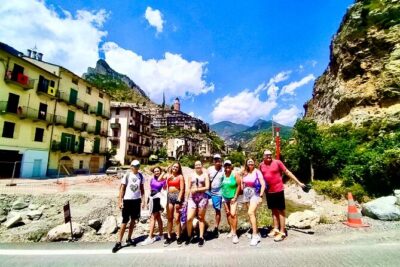
Train Exp. through the Alps (Royal Baroque Route from Nice)
Read our review →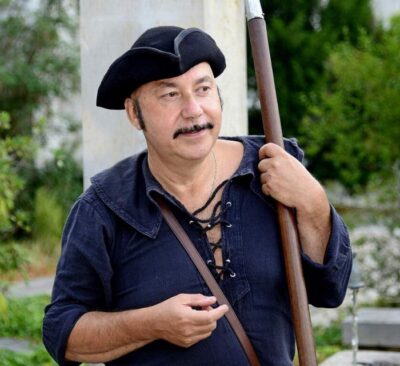
Dresden: Tour of the Baroque Quarter with a Night Watchman
Read our review →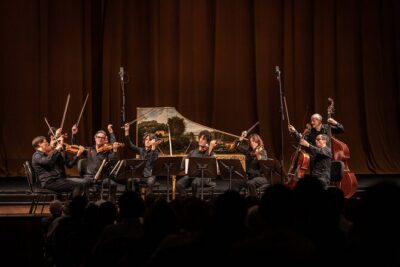
Interpreti Veneziani Ensemble Baroque Concert in Venice Ticket
Read our review →
Borghese Gallery Max 6 People Tour: Baroque & Renaissance in Rome
Read our review →
Concert at the Palais Schönborn-Batthyány by the Vienna Baroque Orchestra
Read our review →
Guided Walking Tour of Rome: Top Sights & Baroque Treasures
Read our review →
Catania: Noto, Modica and Ragusa Ibla Baroque Tour
Read our review →Browse the lists this tour appears in