

Review · BARCELONA
Gaudí & Catalan Modernism Private Walking Tour
Gaudí’s Barcelona makes the most sense when you see several buildings together. This private walk connects the grand avenues of the Eixample with Gaudí’s curving stone and colorful façades, ending at the Sagrada Família. I like the one-to-one format, since you can stop the guide whenever a detail catches your eye, and I like the way the route sets Gaudí beside his rivals rather than treating him as an isolated genius.
The tour also gives you two useful things in one morning: a clear introduction to Barcelona’s urban planning and plenty of strong photo opportunities. The main tradeoff is simple: every major sight is viewed from outside, and three hours on foot will feel long if you prefer a seated sightseeing tour.
Key points to know before booking
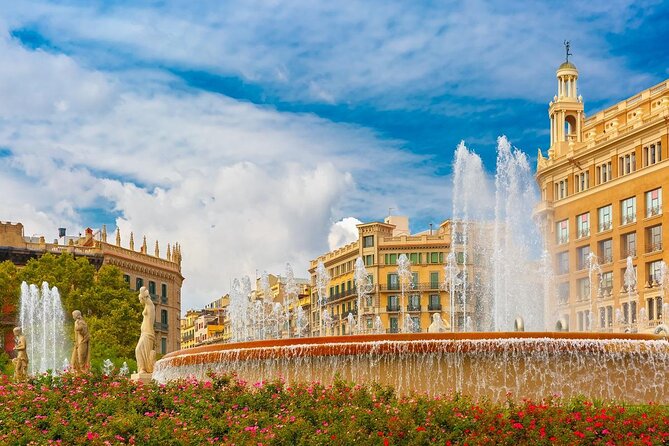
- Follow Barcelona’s Modernist rivalry: See Casa Batlló, Casa Amatller, and Casa Lleó i Morera together on the famous block known as La Mansana de la Discordia.
- Ask as many questions as you like: This is a private activity, so the guide can adjust explanations and pace for your group.
- Expect an exterior-focused visit: The route includes Casa Batlló, La Pedrera, and the Sagrada Família from the street, with no entrance tickets included.
- Hear more than architecture: Guides such as Alessandro and Henrieta have covered politics, urban planning, stories, and artistic influences.
- Plan for steady walking: The route runs from Plaça de Catalunya to the Sagrada Família and includes frequent stops to look up, take photos, and discuss details.
- Finish near a major landmark: The guide ends at the Sagrada Família entrance and gives information about the surrounding area.
Why this route works for seeing Gaudí
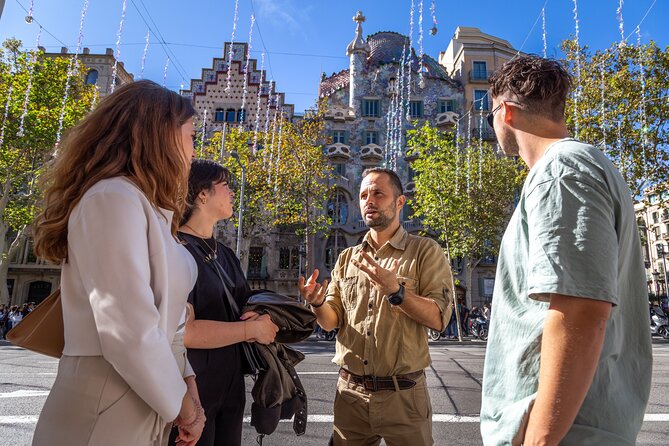
Barcelona’s Modernist buildings can blur together if you visit them one at a time. One façade has waves, another has flowers, another has ironwork, and soon you may admire everything without knowing what you are looking at. This walk gives you a useful framework.
You begin at Plaça de Catalunya, the city’s main central square. From there, the route moves into the Eixample, the planned district that changed Barcelona’s shape. Your guide explains how the district was laid out and how its streets and buildings reflect the city’s growth.
That setting matters. Gaudí did not create his buildings in a vacuum. He worked in a city where wealthy families commissioned eye-catching homes and where architects competed for attention along the same broad avenues. Seeing several façades in sequence helps you spot the differences in materials, decoration, structure, and artistic taste.
The private format is the main reason to choose this experience over a large group walk. You can ask about a symbol, a window, a political period, or a design choice without waiting for the rest of a crowd. The guide can also check your pace and adjust the amount of detail.
Guides named in the experience include Alessandro and Henrieta. Alessandro has brought history and politics into the architecture discussion, while Henrieta has been praised for mixing facts, stories, and thought-provoking conversation while checking how the group was feeling. Those details matter on a three-hour walk. A good guide is not only delivering information, but also watching whether you need a pause or a faster transition.
More Gaudí tours in Barcelona:
- Barcelona: Park Güell and Gaudí House Museum Entry Ticket
★ 4.5 · 6,326 reviews - Sagrada Familia & Gaudi Tour Private or Small Group with Tickets
★ 4.5 · 1,188 reviews - Complete Gaudi Tour: Casa Batllo, Park Guell & Sagrada Familia
★ 5.0 · 1,152 reviews
Plaça de Catalunya and the making of the Eixample
The tour begins at Pg. de Gràcia, 2, close to Plaça de Catalunya. This is a practical meeting point because it places you at the edge of the old central city and the Eixample district.
The opening fifteen minutes focus on urban history and architecture. You will learn why this part of Barcelona was laid out and how the expansion shaped the city you see today. That background gives the rest of the walk a stronger purpose. Instead of simply moving from one famous house to another, you begin to understand the streets as part of a larger city plan.
This is also a good place to ask the guide how the Eixample connects to Barcelona’s Modernist period. The tour is offered in English, and the private setting lets you decide how much background you want before reaching the ornate façades.
Do not expect an attraction entrance here. Plaça de Catalunya is an open public square, and this stop is about orientation and explanation. If you want an in-depth tour of the square itself, you should ask your guide early so the timing can be balanced with the later stops.
Casas Pascual i Pons and the first Modernist clues
The next stop is Casas Pascual i Pons, built between 1890 and 1891. You spend about fifteen minutes looking at the façade while the guide introduces the Modernist art movement.
This is a smart early stop because it gives you something to look for before you reach Gaudí’s most famous work. Modernisme was not one single visual formula. Across Barcelona, architects used different approaches to ornament, form, craft, and the relationship between a building and the street.
The value here is comparison. Your guide can point out artistic influences and help you train your eye. You might begin noticing how balconies, windows, stonework, and decorative details create a building’s personality.
The façade visit is free because you are viewing the building from outside. That keeps the tour focused and avoids the extra time and expense of an interior visit, but it also means you should not book this walk expecting rooms, courtyards, or exhibitions.
La Mansana de la Discordia, three designs in one view
The most concentrated architectural lesson comes at La Mansana de la Discordia, a famous block where Casa Batlló, Casa Amatller, and Casa Lleó i Morera face the street in close company. You spend about forty minutes here, making it the longest stop on the route.
This is where the tour’s comparison method pays off. You can look from one façade to the next and see how different architects answered the same basic challenge: how to create a grand urban residence that would attract attention.
Your guide discusses Gaudí and his contemporaries, including their creative ideas and artistic influences. Rather than treating Casa Batlló as the only building worth noticing, the walk places it beside Casa Amatller and Casa Lleó i Morera. That broader view is useful for art lovers, but it also helps anyone who wants to understand why Barcelona feels so visually distinctive.
Allow time for photos here. The façades are close together, but the details are dense, so you will spend much of the stop looking upward. Comfortable shoes help, and a small bag is easier to manage than bulky luggage.
More architecture walks in Barcelona:
- Barcelona: Old Town and Gothic Quarter Walking Tour
★ 4.8 · 1,393 reviews - Ramblas, Old Town, Gothic and Gaudi Architecture Walking Tour
★ 5.0 · 723 reviews - Kids and Family Gothic Quarter Walking Tour in Barcelona
★ 5.0 · 465 reviews - Barcelona Gothic Quarter Walking Tour
★ 4.5 · 456 reviews
Casa Batlló, Gaudí’s famous façade from the street
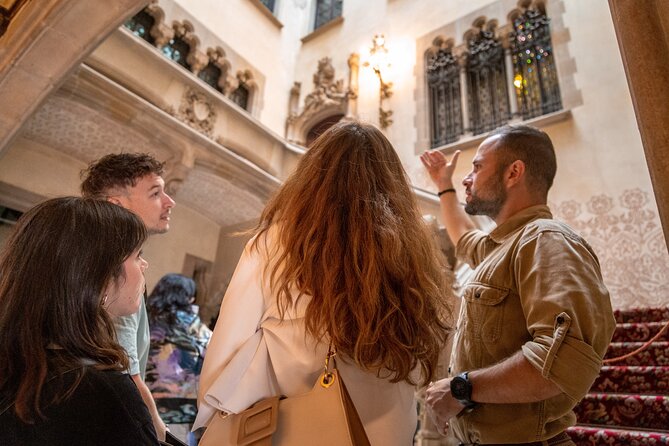
Casa Batlló receives its own fifteen-minute stop after the broader discussion of La Mansana de la Discordia. The house was commissioned by the Batlló family and is recognized as a UNESCO masterpiece.
The separate stop lets the guide focus on Gaudí’s vision and the building’s individual details. You will study the exterior and hear about the ideas behind its unusual forms. This is the moment to ask specific questions about what makes the house Gaudí’s rather than simply calling it strange or beautiful.
The limitation is important. The tour does not include admission to Casa Batlló, and no interior ticket is provided. If you want to see the inside, you will need to arrange that separately, and you should not assume the walking tour includes time for it.
Still, an exterior visit has a practical advantage. You get the architectural context first, then you can decide later if a paid interior visit fits your interests and budget. For many people, the façade discussion alone will be enough, especially when combined with La Pedrera and the Sagrada Família later in the route.
La Pedrera and the power of a stone façade
The route continues to La Pedrera, also called Casa Milà. The guide spends about thirty minutes explaining the stone façade and the ideas behind Gaudí’s design.
This is a longer stop because the exterior deserves time. The building’s stone surface gives the guide a chance to discuss how Gaudí treated structure and decoration as parts of one larger design. You can use this pause to compare La Pedrera with Casa Batlló. The two buildings are both associated with Gaudí, but they offer different visual experiences.
Once again, you are staying outside. The tour does not include the interior of Casa Milà. That may disappoint you if this is the building you most want to enter, but it also keeps the walk moving toward the Sagrada Família rather than turning into a series of separate admissions.
I would treat this stop as a guided introduction, not a substitute for a full Casa Milà visit. If your main goal is to explore interiors, roofs, exhibitions, or architectural spaces, plan a separate ticket. If your goal is to understand the street façade and place it within Barcelona’s Modernist story, the thirty-minute explanation is more useful.
Walking toward the Sagrada Família
The final approach leads to the Sagrada Família, the best-known work connected to Gaudí. The tour gives you about thirty minutes for the exterior, including time to take photos and hear about Gaudí’s legacy.
Arriving here after Casa Batlló and La Pedrera changes the way you see the basilica. You have already discussed Gaudí’s forms, his artistic world, and the work of his contemporaries. The Sagrada Família then feels like the large final statement of themes introduced earlier in the walk.
The guide provides a complete exterior tour, but there is no admission to the basilica. You finish at the entrance on Carrer de Mallorca, 401, and the guide gives useful information about the area and instructions for what to do next.
This ending is convenient if you plan to visit the Sagrada Família inside on your own. It is less convenient if you have another appointment across town immediately afterward, since the walk ends in the Eixample rather than returning to the starting point. Build in a little extra time after the three-hour estimate before scheduling your next activity.
What the $203.25 price means for your group
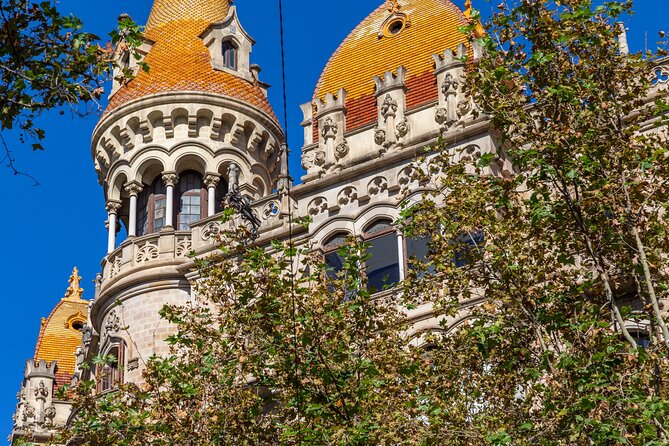
At $203.25 per person, this is not a budget walking tour. The value depends heavily on group size. Since the activity is private, the price buys personal attention rather than a seat in a large group. Group discounts are available, so the per-person cost may make more sense when shared among several people.
You are paying for an expert private guide, local recommendations, and a route that links several major Modernist sights. You are not paying for attraction admissions, interior access, food, transportation, or personal expenses.
That distinction makes the price easier to judge. If you want a private explanation of Barcelona’s architecture and a flexible chance to ask questions, the cost can be reasonable for a small group. If you only want quick photo stops outside the buildings, a less expensive group walk or self-guided route may suit you better.
The tour is often booked about 41 days ahead, which suggests you should not leave it until the last minute if your dates are fixed. Confirmation arrives at booking, and free cancellation is available up to 24 hours before the start time. Changes or cancellations inside that window are not refunded.
Who will enjoy this three-hour walk
I would recommend this experience most strongly to art lovers, architecture fans, and first-time visitors who want a clear introduction to Modernist Barcelona. It also suits families or small groups who prefer to ask their own questions instead of following a fixed lecture.
You should be comfortable walking for three hours. The route includes stops and pauses, but it is still a point-to-point walk from Plaça de Catalunya to the Sagrada Família. Henrieta’s attention to pace, noted in the guide details, is encouraging, but you should still wear practical shoes and be ready for a steady outing.
The tour works well if you want context before visiting interiors. It is less suitable if your entire goal is to enter Casa Batlló, La Pedrera, or the Sagrada Família during the same booking. Those tickets are not part of the experience.
Service animals are allowed, the route is near public transportation, and most people can participate. For exact mobility concerns, ask before booking, since the supplied information does not describe detailed step-free access or seating arrangements.
My call: book it for context, not interior access
Book this private walk if you want Barcelona’s Modernist buildings explained as part of one connected story. The strongest features are the private question time, the side-by-side comparison at La Mansana de la Discordia, and the chance to hear architecture discussed alongside city planning, history, and politics.
Skip it if you want a low-cost stroll or a ticketed interior tour. At $203.25 per person, the experience makes the most sense when your group values a dedicated English-speaking guide and can use the group discount. For a small group with serious curiosity, it offers a thoughtful way to reach the Sagrada Família with your eyes better trained to see what makes Barcelona’s architecture special.
FAQ
How long does the Gaudí and Catalan Modernism tour last?
The tour lasts approximately three hours.
Where does the tour begin?
It begins at Pg. de Gràcia, 2, in the Eixample area near Plaça de Catalunya, Barcelona.
Where does the tour end?
The tour ends at the entrance of the Sagrada Família at Carrer de Mallorca, 401, Barcelona.
Are entrance tickets included?
No. The tour visits Casa Batlló, La Pedrera, and the Sagrada Família from the outside, and no attraction tickets are included or required for these exterior visits.
Is the tour private?
Yes. Only your group participates, and you can ask the private guide questions throughout the experience.
What language is the tour offered in?
The tour is offered in English.
Just added around Barcelona
- Love in the Gothic Quarter Barcelona: Self-Guided Romantic Walk★ 4.5 · 9 reviews
- Walking tour of the Gothic Quarter of Barcelona + Cathedral★ 5.0 · 8 reviews
- Wine tasting with a view of the Sagrada Familia★ 4.5 · 13 reviews
- Roman & Gotic & Gaudi in Barcelona: private walking tour★ 4.5 · 2 reviews
- Visit to the Modernist houses of the Americans★ 5.0 · 2 reviews
- Barcelona Jewish & Gothic Tour★ 5.0 · 18 reviews
- Self-Guided Audio Tour-The Surrealist Barcelona of Dalí and Gaudí★ 3.5 · 8 reviews
- Barcelona Gaudi Tour: Sagrada Familia, Casa Batllo & Casa Mila★ 5.0 · 4 reviews
Gaudí Tours, compared.
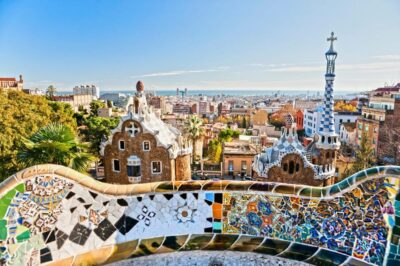
Barcelona: Park Güell and Gaudí House Museum Entry Ticket
Read our review →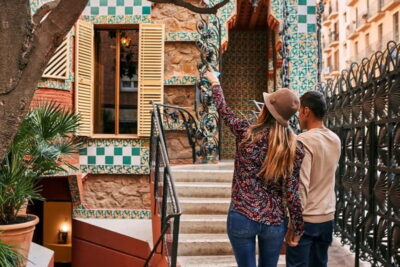
Barcelona: Gaudi’s Casa Vicens Skip-the-Line Entrance Ticket
Read our review →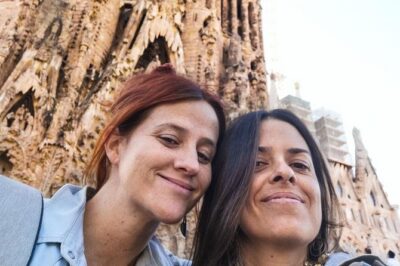
Sagrada Familia & Gaudi Tour Private or Small Group with Tickets
Read our review →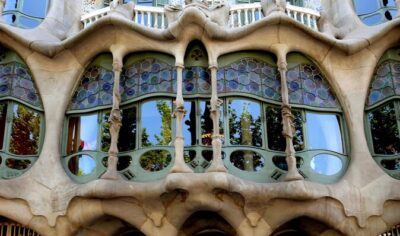
Complete Gaudi Tour: Casa Batllo, Park Guell & Sagrada Familia
Read our review →
Park Güell: Guided Tour with Optional Gaudí Experience Entry
Read our review →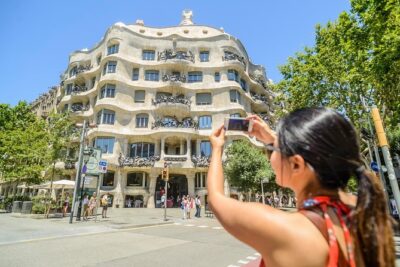
Barcelona e-Bike Tour: Gaudí & Old Town Small Group
Read our review →
Ramblas, Old Town, Gothic and Gaudi Architecture Walking Tour
Read our review →
Gaudi´s Casa Vicens Skip the Line Ticket with Audioguide
Read our review →Browse the lists this tour appears in