
Review · BARCELONA
Barcelona: 2.5-Hour Gaudí Segway Tour
Barcelona’s modernist architecture makes more sense when you see it as a neighborhood story, not a string of isolated buildings. This 2.5-hour Segway tour links Gaudí’s famous houses and Sagrada Família with lesser-known works by Puig i Cadafalch and Domènech i Montaner.
I like the efficient route through Eixample and Gràcia, and I like that guides such as Alex, Edwin, Stephan, Maria, Fabio, Virginia, and David have been praised for patient instruction and clear explanations. The main consideration is physical: Segway riding requires balance, stair-like movements, and comfort around city traffic.
Key points at a glance
- Arc de Triomf starting point: Meet at Passeig de Lluís Companys 10, then begin with a safety briefing and practice session.
- A strong Gaudí lineup: See Casa Milà, Casa Batlló, Casa Amatller, Casa de les Punxes, and Sagrada Família.
- More than Gaudí: The route includes modernist buildings by Josep Puig i Cadafalch and Lluís Domènech i Montaner.
- A short look at Gràcia: Stop at Plaza de la Vila de Gràcia, with its bell tower and former town hall.
- Good coverage for limited time: A Segway helps you cover more ground than walking, though it gives you less time inside each site.
- Small groups and flexible booking: Groups are usually 2 to 6 people per guide, with private options available.
Starting beneath Arc de Triomf
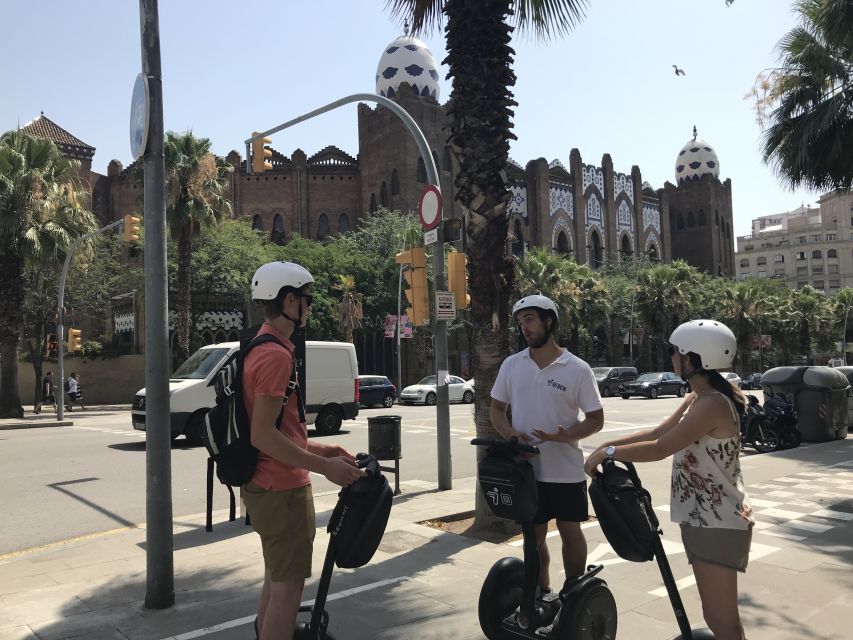
Your meeting point is the activity provider’s office at Passeig de Lluís Companys 10, beside Arc de Triomf. This is a practical place to begin because the broad avenue gives you room for the initial lesson before the route moves into denser parts of Barcelona.
The guide provides a Segway i2, helmet, safety equipment, insurance, and training. If you have never used a Segway, do not worry about needing prior experience. The training is part of the tour, and guides such as Edwin and Alex have been especially appreciated for taking time with first-time riders.
You control the Segway by shifting your weight. That sounds simple, but you still need to feel comfortable starting, stopping, turning, and adjusting your position around pedestrians and traffic. Wear shoes and clothing that let you move freely. In winter, bring warm, water-resistant clothing and gloves.
The group limit is usually 2 to 6 people per guide. If a larger party books, it is split between several guides. That matters because a smaller group is easier to manage at crossings and makes it more likely that you can hear the explanation at each stop.
More Gaudí tours in Barcelona:
- Barcelona: Park Güell and Gaudí House Museum Entry Ticket
★ 4.5 · 6,326 reviews - Sagrada Familia & Gaudi Tour Private or Small Group with Tickets
★ 4.5 · 1,188 reviews - Complete Gaudi Tour: Casa Batllo, Park Guell & Sagrada Familia
★ 5.0 · 1,152 reviews
Eixample’s grand grid and modernist competition
From Arc de Triomf, the tour heads into Eixample, Barcelona’s famously planned central district. The broad streets make a Segway useful, since you can move between major buildings without spending the whole morning on foot.
The focus is not only Antoni Gaudí. You also see the work of Josep Puig i Cadafalch and Lluís Domènech i Montaner, two architects who helped shape Catalan Modernism. Their buildings give you a better sense of the architectural rivalry and creativity that made this part of Barcelona so distinctive.
This is one of the tour’s best features. You are not simply checking off Gaudí’s greatest hits. You are also seeing how different architects handled stone, balconies, ornament, towers, and color on the same broad avenues.
Casa Milà, the quarry on Passeig de Gràcia
Casa Milà, often called La Pedrera, receives about 10 minutes on the route. The building’s rough, wave-like stone exterior gives it a nickname that translates as the quarry, and it is one of Gaudí’s most recognizable creations.
From the street, look for the uneven facade, heavy stone balconies, and the sense that the building has been carved rather than assembled. The tour does not include an interior visit, so your guide’s explanation and your own close look from outside are the main experience here.
Ten minutes is enough for photographs and a useful introduction, but not enough to study every detail. If La Pedrera is a personal priority, plan a separate visit inside. This tour is better at showing how it fits into the city than at replacing a full architectural visit.
Casa Batlló and the best-known stretch of Passeig de Gràcia
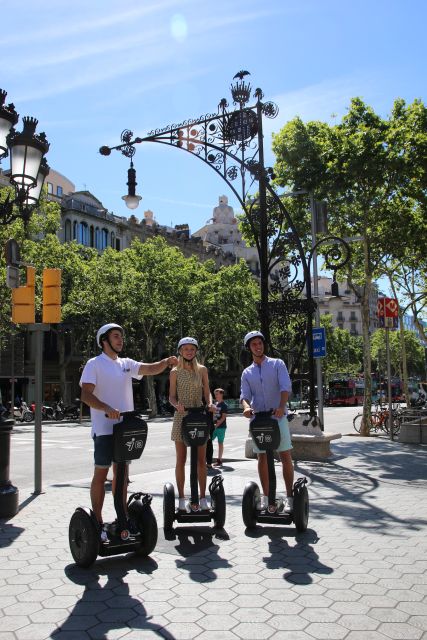
The Segway continues along Passeig de Gràcia, one of Barcelona’s most celebrated boulevards, to Casa Batlló. Its facade is filled with curved forms, unusual window shapes, colorful surfaces, and details that reward a slow look.
The short stop gives you time to take in the building and hear how it relates to Gaudí’s wider style. It also lets you appreciate the boulevard itself, where major modernist buildings sit among shops and city traffic.
Casa Batlló is visually busy, so a guide is useful here. Without context, you may notice only the fantasy-like exterior. With a short explanation, the balconies, roofline, and surface patterns become part of a deliberate design rather than random decoration.
Again, the tradeoff is time. You see the exterior, not the rooms and interior stairways. If you want a full Casa Batlló visit, buy a separate admission for another time and use this tour as an orientation.
More segway and bike architecture tours in Barcelona:
- Barcelona e-Bike Tour: Gaudí & Old Town Small Group
★ 5.0 · 769 reviews - Historical and Modernist Bike Tour Barcelona
★ 5.0 · 262 reviews - Barcelona: Old Port and Gothic Quarter Guided Segway Tour
★ 4.9 · 185 reviews - Barcelona Bike tour, Gaudí houses or beach bike or eBike tour
★ 5.0 · 140 reviews
Casa Amatller and Casa de les Punxes
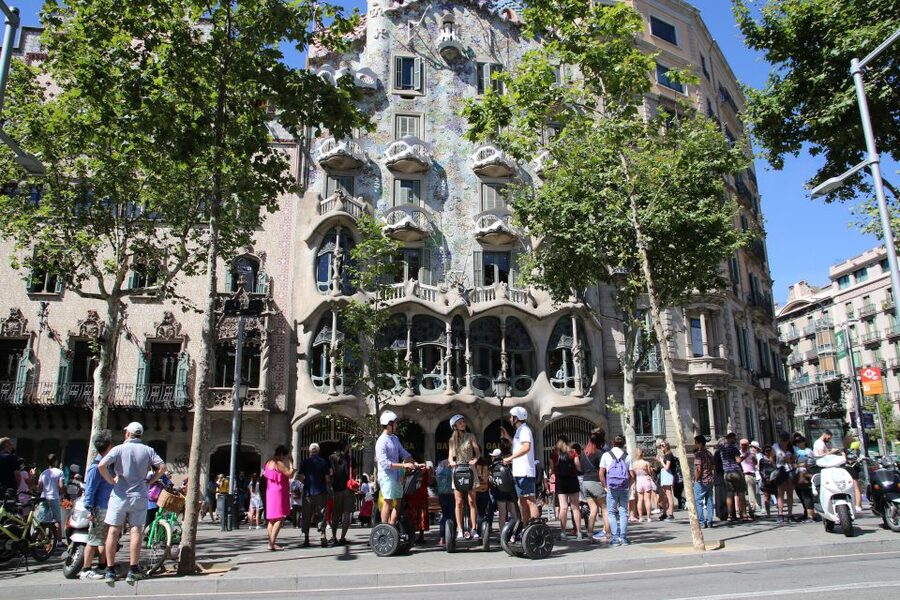
Casa Amatller sits near Casa Batlló and adds an important contrast to Gaudí’s work. It was commissioned in 1898 by a wealthy chocolate maker, and its design reflects the personal taste and social ambition of Eixample’s early residents.
The building is associated with Puig i Cadafalch. Its facade has a more ordered, historic feel than Casa Batlló, with a distinctive stepped roofline and careful decorative detail. Seeing the two buildings close together helps you compare their styles without needing a long lecture.
Next comes Casa de les Punxes, another modernist landmark. Its towers and pointed roof forms make it easy to identify. The name refers to the building’s spike-like features, and the stop broadens the tour beyond the two Gaudí houses most people already know.
These shorter stops are valuable for anyone interested in architecture, but they can feel quick if you want to photograph every detail. Keep your camera ready, listen for the guide’s main points, and save close study for a later walk.
Sagrada Família, the tour’s big moment
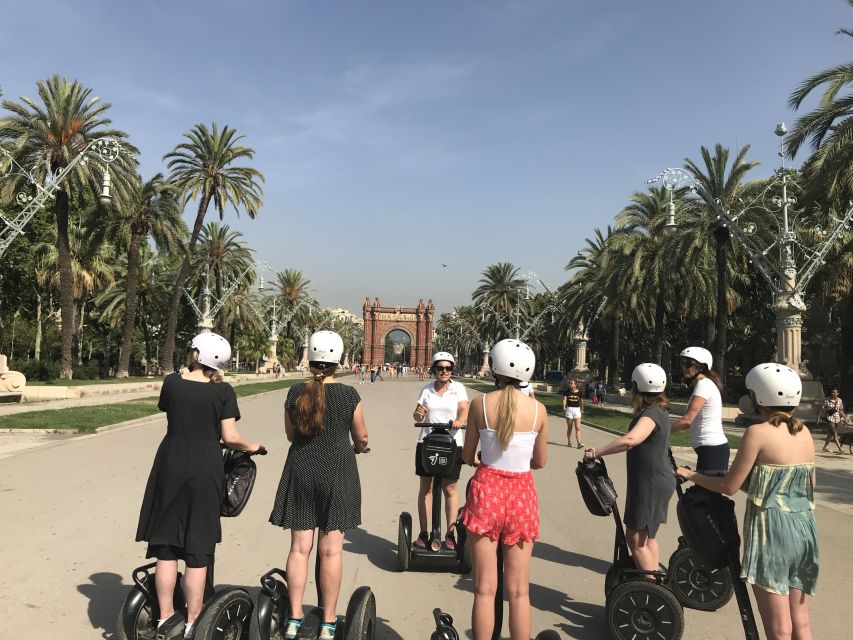
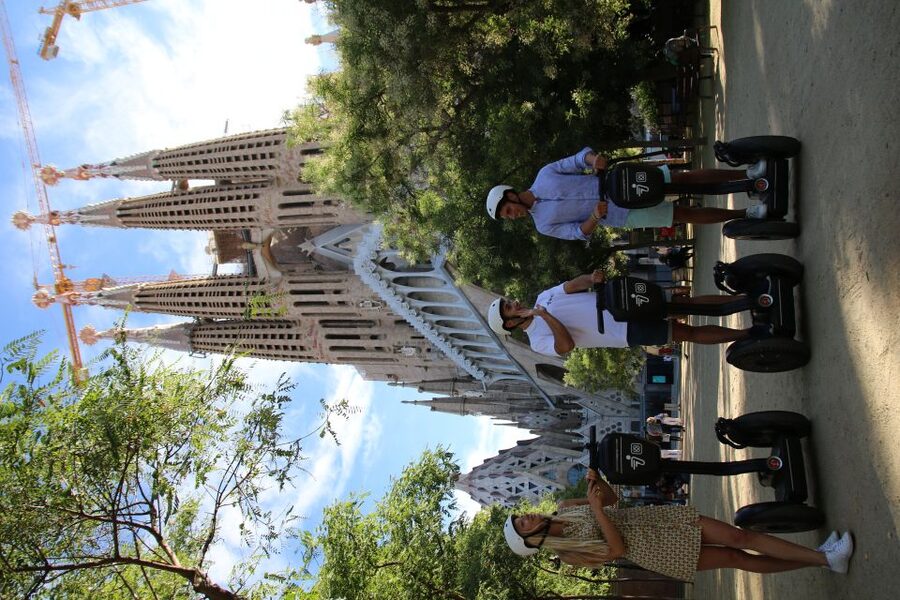
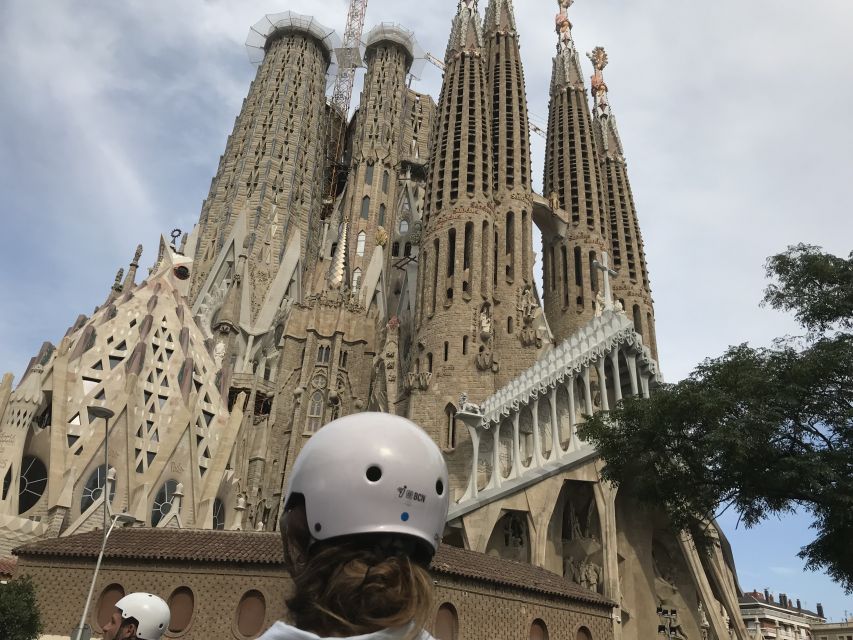
The route reaches the Sagrada Família neighborhood for a photo stop, guided explanation, and about 15 minutes of free time. This is likely to be the tour’s visual high point, even though you do not enter the basilica as part of the experience.
Gaudí’s unfinished church is difficult to understand from a single photograph. From outside, you can compare its towering forms, dense decoration, and different facades. The guide can place the building in the context of Gaudí’s work and Barcelona’s modernist period.
The free time matters. You are not simply rolling past the church while trying to take a picture. You can stop, look up, and frame the building at your own pace before rejoining the group.
Still, be realistic about the format. Fifteen minutes is a brief introduction, not a full visit. If you want to see the interior, museum, crypt, and towers, reserve a separate timed entry. The Segway tour works well as a first look and a way to understand where the basilica sits within the city.
La Monumental and a piece of modern Catalonia
La Monumental is the former bullfighting arena included on the route. It was the last Barcelona arena used for bullfights before the Catalan parliament banned the practice in Catalonia.
The stop adds a civic and cultural layer to the tour. You are no longer looking only at decorative facades. You are also seeing a building connected to a major change in Catalan public life.
The arena’s inclusion is a smart choice because it gives the route variety. After several modernist buildings, this stop helps you think about changing traditions, public spaces, and the way Barcelona’s identity has developed.
A quick escape into Gràcia
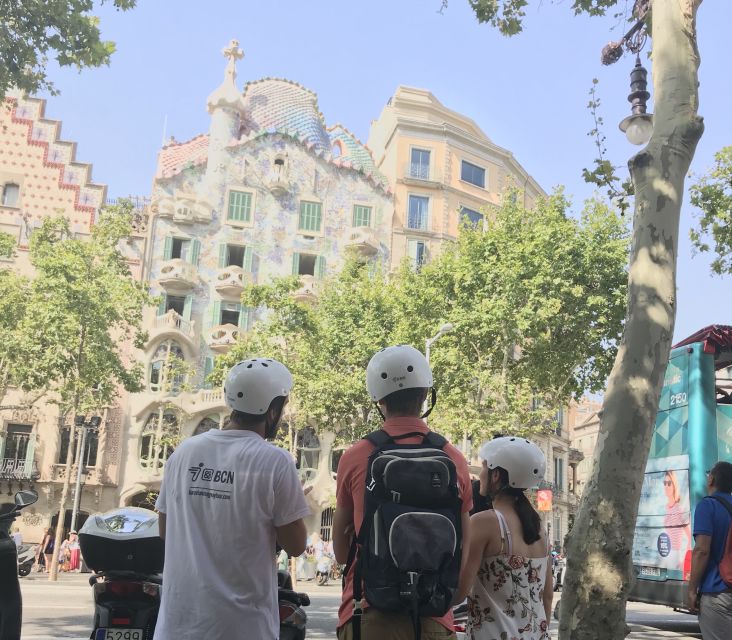
The tour then heads toward the Gràcia district and Plaza de la Vila de Gràcia. Gràcia began as a separate settlement in the 17th century and remained an independent municipality until Barcelona annexed it in 1897.
That background explains why Gràcia feels different from the broad avenues of Eixample. The district has lower buildings, smaller alleys, local shops, restaurants, and small art galleries. The route offers only a short introduction, but even a brief stop helps you see the contrast.
At the plaza, look for the distinctive bell tower and the former town hall, La Casa de la Vila de Gràcia. This is a pleasant change of scale after Passeig de Gràcia and the huge Sagrada Família.
The tour does not give you hours to wander Gràcia. If the neighborhood interests you, return later on foot. The Segway gives you a useful first glimpse, while walking lets you explore the side streets properly.
What $42 buys you
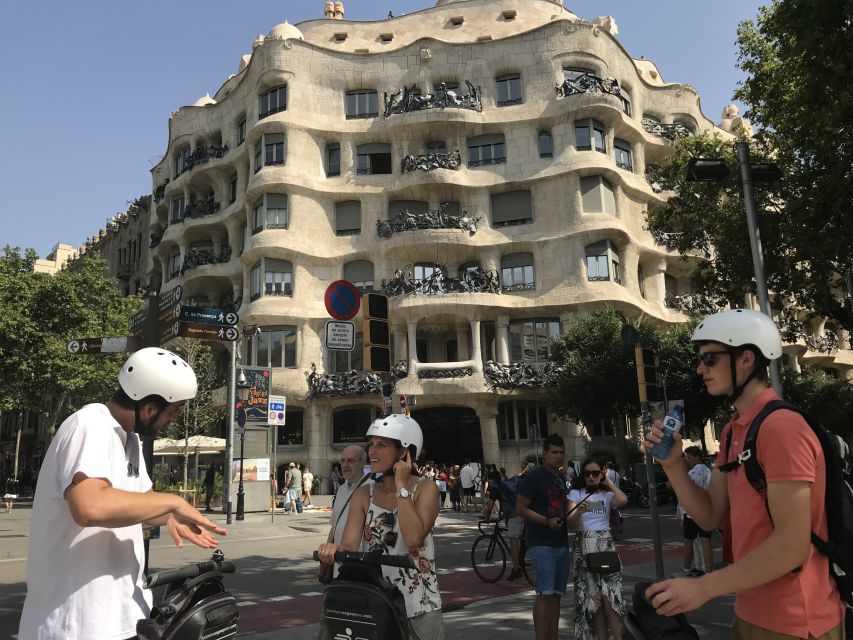
At $42 per person, this is reasonably priced for a guided 2.5-hour city tour that includes the Segway, helmet, training, safety equipment, insurance, and one drink. You are paying for transport between widely spaced sights as well as for commentary.
The value is strongest if you have limited time in Barcelona or want to cover more ground than your feet can manage. One rider specifically appreciated seeing more of the city in a short visit, and that is the central advantage here.
The price is less compelling if your main goal is entering Gaudí’s buildings. Admission to the interiors is not included, and the tour’s stops are mostly exterior views. In that case, combine this outing with separate bookings for Casa Batlló, Casa Milà, or Sagrada Família.
The guide can also add value beyond the route. Alex has been singled out for restaurant and sightseeing suggestions, while guides including Daniel, Stephan, Maria, Fabio, Virginia, David, Nico, and Natalia have been praised for making the ride friendly, safe, and informative. Guide quality can vary by departure, but the experience clearly depends heavily on the person leading your group.
Who should book this Segway tour?
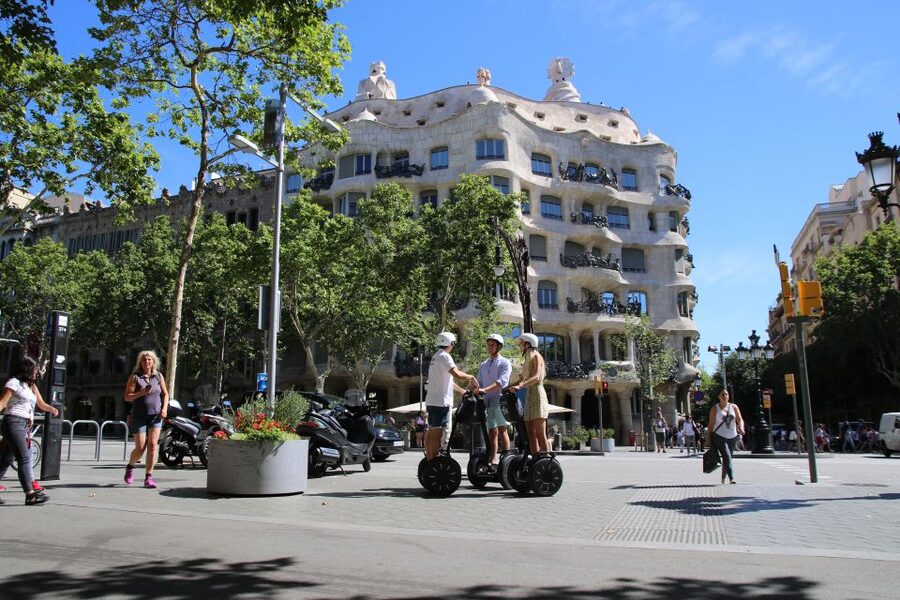
I would choose this for a first visit, a short Barcelona stay, or a day when you want a broad overview before deciding which buildings deserve a full visit. It suits adults and older teens who are comfortable balancing on a moving device and want architecture, local history, and a little city adventure in one outing.
It is also a good choice for people who find long walking tours tiring. The Segway cuts down the distance between Eixample, Sagrada Família, and Gràcia, though it does not remove the need to stand, balance, and make repeated movements.
The minimum age is 16 under Barcelona’s local Segway rules. Riders must be at least 110 centimeters tall, weigh between 35 and 120 kilograms, and be able to make movements similar to climbing and descending stairs without assistance.
The tour is not suitable for people with mobility impairments or pregnant women. Younger participants may be able to join on high-end electric bicycles at discounted rates, but you should confirm that option before booking.
Practical timing and booking advice
The tour lasts 2.5 hours, with starting times available according to the date. Allow enough time to reach Passeig de Lluís Companys 10 without rushing, since the lesson and safety briefing come before the sightseeing.
You can choose a private or small-group format. A private tour costs more in many cases, but it may suit families or friends who want a slower pace and more room for questions. The standard small groups, limited to 2 to 6 people per guide, offer a better balance between personal attention and price.
Free cancellation is available up to 24 hours before departure for a full refund. You can also reserve now and pay later, which helps if your Barcelona schedule is still shifting.
Guiding is available in Dutch, English, French, German, Italian, Portuguese, Russian, and Spanish. When booking, choose the language that will let you follow architectural details easily. The guide is doing more than pointing out buildings, so clear commentary makes a real difference.
Should you book it?
Book this tour if you want to see a large slice of Barcelona’s modernist center in one well-paced outing, especially if walking long distances is not appealing. The best parts are the comparison between Gaudí and his contemporaries, the quick look at Gràcia, and the chance to cover Eixample efficiently.
Skip it if you want long interior visits, quiet time at each building, or a slow neighborhood walk. For $42, the tour offers good sightseeing value, but its purpose is orientation and coverage, not deep visits inside the monuments.
For most first-time visitors with suitable mobility, I think it is a smart way to begin your Barcelona plans. Use it to learn the city’s layout, note the buildings you want to enter, and gather practical advice from your guide. Just remember that the Segway is part of the experience, not merely a substitute for walking.
FAQ
Where does the Barcelona Segway tour start?
It starts at the activity provider’s office at Passeig de Lluís Companys 10, near Arc de Triomf.
How long does the tour last?
The tour lasts 2.5 hours.
What sights are included?
The route includes Arc de Triomf, Casa Milà, Casa Batlló, Casa Amatller, Casa de les Punxes, the Sagrada Família neighborhood, La Monumental, and Plaza de la Vila de Gràcia.
Can I enter Sagrada Família or the Gaudí houses?
No interior admission is listed as part of the tour. The experience focuses on exterior views, guided explanations, and photo stops.
What is included in the price?
The price includes a Segway i2, helmet, guide, training, one drink, safety equipment, and insurance.
How old must I be to ride a Segway?
Participants must be at least 16 years old because of local Barcelona regulations.
Are there rider size and mobility requirements?
Riders must be at least 110 centimeters tall, weigh between 35 and 120 kilograms, and make movements similar to climbing and descending stairs without assistance.
What languages are available?
Guides may lead tours in Dutch, English, French, German, Italian, Portuguese, Russian, or Spanish.
Can I cancel or pay later?
You can cancel up to 24 hours before the tour for a full refund. Reserve now and pay later is also available.
Just added around Barcelona
- Love in the Gothic Quarter Barcelona: Self-Guided Romantic Walk★ 4.5 · 9 reviews
- Walking tour of the Gothic Quarter of Barcelona + Cathedral★ 5.0 · 8 reviews
- Wine tasting with a view of the Sagrada Familia★ 4.5 · 13 reviews
- Visit to the Modernist houses of the Americans★ 5.0 · 2 reviews
- Barcelona Jewish & Gothic Tour★ 5.0 · 18 reviews
- Roman & Gotic & Gaudi in Barcelona: private walking tour★ 4.5 · 2 reviews
- Self-Guided Audio Tour-The Surrealist Barcelona of Dalí and Gaudí★ 3.5 · 8 reviews
- Barcelona Gaudi Tour: Sagrada Familia, Casa Batllo & Casa Mila★ 5.0 · 4 reviews
Gaudí Tours, compared.
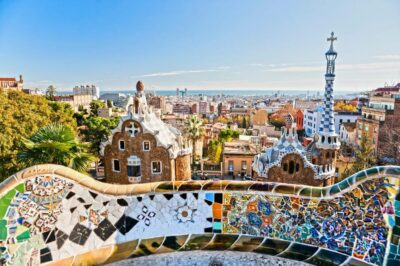
Barcelona: Park Güell and Gaudí House Museum Entry Ticket
Read our review →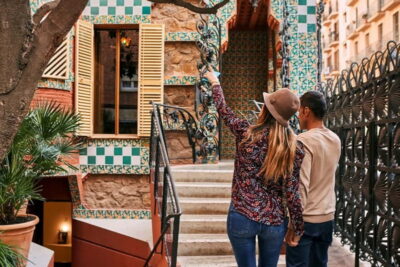
Barcelona: Gaudi’s Casa Vicens Skip-the-Line Entrance Ticket
Read our review →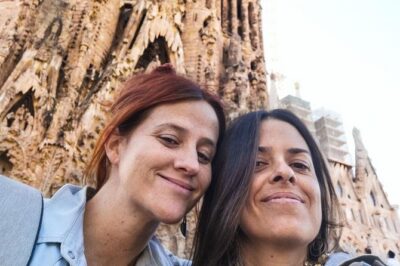
Sagrada Familia & Gaudi Tour Private or Small Group with Tickets
Read our review →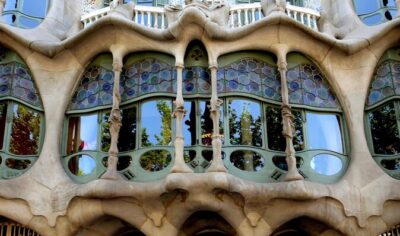
Complete Gaudi Tour: Casa Batllo, Park Guell & Sagrada Familia
Read our review →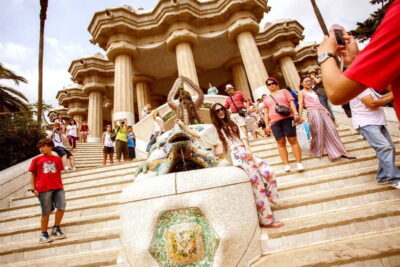
Park Güell: Guided Tour with Optional Gaudí Experience Entry
Read our review →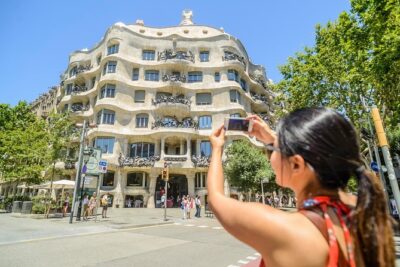
Barcelona e-Bike Tour: Gaudí & Old Town Small Group
Read our review →
Ramblas, Old Town, Gothic and Gaudi Architecture Walking Tour
Read our review →
Gaudi´s Casa Vicens Skip the Line Ticket with Audioguide
Read our review →Browse the lists this tour appears in